
The Miracle of the Salvation Wheat
October 10, 2026
Trail crossing at 1350 North and Nuttall Dr.
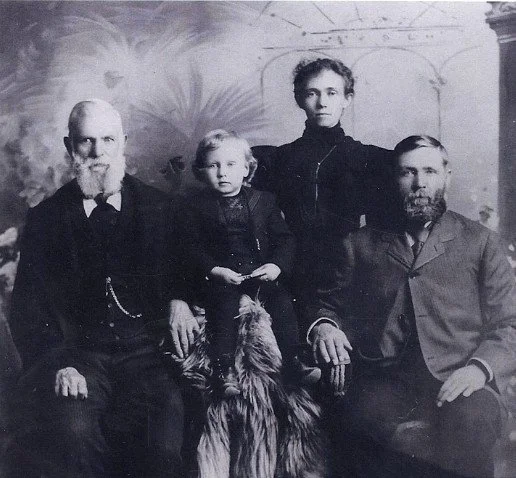
Canute and Sarah Peterson played a major role in the early settlement of Lehi. Both came from families who immigrated to the United States and joined The Church of Jesus Christ of Latter-day Saints thereafter. Their faith and willingness to serve shaped not only their own lives but the development of the Utah Territory.
The Land of Opportunity
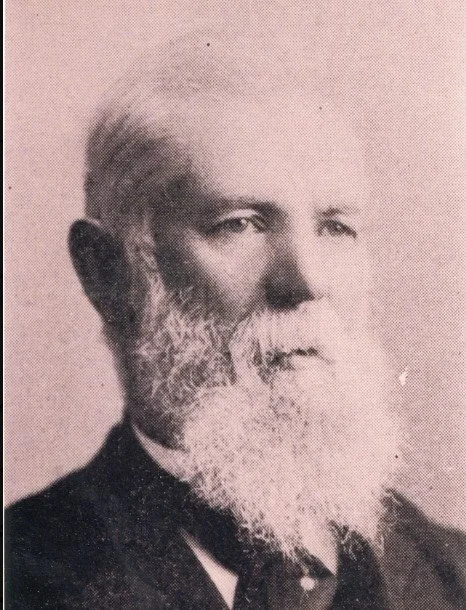
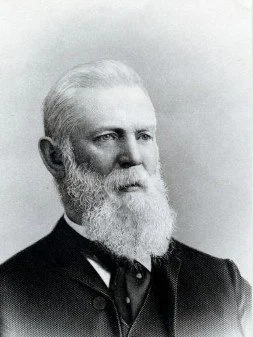
Canute was born in Norway on May 13, 1824. At thirteen, he immigrated with his family to Illinois as part of a Quaker migration. Life quickly became difficult: his father died soon after their arrival in 1838, and his mother fell ill. For the next decade, Canute worked to pay off his father’s debt while caring for his mother and siblings, receiving much needed help from neighbor who belonged to the LDS Church.
The connection led him to join the LDS faith in 1842, where he was soon called to leadership in the Quorum of the Seventy. In 1844, he was sent to preach among Norwegian immigrants in Wisconsin, where he met Sarah Ann Nelson.
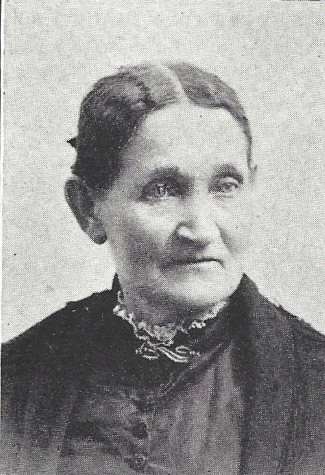
Sarah was born in Kendall, County New York on February 16, 1827. After her father’s death, her mother moved the family to Wisconsin to be near relatives. There, Sarah taught school and lived a comfortable life, meeting Canute in 1845 while on his mission. After joining the LDS Church, she left her home and career to follow him to Illinois as they prepared to migrate west. They married on July 2, 1849, and traveled with the Ezra T. Benson Company to the Salt Lake Valley.
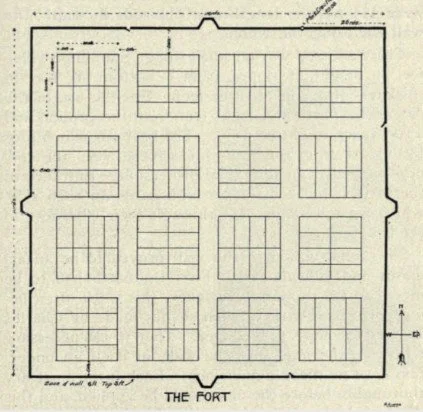
After a year in Salt Lake City, Canute was assigned to help survey a new settlement north of Utah Lake. He assisted in building the fort and brought Sarah and their young son Peter to the new community – soon to be called Lehi – in March 1851. Life in the settlement was harsh, and the couple lost their second child shortly after birth.
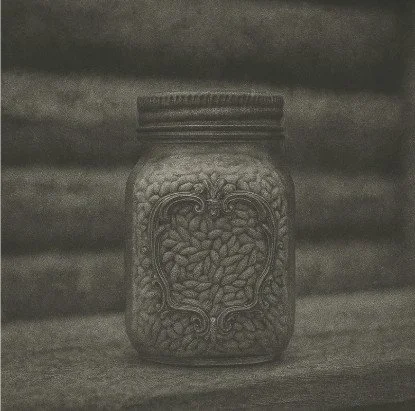
In 1852, Canute was called on a mission to Scandinavia, leaving Sarah – pregnant again – to manage the farm alone. Her struggle to plant crops late in the season led to an unexpected miracle. When grasshoppers devastated the settlement’s fields, Sarah’s wheat survived because it had been planted too deep for the insects to reach. Her harvest of sixty bushels, later known as “Salvation Wheat,” helped feed many families through the winter.
Canute returned from his mission in 1855, bringing with him a company of 260 Norwegian, English, and American converts. As immigrants themselves, the Petersons helped many new families begin their lives in Utah.
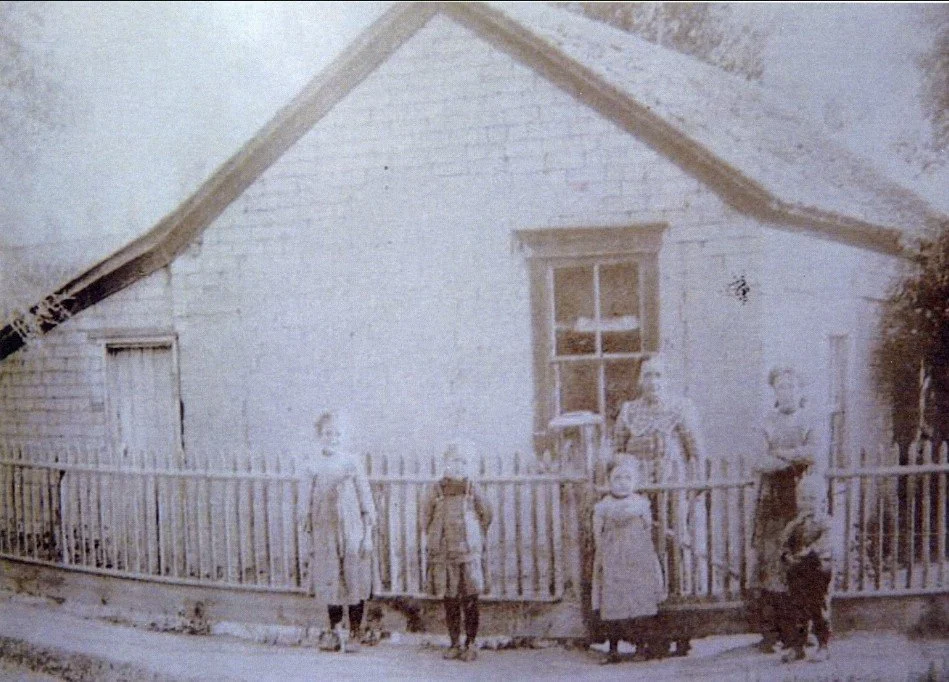
In Lehi, Canute served as a counselor in the Bishopric and helped establish the town’s first tannery. He also supported local education, serving on the Lehi Library Association and School Board. He assisted in building the Southwest (Thurman) School to accommodate the growing number of children in the settlement in 1863.
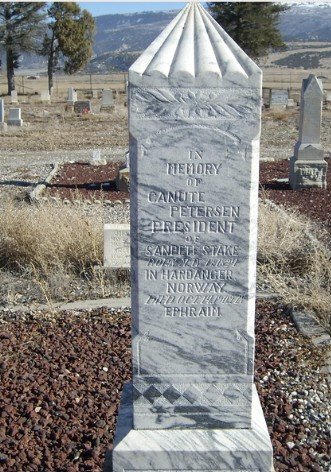
Sarah also contributed to the community’s cultural life. She helped organize the Lehi Gardening Club in 1855, encouraging settlers to plant fruit trees to beautify the town. She planted a black willow slip she brought from New England that grew into one of the most beloved shade trees on Lehi Main Street. After years of service in Lehi, the Petersons were called to lead an LDS congregation in Ephraim in 1867. Canute served as President of the Scandinavian Mission from 1870-72 and returned to Ephraim to serve as President of the Sanpete Stake until his death.
Sarah passed away in 1896, and Canute in 1902. He kept a jar of Sarah’s “Salvation Wheat” with him for the rest of his days - a symbol of faith, sacrifice, and community spirit that defined their lives.
Explore Key Moments in Sarah and Canute’s Lives
-
![]()
May 13, 1824: Canute Peterson
Canute Peterson was born in Eidsfjord, Hardanger, Norway, and emigrated to the United States with the Quakers in 1837 at age thirteen. A year after the family settled in La Salle County Illinois, his father died and his mother fell gravely ill, leaving Canute to support the household. He spent the next five years caring for her and settling his father’s debts. In 1842 he joined the LDS Church, was ordained to leadership in the “Seventy”, and soon served a mission among Norwegian immigrants in Wisconsin form 1844-45.
-
![]()
February 16, 1827: Sarah Ann Nelson
Sarah Ann Nelson was born and raised in Kendall Country, New York. After her father’s untimely death, her family moved West to Wisconsin with other Norwegian immigrants. Sarah Ann served as a school teacher. She met Canute while on his mission in Wisconsin in 1844, who developed a friendly relationship with her family.
-
![]()
1849-1850: Migration to Utah
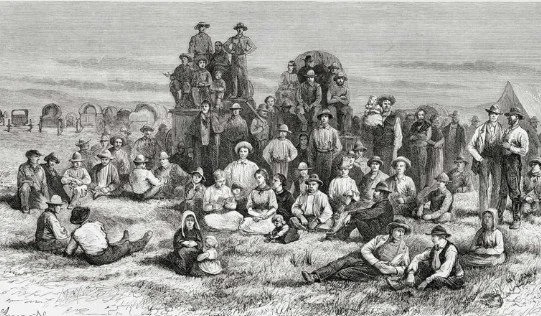
In 1849, Sarah’s family moved to La Salle Country with Canute, where she was baptized into the LDS Church. Sarah joined Canute on the migration to Utah in 1849. The couple were married along the trek through Iowa on July 2, 1849. On July 15, they joined the Ezra T. Benson Company and began the rest of their journey West, reaching the Salt Lake Valley in Fall 1849.
-
![]()
1850-1852: Settling “Evansville”
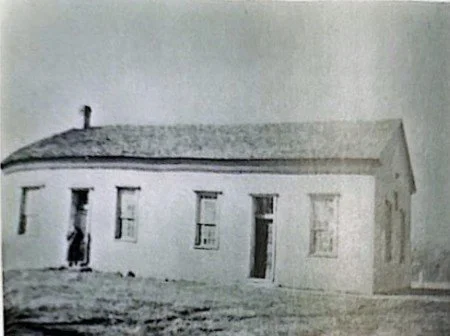
Canute and Sarah did not remain in Salt Lake City for long. In 1850, Canute was called to survey lands north of Utah Lake, settling the Dry Creek area. The settlement was later named “Evansville,” after the Bishop of the local LDS congregation. Canute helped build the first fort, and brought his family, including their first child Peter, in March 1851.
-
![]()
1852-1855: Salvation Wheat
In Fall 1851, Sarah bore a second child, who sadly passed away a couple weeks later. On Aug 28, 1852, Canute was called on a second mission to Scandinavia, leaving Sarah, pregnant again, to plant the year’s crop and care for 2 year old Peter. Sarah planted the crops late, and buried the seeds too deep. When the grasshoppers swept through Lehi’s fields and gardens, threatening the winter food supply, Sarah’s crop was spared. Her patch of wheat produced 60 bushels, and helped feed the local community. Sarah’s “Salvation Wheat” and sacrifice spared many in the early settlement from going hungry.
-
![]()
1855-1870: Lehi’s Immigrant Story
Canute’s mission lasted from 1852-55. When he returned to the US, he led a large company of Norwegian, English, and American converts to Utah. An immigrant himself, Canute helped many new families establish their lives in Utah. In Lehi, Canute helped found the first library, built a school house, opened a tannery, and served in the Bishopric. Sara started Lehi’s first gardening club.
-
![]()
1856-1858: First Murder Case
In 1856, Canute’s first plural wife, Maria Rolfsen, was raped by Jacob Lance. Lance was arrested by Constable James Harwood to await trial. Around 4am that night, a small masked figure in “female attire” entered the holding area and struck Lance with an axe before escaping unidentified. Lance died later that day. Non-LDS District Court Judge John Cradlebaugh sought to prosecute Lance’s killer while also conducting a federal investigation of the Mountain Meadows Massacre. no witnesses would come forward, out of fear of the killer or distain for Cradlebaugh’s investigation, and thus the case faded into obscurity.
-
![]()
1870-1902: Sanpete County
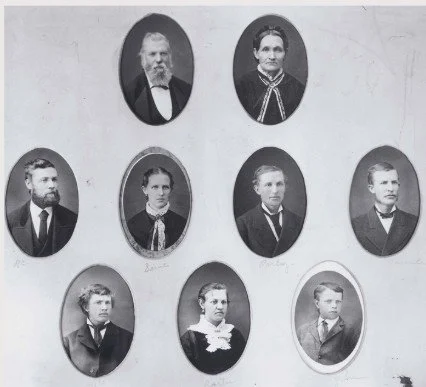
After 10 years in the Lehi Bishopric, Canute was appointed Bishop of the LDS congregation in Ephraim, Utah. In 1870 he was called as the Mission President of the Scandinavian Mission, returning to Ephraim in 1872, where he spent the rest of his life leading the South Sanpete Stake. In that role, he worked to ease tensions with Native Americans and guided the local congregation. Sarah died in 1896, and Canute in 1902, leaving two surviving wives and fifteen grandchildren.
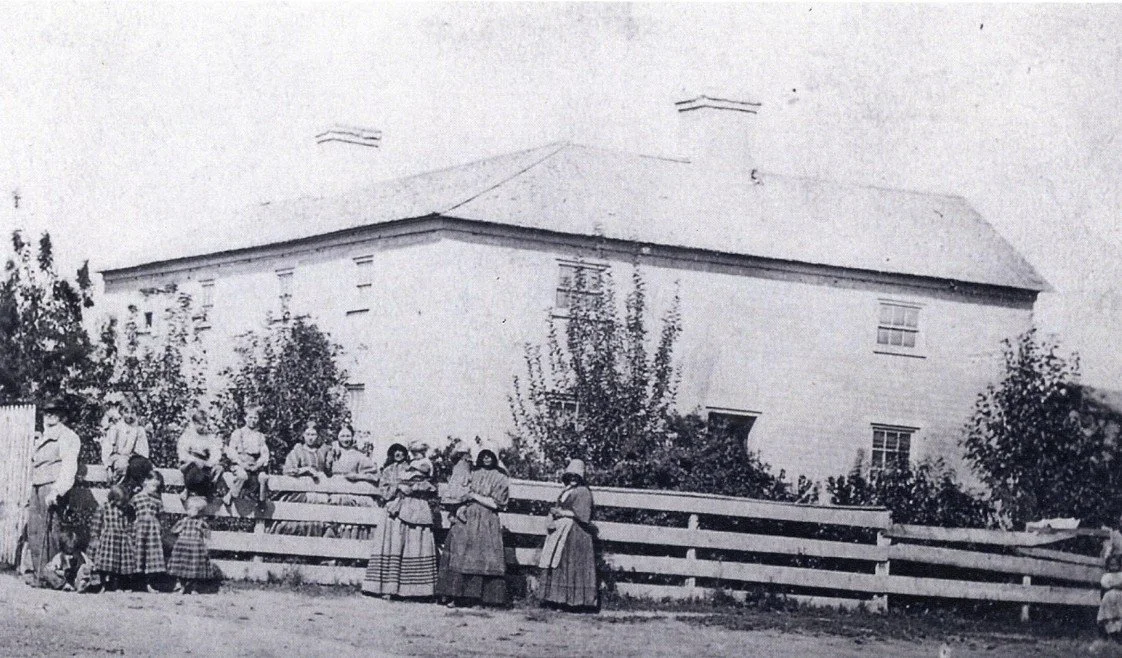
Marker Location
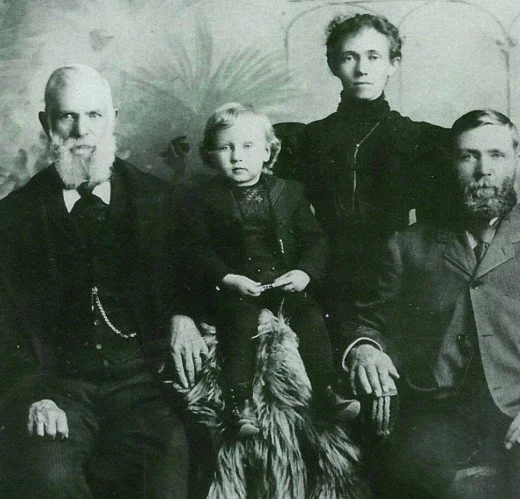
Address
Learn More
Investigate our online archive for more information on Canute and Sarah Peterson

Content Contributors

Lee Anderson, Lehi Historical Society
Brendan Lee, University of Utah
Henry Kuwahara, University of Utah
Kasia May, University of Utah
Support our Mission
Purchase collector marker pins to show your Lehi spirit! Your purchase will support the Lehi Historical Marker Program and the Lehi Historical Society. There are currently 15 pins available in our gift shop
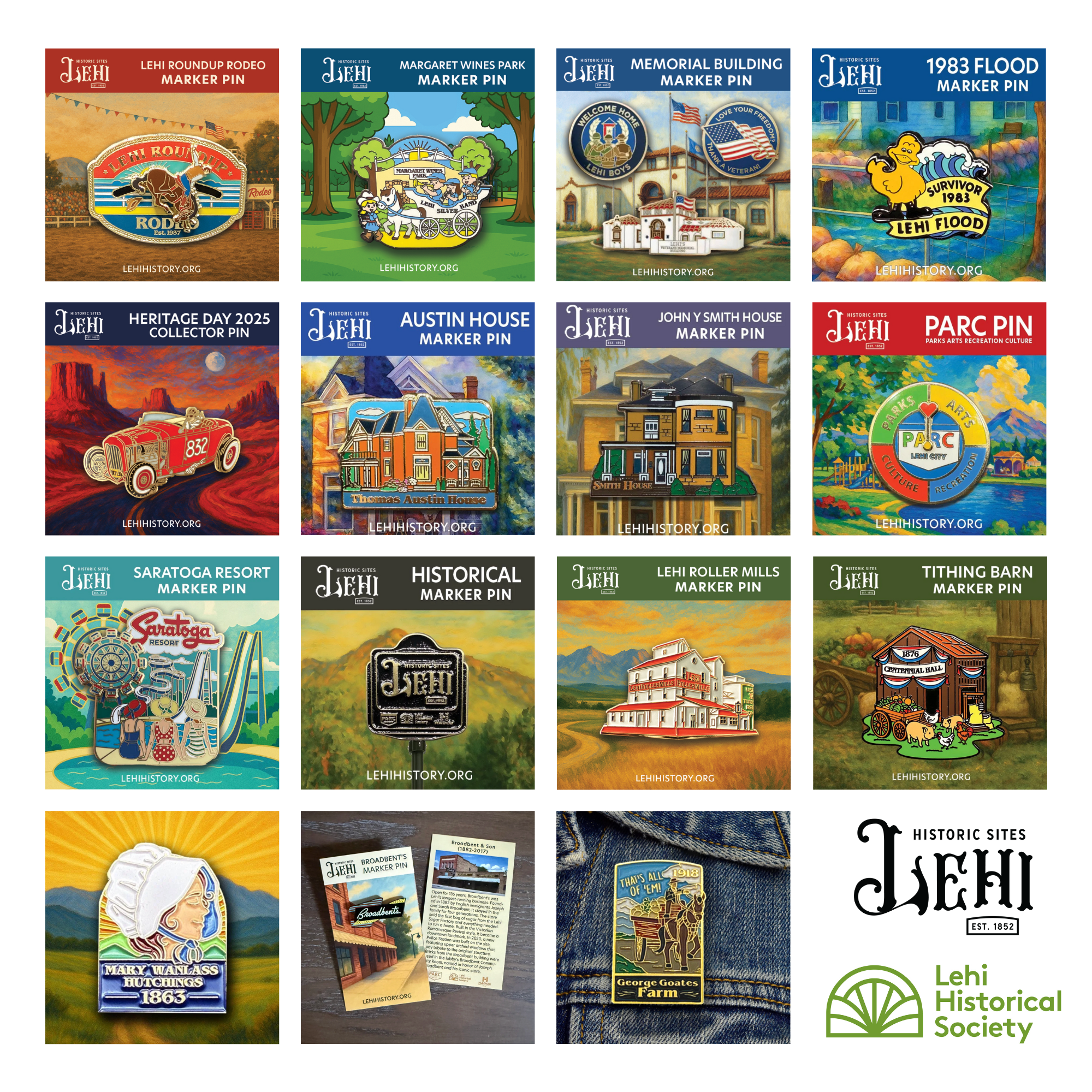
Celebrate Lehi’s history with our complete 15-pin collection. This special bundle includes one of each enamel pin from the Historical Marker Collection.
Pins included in the full set:
• Lehi Roundup Rodeo Marker Pin
• Margaret Wines Park Marker Pin
• Memorial Building Marker Pin
• 1983 Flood Marker Pin
• Heritage Day 2025 Collector Pin
• Austin House Marker Pin
• John Y Smith House Marker Pin
• PARC Pin
• Saratoga Resort Marker Pin
• Historical Marker Pin
• Lehi Roller Mills Marker Pin
• Tithing Barn Marker Pin
• Mary Wanlass Hutchings 1863 Pin
• Broadbent’s Marker Pin
• George Goates Farm Marker Pin
Each pin reflects a real story from Lehi’s past. Landmarks, founders, the rodeo, community legends, floods, and the places that shaped our city. This full set brings together every marker design in one place. It is perfect for collectors, teachers, longtime Lehi families, newcomers wanting to learn the stories behind our city, or anyone looking for a meaningful gift that supports local history.
Take home the complete collection and own 15 pieces of Lehi’s story.

Celebrate one of Utah’s most iconic landmarks with this beautifully crafted Historical Marker collector pin. Featuring the historic Lehi Roller Mills in striking detail, this enamel pin captures the distinctive architecture and nostalgic charm of the century-old mill, known for its role in Footloose and its deep roots in Lehi’s agricultural heritage.
Premium soft enamel with gold-toned metal
Accurate architectural rendering of the Roller Mills
Measures 2 in wide
Double-post backing with secure rubber covers for added stability
Perfect for collectors, history lovers, and proud Lehi locals
A timeless keepsake honoring the heart of Lehi’s past.
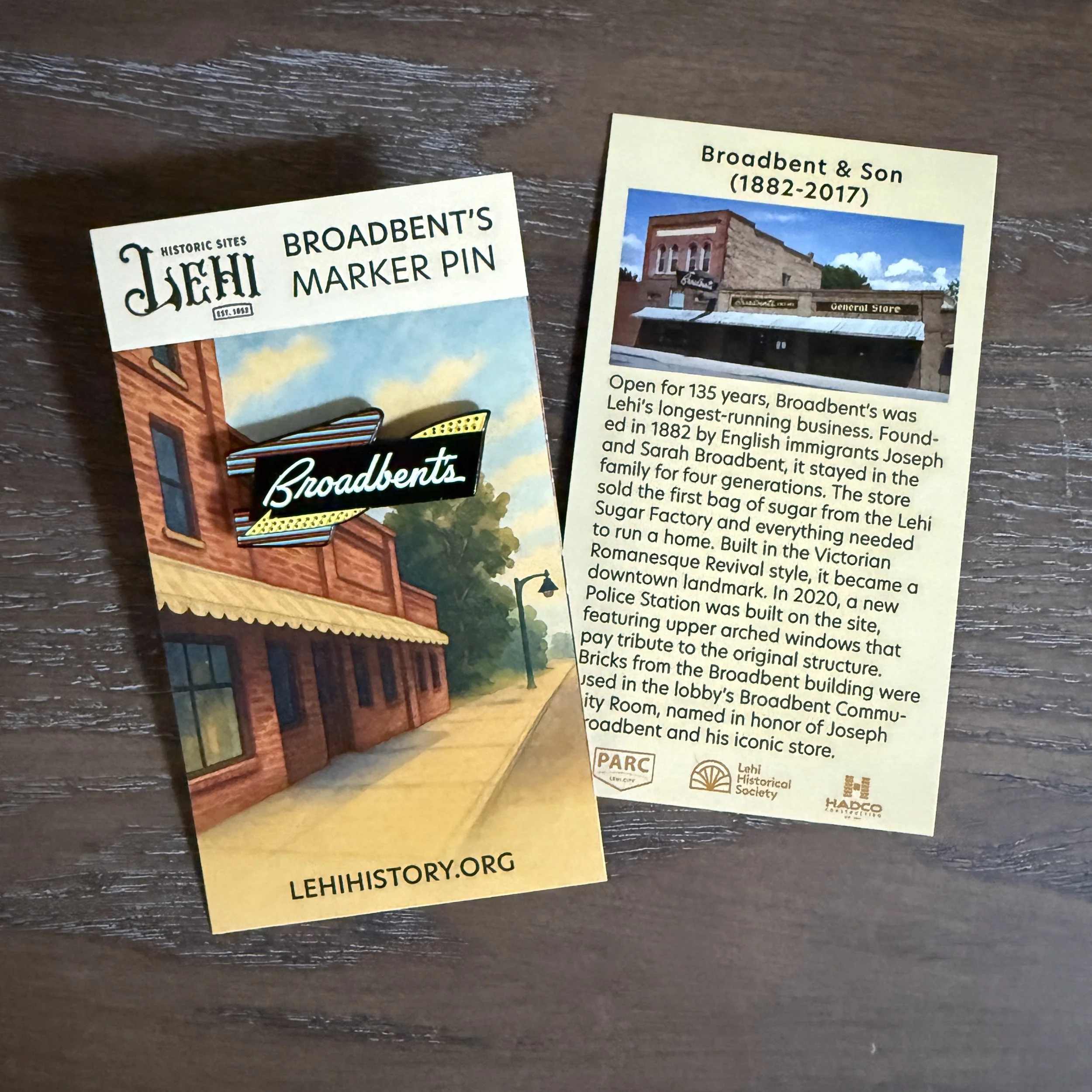
Celebrate a Lehi icon with this Historical Marker collector pin honoring Broadbent’s Store, the longest-running business in Lehi’s history and a cornerstone of the community for 135 years.
Soft enamel with black dyed metal plating
Features the vintage neon Broadbent’s sign installed in 1954
Measures 1.25 inches in length
Single-post backing with secure rubber cover
Perfect for collectors, history lovers, and proud Lehi locals
Founded in 1882 by English immigrants Joseph and Sarah Broadbent, the store was passed down through four generations and became known for offering everything from dry goods to fine fabrics. It sold the first bag of sugar produced by the Lehi Sugar Factory and served as a trusted hub for generations of families. The iconic neon sign, featured in this pin, hung proudly from 1954 until the store’s closing in 2017. Today, the arched windows of the Lehi Police Department pay tribute to the building that once stood in its place.
A nostalgic keepsake celebrating a legacy of service, family, and small-town pride.