
Lehi Historical Marker Program


The Lehi Historical Society’s most recent and grandest effort to share Lehi’s history is in the works with the Lehi Historical Marker Program, which is funded by Lehi’s PARC Program and HADCO Construction. Thirty-six large historical markers are to be placed around Lehi to teach visitor and resident alike about Lehi’s remarkable past.
Marker Locations
-

Broadbent & Son
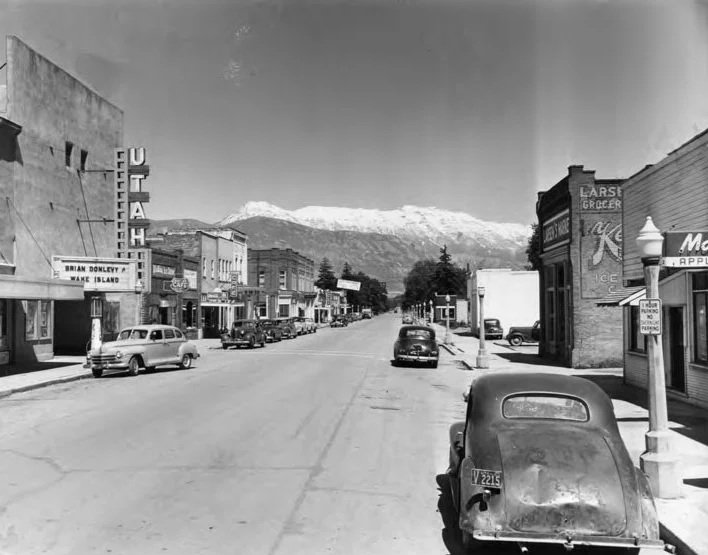
Founded by English immigrants Joseph and Sarah Broadbent, the mercantile was run by four generations. Open for 135 years, no Lehi business operated longer. It sold the first bag of sugar produced by the Lehi Sugar Factory and everything needed to run a home. The Police Department’s upper arched windows pay tribute to the once-iconic Lehi structure.
-
Carter Airport
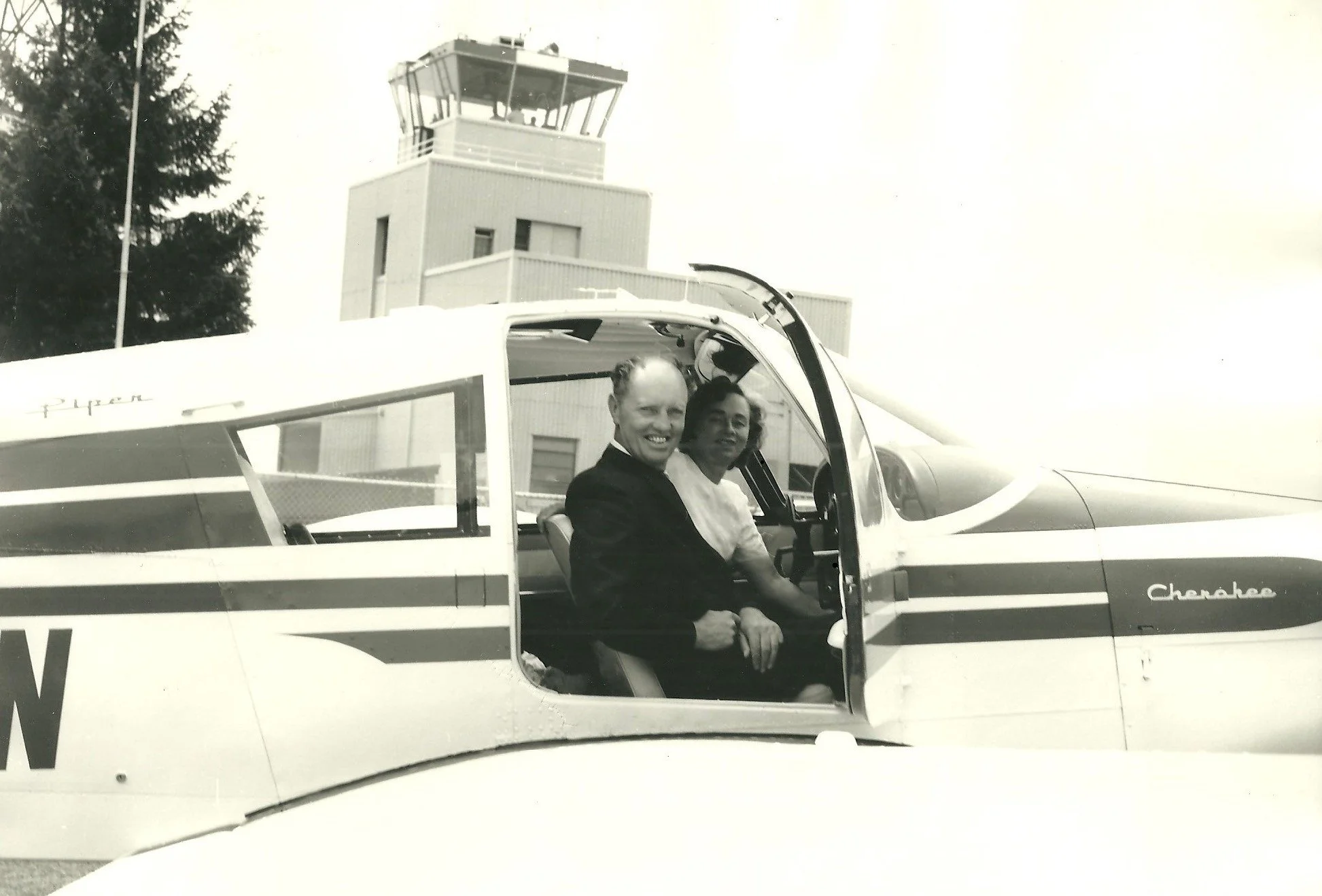
Carter Airport was built for flight instruction, but it also offered air taxi service and sightseeing flights. Owned and operated by aviation pioneers Vern J. and Jessie E. Carter, it was one of three airports the couple developed and a hub for pilot education. A true team, Vern taught hundreds of students while Jessie managed ground school operations.
-
Christian and Sarah O. Knudsen House
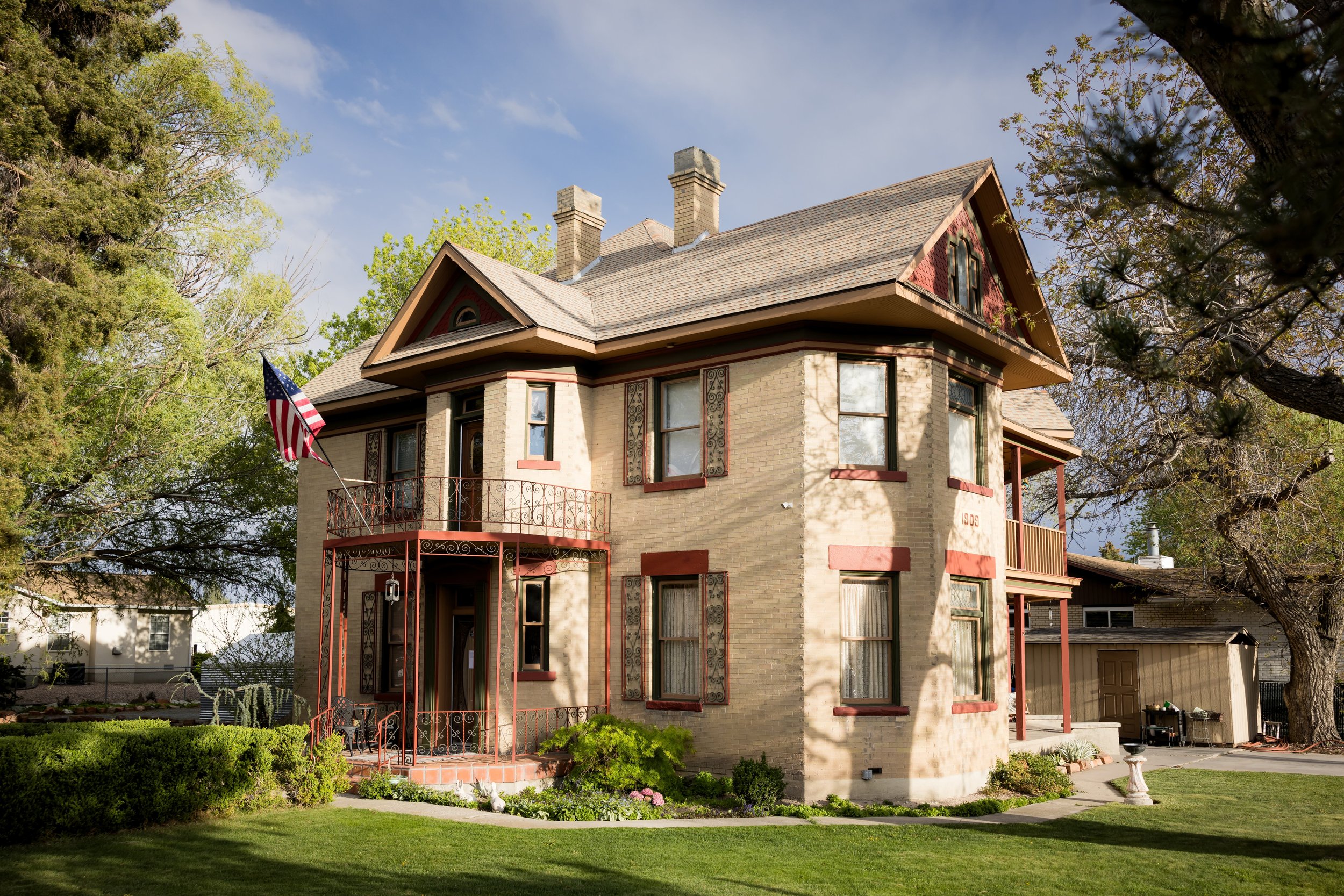
This Victorian Eclectic beauty with matching bay windows and a two-story wraparound porch was built for the Knudsen family and reflects early 20th-century craftsmanship. Christian Knudsen (1856–1926), a Norwegian convert to The Church of Jesus Christ of Latter-day Saints, was a Lehi rancher known for his church service and philanthropy.
-
Flood of 1983
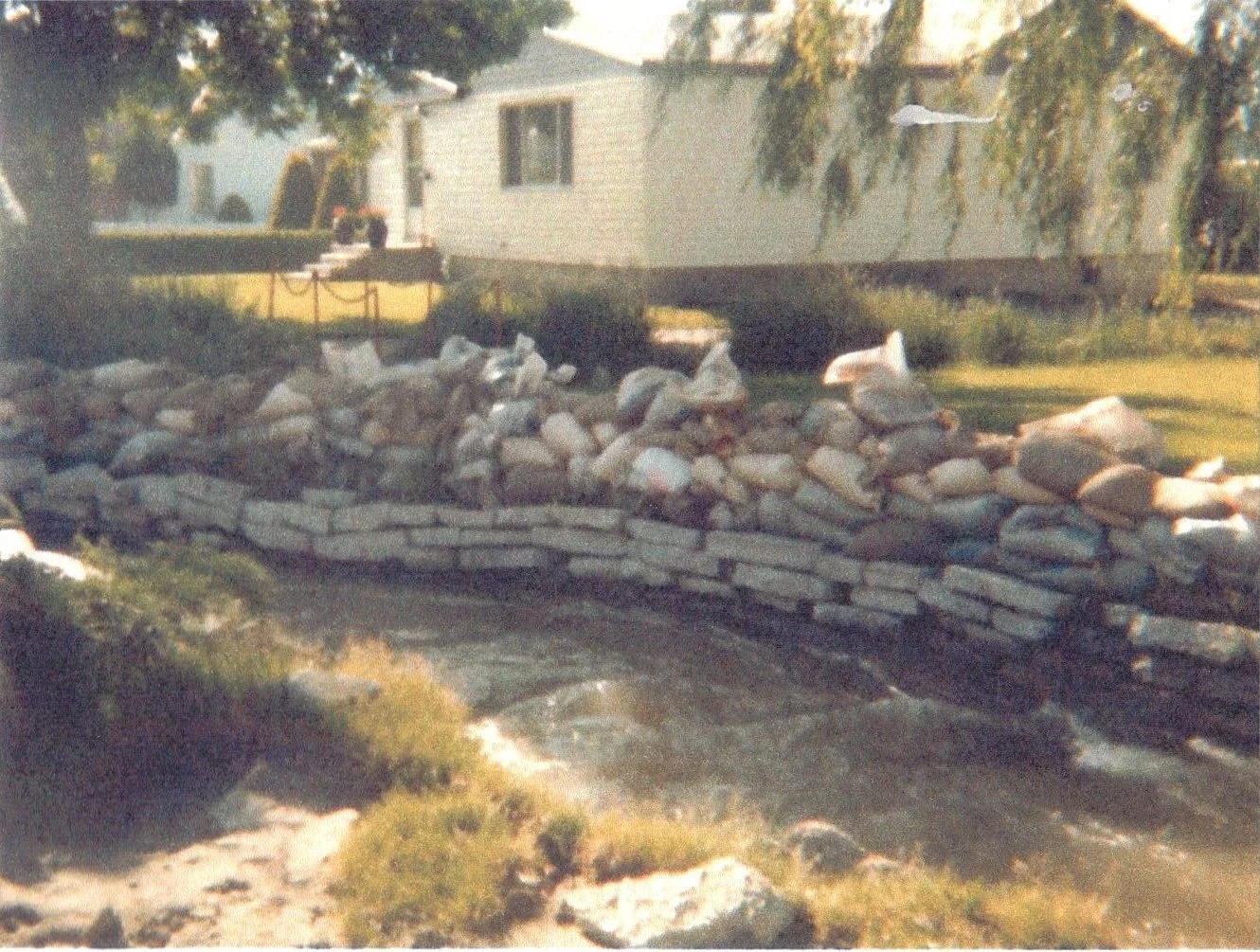
May’s warm temperatures unleashed a torrent of mountain runoff through Lehi’s Dry Creek. This low-lying area was among the hardest hit. The community united in a remarkable display of teamwork. Sunday church services were dismissed to prepare. For days, residents filled and placed sandbags, cleared debris and patrolled for breaches. Thus, many homes were saved.
-
George Goates Farm
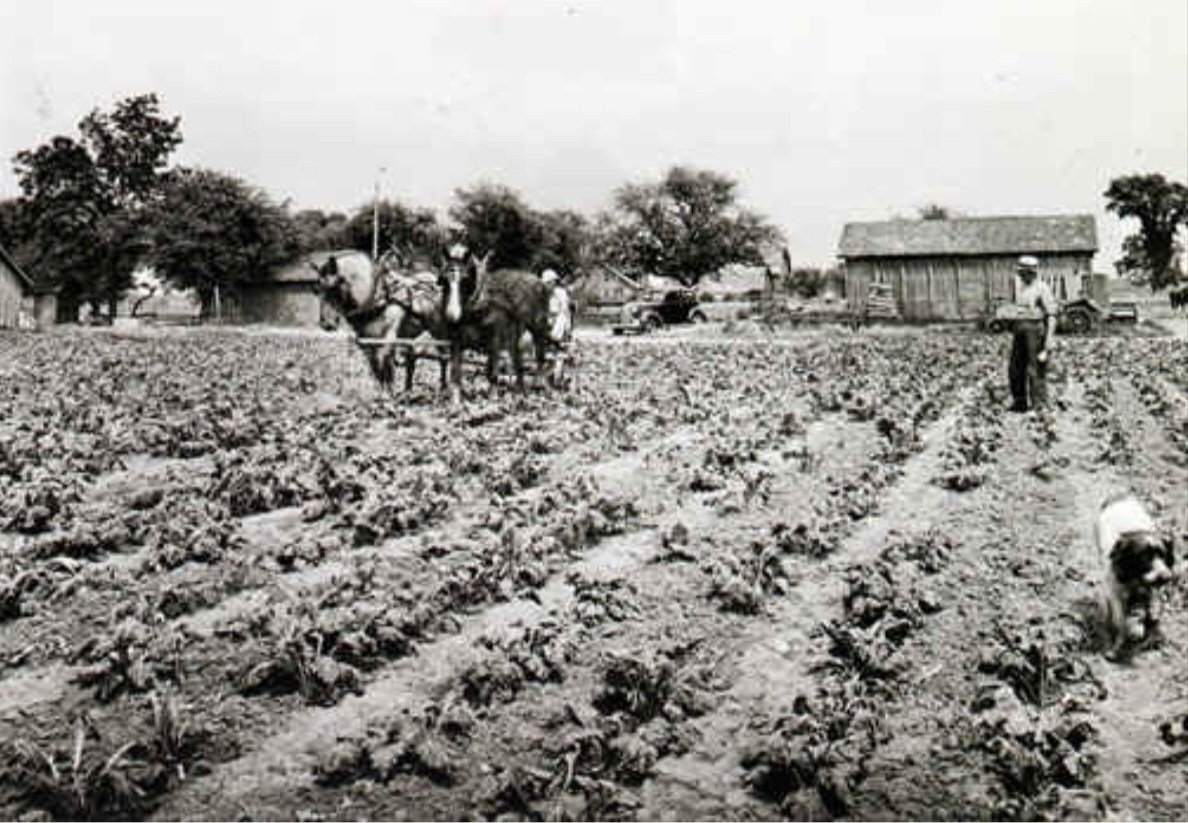
During the 1918 flu pandemic, George Goates (1864-1939) was unable to harvest his sugar beets when his son and three grandchildren tragically died. After building coffins and burying them, he returned to his fields. George discovered, to his great relief, many Lehi men had worked together to harvest his crop, extending a helping hand in his darkest hour.
-
How Lehi Got Its Name
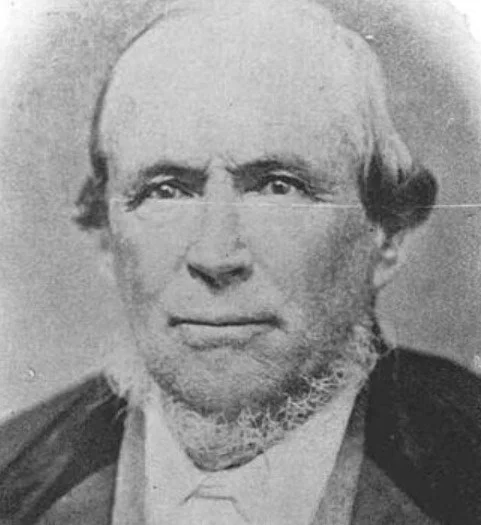
On Feb. 5, 1852, Lehi became the sixth city incorporated in the Territory of Utah. The town was briefly called Evansville for David Evans, the city’s first bishop of The Church of Jesus Christ of Latter-day Saints. Local tradition says Evans instead proposed the name “Lehi,” after the Book of Mormon prophet who, like the pioneers, moved many times in search of a promised land.
-
John Y. Smith House
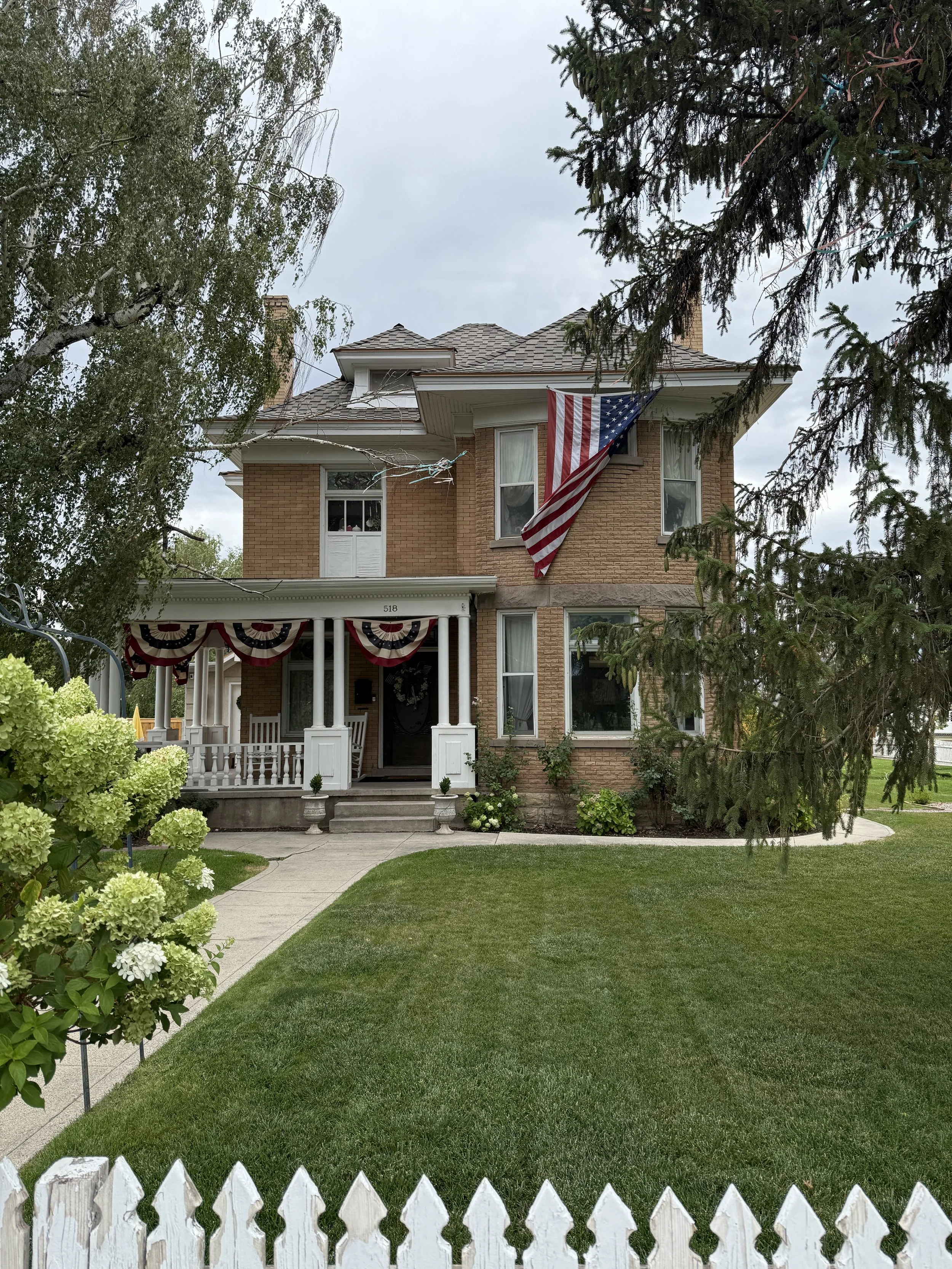
This Victorian gem reflects Lehi’s past prosperity. Built by John Smith (1872-1953) and his wife, Emerette Cutler (1871-1961), it was located near her parents’ Cutler Mansion and in the thriving railroad district. Smith was an ambitious businessman, Lehi Silver Band director and Utah state senator. In 1914, Lehi’s first hospital briefly operated here.
-

Jordan River Bridge
The Jordan River was a natural boundary preventing livestock and people from traveling westward. Through the years, multiple bridges were constructed, and all were dangerous for autos, animals and often teenagers. Lehi’s first city ordinance, passed on July 8, 1853, regulated tolls for the bridges. This is the last of those “old iron bridges.”
-
Lehi Roller Mills
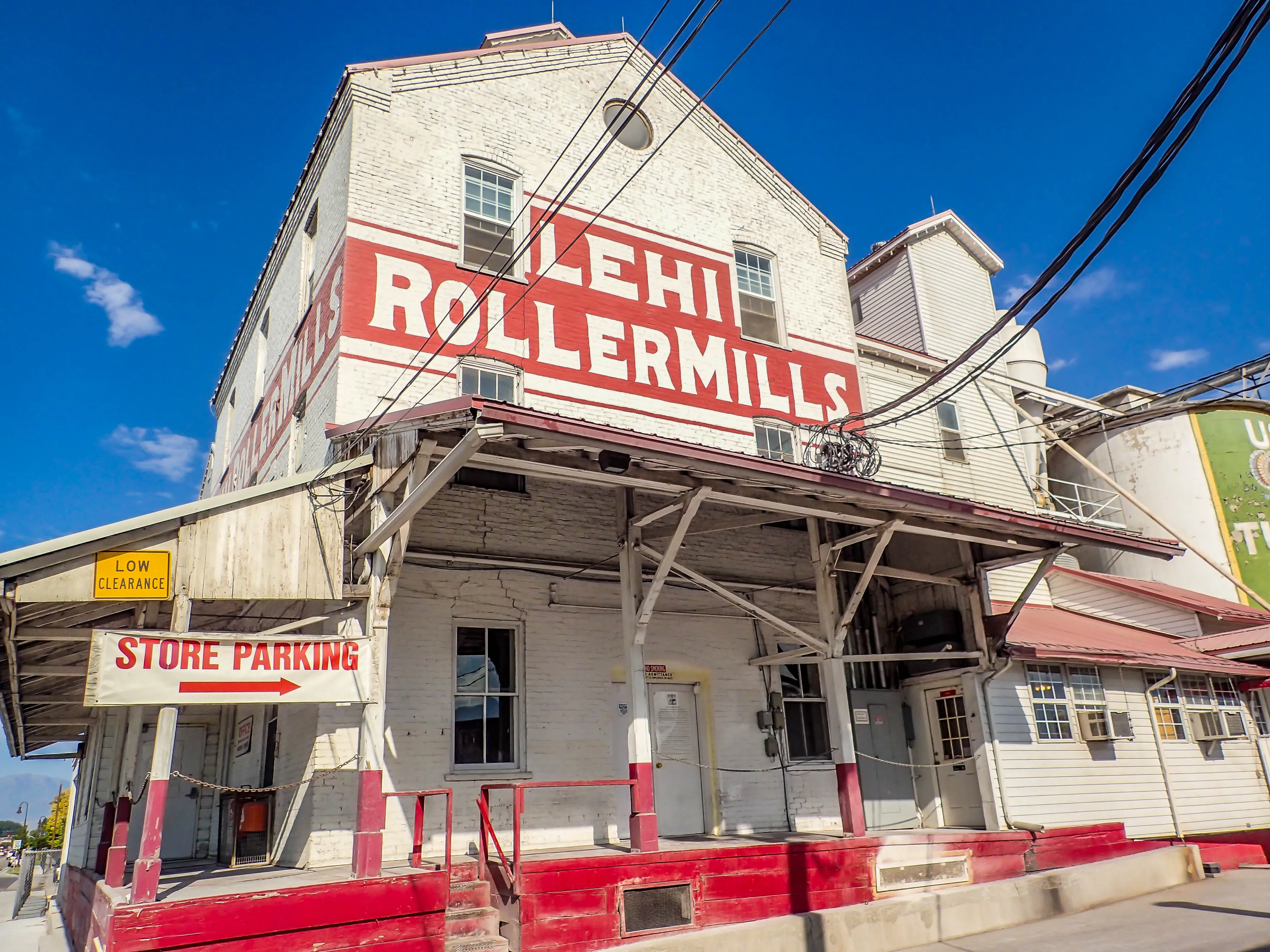
Conveniently located on the Lehi Sugar Factory line of the Union Pacific Railroad, it produced the first sack of flour on Apr. 2, 1906. The mill was an immediate success. Known for its superior flour, the Turkey Red and Peacock brands are longstanding Lehi icons. The mill achieved worldwide acclaim when featured in the 1984 hit movie, “Footloose.”
-
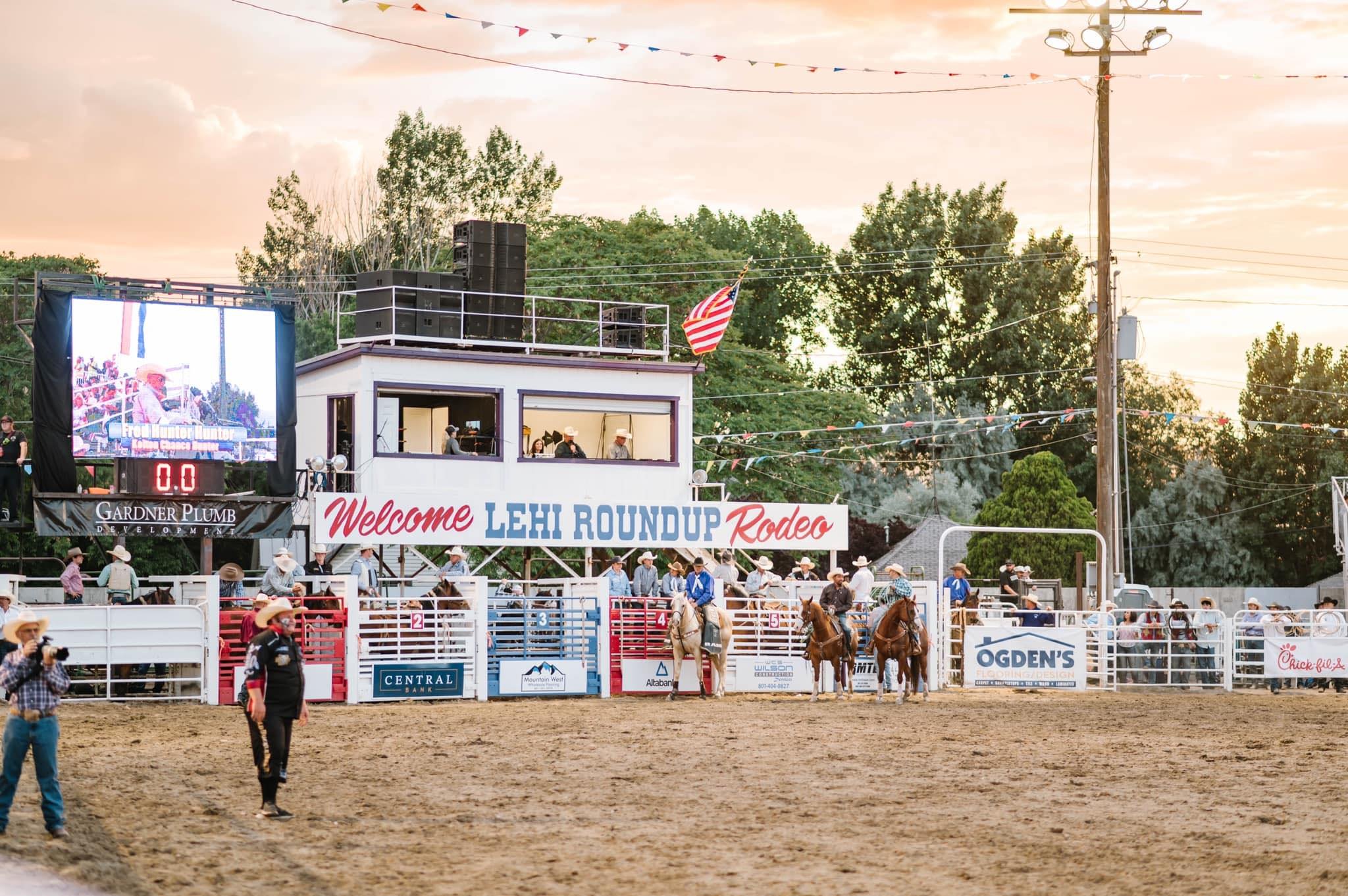
Lehi Round-Up Rodeo
Since 1937, Lehi’s beloved PRCA rodeo has consistently delivered exciting entertainment. Showcasing the finest livestock, participants, stock parades, dirt dances and the renowned “Rodeo Burger,” this Lehi tradition does not disappoint. Thanks to volunteer staff, all proceeds are invested back into the community. This site hosted its first rodeo in 1921.
-
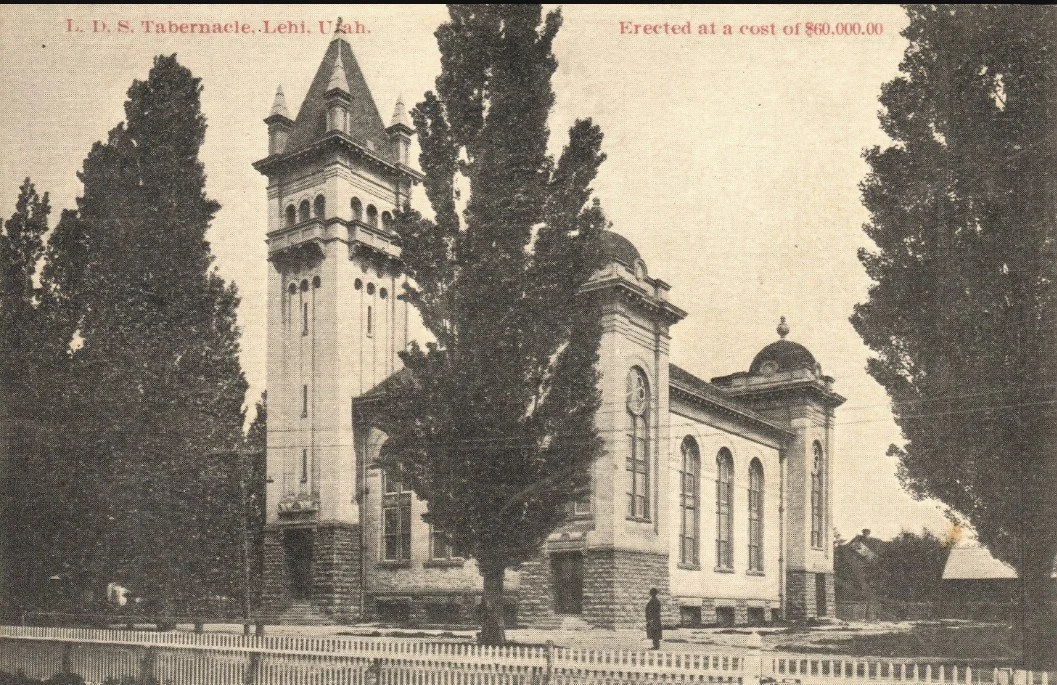
Lehi Tabernacle
The Church of Jesus Christ of Latter-day Saints
(1905-1962)The magnificent, white meetinghouse could be seen from almost anywhere in north Utah County. Designed by Utah State Capitol architect Richard Kletting, it stood as a testament to Lehi’s religious and civic life. Labor and funds were donated by residents, and a children’s “nickel fund” paid for the cornerstone.
-

Mary Wanlass Hutchings
In 1862, 14-year-old Mary led her four siblings and bedridden father to Utah. Separated from their wagon train in Iowa, Mary relied on the Lord and the help of friendly Native Americans. The family arrived unscathed and spent its first winter in a dugout home here. Mary became the mother of John Hutchings, founder of the Hutchings Museum.
-
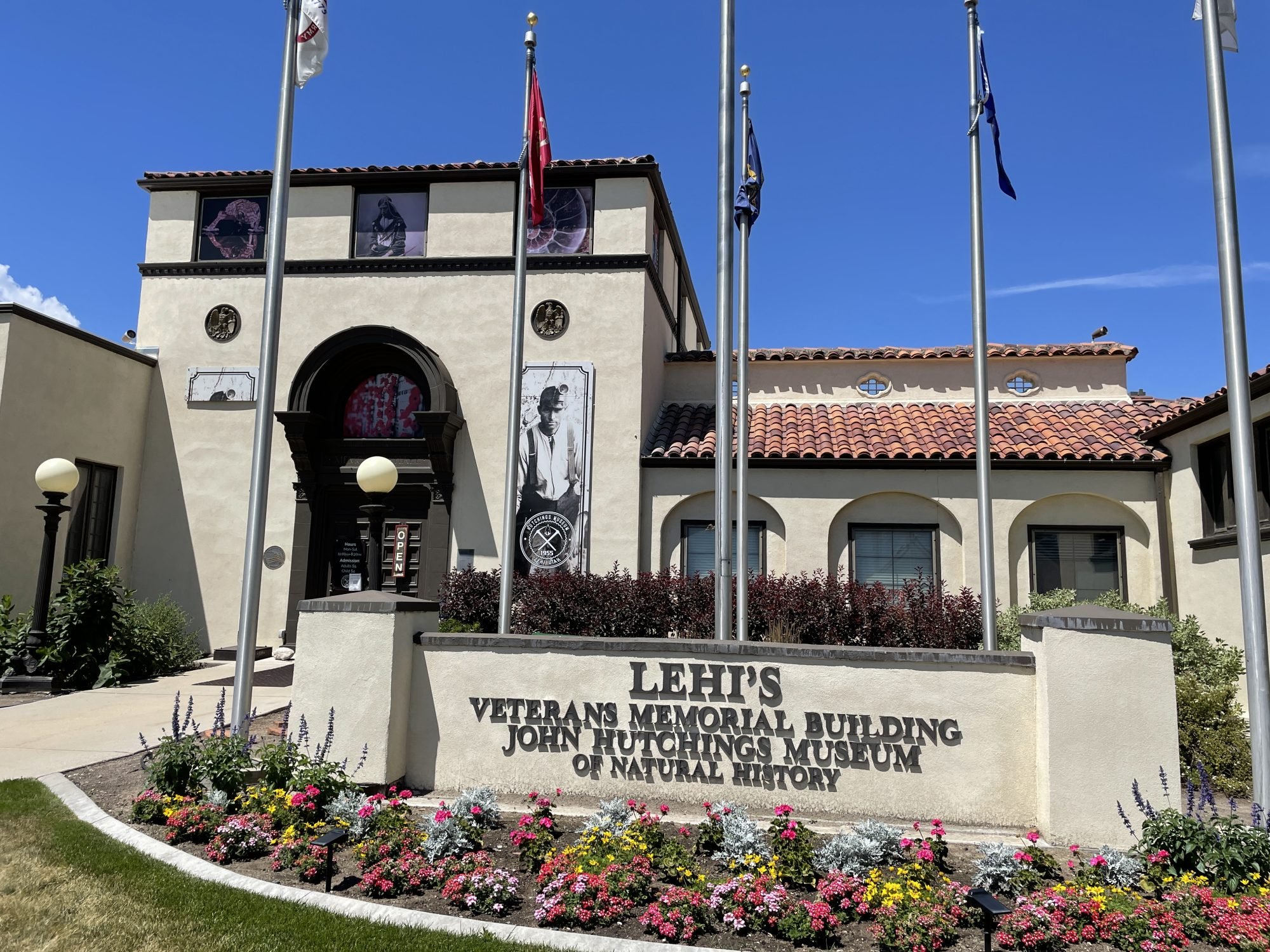
Memorial Building
Dedicated on May 31, 1926, it was the first municipal building in the U.S. erected to honor veterans of WWI. Bronze tablets bear the names of Lehi’s servicemen and servicewomen. Home to American Legion Post 19, it has housed a library, jail, city hall and fire station as well as hosted numerous community events. The Hutchings Museum has occupied it since 1996.
-
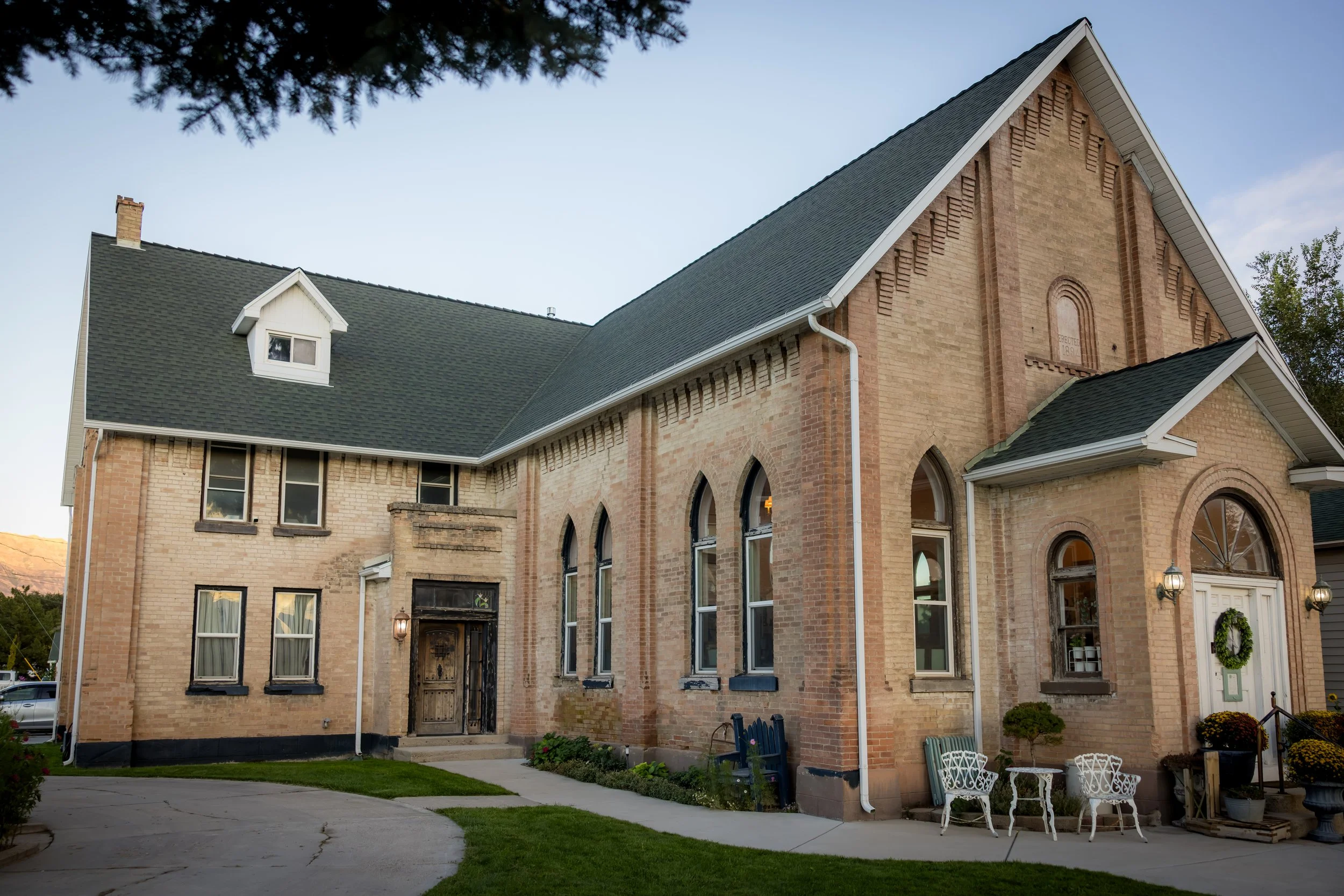
North Branch Meetinghouse of The Church of Jesus Christ of Latter-day Saints
Built in 1894 near Lehi Junction, this Victorian Gothic chapel with arched windows served railroad workers and families in west Lehi. It features stone from the Lake Mountains and housed Lehi’s Third Ward from 1903 to 1953. Beyond worship services, the building hosted weddings, funerals and other social gatherings.
-
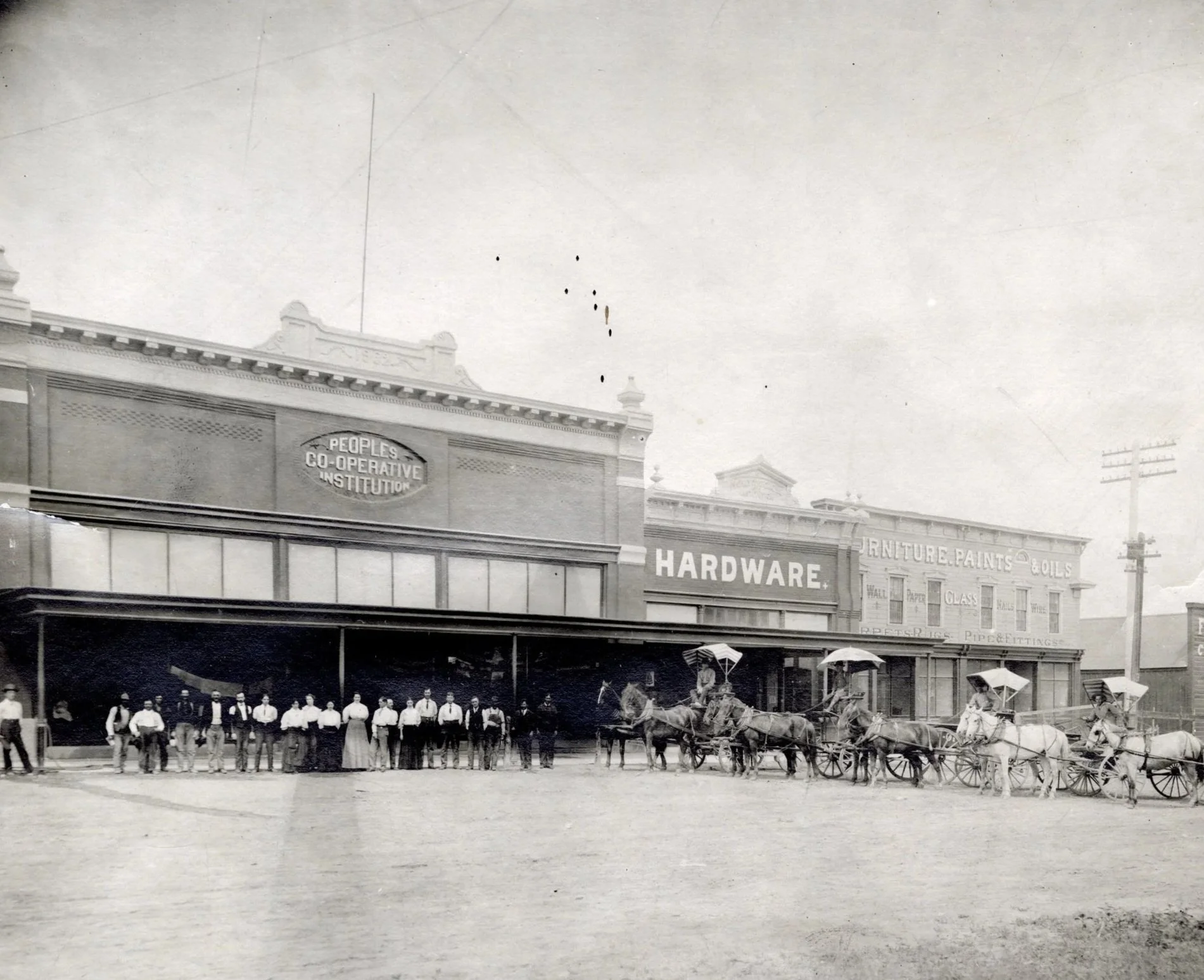
People's Co-op
Formed to profit from the industry brought by the Utah Southern Railroad, the co-op became Lehi’s largest mercantile and among the first with electricity, sidewalks and telephone service. Built in 1903, this 22,000-square-foot structure anchored a network of businesses, including a lumber yard, blacksmith shop, hotel, drugstore and theater.
-
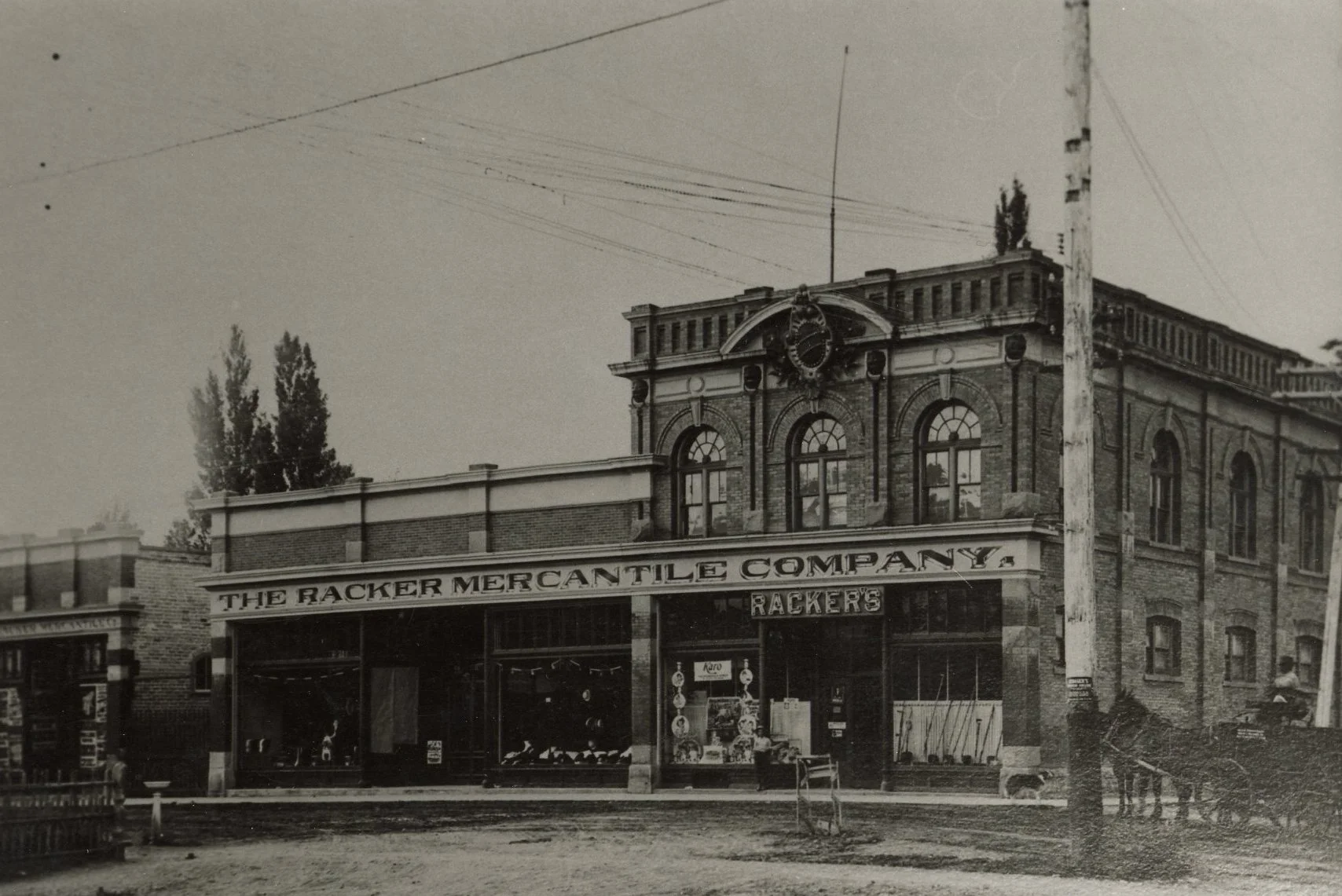
Racker Mercantile and Lehi Union Exchange
This historic Main Street site was first home to the Lehi Union Exchange, a pioneering cooperative that helped inspire ZCMI and later became Racker Mercantile, one of downtown Lehi's most enduring business landmarks. Together, these two chapters celebrate the entrepreneurial vision, cooperation, and community spirit that helped shape Lehi.
-
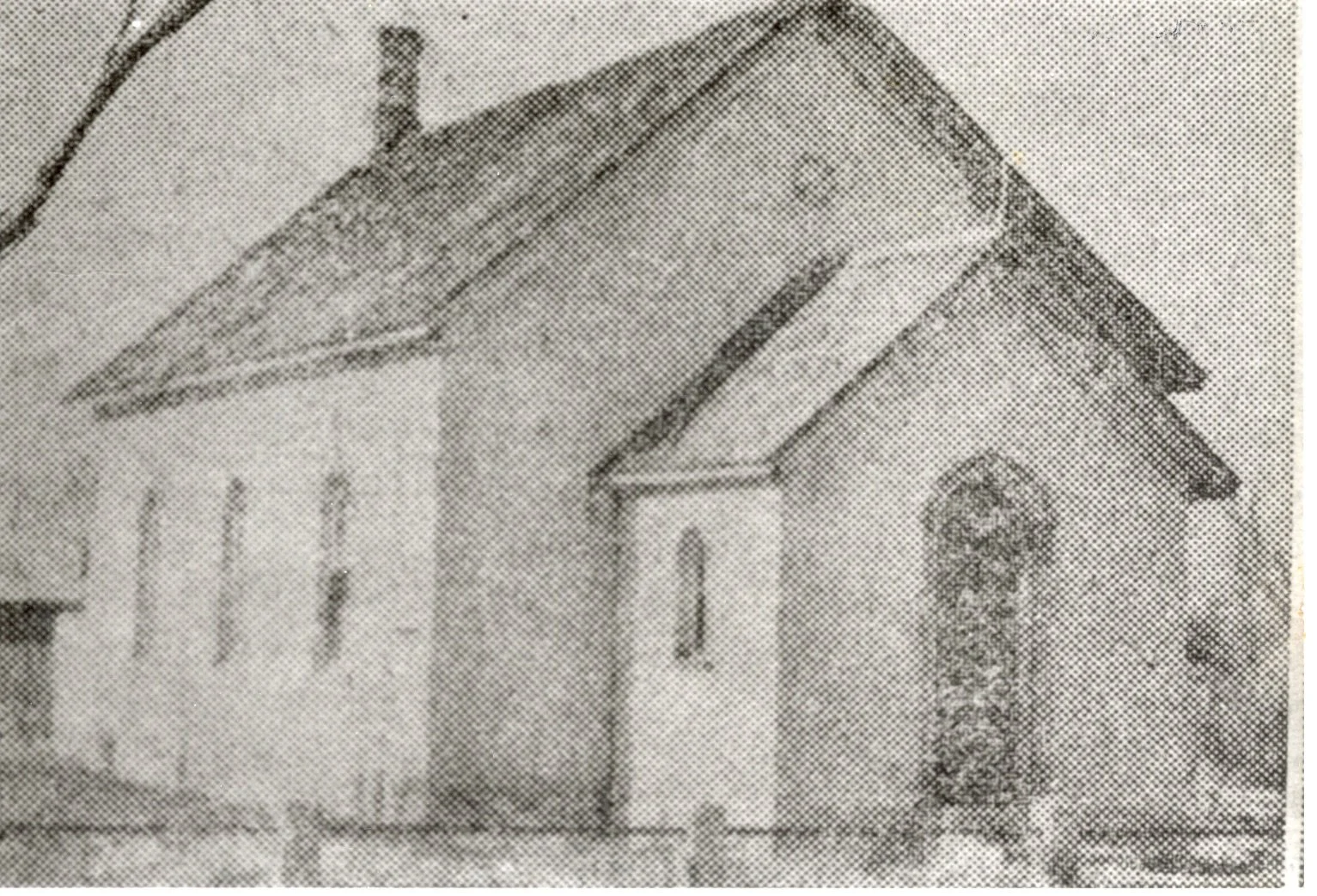
Relief Society Hall
Women of The Church of Jesus Christ of Latter-day Saints were devoted to increasing faith, strengthening families and providing relief to those in need. To further this extraordinary work, Lehi sisters raised funds to build this hall where they held meetings, sold goods, built a granary and planted mulberry trees to support the Church’s silk industry.
-
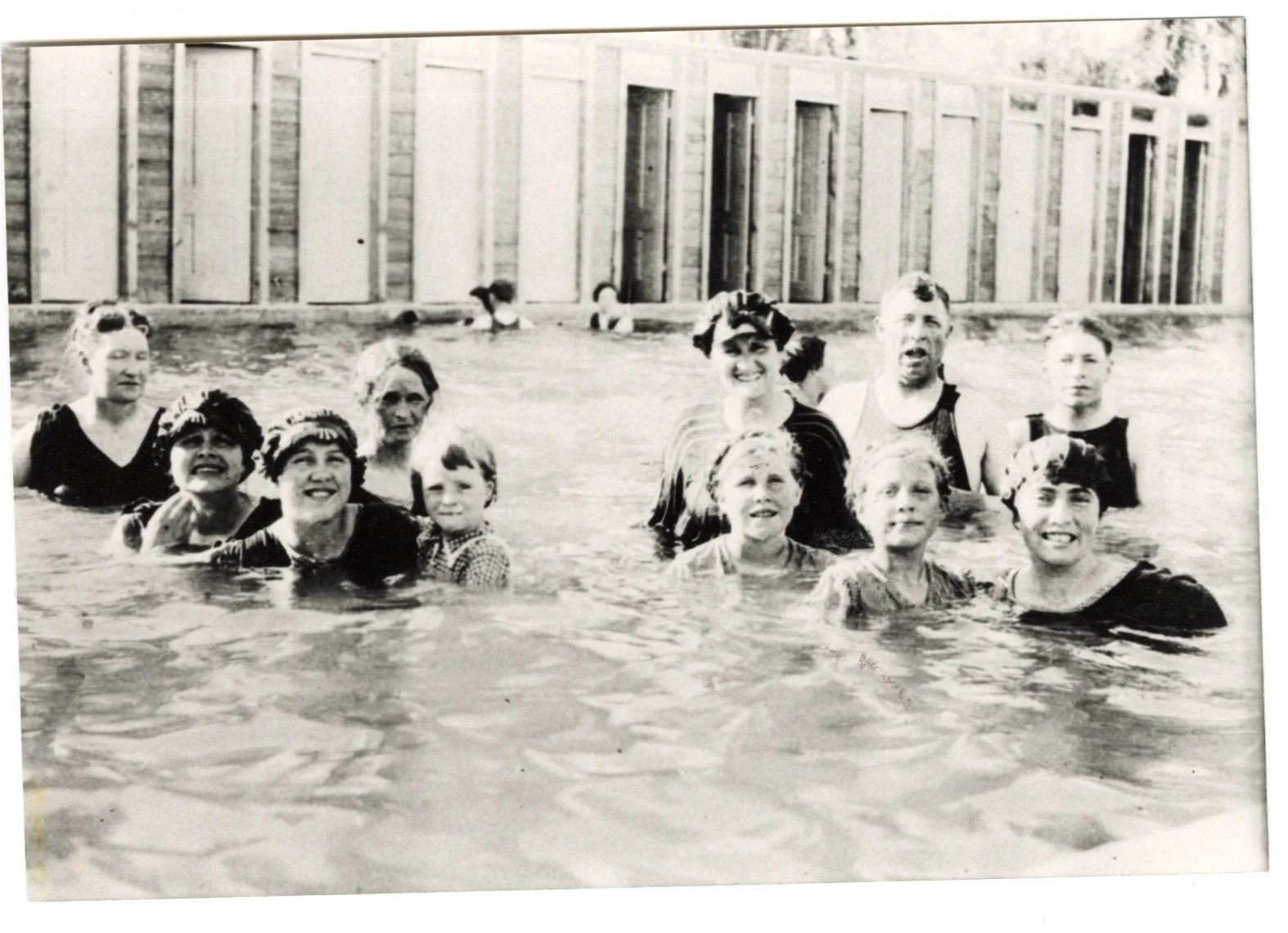
Saratoga Resort
The home of Utah mining tycoon John Beck (1843-1914) stood here. With grand visions inspired by New York’s Saratoga Resort, Beck acquired lakefront property with natural hot springs in 1884 to establish Lehi’s wildly popular Saratoga Resort. Until 1993, the endeavor attracted crowds with its vibrant ambiance, dances, concerts, pools, carnival rides and games.
-

Thomas R. Cutler Mansion
In 1901, the Lehi Banner declared this home the “finest residence south of Salt Lake.” T. R. Cutler (1844-1922) is credited with much of the success of the beet sugar industry in the Intermountain West. Later, the home served as a hotel. From 1914-1925, Dr. F. D. Worlton (1882-1931) and family lived on the main floor while he ran a hospital upstairs.
-
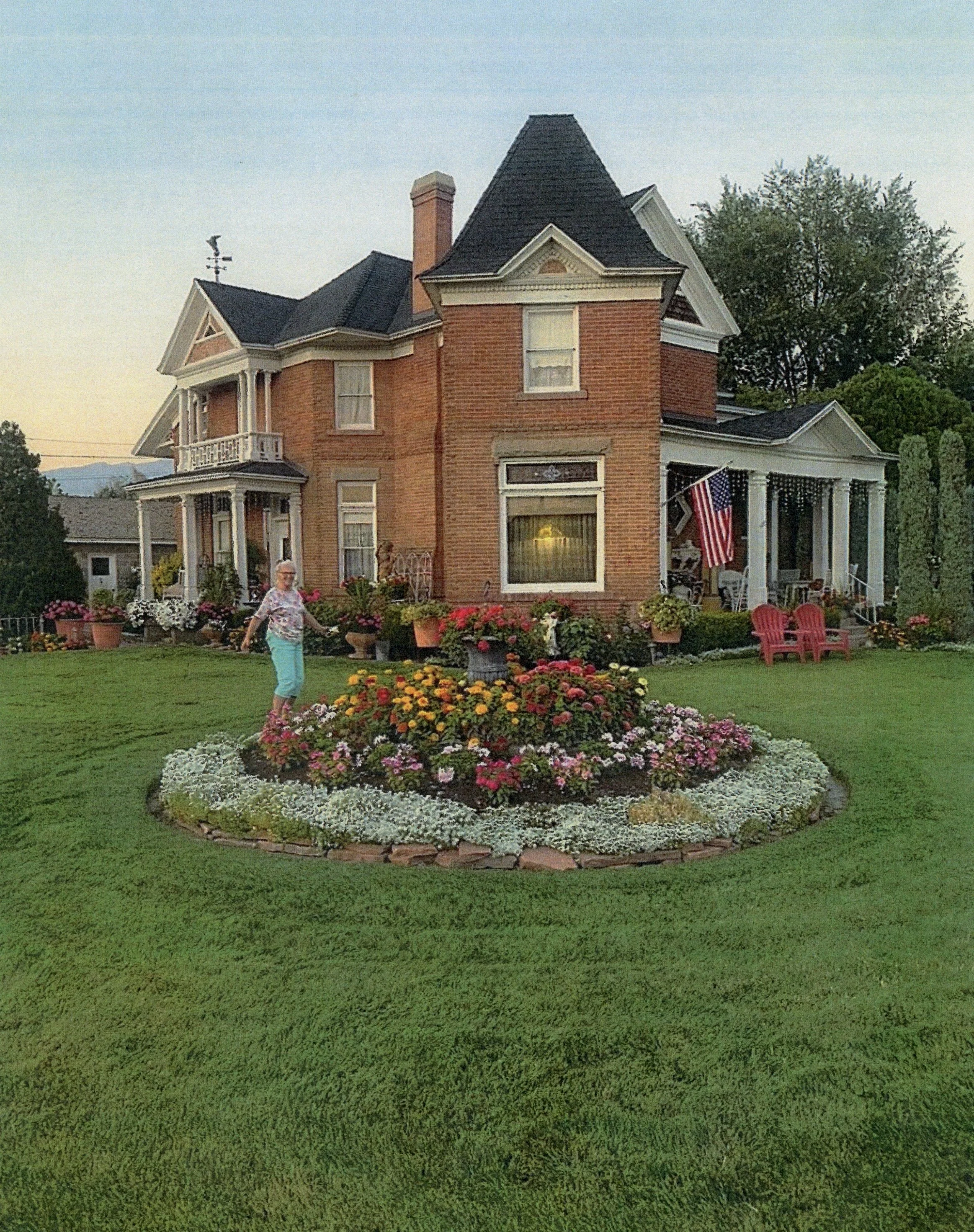
Thomas Austin Home
This home is an excellent example of Victorian architecture in Utah. It is visually complex, purposely asymmetrical and highly eclectic in design and decoration. Thomas Austin (1865-1923), one of Lehi’s most successful sheep and cattle ranchers, built the elaborate home for his wife, Mary Eleanor Thomas (1868-1953), and their large family.
-
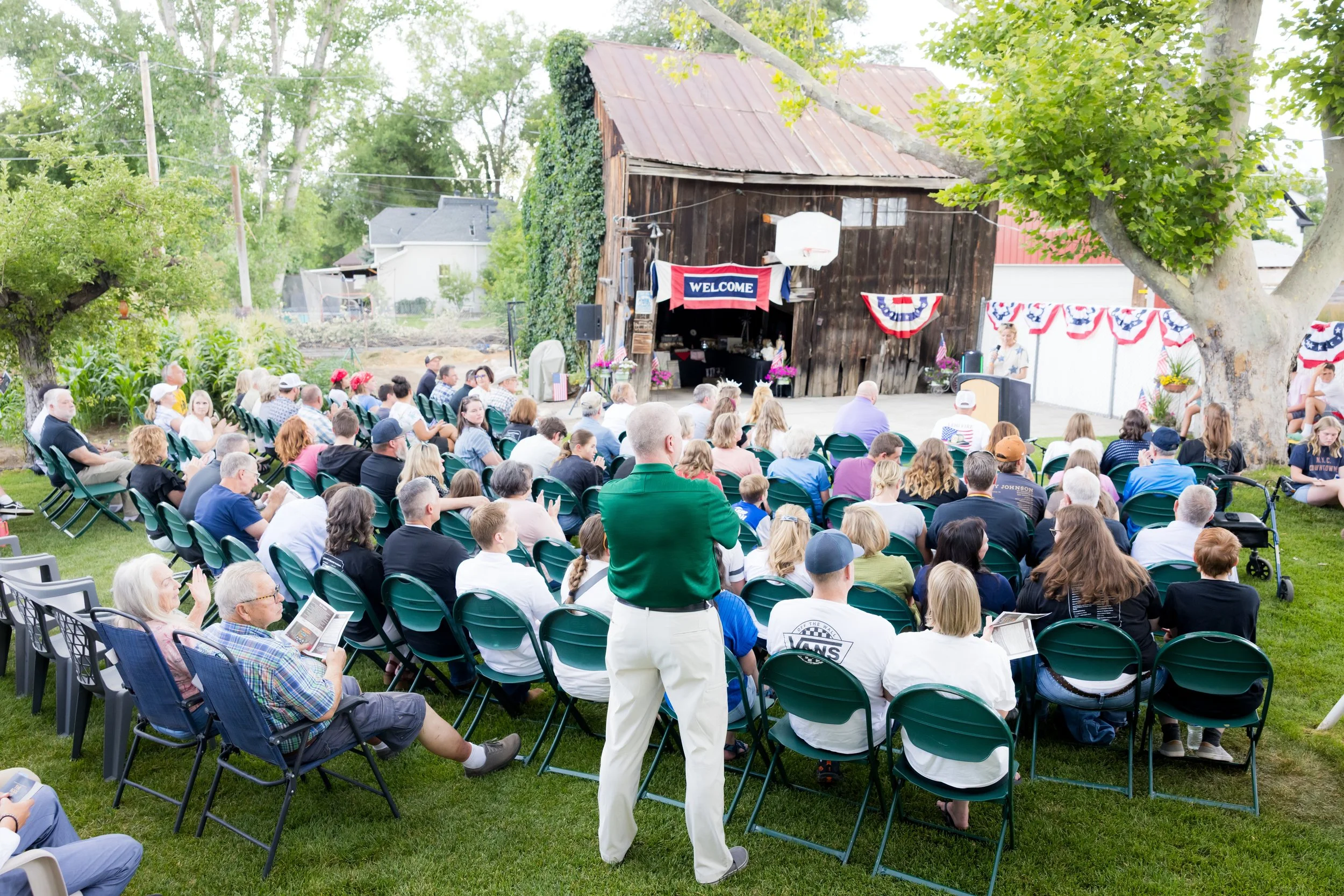
Tithing Barn
This barn is a remnant of the Lehi Ward’s tithing yard. The barn, corrals, stables and granary stored in-kind tithing donations of early members of The Church of Jesus Christ of Latter-day Saints. For security, the yard was located near the home of T. R. Cutler, who served 24 years as bishop. In 1876, the barn hosted Lehi’s U.S. Centennial celebration.
-

Utah Southern Railroad
On Sept. 27, 1872, the first train chugged into Lehi to a cheering crowd and lively band. For the first time, many saw a steam locomotive with its shrieking whistle and blunderbuss smokestack. Days later, a train carrying 1,300 people to Salt Lake City could not make the steep grade of the Point of the Mountain, and passengers had to get out to push.
-

Wines Park
In 1908, prominent Lehi businessman and former Pony Express rider, Ira D. Wines, donated 3.5-acres for this park to honor his late wife, Margaret. Centrally located, the park has hosted countless reunions, concerts, picnics, carnivals and chuckwagon breakfasts. Citizens have gathered here for decades for the start of Lehi’s famous Stock, Miniature and Grand parades.
-
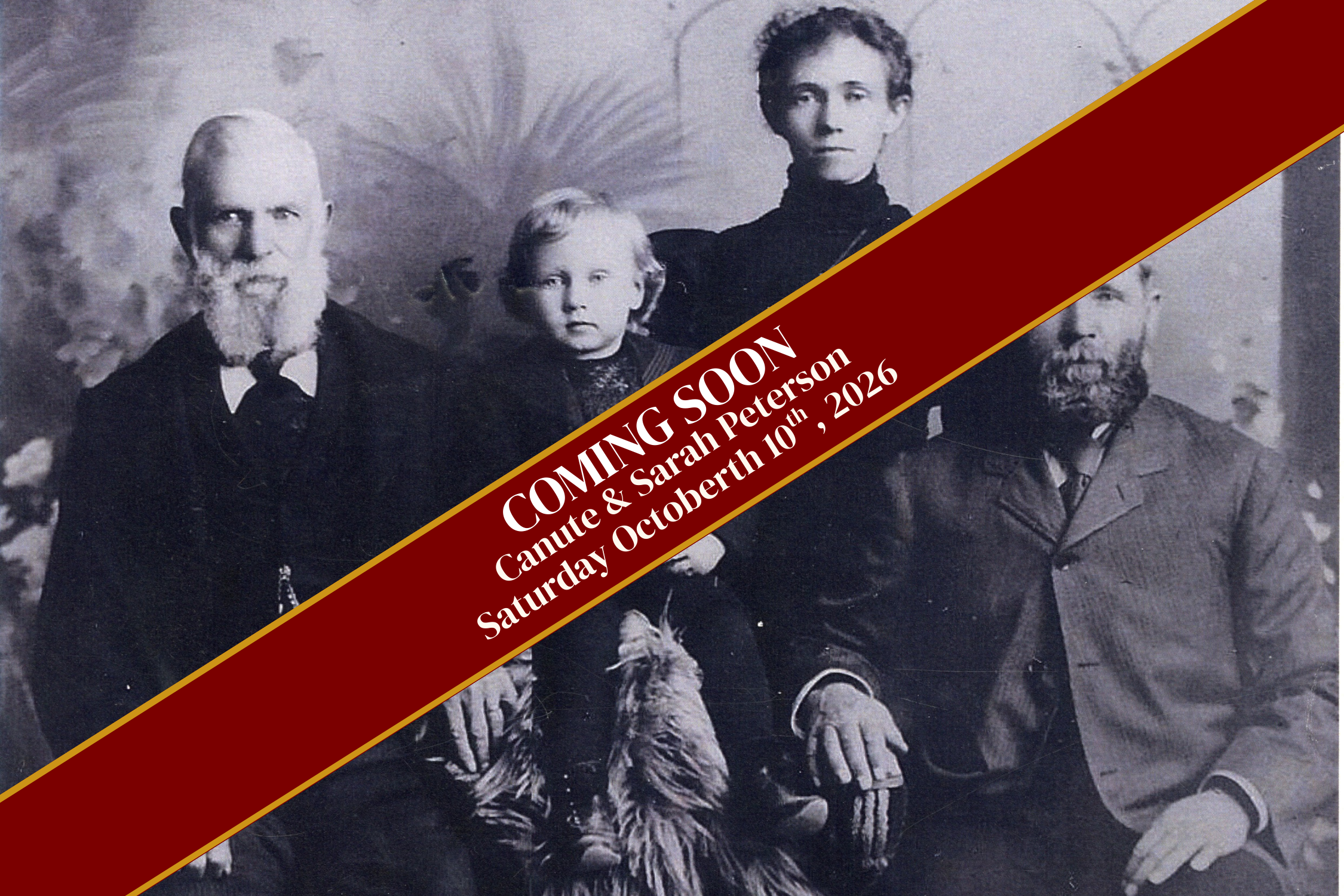
The Miracle of the Salvation Wheat
In 1855, Sarah Peterson planted her wheat later and deeper than other farmers. When grasshoppers destroyed Lehi’s crops, her field had not yet sprouted. Her late harvest fed family and neighbors. When her husband returned from a mission, Sarah gave him a jar of the precious grain. Canute called it his “Salvation Wheat” and was buried with it.
-
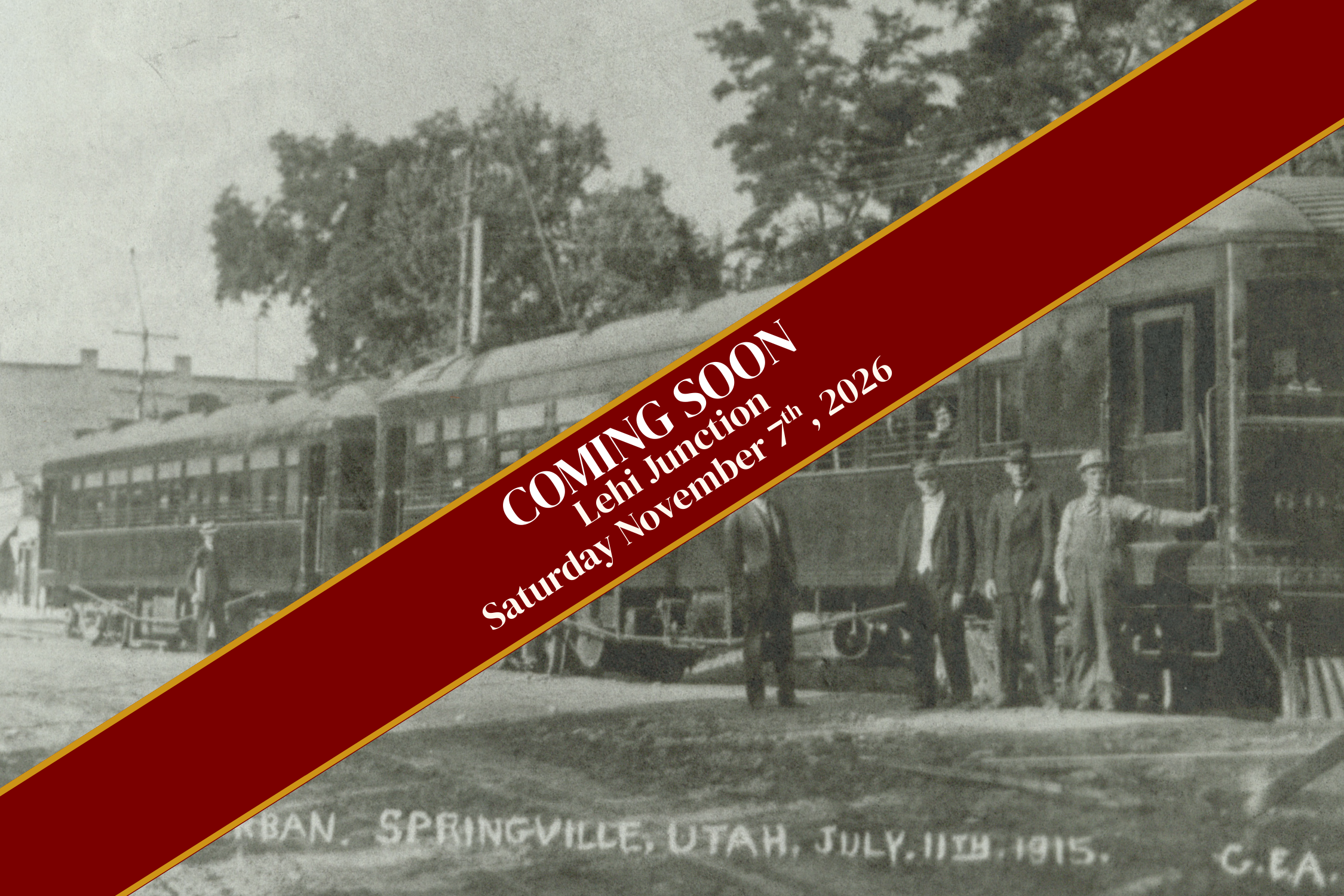
Lehi Junction
1880s-1930s
When the Utah Southern Railroad and Salt Lake & Western Railway converged here, the community of Lehi Junction was born. The railway interchange linked northern Utah County to the booming Tintic Mining District to the west. Farmland quickly gave way to stores, brickyards, a roundhouse and a water tower. Today, only a few structures and railroad remnants remain.
-
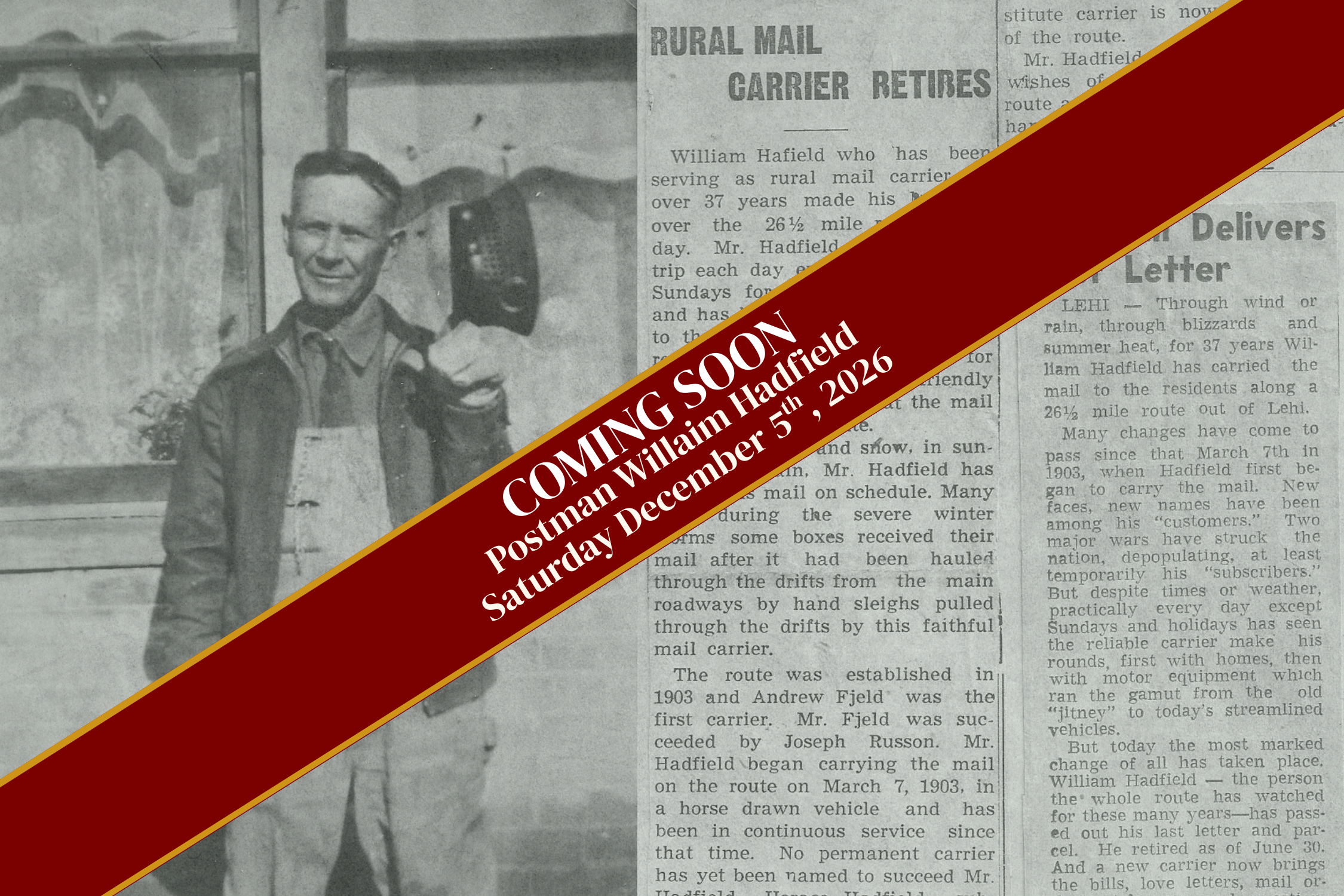
William Hadfield’s Christmas Delivery
One snowy Christmas Eve during the Great Depression, postman William Hadfield had finished his route. Returning to the post office, he found a package for the struggling Fowler family from their estranged son. Though his workday was over, he made one last important delivery. Inside were gifts and candy and the wonderful news that their son was safe.
Lehi Historical Marker Collector Pins
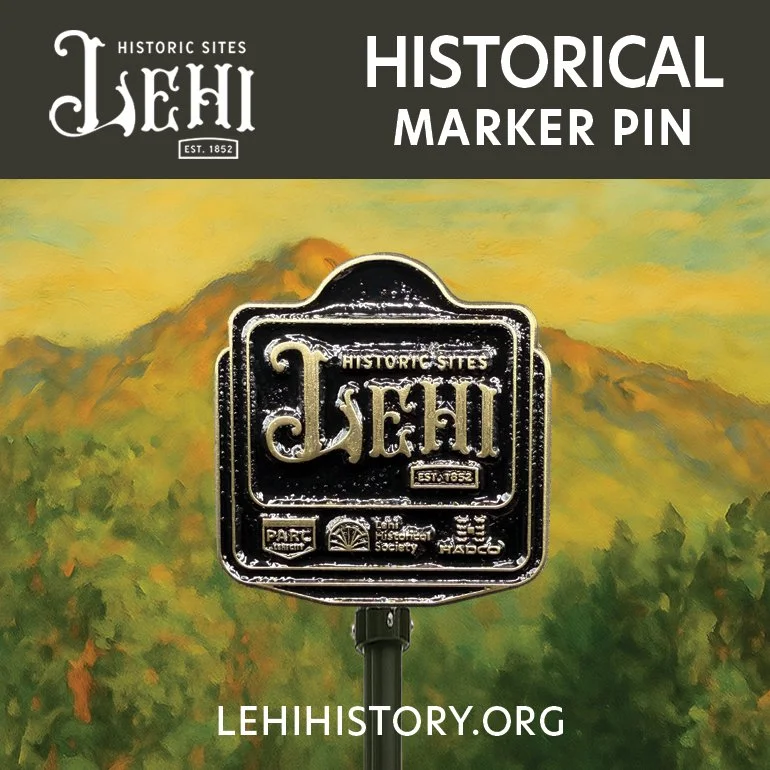
Celebrate Lehi’s rich heritage with this commemorative enamel pin inspired by the official Lehi Historical Marker Program. Modeled after the cast-aluminum plaques found throughout the city, this pin features a detailed design with raised metal lettering, a textured background, and a durable zinc alloy base.
Each pin honors the stories, people, and places that shaped our community, from the Lehi Round-Up Rodeo to Wines Park and the Lehi Roller Mills.
Product Details:
Soft enamel pin, 1” wide
Zinc alloy with textured background
Raised metal lettering modeled after official city markers
Created in partnership with the Lehi Historical Society, this pin was released on July 9, 2025, as part of an ongoing effort to make history visible and accessible. Whether you're a history buff, a proud Lehi resident, or simply appreciate meaningful design, this pin is a timeless keepsake that celebrates the legacy of Lehi and supports the preservation of its stories.
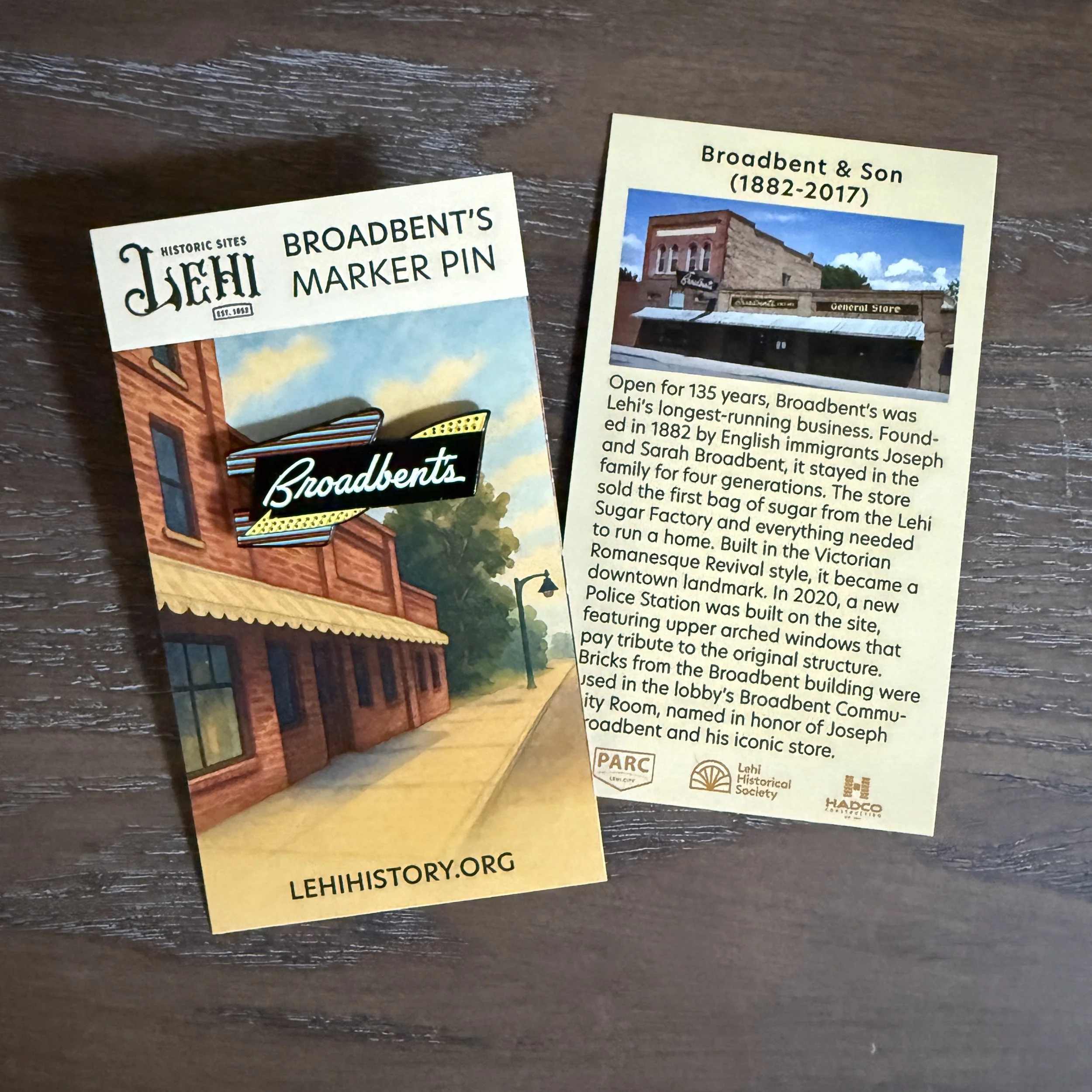
Celebrate a Lehi icon with this Historical Marker collector pin honoring Broadbent’s Store, the longest-running business in Lehi’s history and a cornerstone of the community for 135 years.
Soft enamel with black dyed metal plating
Features the vintage neon Broadbent’s sign installed in 1954
Measures 1.25 inches in length
Single-post backing with secure rubber cover
Perfect for collectors, history lovers, and proud Lehi locals
Founded in 1882 by English immigrants Joseph and Sarah Broadbent, the store was passed down through four generations and became known for offering everything from dry goods to fine fabrics. It sold the first bag of sugar produced by the Lehi Sugar Factory and served as a trusted hub for generations of families. The iconic neon sign, featured in this pin, hung proudly from 1954 until the store’s closing in 2017. Today, the arched windows of the Lehi Police Department pay tribute to the building that once stood in its place.
A nostalgic keepsake celebrating a legacy of service, family, and small-town pride.

Celebrate one of Utah’s most iconic landmarks with this beautifully crafted Historical Marker collector pin. Featuring the historic Lehi Roller Mills in striking detail, this enamel pin captures the distinctive architecture and nostalgic charm of the century-old mill, known for its role in Footloose and its deep roots in Lehi’s agricultural heritage.
Premium soft enamel with gold-toned metal
Accurate architectural rendering of the Roller Mills
Measures 2 in wide
Double-post backing with secure rubber covers for added stability
Perfect for collectors, history lovers, and proud Lehi locals
A timeless keepsake honoring the heart of Lehi’s past.
Purchase collector marker pins to show your Lehi spirit! Your purchase will support the Lehi Historical Marker Program and the Lehi Historical Society. There are currently 15 pins available in our gift shop