Lehi Power Plant
Since 1880
On the evening of 11 September 1880, a demonstration of “electric light” was given at the ZCMI. One light was placed inside and another one outside. The Salt Lake Herald reported, “On the whole the exhibition was most satisfactory, drawing out vast numbers of people, who were astonished to behold such a wonderfully powerful light being cast from so small an object.” The following spring, electric lights began replacing the gas lights in Salt Lake City.
In 1891, there was talk of the Sugar Factory providing electricity using a dynamo or generator to provide electric lights to Lehi. Unfortunately, it did not work out and Lehi had to wait nearly a decade longer. By 1895, the citizens of Lehi were putting pressure on the city to provide them with electric lights. The Lehi Banner reported, “There are a great many strangers in our city at different times and it is thought my some of our best citizens that it is hardly safe on some our our streets these dark nights. Let something be done if it is possible to give the people light.”
In 1899, the Utah County Electric Light & Power Company was organized to provide power to Lehi, American Fork, Alpine and Pleasant Grove. The mouth of American Fork Canyon was chosen to build a power plant to provide the electricity. As the power plant was being built, workmen were busy wiring businesses and homes to be ready when it was completed. The light poles were installed in the middle of the streets with the exception of Main Street. The placement of the poles posed some challenges for the residents. On 17 September 1900, Lehi resident Emile Lauper’s horse ran away with his delivery wagon up First East. The wagon struck one of the poles in the middle of the street and broke apart.
On the evening of 12 December 1900, the streets of Lehi and numerous businesses were lit up by electric light. Though dwellings were not ready for lights yet, citizens were signing up faster than the wires could be installed. They were eager to replace their old coal oil lamps with the new electric lights.
Utah Power and Light Company was organized in 1912 and merged with many smaller power companies in Utah, Idaho and Colorado. Lehi remained a customer of the power company for over ten years when a conflict arose. In 1925 Mayor Joseph S. Broadbent was notified that the power bill for Lehi’s streetlights was going to triple. A meeting was held and Lehi’s City Council decided to develop its own municipal power plant located at Third North and Fifth West near the Denver Rio Grande and Inter Urban tracks. This was Utah’s first municipal facility to use diesel generators.
On 15 June 1926 city workers removed 183 bulbs from Lehi’s streetlights to avoid having to pay the increased rate. For the next year Lehi’s streets remained dark while the power plant was being built. The lights were finally turned back on during the “White Way” celebration on 15 June 1927. Lehi’s Main Street was filled with a huge crowd to witness the new municipal street lighting system.
Lehi’s municipal power plant remained in operation until 1946 when it became too expensive to operate. Lehi once again began purchasing power from Utah Power and Light and the old Lehi power plant building became a storage facility and workshop for the electric and water departments. In 1964 Mayor Harold Westring began purchasing Lehi’s power from the Intermountain Consumer Power Association. The hydro-generated electricity was generated from Glen Canyon and Flaming Gorge Dams. The electricity was transferred over Utah Power and Electric lines to a substation located on Fifth West just north of the Rodeo Grounds. In 1980, another substation was built in the north part of town near 3887 North 1200 West.
Today, Lehi is a member of the Utah Municipal Power Systems organization and gets its power from multiple sources. It gets hydroelectric power from the Jordanelle Hydroelectric Power Plant and the Colorado River Storage Project. Wind power is provided from the Pleasant Valley Wind Energy Facility and the Horse Butte Wind Farm. Coal power comes from the Hunter II and San Juan IV coal plants. Nebo Power Plant and the Lehi Generation Peaking Plant provides power from natural gas. Veyo provides power from the heat coming off the Veyo Compressor Station.
Margaret Wines Park Historical Marker Unveiling
July 18, 2024
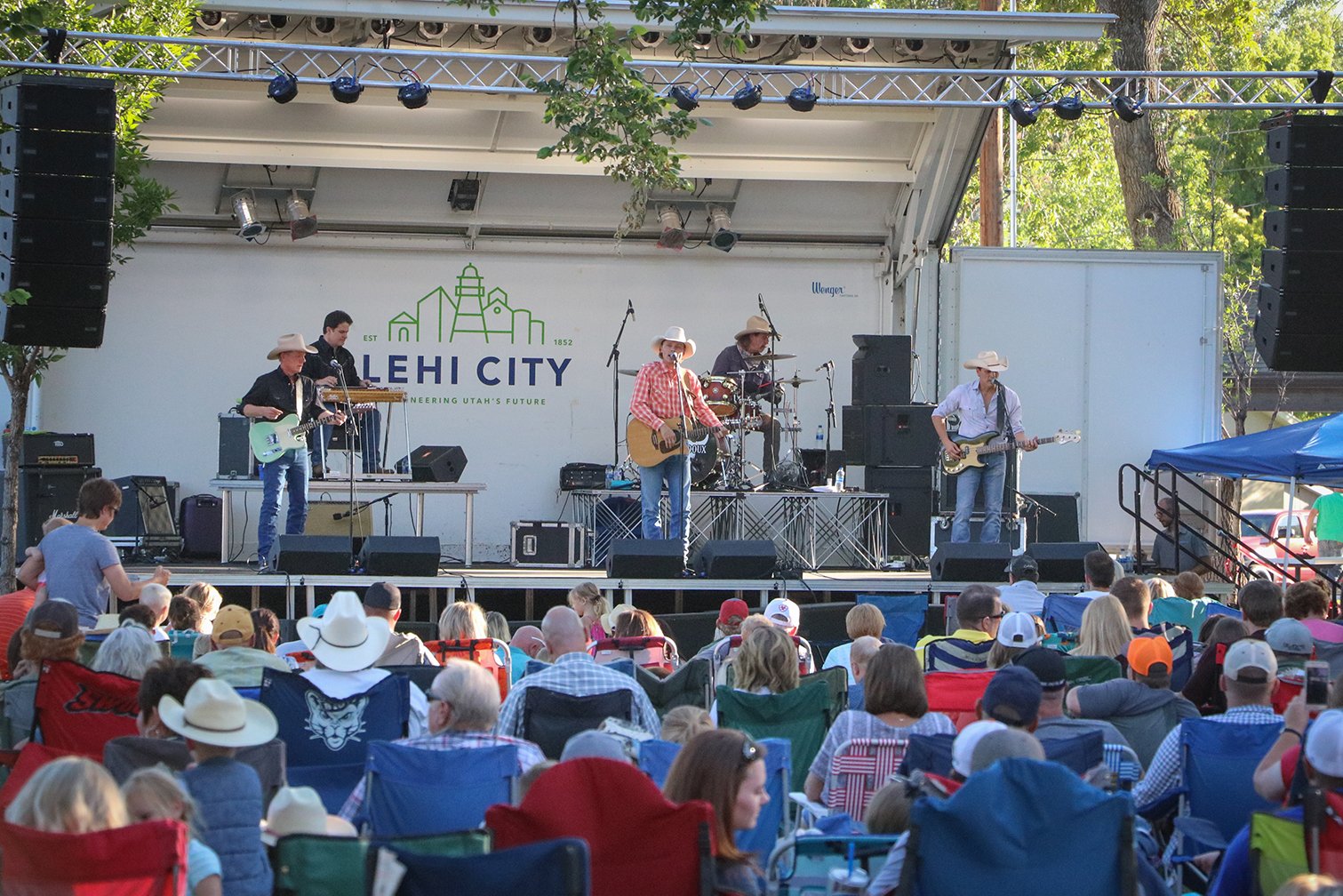
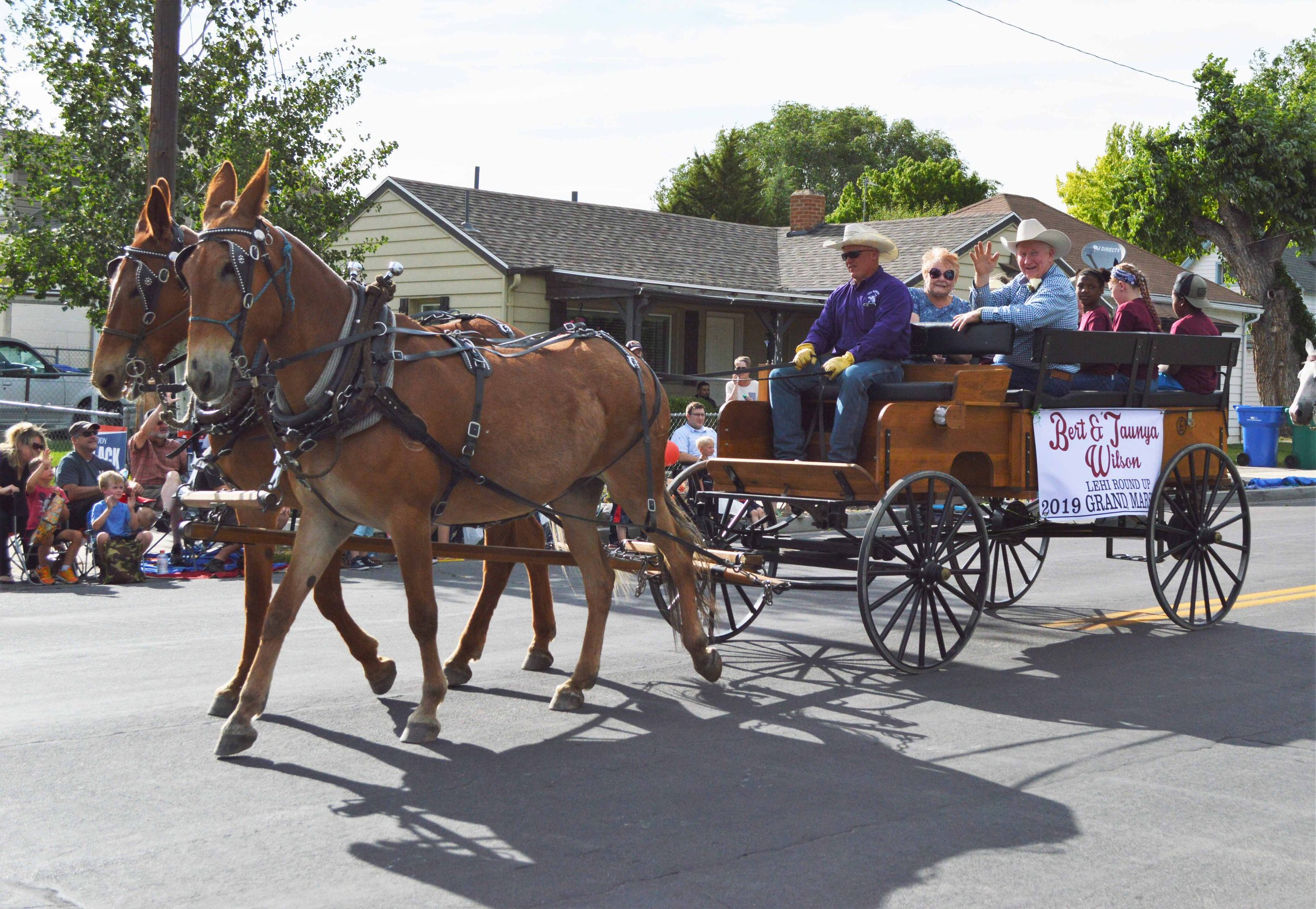
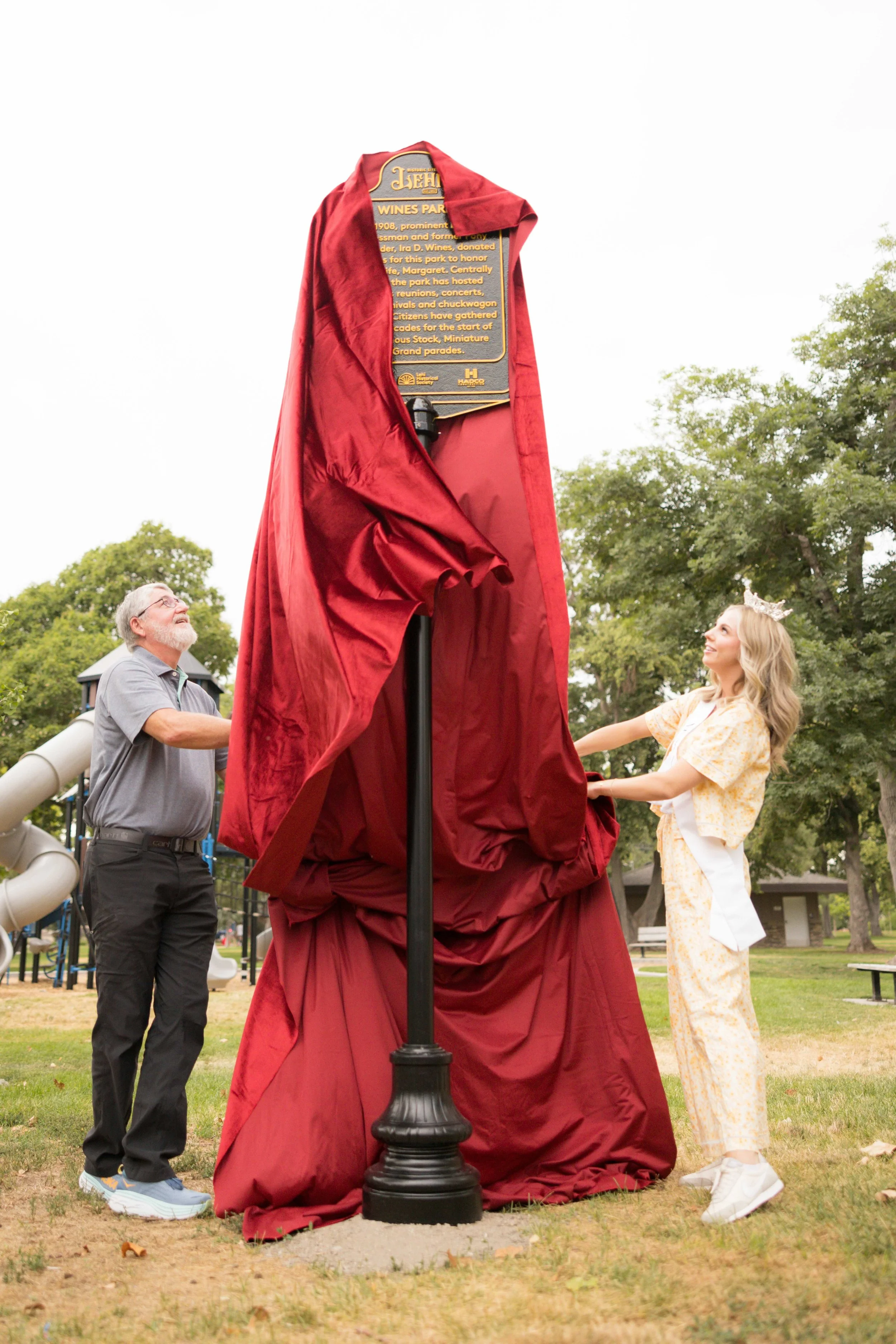
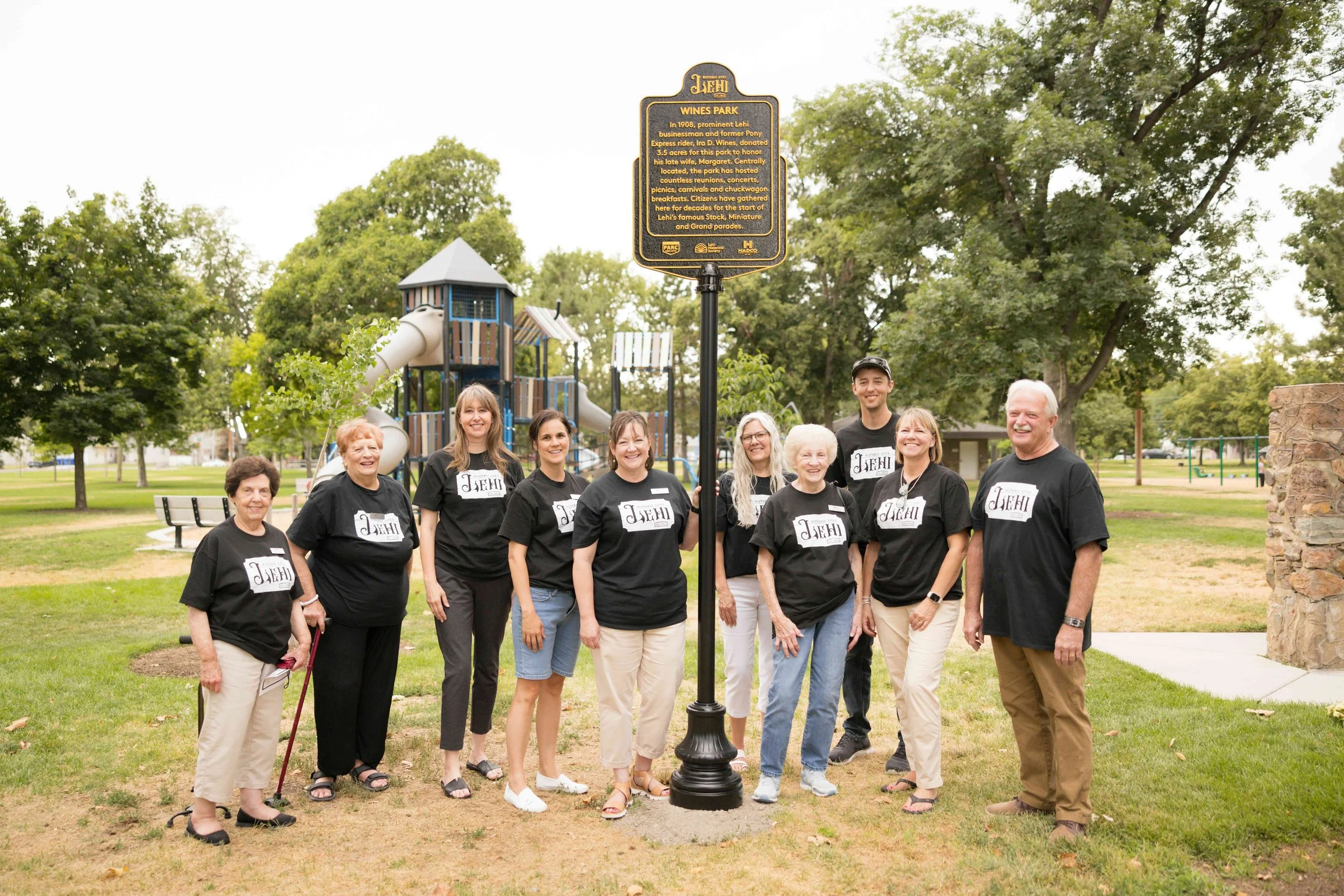
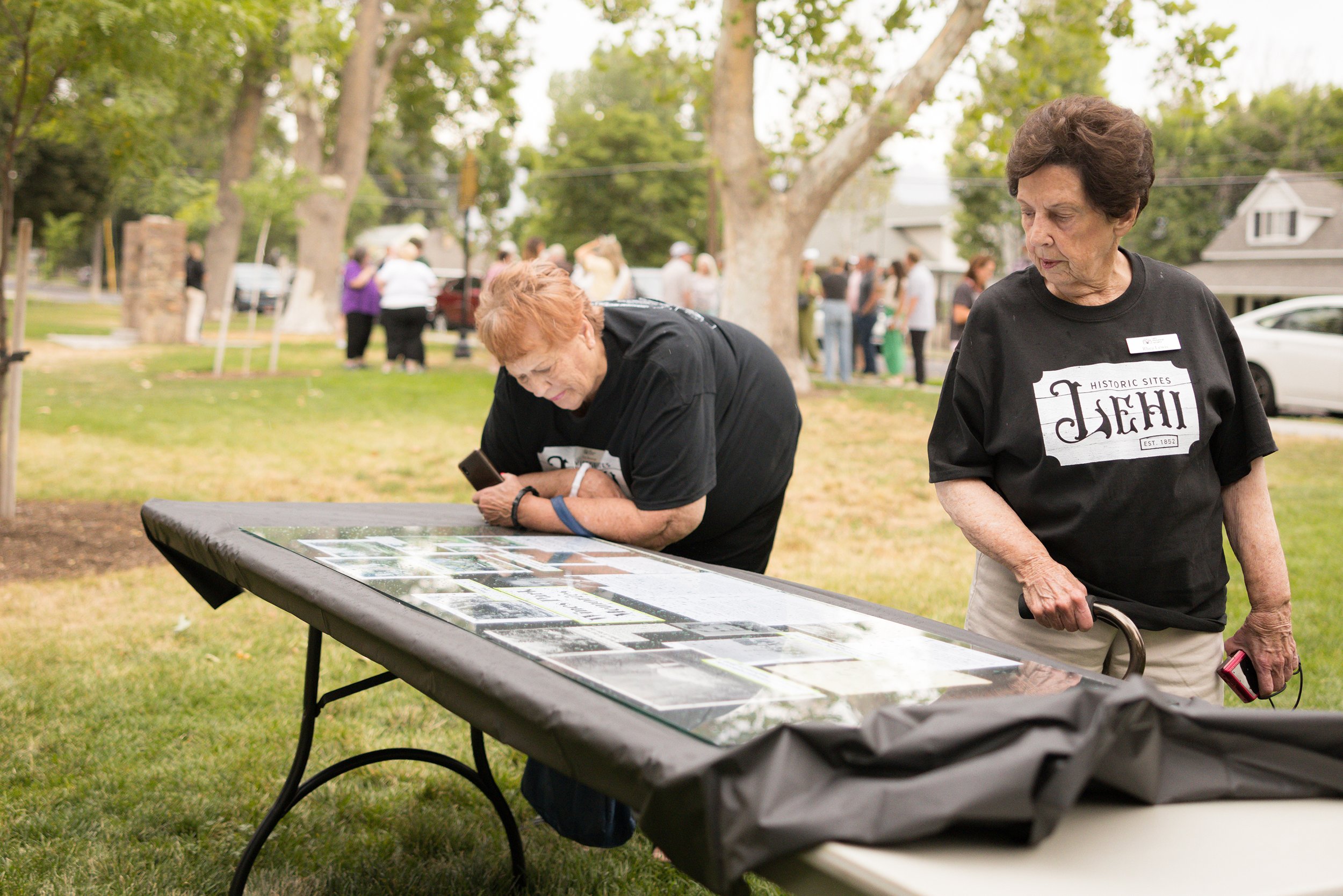
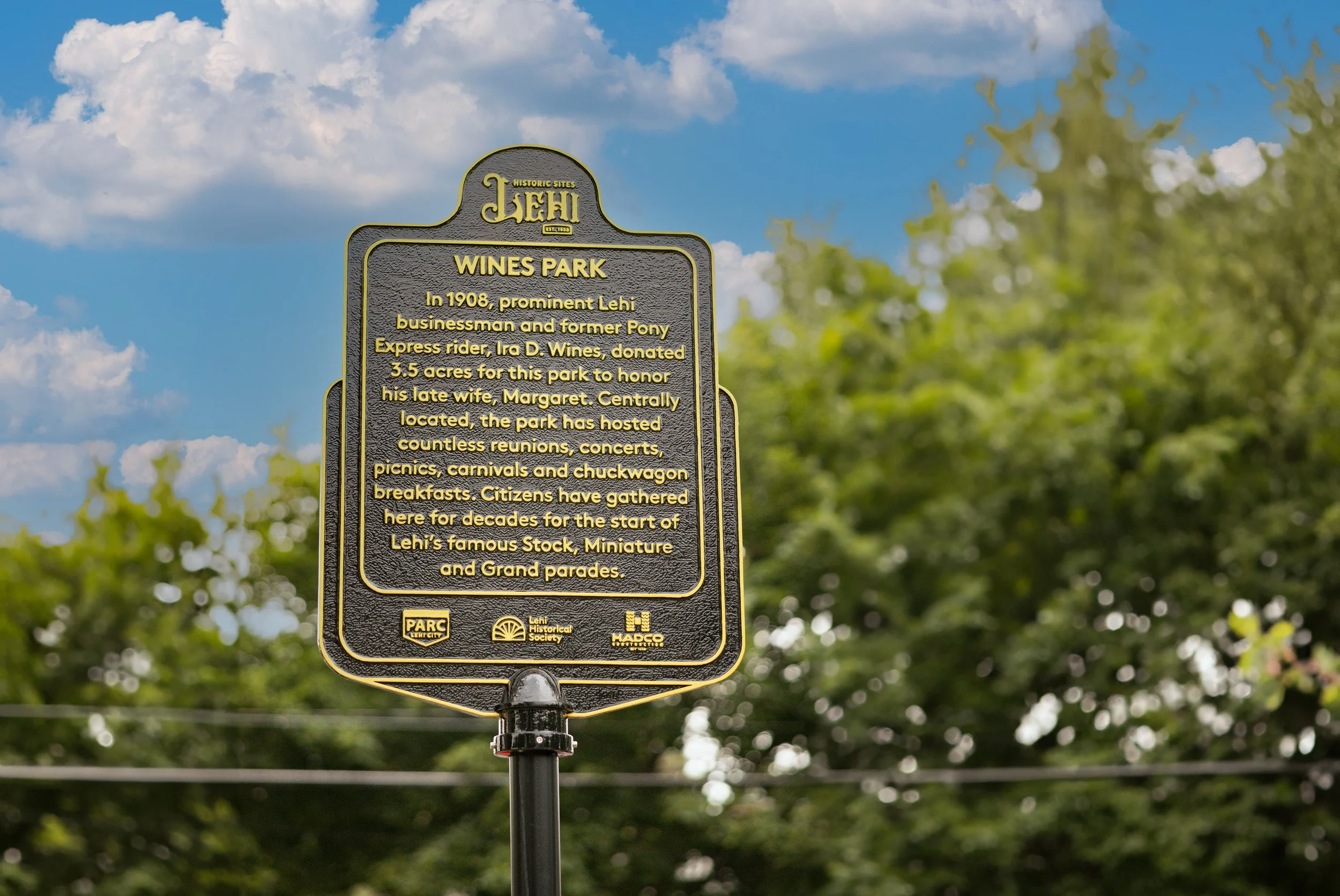
Fifty people gathered to honor Margaret Wines Park, Lehi’s oldest existing park and center of many Lehi celebrations. The park was created in 1908, when Ira D. Wines gifted the land to the city if it would maintain it as a park in honor of his late wife, Margaret. The park is Lehi’s oldest existing park and the center of many of Lehi’s celebrations.
City Councilwoman Michelle Stallings paid tribute to the many local groups and clubs that have funded trees, playground equipment, rose bushes, fireplaces, tables, concrete platforms and drinking fountains. “Even though this park began as a gift by one man,” she said, “it became a gift by many over the years.”
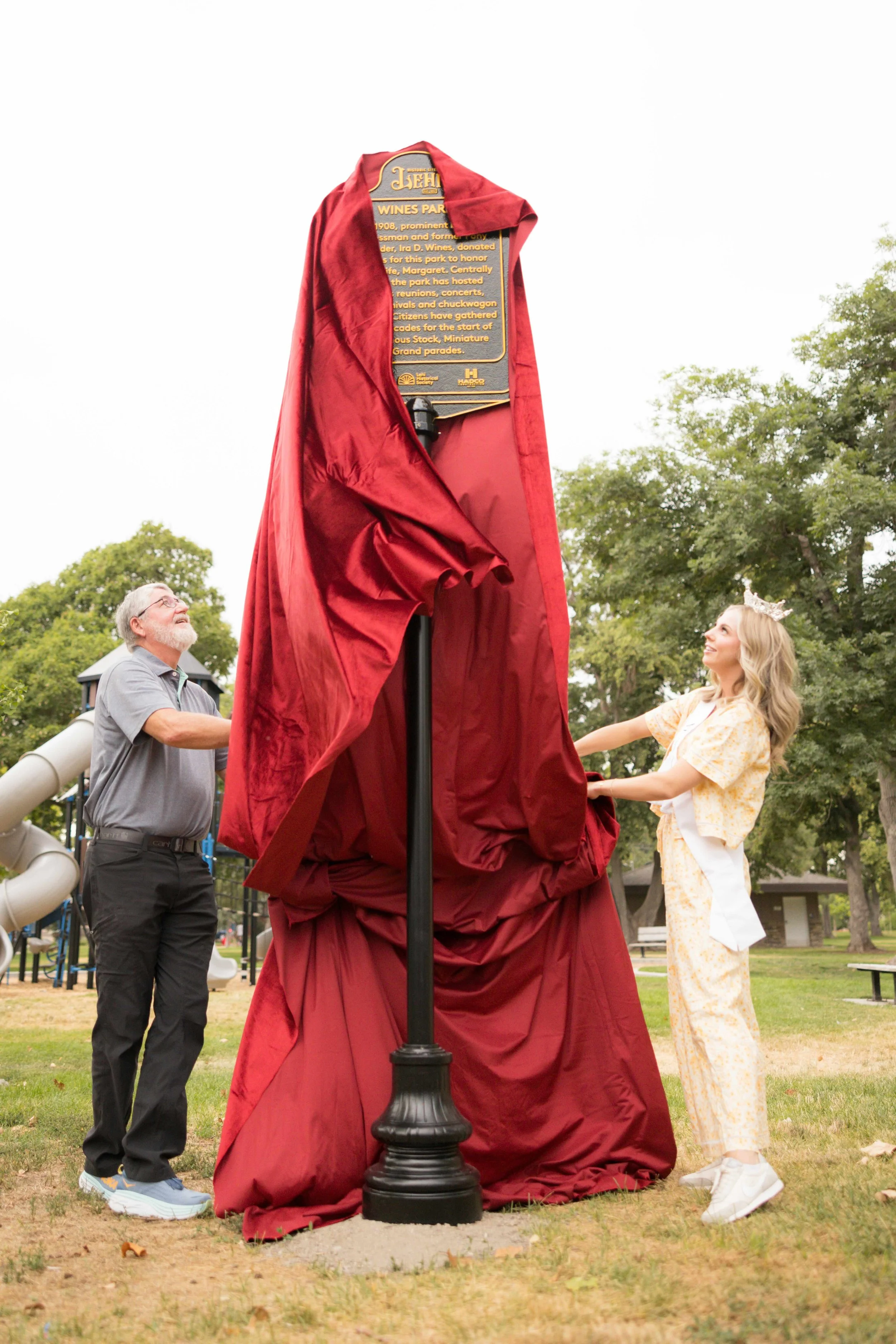
The marker is the second of the Lehi Historical Marker Program.
-
![]()
Unveiling of the Wines Park marker
-
![]()
Historical Society
-
![]()
Wines Park Historical unveiling event
-
![]()
Wines Park Historical Marker
100 East 600 North Lehi, Utah 84043
MARKER LOCATION