
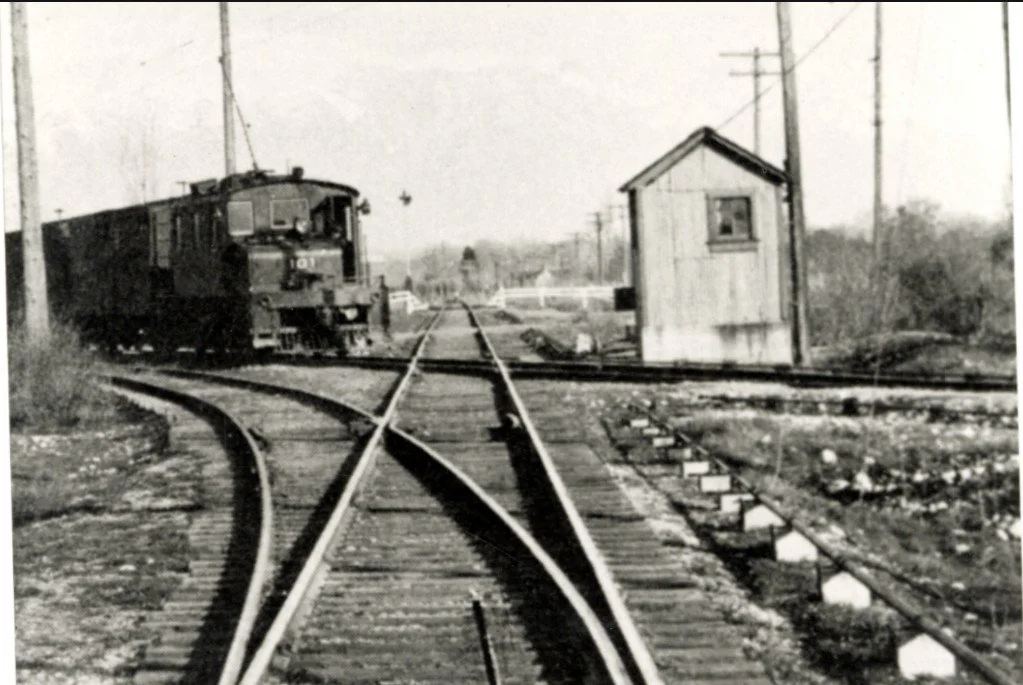
Lehi Junction
1872-1938
Address of Marker?
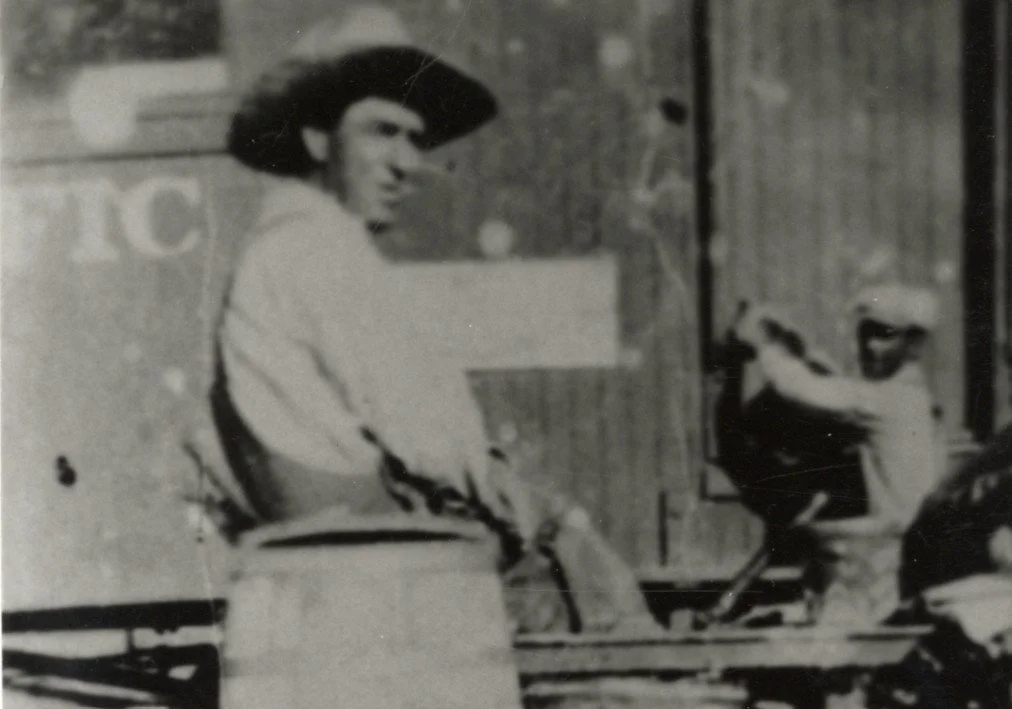
Lehi Junction developed from 1872-1938, and accelerated Lehi’s rise as a community. The Utah Southern Railroad reached Lehi in 1872, and rail construction in the 1880s turned this area from a rural agrarian settlement into an active junction for freight and industry. By the 1890s the junction supported schools, businesses, homes, and churches which solidified Lehi as a prosperous community that had its roots in the railroad industry.
All Roads Lead to Lehi
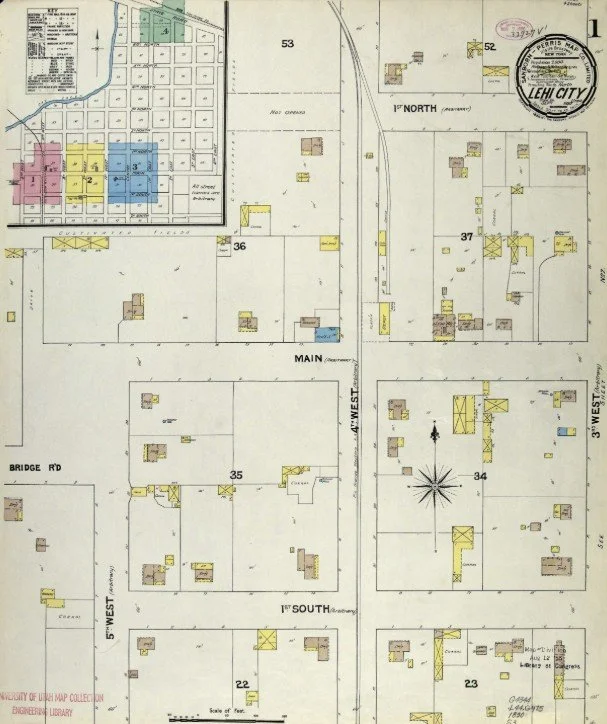
Lehi Junction, located west of downtown Lehi, was once one of the most important railroad centers in northern Utah County. Though little remains today, the Junction played a critical role in connecting local industry to regional and national markets. Its history reflects the broader story of how railroads transformed Utah’s economy and landscape in the late nineteenth and early twentieth centuries.
The origins of Lehi Junction date to 1872, when the Utah Southern Railroad reached Lehi and established a north-south mainline through the area. At the time, Lehi was a small agricultural settlement, but the arrival of the railroad quickly altered its trajectory. For a brief period, the city served as the southern terminus of the line, making it a key
transfer point for passengers and freight moving between Salt Lake City and central Utah. The railroad reduced travel time, lowered transportation costs, and linked Lehi to expanding regional markets.
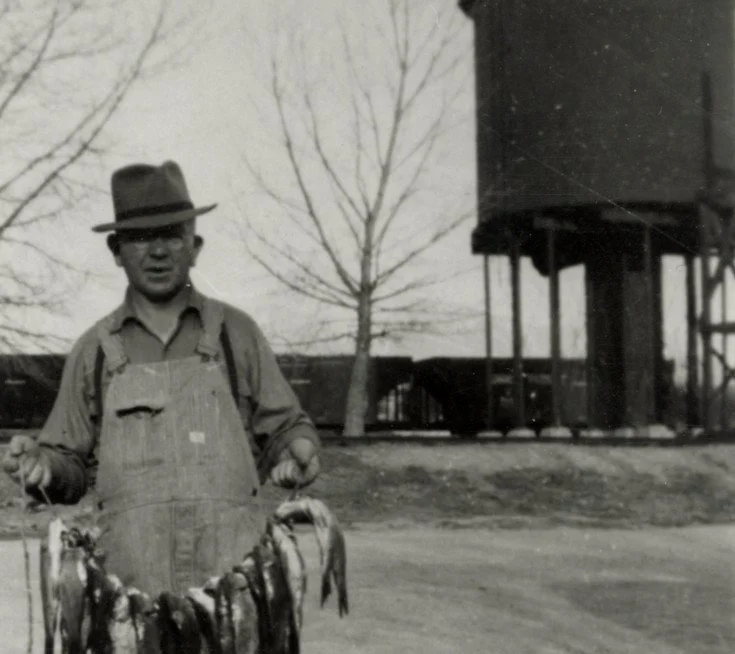
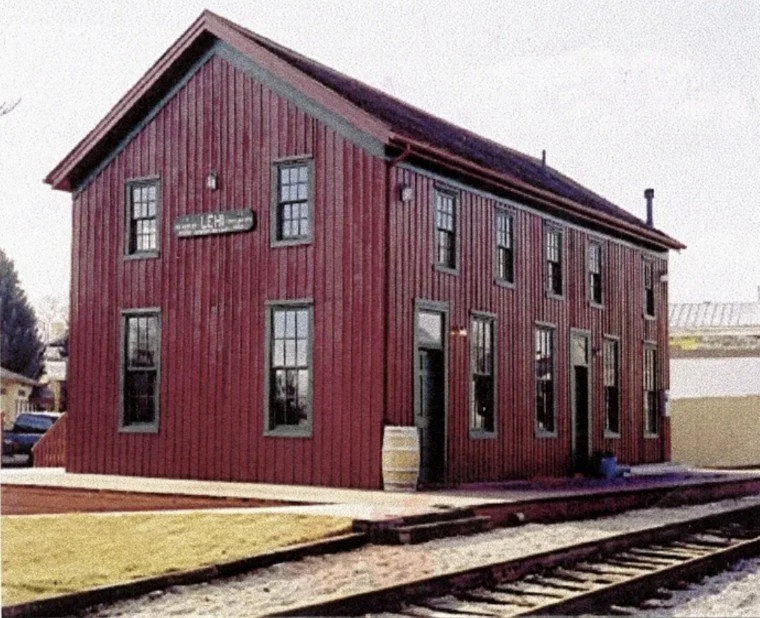
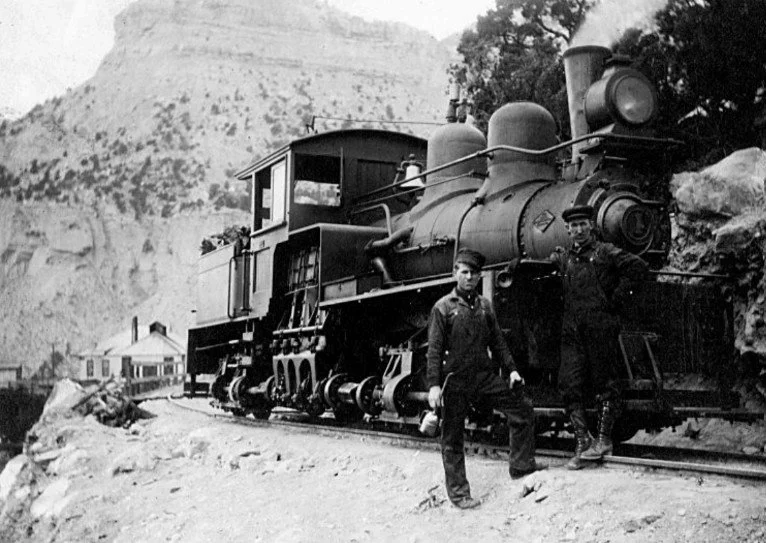
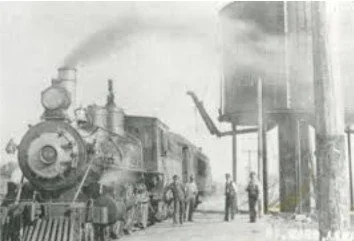
The Junction itself emerged in the early 1880s with the construction of the Salt Lake and Western Railroad, which connected Lehi directly to the Tintic Mining District. This new line branched off the mainline just west of town, creating a convergence point where multiple rail routes met, truly establishing it as a junction. The heavy flow of ore, supplies, and equipment between Tintic and northern Utah gave Lehi Junction its purpose as a transfer and distribution hub. Rail infrastructure expanded rapidly, including a depot known as Cutler Station, a roundhouse for locomotive maintenance, and a variety of supporting facilities, and the famous local water tower.
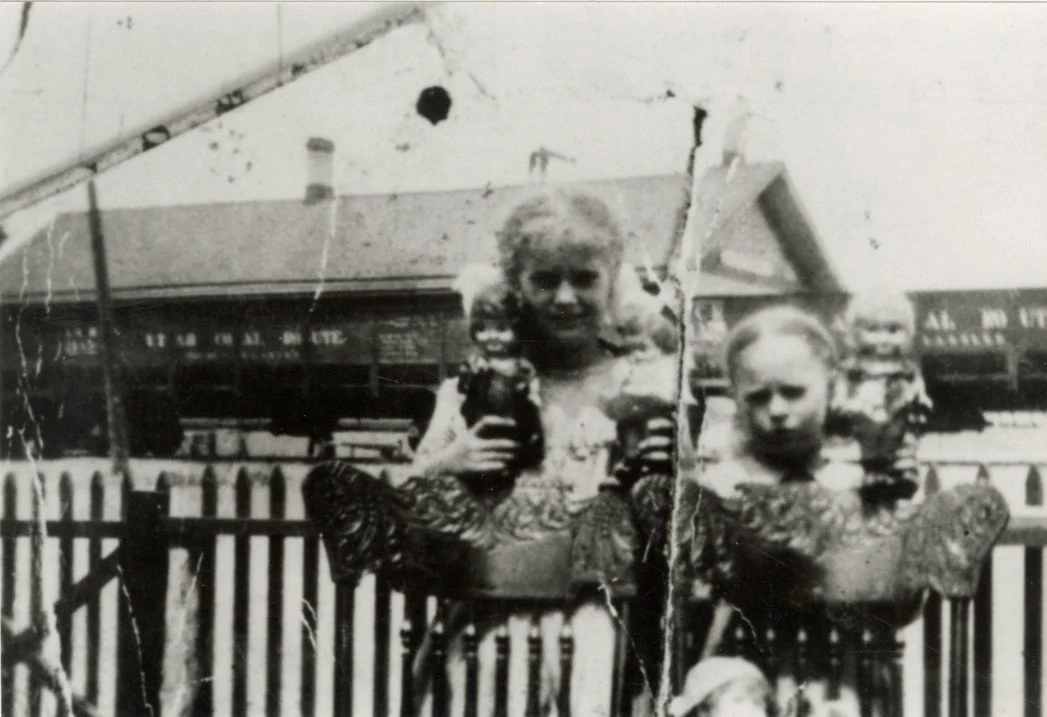
As the railroad network grew, so did the community around it. Lehi Junction developed into a small but self-contained industrial settlement. Businesses clustered along Railroad Street, including general stores, assay offices, leaching works, brickyards, and freight operations. These enterprises served both local residents and the mining communities further south. Workers and their families settled nearby, leading to the construction of a school and the eventual organization of a local church congregation. In many ways, the Junction functioned as its own neighborhood, shaped entirely by the needs of the railroad.
By the early twentieth century, Lehi Junction remained an active part of a larger and increasingly consolidated rail system. Lines that once operated independently were absorbed into larger corporations such as the Oregon Short Line and Union Pacific. Even as ownership changed, the Junction continued to facilitate the movement of goods tied to mining and industry. Railroads remained essential to the economic life of Utah County, and Lehi Junction continued to serve as a point of connection between local production and distant markets.
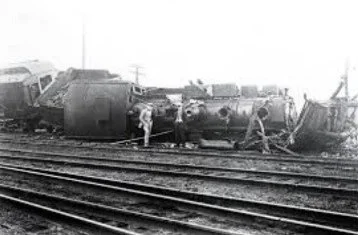
Despite this continued use, signs of decline began to appear in the early twentieth century. A dramatic example occurred on July 28, 1922, when the Junction’s roundhouse collapsed after being struck by a rail loader that exceeded the height of the structure. While the incident demonstrated that significant rail operations were still underway, it also foreshadowed the gradual reduction of activity in the area. Over the following decades, changes in transportation and the decline of mining reduced the need for large rail facilities.
By 1937, the roundhouse had been demolished, and in 1938 Cutler Station was removed. These changes marked the end of Lehi Junction as a major rail centered community. In the later twentieth century, as mining activity in the Tintic District diminished, branch lines south of Topliff were abandoned. Without the steady flow of ore and supplies, the Junction’s role as a transfer point disappeared.
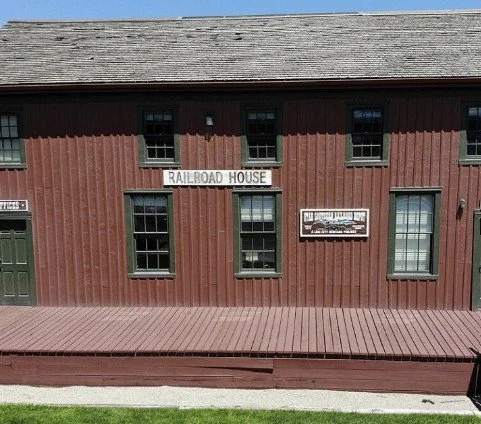
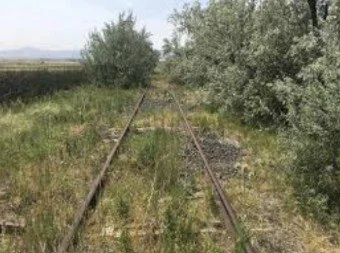
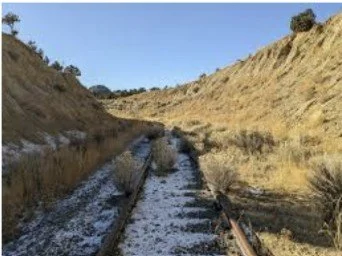
Today, only a few remnants hint at the Junction’s past, including isolated structures like the Utah Southern Railroad Depot. Yet its historical significance remains clear. Lehi Junction was not just a collection of tracks and buildings, but a place where transportation, industry, and community came together. It stands as a reminder of the powerful role railroads played in shaping the growth of Lehi and the development of Utah’s industrial economy.
Follow the Life of the Lehi Junction
-
![Need Caption Here 1]()
1872: The Turning Point
Before the whistle of a locomotive ever echoed across the valley, Lehi existed as a modest agricultural settlement, physically and economically isolated from the broader American West. This changed fundamentally in 1872 when the steel rails of the Utah Southern Railroad pushed southward from Salt Lake City, searching for a strategic gateway to the rich ore deposits of the Tintic Mining District. The arrival of the railroad transformed an unremarkable patch of sagebrush into Lehi Junction, a high-stakes intersection where local ambition met transcontinental capital. This was more than a new stop on a map; it was the moment Lehi shed its frontier shell to become a vital artery for the region’s mineral and agricultural wealth. By establishing this logistical foothold, the Junction effectively anchored Lehi’s future to the unpredictable fortunes of the railroad industry for the next century.
-
![Need caption text 2]()
1871–1872: Economic Impact
The economic impact of the railroad on Lehi’s economy cannot be understated, with figures like Thomas R. Cutler establishing a store near the proposed depot at Lehi Junction in 1871. When the line reached Lehi in 1872, his business was positioned to thrive off expanding interests. As commercial business expanded, Cutler became involved in larger ventures like the People’s Cooperative and the Utah Sugar Company, whose mill was near the junction to expedite loading and exporting. His career illustrates how the railroad transformed Lehi into a growing commercial and industrial center.
-
![]()
1875: The Franklin School
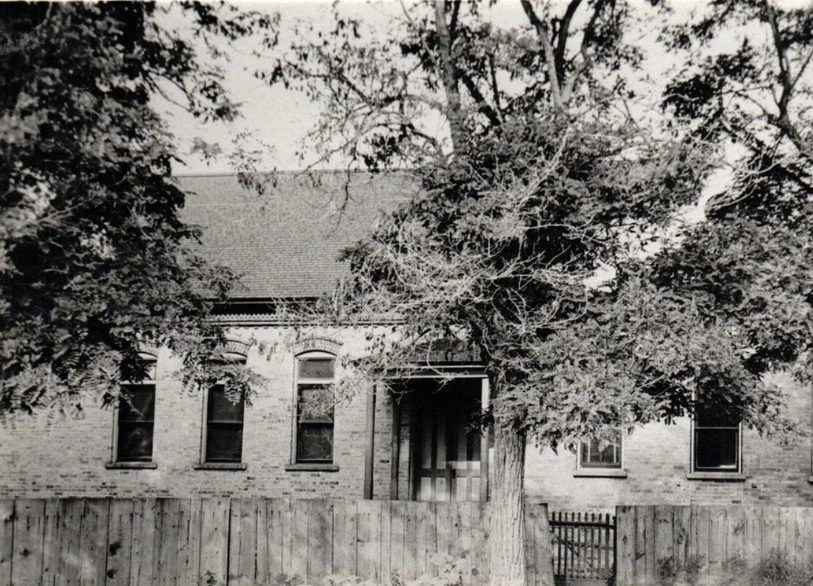
By 1875, development in the Junction area had progressed enough to require its own school. Teamsters, freighters, construction workers, merchants, and their families began moving into the bustling town. The construction of the Franklin School expresses how Lehi Junction was evolving into a community rather than remaining a railroad site. The school's role as a social center further highlights the presence of families and organized community life in a city that was a prosperous district shaped by railroad activity.
-
![]()
1881: Industrial Transport Shift
On May 30, 1881, the Salt Lake and Western Railroad was finally incorporated to directly connect Lehi with the booming Tintic Mining District, The formal incorporation of the Salt Lake and Western Railroad on May 30, 1881, signaled a transformative move toward specialized industrial hauling by linking Lehi directly to the thriving Tintic Mining District. This strategic extension integrated Tintic into the expansive Union Pacific system and was engineered to transport a steady stream of ore, equipment, and laborers, further establishing Lehi as a vital hub for regional distribution.
-
![]()
1884: The Engine House Disaster
In October 1884, the raw power of the Utah elements collided with Lehi’s industrial ambitions. A violent windstorm swept through the rail yard, targeting the Salt Lake and Western Railroad engine house—a massive structure that stood as a symbol of the town’s growing permanence. In a matter of hours, the storm reduced this vital facility to a heap of splintered timber and twisted metal. For the people of Lehi, this wasn't just a loss of property; it was a staggering blow to the city's pride. The engine house was the sanctuary where the great iron horses were fed and mended, and its destruction proved that the "modern" world Lehi was building remained fragile. This disaster forced the community to realize that their future as a railroad hub would require more than just tracks and engines—it would require a resilience as stubborn as the winds that had sought to level them.
-
![]()
1893–1894: Social and Religious Growth
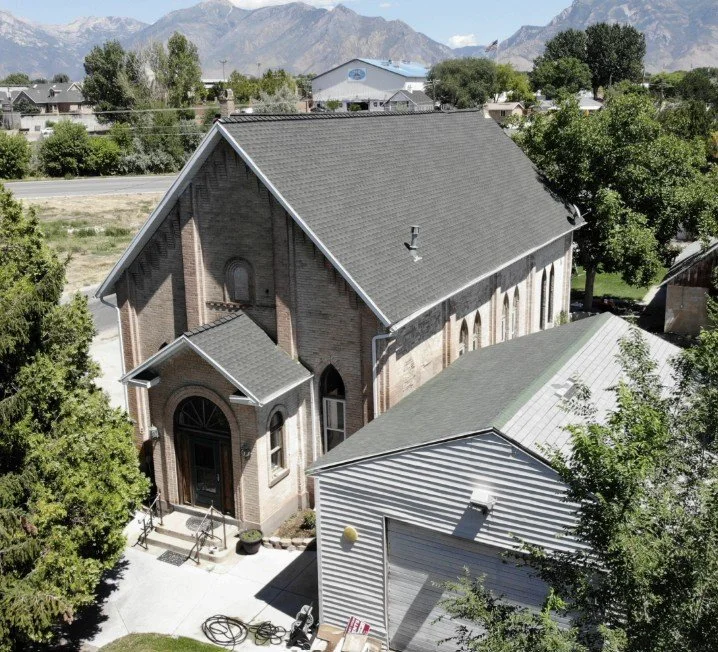
Between 1893 and 1894, residents of the Junction organized the North Branch of the Church, reflecting the continued growth of a stable population. By October 1894, a meetinghouse had been constructed at 1190 North 500 West, providing a dedicated space for worship and community gatherings. The formation of a formal religious body served as evidence that the Junction was no longer merely a transient railroad outpost but had matured into a structured, established neighborhood. Rather than existing only as a transport center, it had evolved into a fixed residential community that centered itself in deep religious tradition.
-
![]()
1894: Expanding the Network
Even after natural disasters, the Salt Lake and Mercur Railroad connected with the Salt Lake and Western system near Fairfield in 1894, linking Lehi Junction to the gold camps of Mercur and Manning in the southern Oquirrh Mountains. The new line carried ore out of that mountain district while also bringing in the fuel, equipment, and supplies needed to sustain mining operations. As a result, Lehi Junction became even more important as a transfer point between the mines of the Oquirrhs and the wider regional rail network.
-
![]()
1900-1922: Corporate Integration
In the early 1900s, Lehi Junction continued to function as an active part of Utah County’s expanding railroad network, increasingly integrated with larger corporate systems such as Union Pacific. The presence of facilities such as Cutler Station and continued commercial activity demonstrate that the Junction remained an operational transfer point. Railroads played a critical role in supporting industrial development, sustaining the economic importance of rail hubs like Lehi Junction into the twentieth century. Beyond its role as a mere transit point, Lehi Junction served as the vital circulatory system for the Utah Sugar Company, particularly following the 19th-century establishment of the Lehi sugar factory. During the early 1900s, the "Beet Dumps" at the Junction became a hive of seasonal activity where local farmers transitioned from agrarian isolation to the global marketplace. This era also marked a definitive shift in corporate power; as the Oregon Short Line and Union Pacific consolidated their hold, the Junction evolved from a pioneering outpost into a disciplined cog within a transcontinental machine. While the gradual rise of the automobile eventually signaled the sunset of the rail era, the Junction remained the primary gatekeeper of regional prosperity for decades, bridging the gap between Utah’s frontier roots and its burgeoning industrial future.
-
![]()
1922–1938: Decline and Abandonment, Part One
The transition from the Junction’s peak to its eventual obsolescence was defined by a series of incremental shifts throughout the early twentieth century. By the 1910s, the initial fervor of the "Sugar Beet Era" began to plateau as the regional infrastructure matured, and the once-innovative spur lines became routine fixtures of the landscape. The year 1918 served as a pivotal turning point when through-train service on the Fairfield Branch was discontinued, signaling that the Junction was no longer an essential link in the transcontinental chain, but rather a localized terminal. Throughout the 1920s, this isolation deepened; while the dramatic collapse of the roundhouse in 1922 provided a visual symbol of decay, the invisible pressure of Utah’s improving roadway system posed a far greater threat. As the state began prioritizing the "State Road" (later Highway 89/91), the strategic importance of a rail-based transfer point at Lehi diminished. By the time the Great Depression took hold in the early 1930s, the Junction had already been hollowed out by two decades of dwindling passenger manifests and the rising efficiency of short-haul trucking, leaving the Cutler Station closure of 1931 as a final confirmation of a decline long in the making.
-
![]()
1922–1938: Decline and Abandonment, Part Two
The loss of the roundhouse in 1922 marked the final downturn of the junction when an oversized rail loader was pulled through the structure and brought it down. The decline continued into the next decade, when the Cutler station agency closed in 1931 because business had fallen off. At the same time, broader changes in transportation were reshaping the region. Through-train service on the Fairfield Branch had already been discontinued in 1918, local passenger service in the Tintic district was replaced by auto buses in 1932, and the branch itself was abandoned in stages over the following decades. Even when the remaining line briefly survived because of wartime clay shipments, Lehi Junction was no longer the busy transfer community it had once been. By the mid-twentieth century, shifting freight patterns, increased reliance on motor transport, and the decline of nearby mining had steadily severed the Junction from the regional networks that had made it important in the first place.
Marker Location
Address?
Marker Unveiling
Blurb about Marker Unveiling
-
![]()
Caption
-
![]()
Caption
-
![]()
Caption
-
![]()
Caption




Learn More
Investigate our online archive for more information on the Lehi Junction

Content Contributors
——, Lehi Historical Society
Danzen Bingham, University of Utah
Marcos Van Dalen, University of Utah
Kasia May, University of Utah
Support our Mission
Purchase collector marker pins to show your Lehi spirit! Your purchase will support the Lehi Historical Marker Program and the Lehi Historical Society. There are currently 15 pins available in our gift shop
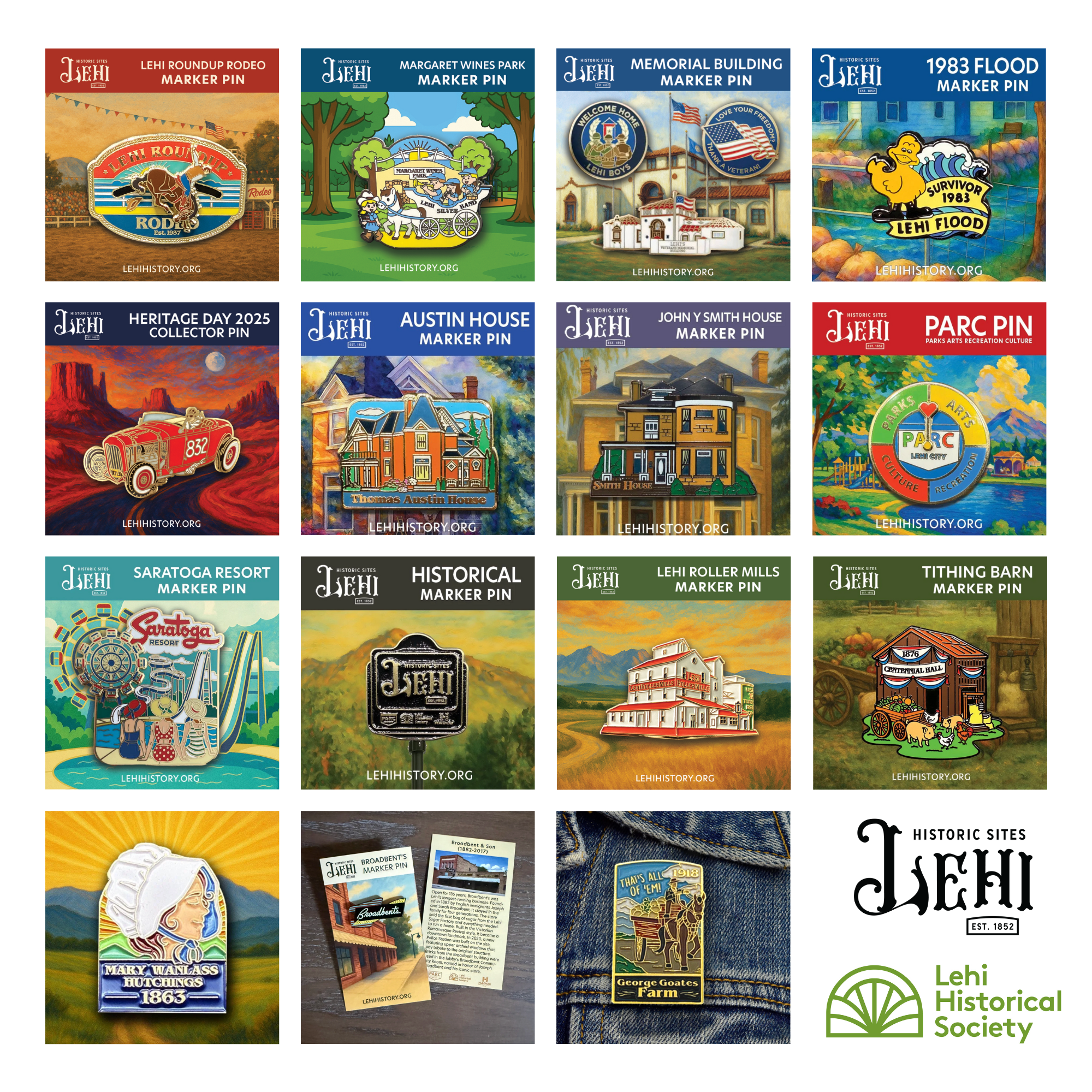
Celebrate Lehi’s history with our complete 15-pin collection. This special bundle includes one of each enamel pin from the Historical Marker Collection.
Pins included in the full set:
• Lehi Roundup Rodeo Marker Pin
• Margaret Wines Park Marker Pin
• Memorial Building Marker Pin
• 1983 Flood Marker Pin
• Heritage Day 2025 Collector Pin
• Austin House Marker Pin
• John Y Smith House Marker Pin
• PARC Pin
• Saratoga Resort Marker Pin
• Historical Marker Pin
• Lehi Roller Mills Marker Pin
• Tithing Barn Marker Pin
• Mary Wanlass Hutchings 1863 Pin
• Broadbent’s Marker Pin
• George Goates Farm Marker Pin
Each pin reflects a real story from Lehi’s past. Landmarks, founders, the rodeo, community legends, floods, and the places that shaped our city. This full set brings together every marker design in one place. It is perfect for collectors, teachers, longtime Lehi families, newcomers wanting to learn the stories behind our city, or anyone looking for a meaningful gift that supports local history.
Take home the complete collection and own 15 pieces of Lehi’s story.
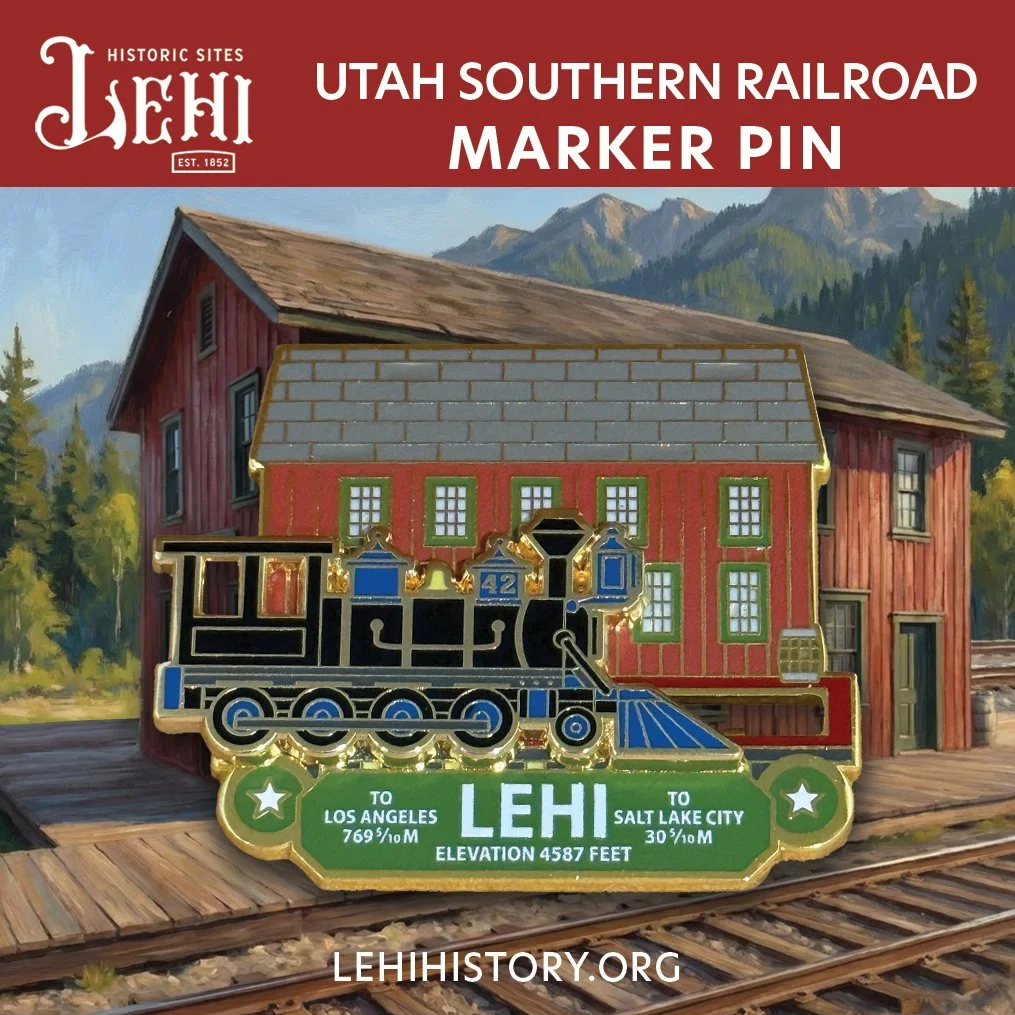
Celebrate one of Lehi’s most important moments in transportation history with this commemorative Utah Southern Railroad Train Depot pin.
On September 27, 1872, the first train arrived in Lehi on the Utah Southern Railroad, connecting the community to the growing rail network of the American West. For nearly a year, Lehi served as the end of the line, and travelers and freight moving to and from Utah Valley passed through the city. The arrival of the railroad transformed Lehi’s economy, bringing trade, travel, and new businesses along State Street.
This collectible pin features the historic Lehi Train Depot with a detailed locomotive inspired by engine No. 42, which was displayed at the Lehi Train Museum. The locomotive features a sliding engine, allowing the train to move along the track in front of the Depot.
Pin details
Size: 1.75”
Material: Zinc alloy
Finish: Polished gold
Feature: Sliding locomotive
Attachment: Double post backing for stability
Created to commemorate the Utah Southern Railroad’s arrival in Lehi and the historic depot that still stands today, this pin is part of the Lehi Historic Sites series celebrating the places and stories that shaped the city.
Perfect for collectors, railroad enthusiasts, and anyone who loves Lehi history.
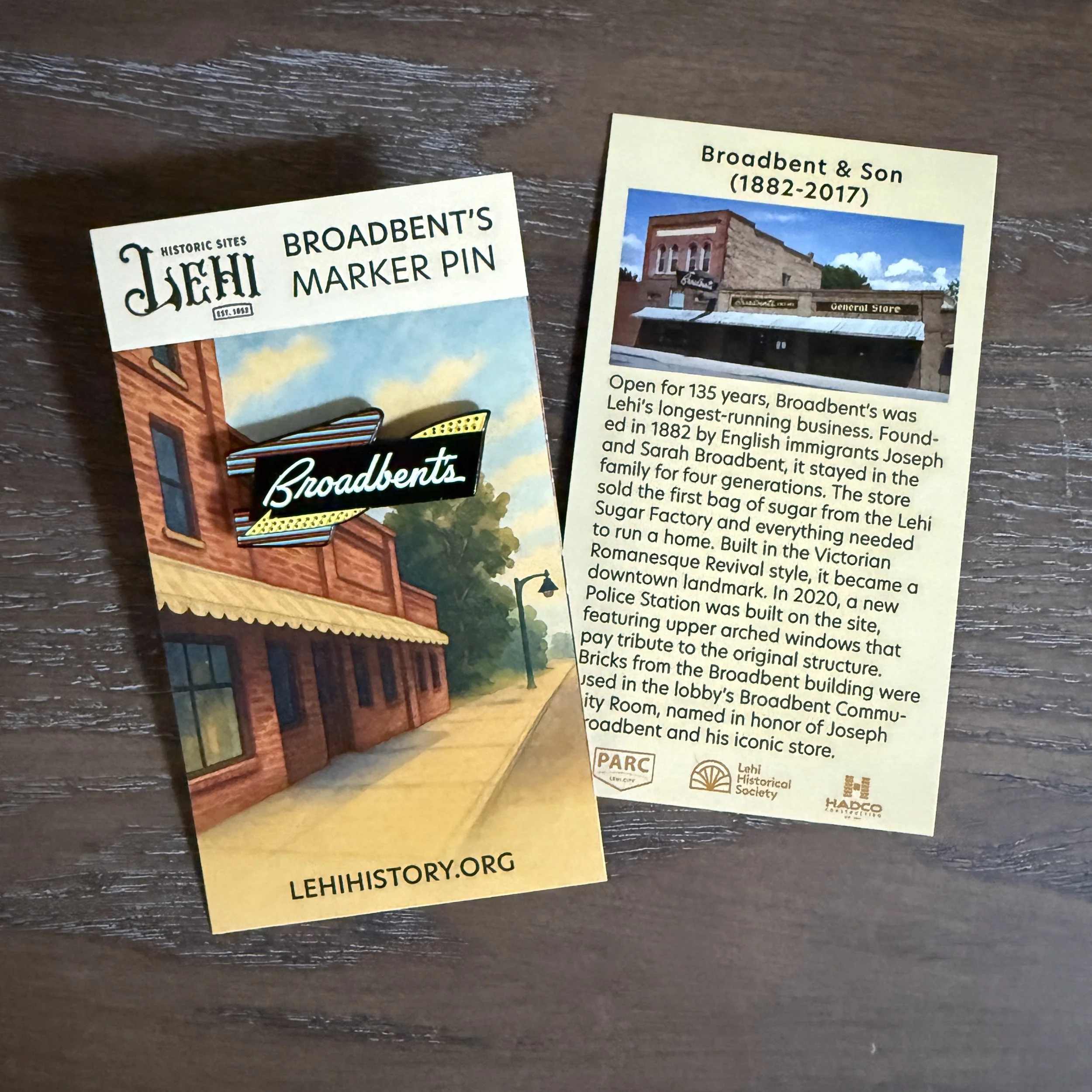
Celebrate a Lehi icon with this Historical Marker collector pin honoring Broadbent’s Store, the longest-running business in Lehi’s history and a cornerstone of the community for 135 years.
Soft enamel with black dyed metal plating
Features the vintage neon Broadbent’s sign installed in 1954
Measures 1.25 inches in length
Single-post backing with secure rubber cover
Perfect for collectors, history lovers, and proud Lehi locals
Founded in 1882 by English immigrants Joseph and Sarah Broadbent, the store was passed down through four generations and became known for offering everything from dry goods to fine fabrics. It sold the first bag of sugar produced by the Lehi Sugar Factory and served as a trusted hub for generations of families. The iconic neon sign, featured in this pin, hung proudly from 1954 until the store’s closing in 2017. Today, the arched windows of the Lehi Police Department pay tribute to the building that once stood in its place.
A nostalgic keepsake celebrating a legacy of service, family, and small-town pride.