
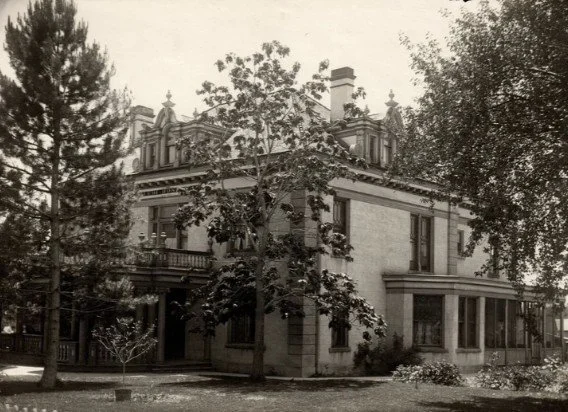
Thomas R. Cutler Mansion
Est. 1900
151 E. State St. Lehi, UT
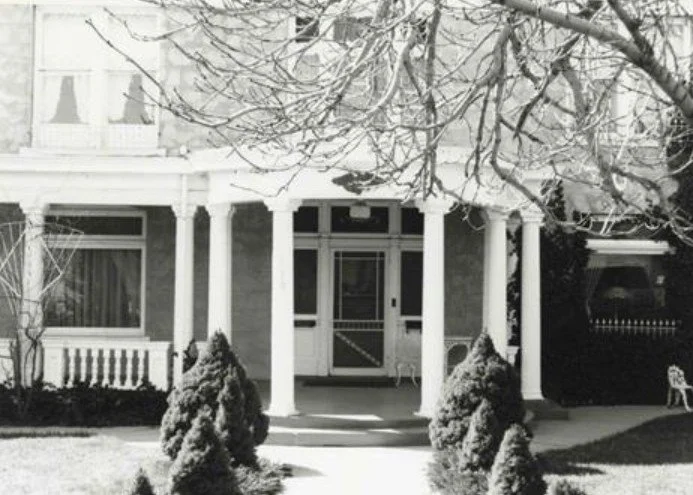
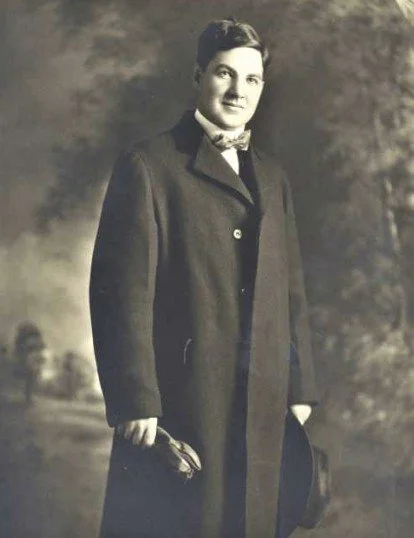
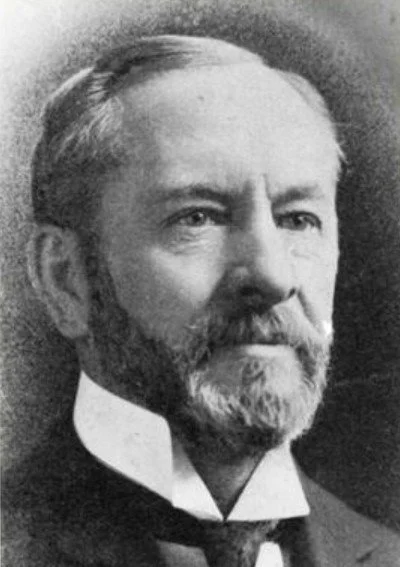
Thomas R. Cutler was one of the most prominent men in the early history of Lehi. He was the owner of the highly successful People’s Co-op, which was in the Osmond Design building on State Street at 151 E. State.
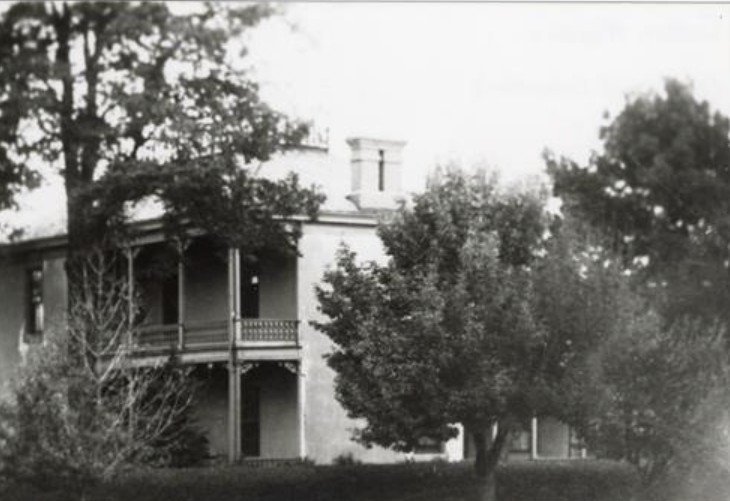
From Hospitality to Hospital
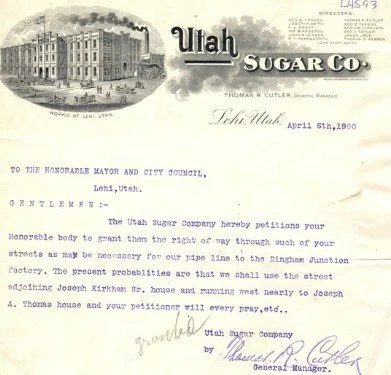
In 1891, Cutler became the general manager of the Lehi Factory of the Utah & Idaho Sugar Company. He worked for the company for 28 years although not all of those years were in Lehi. He was Lehi’s wealthiest citizen of the time.
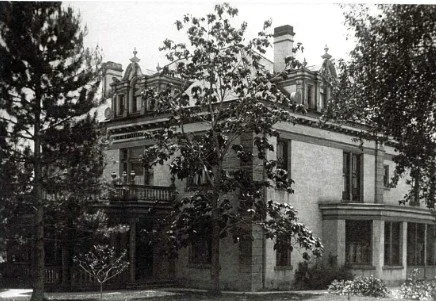
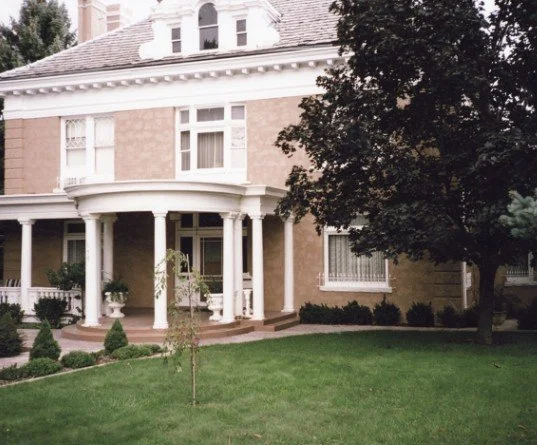
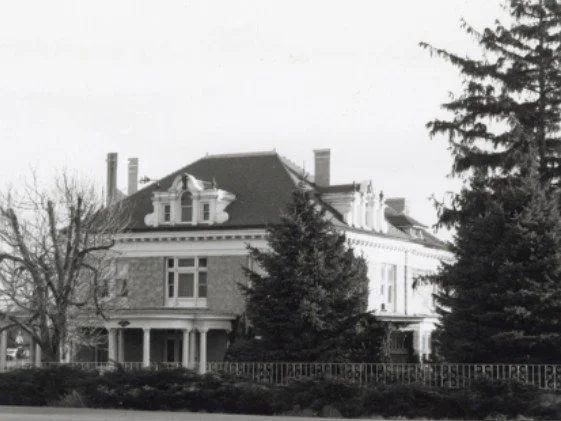
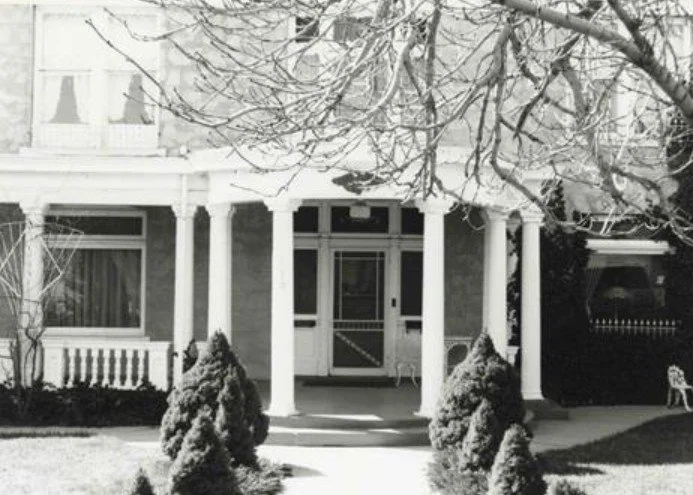
In 1900, he began construction of a $14,000 home on his State Street property—a home that is a near duplicate of the Jesse Knight Mansion in Provo. Both were designed by architects Ware and Treganze. The “Cutler Mansion,” as Lehi people have called the Colonial Revival box-style home, was the “finest resident south of Salt Lake,” according to the Jan. 17, 1901, Lehi Banner.
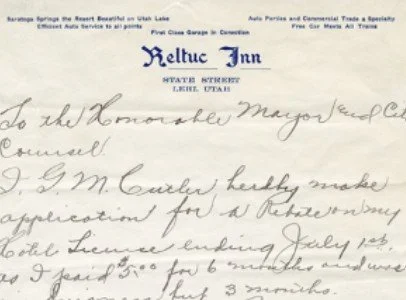
The home was briefly the Reltuc Inn (Cutler spelled backwards). From 1914-1925, Lehi native Dr. Frederick Daniel Worlton ran the Lehi Hospital in the home. Worlton established 10 patient rooms and an operating room upstairs while he and his family lived downstairs.
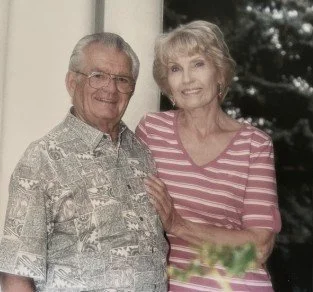
Wallace and Arlene Olsen purchased the home in 1967, when it needed many repairs, and restored it to its former glory. In 1984, the stately mansion was listed on the National Register of Historic Places. Although Wally passed away in 2024, Arlene continues to live in and take care of the beautiful mansion.
Thomas R. Cutler Mansion
-
![]()
1900
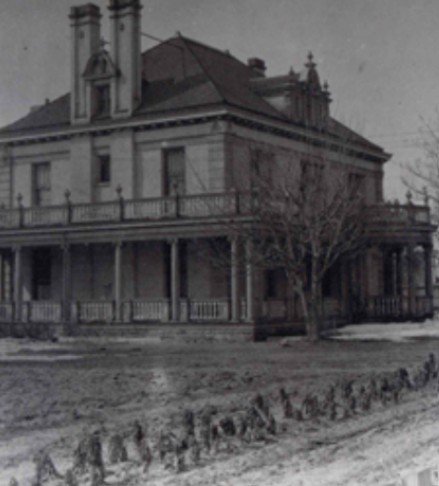
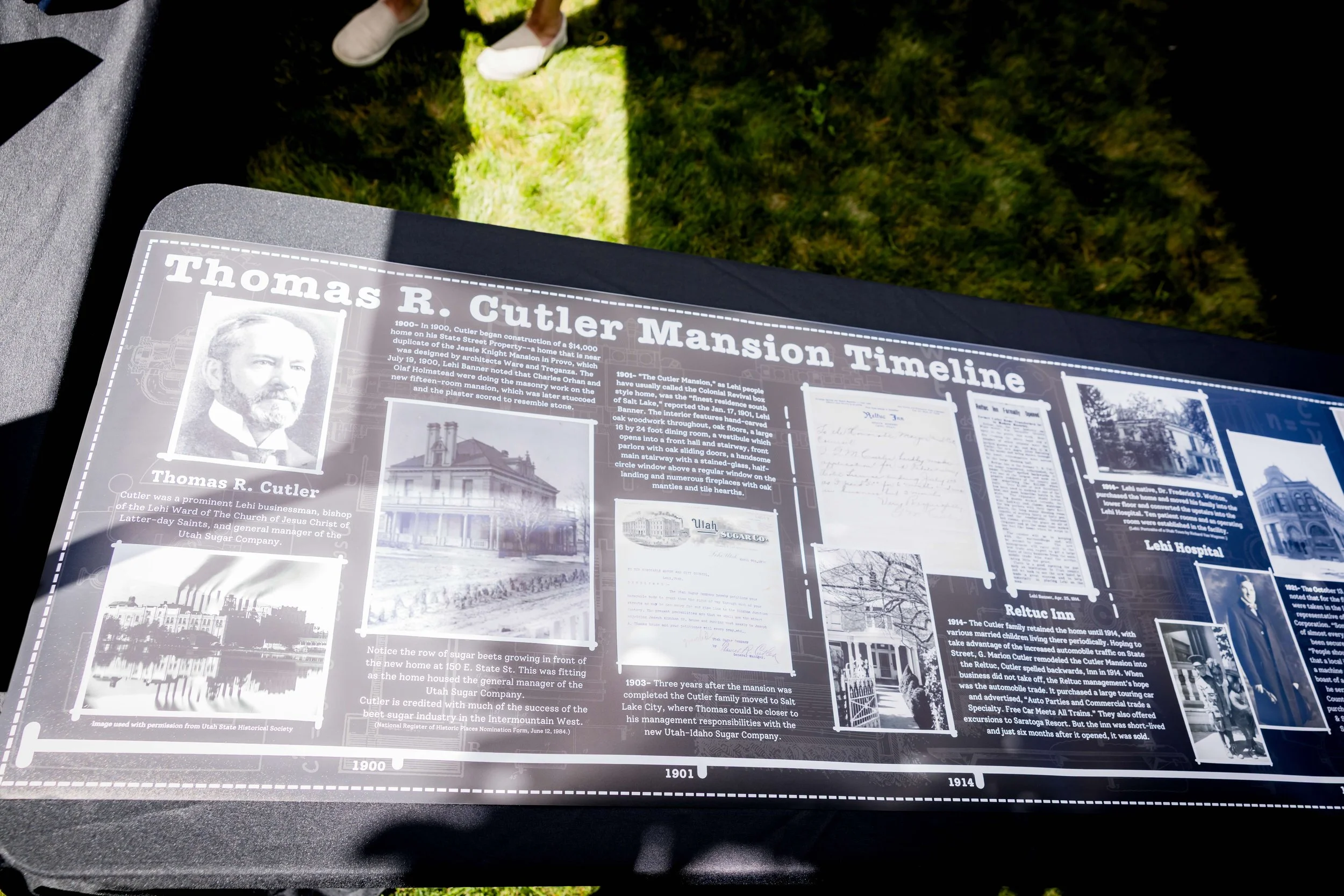
In 1900, Cutler began construction of a $14,000 home on his State Street Property--a home that is near duplicate of the Jessie Knight Mansion in Provo, which was designed by architects Ware and Treganza. The July 19, 1900, Lehi Banner noted that Charles Orhan and Olaf Holmstead were doing the masonry work on the new fifteen-room mansion, which was later stuccoed and the plaster scored to resemble stone.
Notice the row of sugar beets growing in front of the new home at 150 E. State St. This was fitting as the home housed the general manager of the Utah Sugar Company. Cutler is credited with much of the success of the beet sugar industry in the Intermountain West.
(National Register of Historic Places Nomination Form, June 12, 1984.)
-
![]()
1901
"The Cutler Mansion," as Lehi people have usually called the Colonial Revival box style home, was the “finest residence south of Salt Lake," reported the Jan. 17, 1901, Lehi Banner. The interior features hand-carved oak woodwork throughout, oak floors, a large 16 by 24 foot dining room, a vestibule which opens into a front hall and stairway, front parlors with oak sliding doors, a handsome main stairway with a stained-glass, half-circle window above a regular window on the landing and numerous fireplaces with oak mantles and tile hearths.
Three years after the mansion was completed the Cutler family moved to Salt Lake City, where Thomas could be closer to his management responsibilities with the new Utah-Idaho Sugar Company.
-
![]()
1914
The Cutler family retained the home until 1914, with various married children living there periodically. Hoping to take advantage of the increased automobile traffic on State Street, G. Marion Cutler remodeled the Cutler Mansion into the Reltuc, Cutler spelled backwards, Inn in 1914. When business did not take off, the Reltuc management’s hope was the automobile trade. It purchased a large touring car and advertised, “Auto Parties and Commercial trade a Specialty. Free Car Meets All Trains.” They also offered excursions to Saratoga Resort. But the inn was short-lived and just six months after it opened, it was sold.
-
![]()
1914
Lehi native, Dr. Frederick D. Worlton, purchased the home and moved his family into the lower floor and converted the upstairs into the Lehi Hospital. Ten patient rooms and an operating room were established in the facility.
(Lehi: Portraits of a Utah Town by Richard Van Wagoner.)
-
![]()
1921
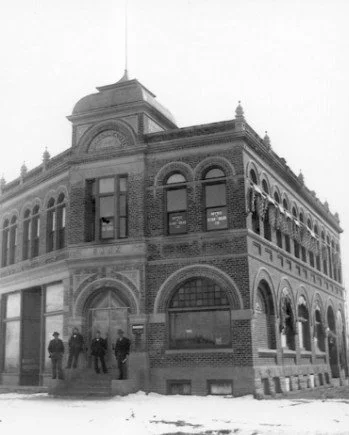
The October 13, 1921, Lehi Sun noted that for the first time x-rays were taken in the Lehi Hospital by a representative of the Victor X-Ray Corporation. “Some wonderful pictures of almost every part of the body have been secured,” the paper wrote. “People should feel proud of the fact that a local institution maintains such a machine as few cities of our size can boast of a like outfit.” In 1925, the year he served as president of the Utah County Medical Society, Dr. Worlton purchased the former Lehi Commercial & Savings Bank Building at 206 East State St., and remodeled the upper floor into a hospital.
(“Cutler Mansion,” by Richard Van Wagoner.)
The home stayed in Worlton hands until 1977.
-
![]()
1977
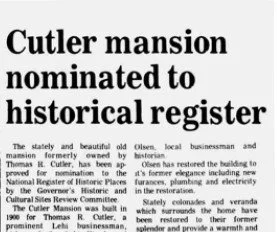
Wallace and Arlene Olsen purchase the 5,054 sq. ft. home. The Olsens work to restore the home to its former elegance including new furnaces, plumbing and electricity.
(“Cutler Mansion nominated to historical register,” Lehi Free Press, May 16, 1984.)
-
![]()
1984
The Cutler Mansion is placed on the National Register of Historic Places for its unusual architecture and history.
(National Register of Historic Places Nomination Form, June 12, 1984.)
-
![]()
1992
The seven-bedroom single family dwelling was listed on the real estate market for $350,000.00.
(Richard Van Wagoner, “Yesteryears: Cutler Mansion,” Lehi Free Press, 21 October 1992)
-
![]()
2024
The Olsens preserved the home known as the Cutler Mansion and have lived there longer than anyone. Much like the old hospital across the street, the mansion could have been torn down had it been purchased by someone else. Wallace Bryan Olsen “Wally” passed away on August 12, 2024, at the age of 90. Arlene Olsen still resides in the home that they lovingly restored together.
Dr. Frederick Daniel Worlton
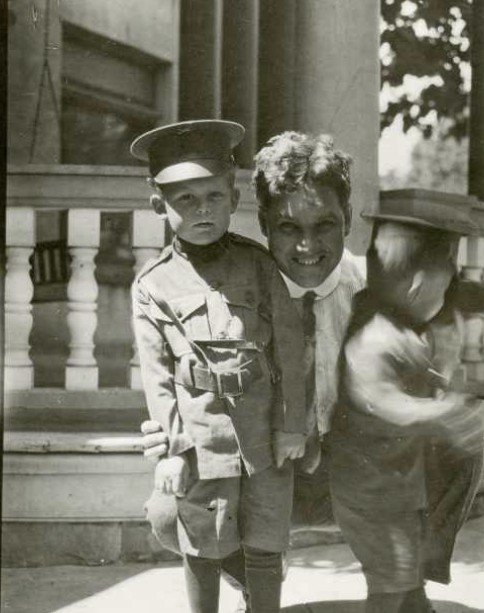
Born in Lehi in 1882, Dr. Frederick Worlton was committed to serving his community and country. In turning the second floor of the Cutler Mansion into a hospital and tending to Lehi residents most in need, he helped bring Lehi into the 20th-century. When Dr. Worlton opened the first Lehi hospital in 1914 World War One had just begun in Europe, there was an economic recession in the United States, and medical advances were on the rise. Having access to a hospital with a well-trained doctor was considered a status symbol for many. Dr. Worlton used his standing as a physician and community member to attract patients and provide Lehi with a level of care not possible before the hospital opened.
When practicing medicine became a formal occupation around the mid-1800s, that meant that how a hospital was supposed to be staffed, structured, and supplied was also standardized. The spread of medical knowledge meant that small hospitals like the one run out of the Cutler mansion could provide a similar standard of care as hospitals in larger cities (as long as the money and well-trained physicians were available).
Along with studying the history of medicine to better understand modern healthcare, studying medical records gives researchers critical information. Click through different types of medical files to better understand what we can learn from medical records kept by physicians like Dr. Worlton.


Marker Location
151 E. State St. Lehi, UT
Marker Unveiling
May 10, 2025
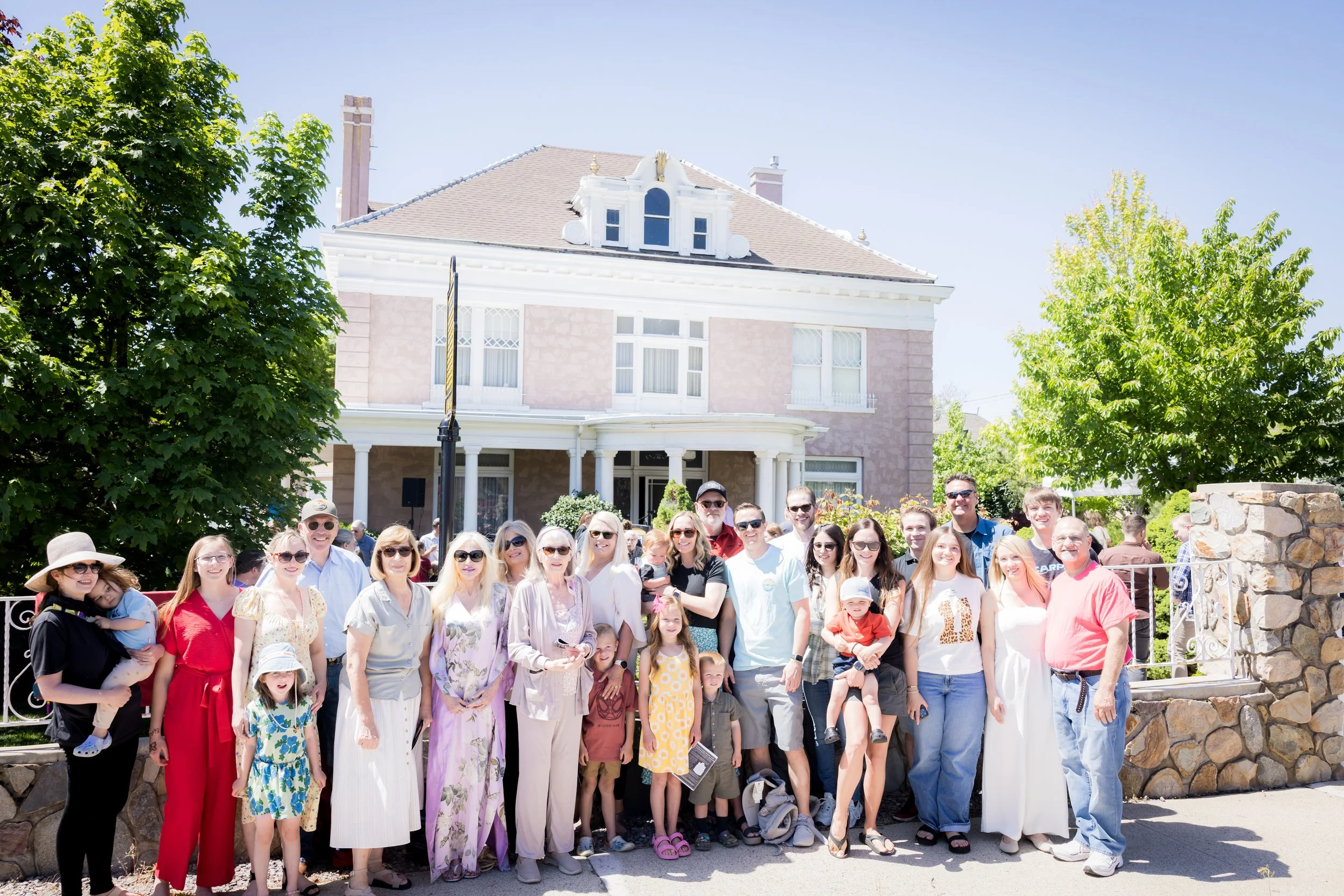
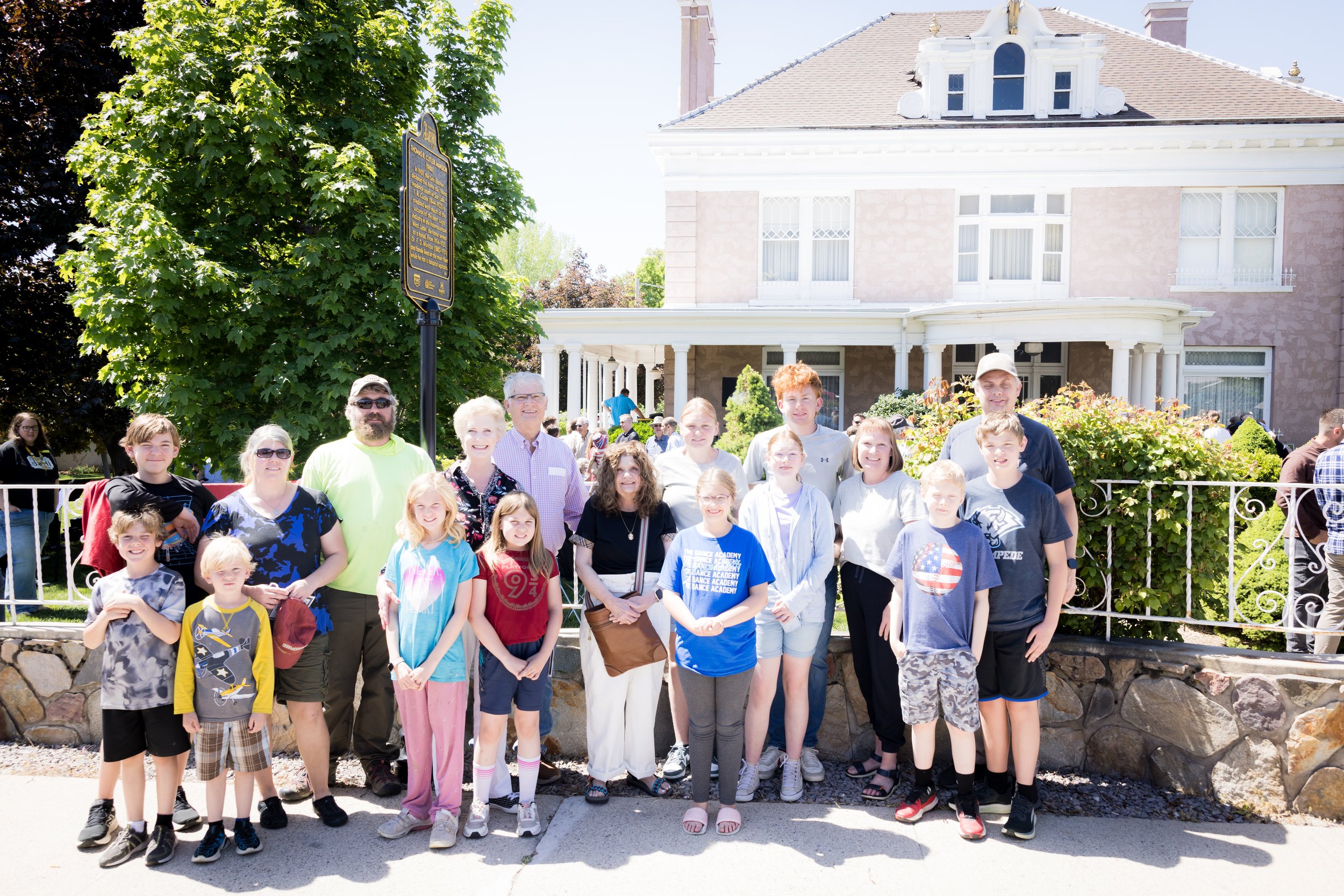
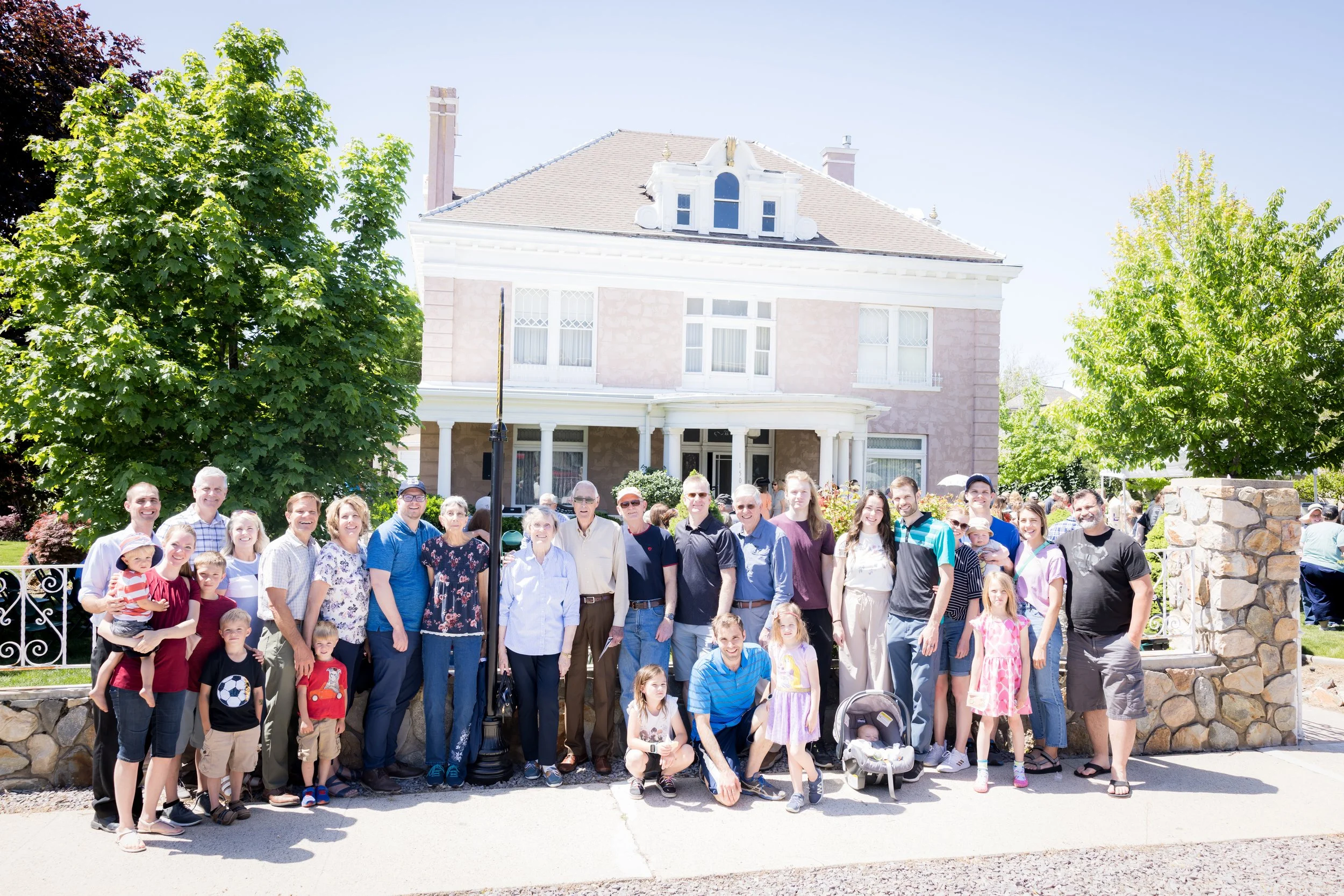
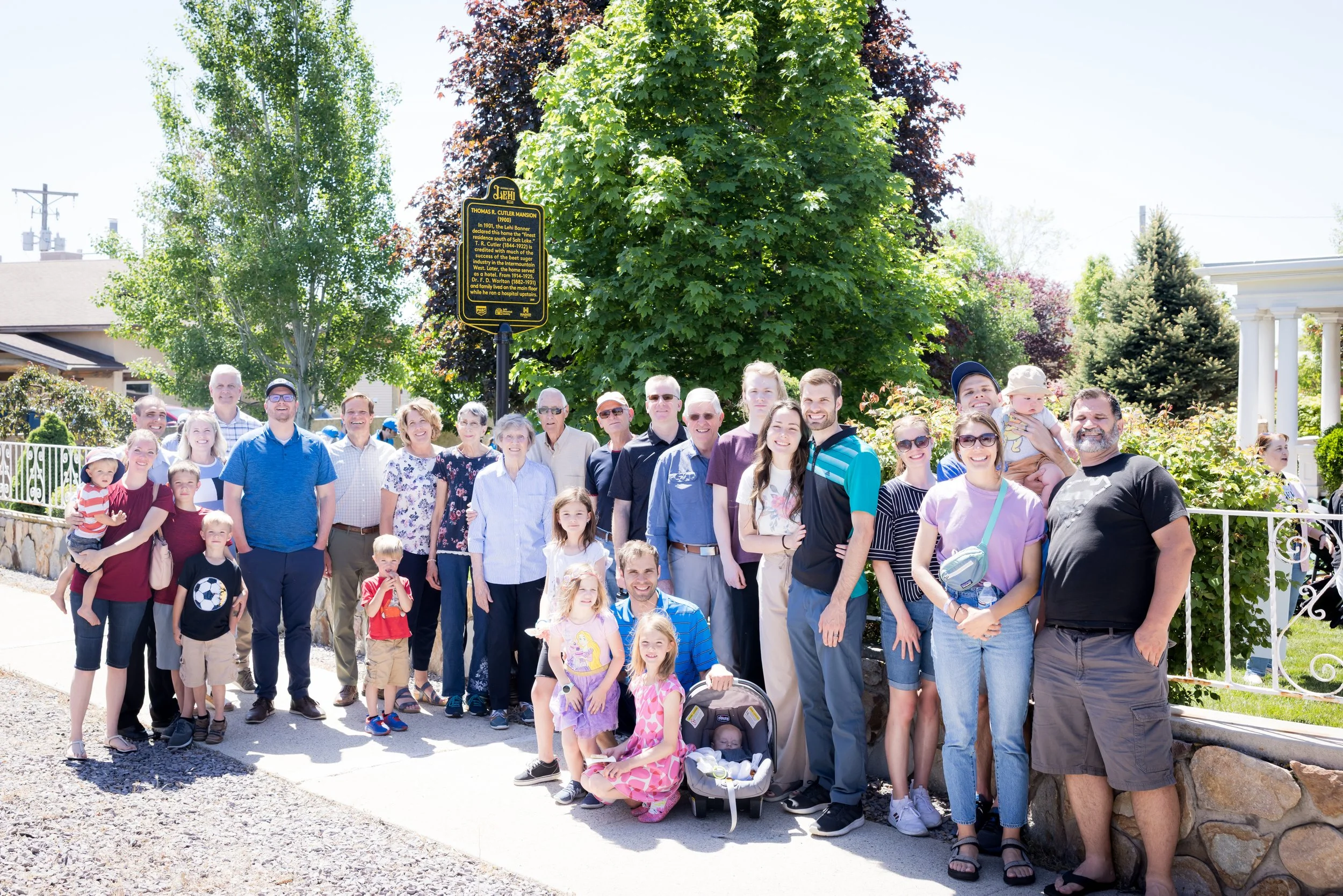
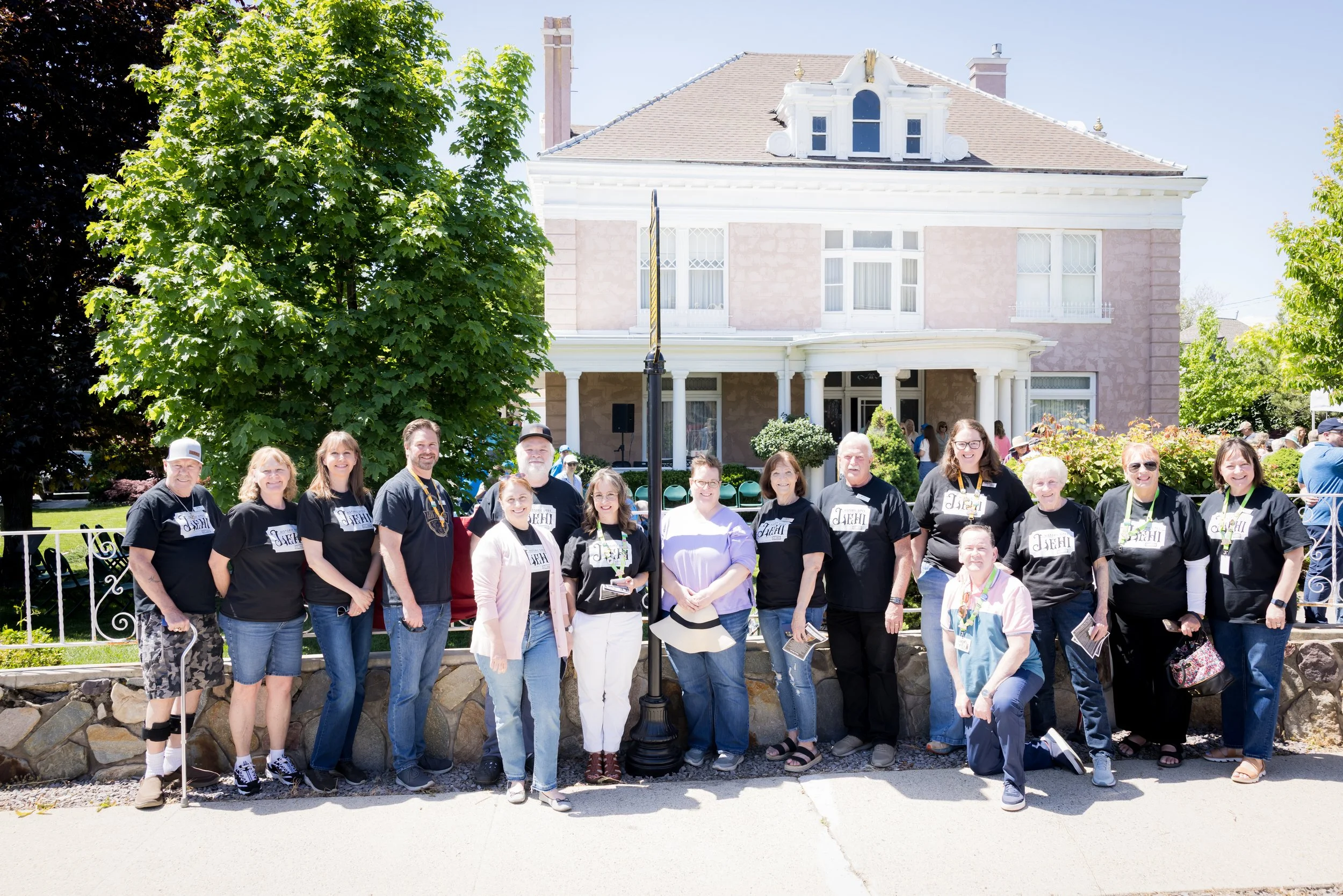
More than 100 people gathered for the historical marker unveiling at the stately pink mansion at 150 East State St.
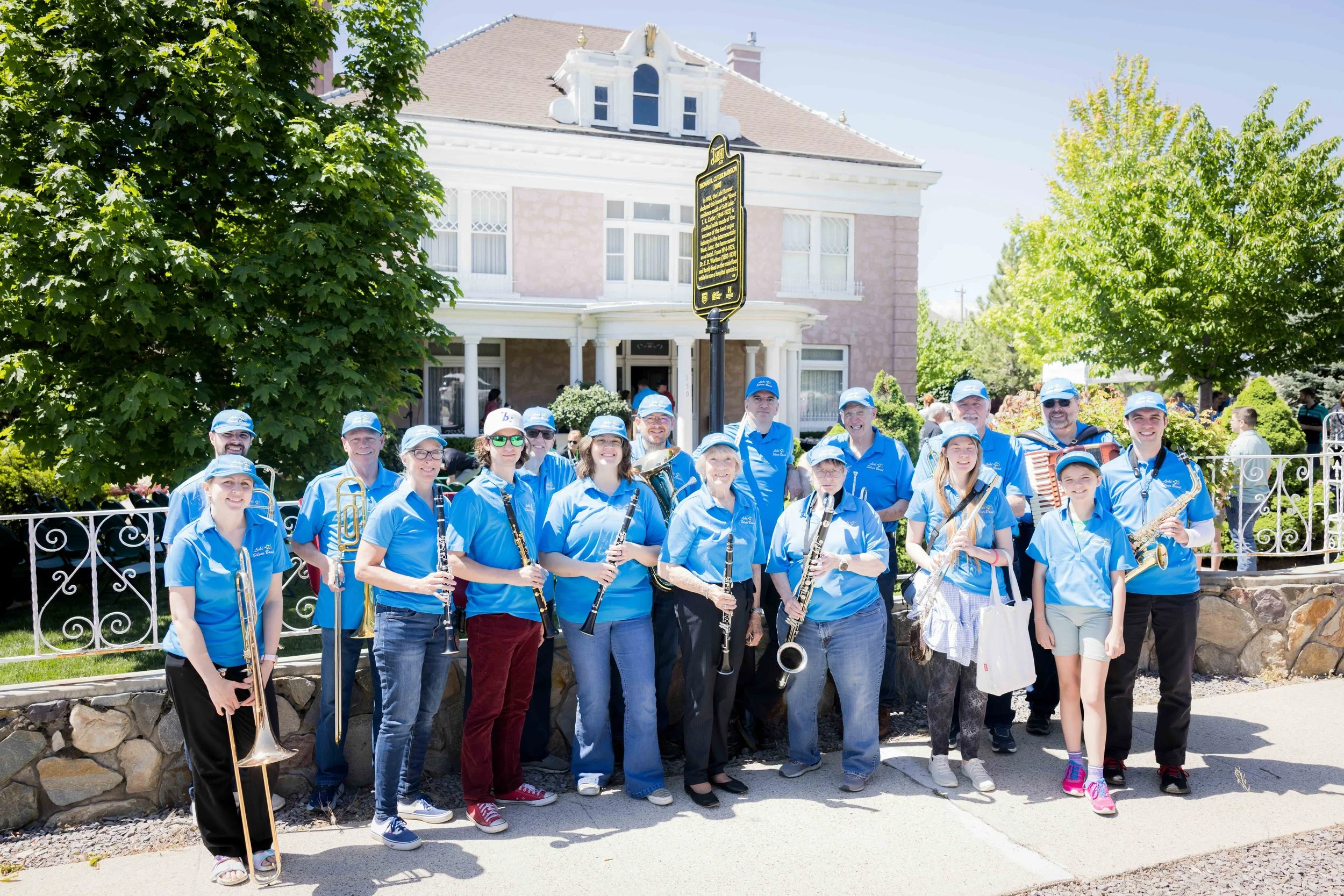
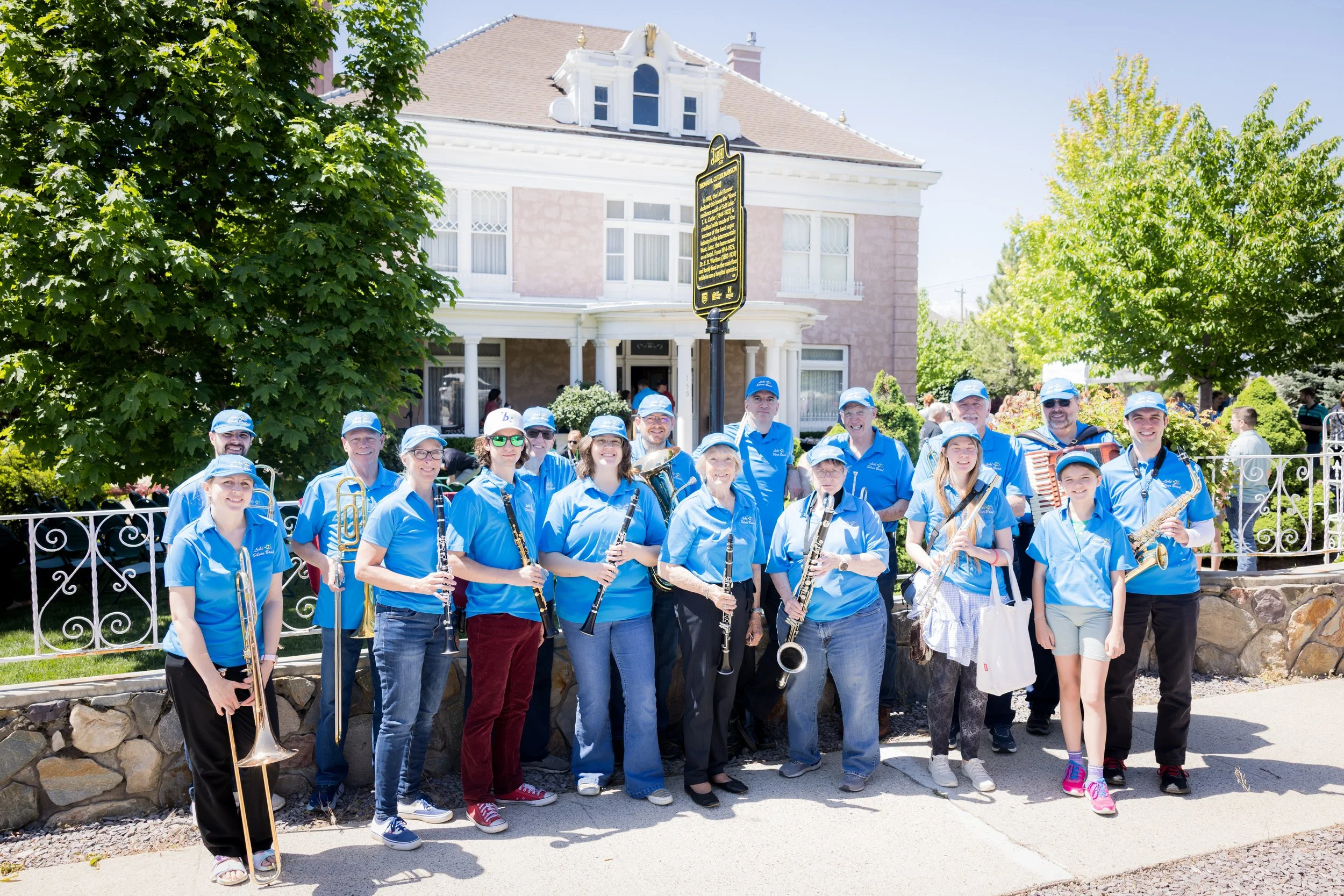
A family member from each of the home’s major historic eras spoke, and the Lehi Silver Band played as it did at the opening of the Reltuc, Cutler spelled backwards, Inn.
In 1900, Lehi’s most prominent citizen, Thomas R. Cutler, began construction of his Colonial Revival box-style home on State Street. It was soon dubbed the “Cutler Mansion.”
The Jan. 17, 1902, Lehi Banner declared the Cutler Mansion, “the finest residence south of Salt Lake.”
The late Wallace “Wally” Olsen and his wife, Arlene, purchased the home in 1977. Through the years, they worked to bring the home back to its former glory while maintaining its historical integrity. The home was placed on the National Register of Historic Places in 1984. Wally and Arlene operated Outpost Antiques in Sandy, and then Lehi.
The marker is the ninth of the Lehi Historical Marker Program.
-
![]()
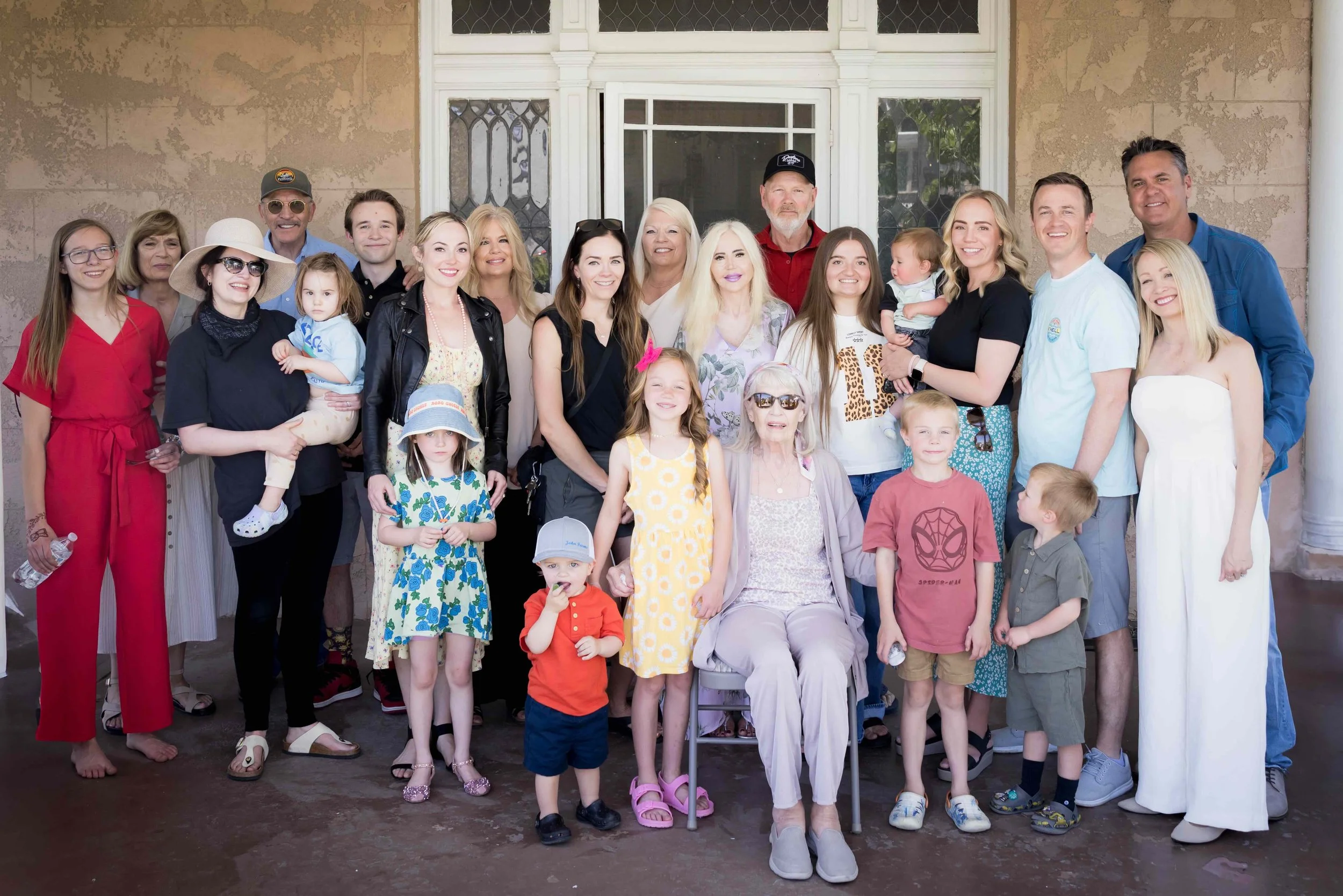
The Wally and Arlene Olsen family gathers on the porch of their historic home.
-
![]()
The Lehi Silver Band played at the unveiling, like it did at the opening of the Reltuc Inn.
-
![]()
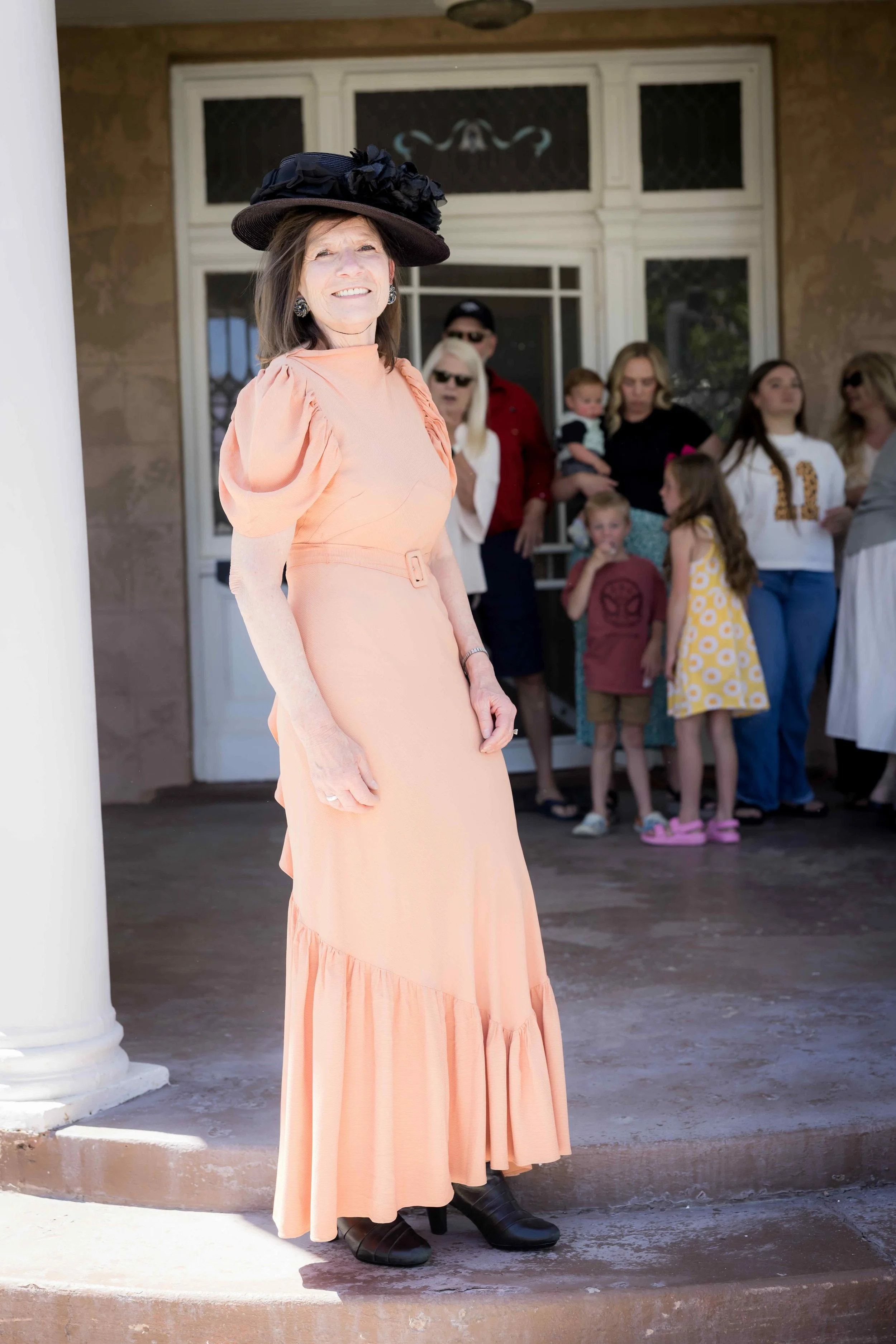
Jeana Christofferson conducted the unveiling.
-
![]()
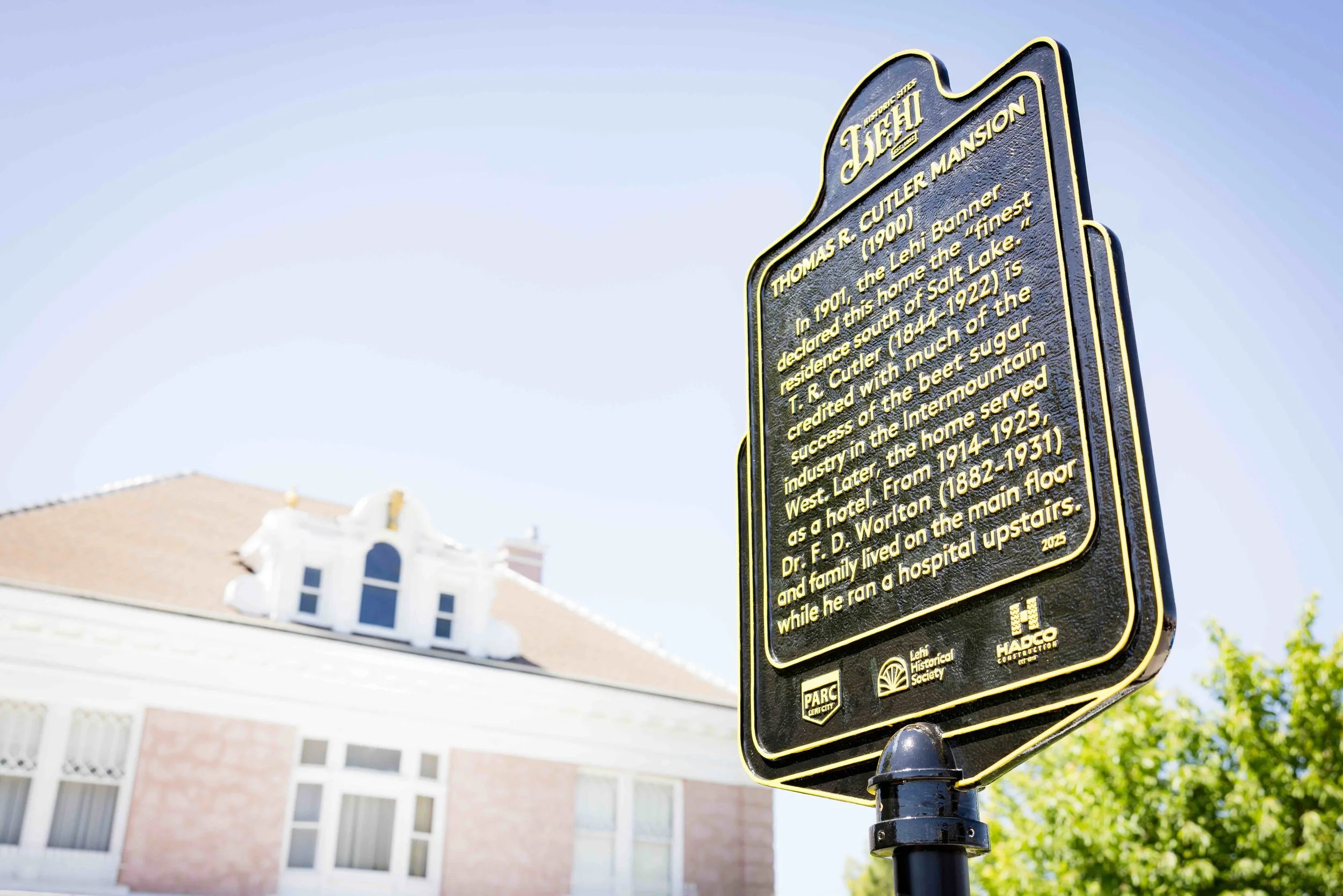
The historic marker summarizes the first 30 years of the home.
-
![]()
A timeline recorded the different eras of the historic home.
-
![]()
-
![]()
-
![]()
-
![]()
-
![]()
-
![]()
Learn More
Investigate our online archive for more information on the Thomas R. Cutler Mansion

Content Contributors
——, Lehi Historical Society
Kasia May, University of Utah
Support our Mission
Purchase collector marker pins to show your Lehi spirit! Your purchase will support the Lehi Historical Marker Program and the Lehi Historical Society. There are currently 15 pins available in our gift shop
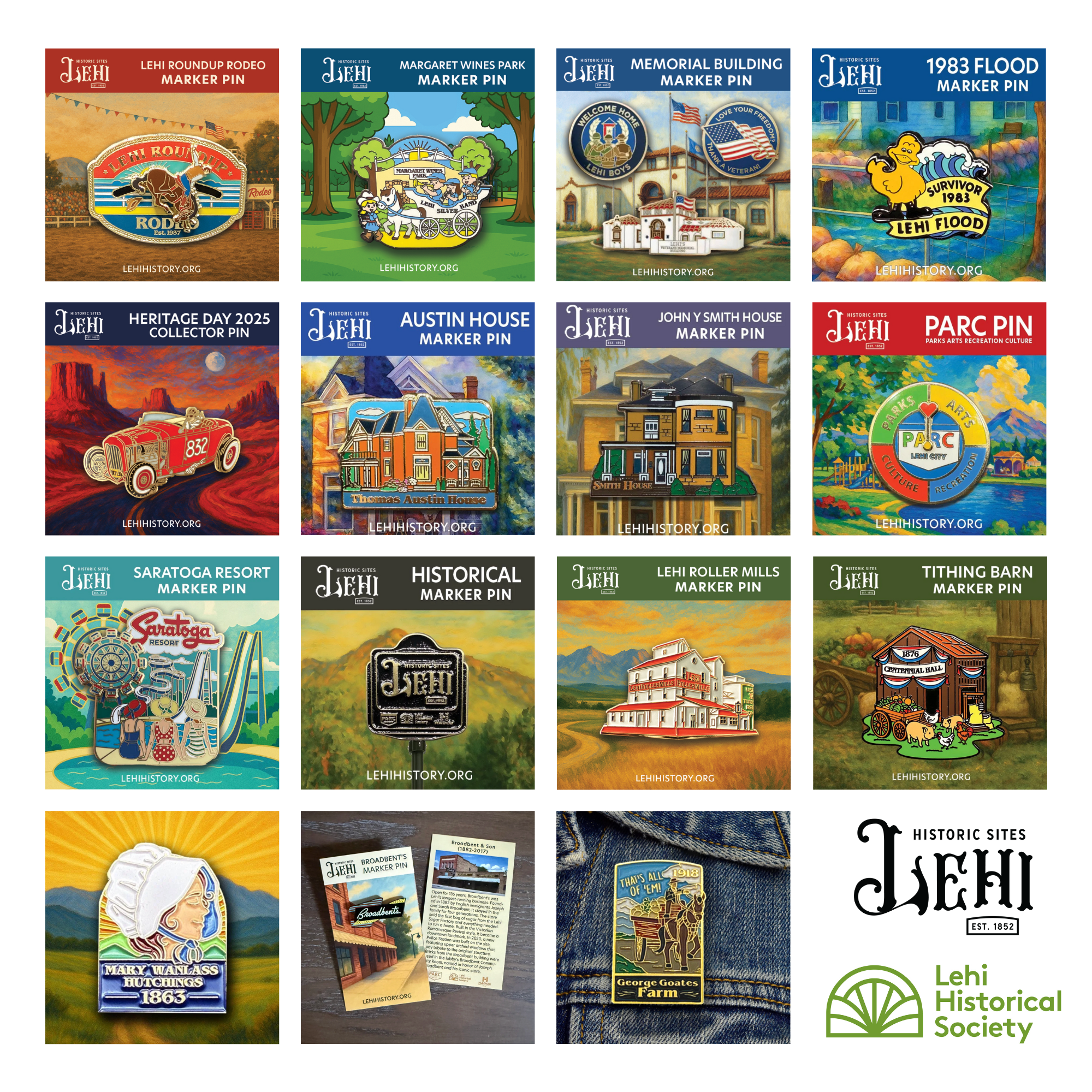
Celebrate Lehi’s history with our complete 15-pin collection. This special bundle includes one of each enamel pin from the Historical Marker Collection.
Pins included in the full set:
• Lehi Roundup Rodeo Marker Pin
• Margaret Wines Park Marker Pin
• Memorial Building Marker Pin
• 1983 Flood Marker Pin
• Heritage Day 2025 Collector Pin
• Austin House Marker Pin
• John Y Smith House Marker Pin
• PARC Pin
• Saratoga Resort Marker Pin
• Historical Marker Pin
• Lehi Roller Mills Marker Pin
• Tithing Barn Marker Pin
• Mary Wanlass Hutchings 1863 Pin
• Broadbent’s Marker Pin
• George Goates Farm Marker Pin
Each pin reflects a real story from Lehi’s past. Landmarks, founders, the rodeo, community legends, floods, and the places that shaped our city. This full set brings together every marker design in one place. It is perfect for collectors, teachers, longtime Lehi families, newcomers wanting to learn the stories behind our city, or anyone looking for a meaningful gift that supports local history.
Take home the complete collection and own 15 pieces of Lehi’s story.

First published in 1950 to commemorate Lehi’s 100th anniversary, Lehi Centennial History is a foundational record of the city’s early pioneers, institutions, and milestones. This high-quality hardcover reprint preserves the original content and layout, offering readers a detailed look at the people and events that shaped Lehi during its first century.
With historical photographs, biographical sketches, and community highlights, this book is an essential addition to any Lehi history collection. Whether you're a resident, researcher, or history enthusiast, this volume offers lasting value and insight into one of Utah’s earliest settlements.
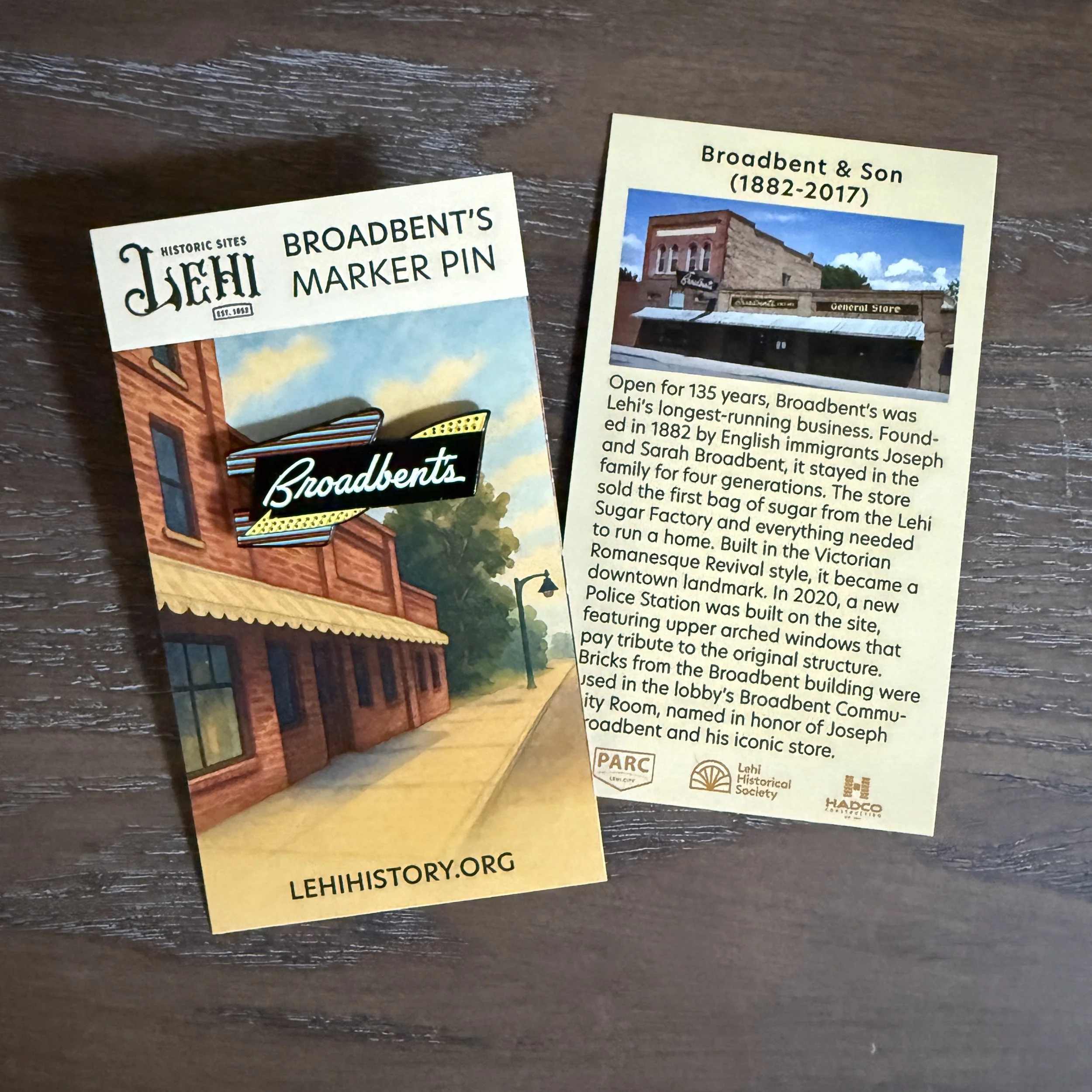
Celebrate a Lehi icon with this Historical Marker collector pin honoring Broadbent’s Store, the longest-running business in Lehi’s history and a cornerstone of the community for 135 years.
Soft enamel with black dyed metal plating
Features the vintage neon Broadbent’s sign installed in 1954
Measures 1.25 inches in length
Single-post backing with secure rubber cover
Perfect for collectors, history lovers, and proud Lehi locals
Founded in 1882 by English immigrants Joseph and Sarah Broadbent, the store was passed down through four generations and became known for offering everything from dry goods to fine fabrics. It sold the first bag of sugar produced by the Lehi Sugar Factory and served as a trusted hub for generations of families. The iconic neon sign, featured in this pin, hung proudly from 1954 until the store’s closing in 2017. Today, the arched windows of the Lehi Police Department pay tribute to the building that once stood in its place.
A nostalgic keepsake celebrating a legacy of service, family, and small-town pride.