
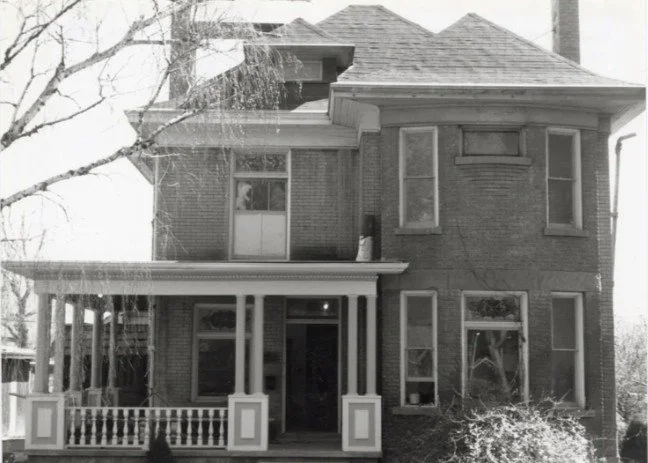
John Y. Smith House
Est. 1903
518 North 100 East Lehi, Utah
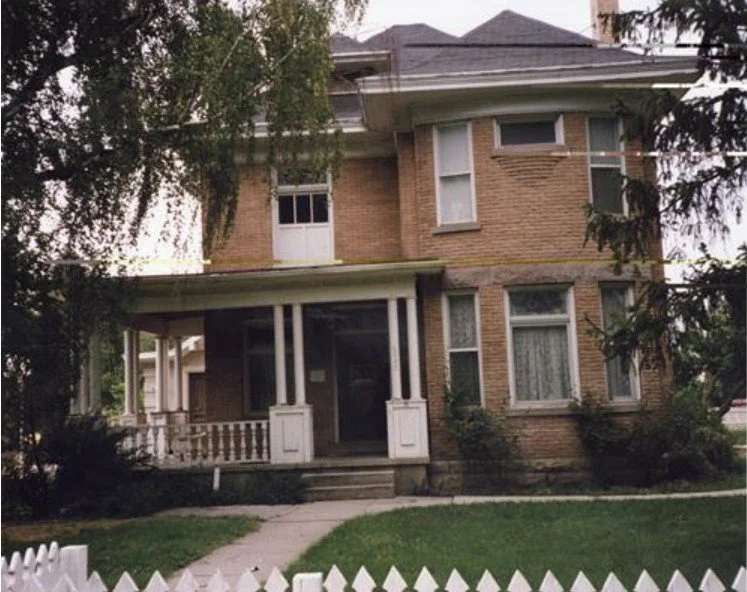
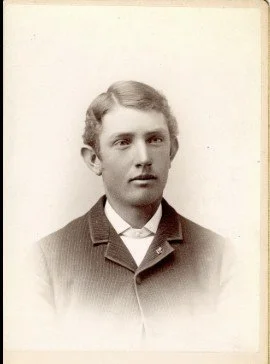
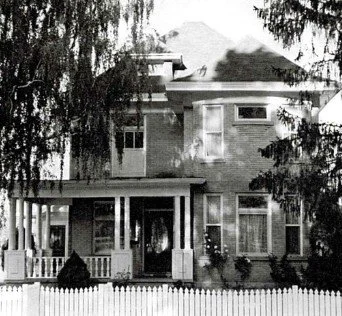
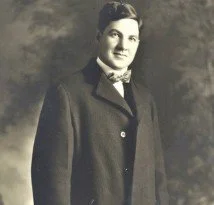
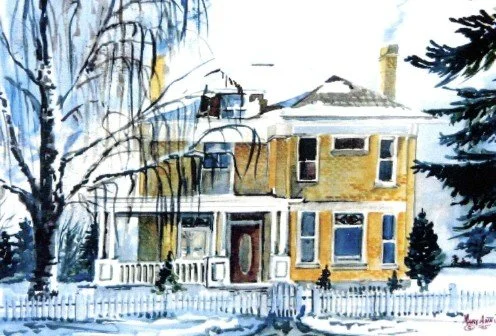
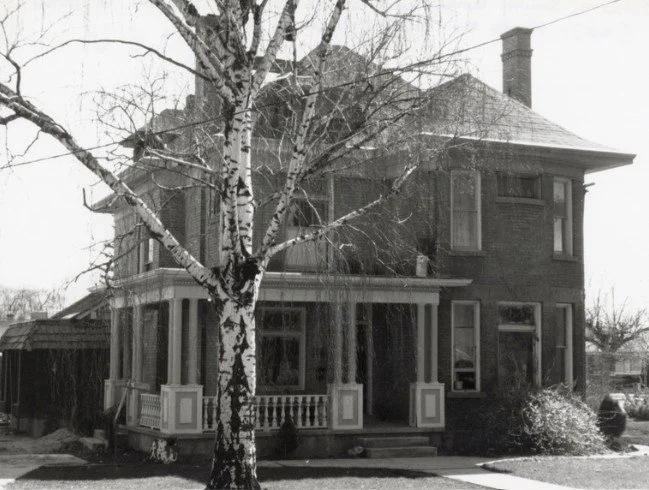
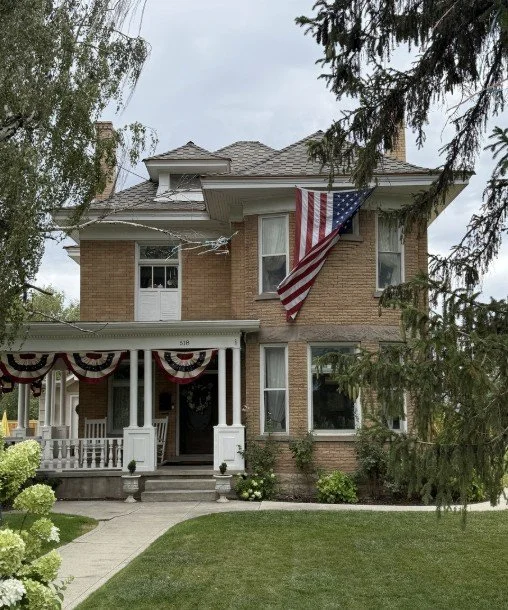
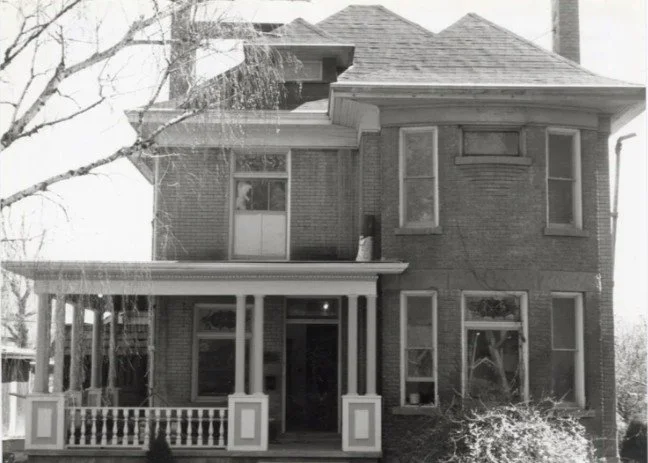
The John Y. Smith House was constructed in 1903 at 518 N. 100 East in Lehi. A significant businessman, civic leader and Utah state senator, Smith built the house for his residence and lived there until 1911. The house was placed on the National Register of Historic Places on Dec. 4, 1998.
Built for a Lifetime
The unknown designer of the home freely combined popular styles of the period to create a Victorian form with Colonial Revival elements. According to the house’s registration form for the National Register of Historic Places, the “wood Tuscan-style columns [of the porch], paired and mounted on paneled wood boxes [to] support a dentelle classical cornice and flat roof,” were common Colonial Revival elements on Victorian Eclectic structures. The home is an example of the substantial houses built in Lehi at the beginning of the 20th century as Lehi matured into a thriving agricultural, industrial and transportation center in Utah County.
John Y. and his wife, Emerette Cutler, built the home in the business district that quickly sprang up when the Utah Southern Railroad reached Lehi in 1872. Emerette was one of 12 children of Laura E. Coons and Thomas R. Cutler, Lehi’s most prominent and successful citizen of the time and the second bishop of the Lehi Ward of The Church of Jesus Christ of Latter-day Saints. Her parents’ 15-room Cutler Mansion, located at 150 E. State St., was listed on the National Register of Historic Places in 1984 and is located a block north of this house.
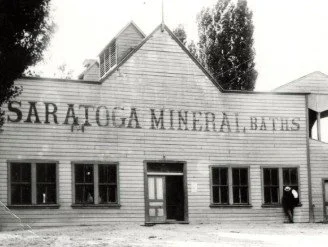
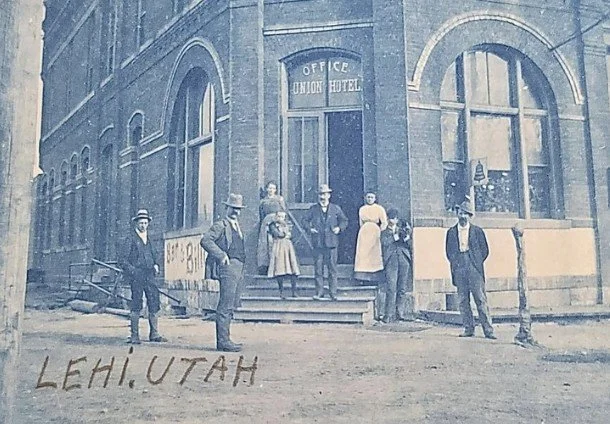
In 1900, Smith was appointed manager of Saratoga Springs, the popular resort on Utah Lake, following its purchase by the Utah Sugar Company. He was manager for only a short time before he moved to other commercial interests. By 1905, Smith was a partner in the Union Hotel, Lehi Roller Mills, the Standard Knitting Company and the Kenley Clay Beds of Cedar Valley. Primarily, however, he was the cashier of the Lehi Commercial and Savings Bank, which became the People’s Bank of Lehi.
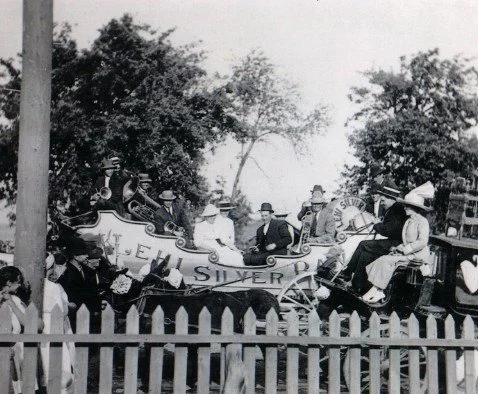
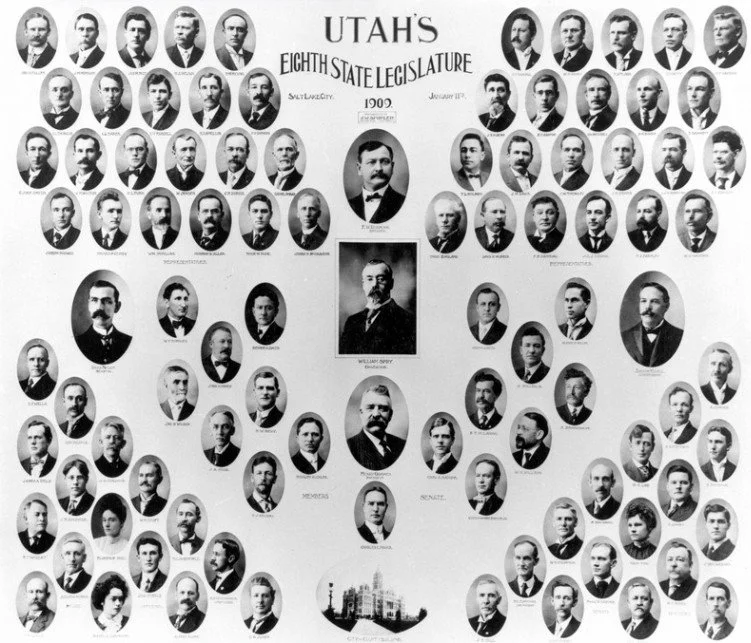
Smith was a founding member of the Lehi Silver Band and the leader until 1897, when he left Lehi to serve as a missionary for The Church of Jesus Christ of Latter-day Saints. He was city attorney from 1901-1904, a charter member of the Lehi Commercial Club in 1905 and elected to the Utah State Senate in 1906, serving from 1907 until 1911. The Smiths left Lehi in 1911 and moved to Salt Lake City.
Mrs. Samuel A. Smith owned the home until 1920. During this time, the house became Lehi’s first hospital, though it only remained so for a few months. In March of 1914, Dr. Fred Worlton, rented the house for use as a hospital, opening the facility in June 1914.
The Worltons lived on the first floor while four rooms on the second floor functioned as patient rooms and an operating room. After just four months, the hospital was moved to the Cutler Mansion on State Street.
In 1920, Ruth Pearl Fowler Cutler and her husband John Franklin Cutler bought the house from Mrs. Smith. In 1925 the Cutlers sold the house to Israel L. Lott. The Lott family owned the house until 1951.
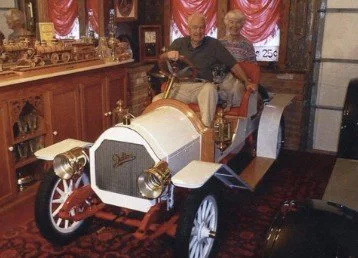
In 1964, Glade L. and Laurelle Dalton purchased the house. They remained there until 1985. Through the years, the house remained in a largely original state though in the 1970s, the Daltons constructed a one-story addition to the east side of the house to store Glade’s collection of antique cars.
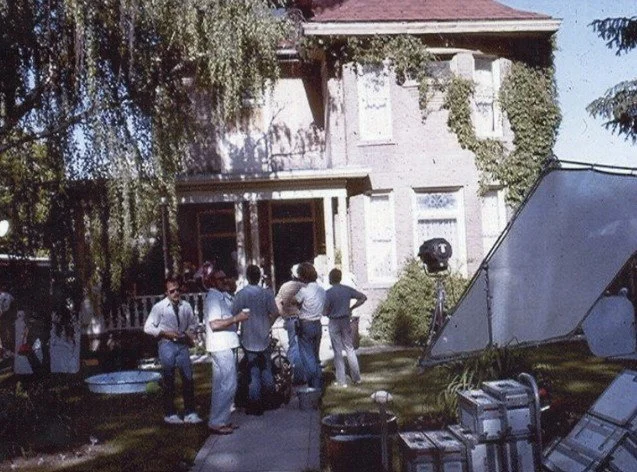
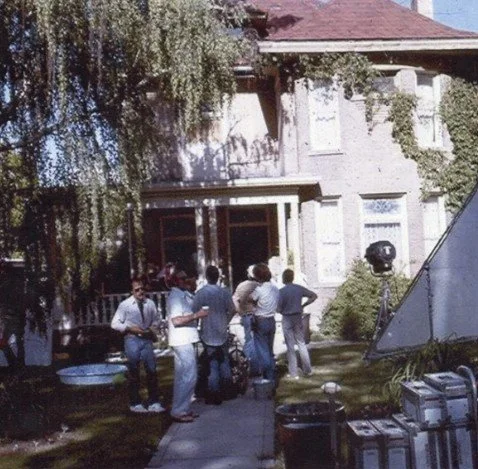
In 1984, portions of the movie Footloose were filmed in the house.
Jess and Shaylie George Green purchased the home in 2012, According to Jess, “Funny enough, we’ve tried to keep everything as original as possible instead of new and modern.”
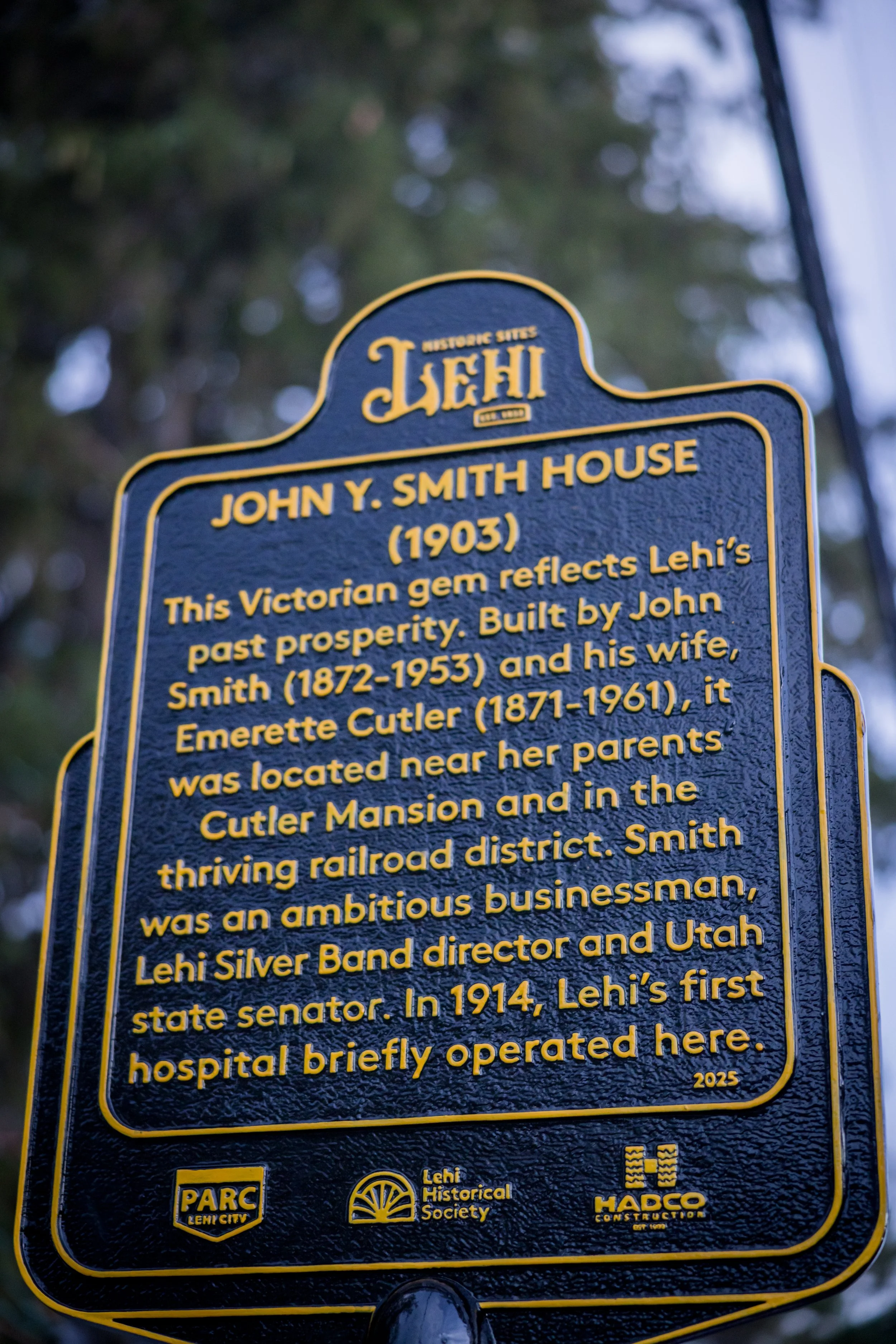
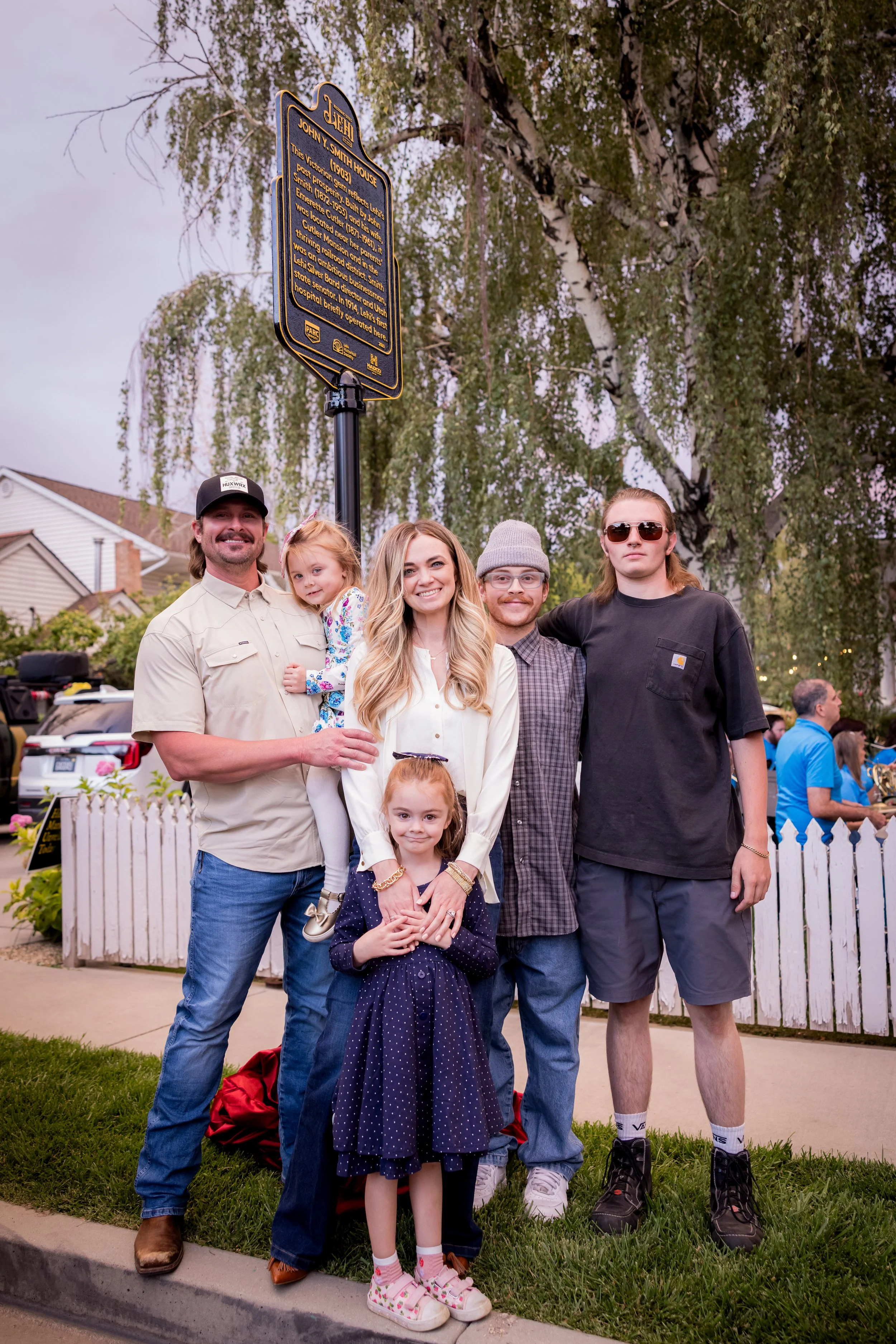
The John Y. Smith House historical marker was unveiled on Sept. 10, 2025, at 518 N. 100 East. It was the 13th marker installed in the Lehi Historical Marker Program.
John Y. Smith House
-
![]()
1897
John Y. Smith was a founding member of the Lehi Silver Band and the leader until 1897. When he left Lehi to serve as a missionary for The Church of Jesus Christ of Latter-day Saints, the August 24, 1899, Lehi Banner reported: “The members of the old silver band assembled at the residence of J. M. Kirkham and gave a social to their departing leader.”
(Van Wagoner, R. S. 1990. Lehi Portraits of a Utah Town. Lehi City Corporation. p. 310.)
-
![]()
1900
In 1900, Smith was appointed manager of Saratoga Springs, the popular resort on Utah Lake, following its purchase by the Utah Sugar Company. He was manager for only a short time before he moved to other commercial interests.
-
![]()
1903
John Y. and his wife, Emmerette Cutler, built the home in the business district that quickly sprang up when the Utah Southern Railroad reached Lehi in 1872. Emmerette was one of 12 children of Laura E. Coons and Thomas R. Cutler, Lehi’s most prominent and successful citizen of the time and the second bishop of the Lehi Ward of The Church of Jesus Christ of Latter-day Saints. Her parents’ 15-room Cutler Mansion, located at 150 E. State St., was listed on the National Register of Historic Places in 1984 and is located a block north of this house.
(National Register of Historic Places Registration Form, section 8, p. 3-4, 5 Nov 1998.)
-
![]()
1905
By 1905, Smith was a partner in the Union Hotel, Lehi Roller Mills, the Standard Knitting Company and the Kenley Clay Beds of Cedar Valley. Primarily, however, he was the cashier of the Lehi Commercial and Savings Bank, which became the People’s Bank of Lehi.
(National Register of Historic Places Registration Form, section 8, p. 4, 5 Nov 1998.)
-
![]()
1901-1911
John Y. Smith was city attorney from 1901-1904, a charter member of the Lehi Commercial Club in 1905 and elected to the Utah State Senate in 1906, serving from 1907 until 1911. The Smiths left Lehi in 1911 and moved to Salt Lake City.
(National Register of Historic Places Registration Form, section 8, p. 4-5, 5 Nov 1998.)
-
![]()
1914
Mrs. Samuel A. Smith owned the home until 1920. During this time, the house became Lehi’s first hospital, though it only remained so for a few months. In March of 1914, Dr. Fred Worlton, rented the house for use as a hospital, opening the facility in June 1914. The Worltons lived on the first floor while four rooms on the second floor functioned as patient rooms and an operating room. After just four months, the hospital was moved to the Cutler Mansion on State Street.
(National Register of Historic Places Registration Form, section 8, p. 5, 5 Nov 1998.)
-
![]()
1920-1951
In 1920, Ruth Pearl Fowler Cutler and her husband John Franklin Cutler bought the house from Mrs. Smith. In 1925, the Cutlers sold the house to Israel L. Lott. The Lott family owned the house until 1951.
(National Register of Historic Places Registration Form, section 8, p. 5, 5 Nov 1998.)
-
![]()
1964
In 1964, Glade L. and Laurelle Dalton purchased the house. They remained there until 1985. Through the years, the house remained in a largely original state though in the 1970s, the Daltons constructed a one-story addition to the east side of the house to store Glade’s collection of antique cars.
(National Register of Historic Places Registration Form, section 8, p. 5, 5 Nov 1998.)
-
![]()
1984
In 1984, portions of the movie Footloose were filmed in the John Y. Smith house.
(National Register of Historic Places Registration Form, section 8, p. 5, 5 Nov 1998.)
-
![]()
1998
The John Y. Smith home was put on the National Register of Historic Places November 5, 1998.
-
![]()
2012
Jess and Shaylie George-Green purchased the home in 2012, and they have tried to be true to the original design in their updates.
Marker Location
518 North 100 East Lehi, Utah
Marker Unveiling
Sept. 10, 2025
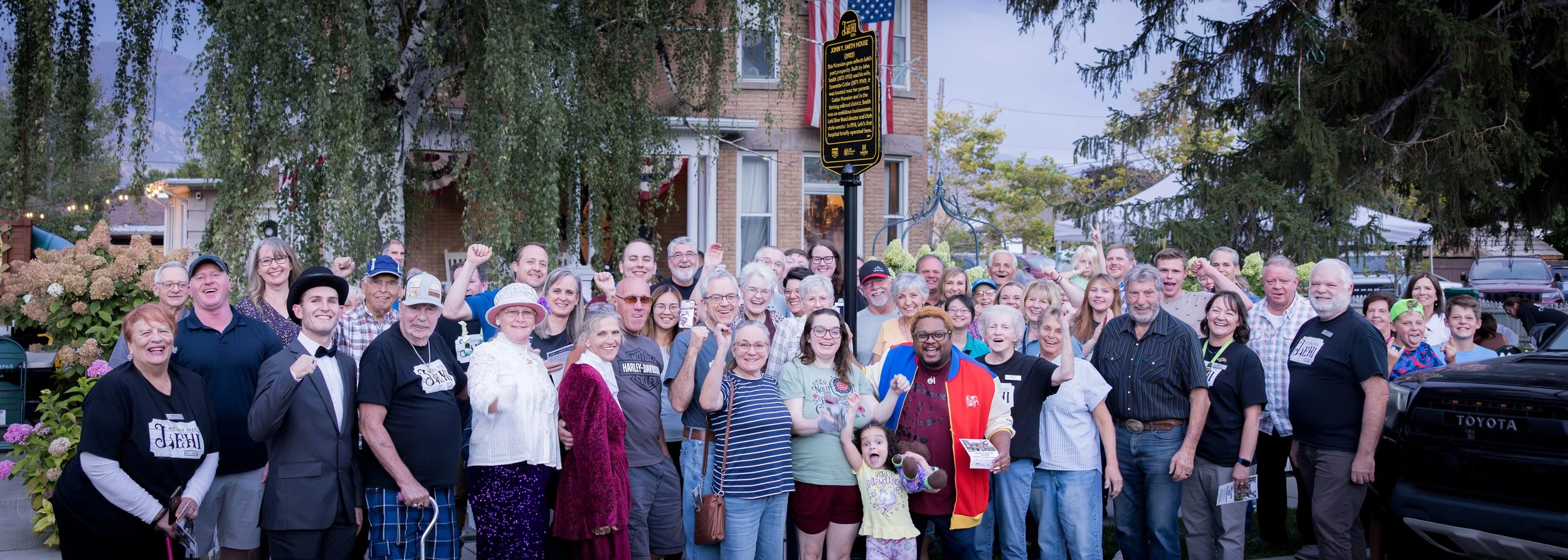
The Lehi Historical Society unveiled the John Y. Smith House historical marker at 518 N. 100 East. Smith was involved in several Lehi businesses, served as the city’s attorney and eventually served in the Utah state senate.
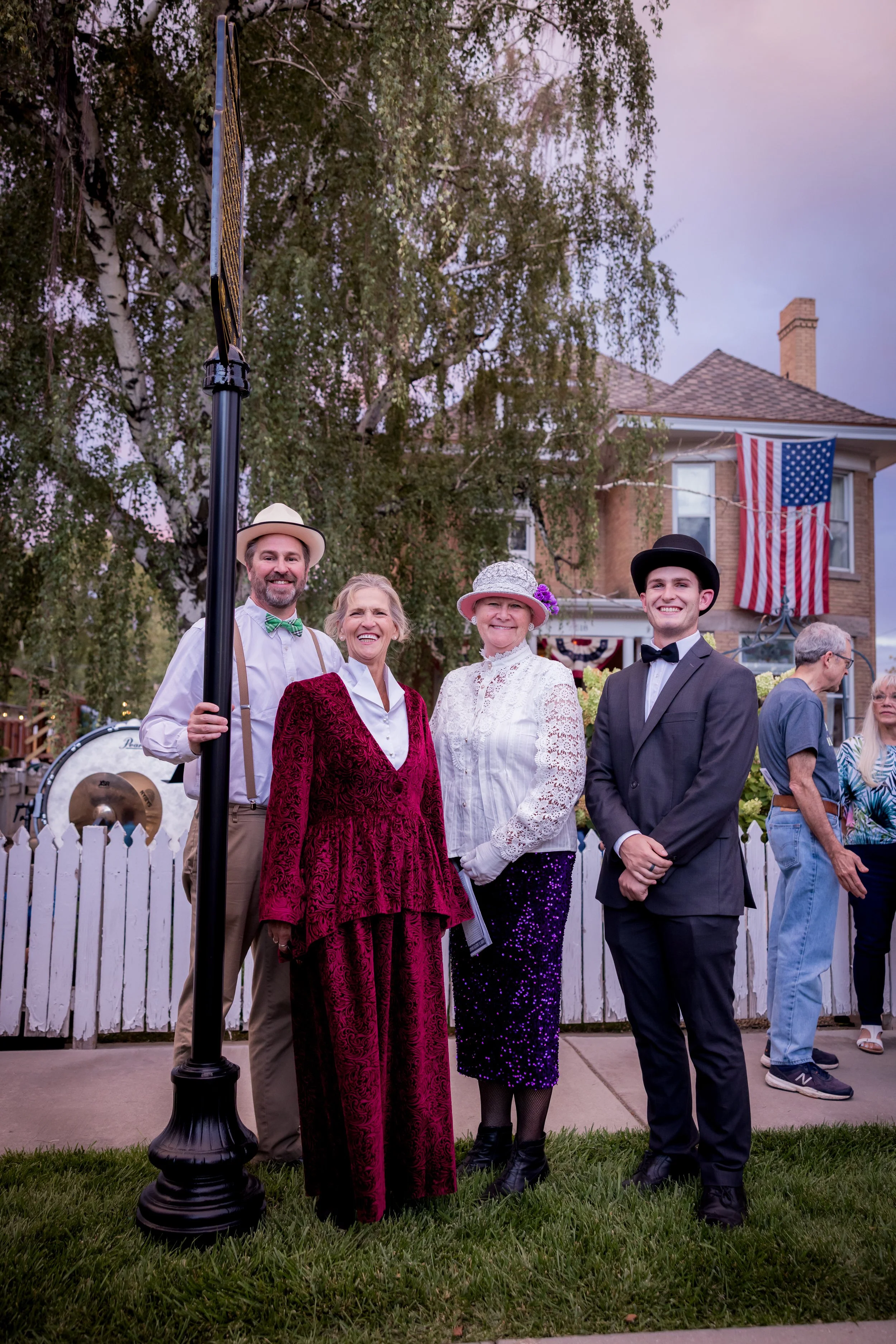
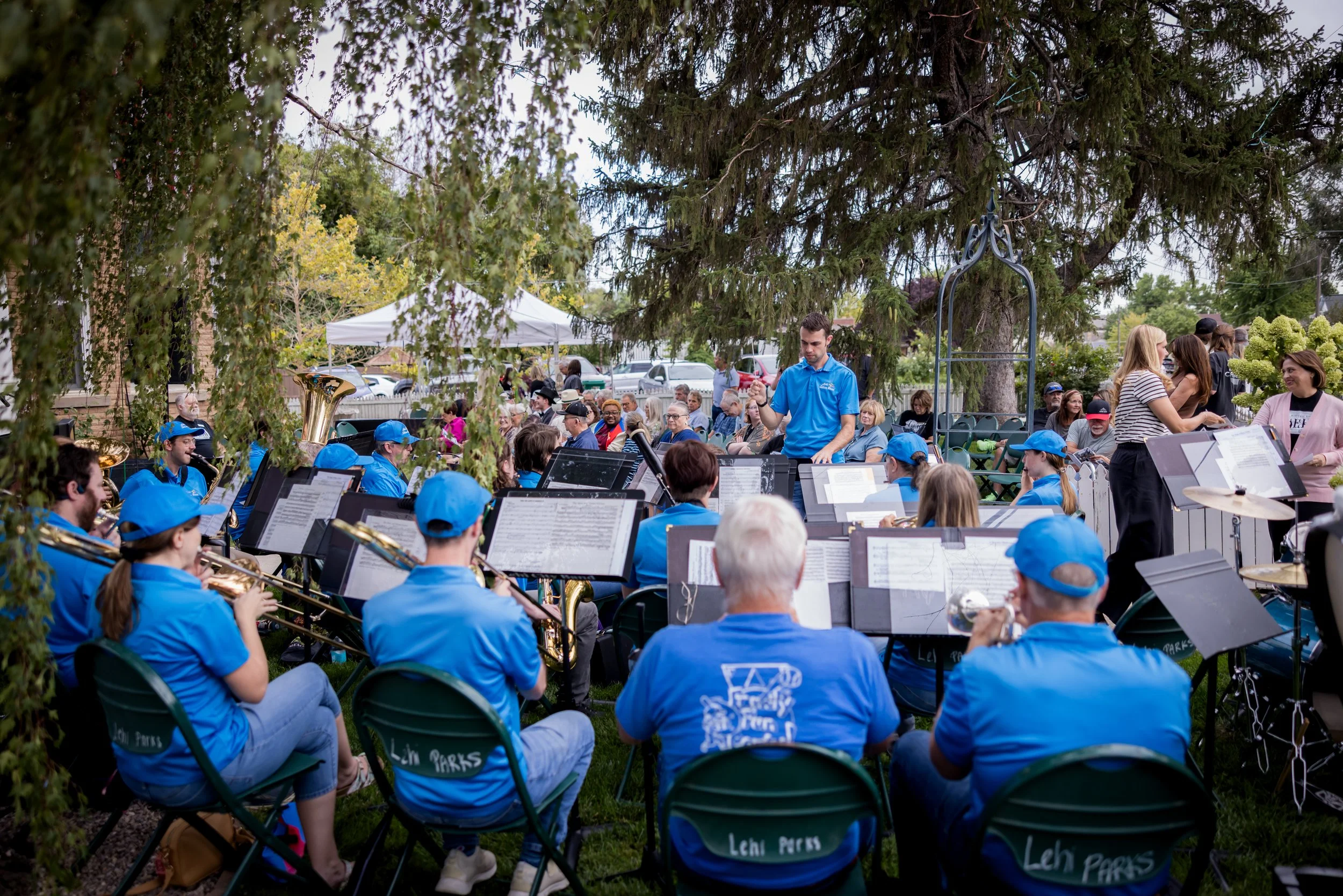
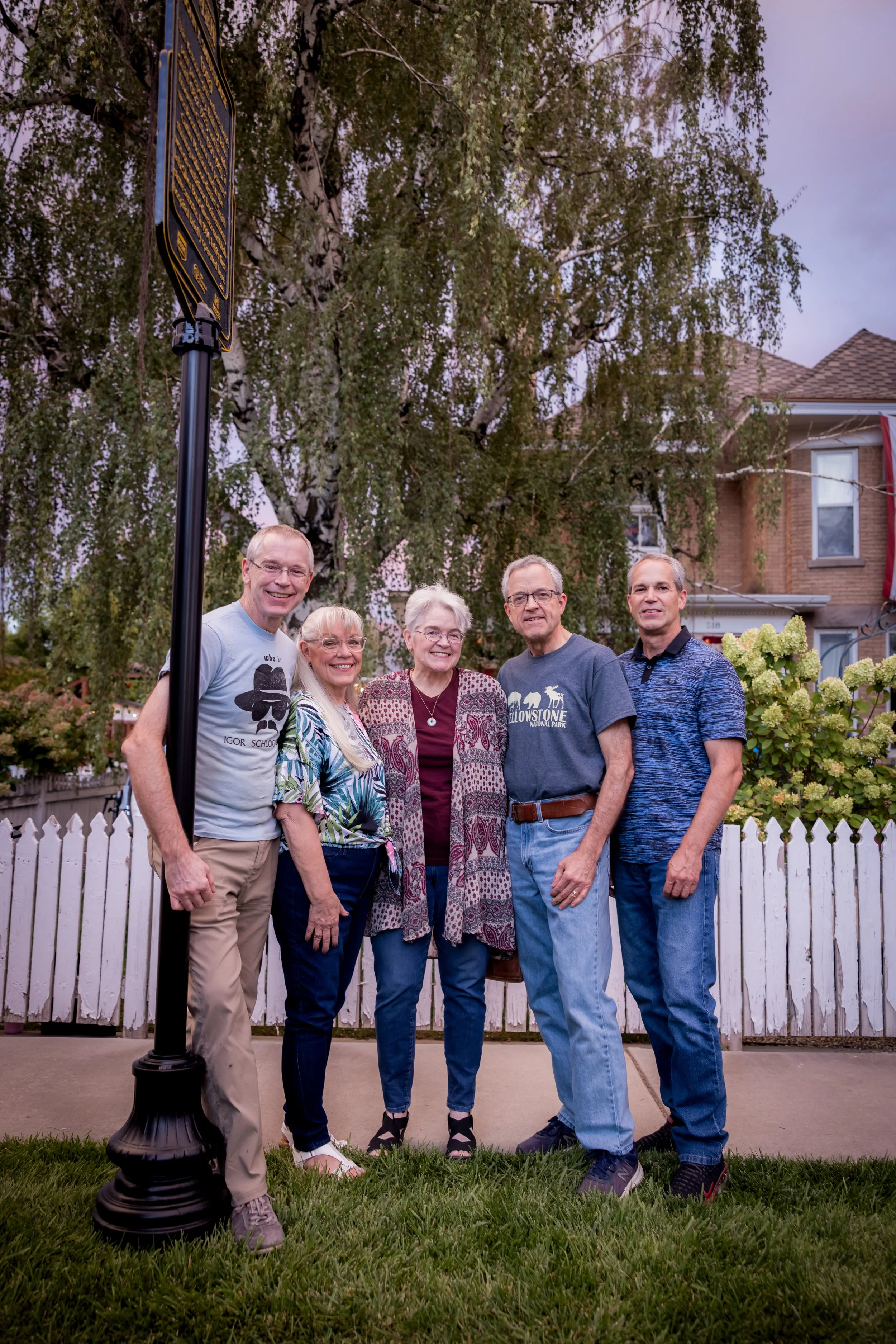
The Lehi Silver Band performed while past and present occupants of the home shared memories with more than 100 gathered on the front lawn of the home.
The home was added to the National Register of Historic Places in 1998. Its architecture combines Colonial and Victorian elements and stands as an example of the stately homes built in Lehi in the early 20th century as the town matured into a thriving agricultural, industrial and transportation center in Utah County.
Learn More
Investigate our online archive for more information on the John Y. Smith House.

Content Contributors
——, Lehi Historical Society
Kasia May, University of Utah
Support our Mission
Purchase collector marker pins to show your Lehi spirit! Your purchase will support the Lehi Historical Marker Program and the Lehi Historical Society. There are currently 15 pins available in our gift shop
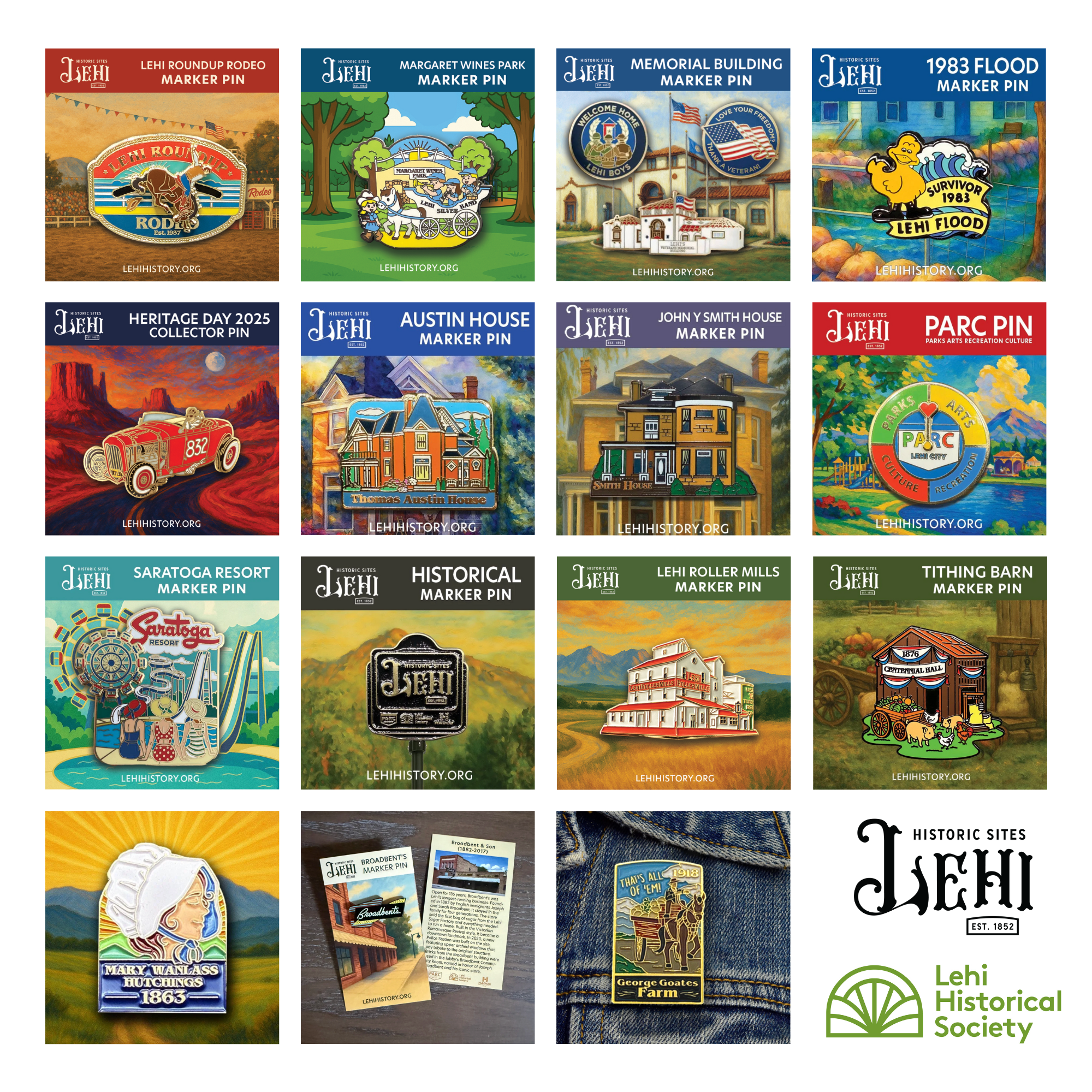
Celebrate Lehi’s history with our complete 15-pin collection. This special bundle includes one of each enamel pin from the Historical Marker Collection.
Pins included in the full set:
• Lehi Roundup Rodeo Marker Pin
• Margaret Wines Park Marker Pin
• Memorial Building Marker Pin
• 1983 Flood Marker Pin
• Heritage Day 2025 Collector Pin
• Austin House Marker Pin
• John Y Smith House Marker Pin
• PARC Pin
• Saratoga Resort Marker Pin
• Historical Marker Pin
• Lehi Roller Mills Marker Pin
• Tithing Barn Marker Pin
• Mary Wanlass Hutchings 1863 Pin
• Broadbent’s Marker Pin
• George Goates Farm Marker Pin
Each pin reflects a real story from Lehi’s past. Landmarks, founders, the rodeo, community legends, floods, and the places that shaped our city. This full set brings together every marker design in one place. It is perfect for collectors, teachers, longtime Lehi families, newcomers wanting to learn the stories behind our city, or anyone looking for a meaningful gift that supports local history.
Take home the complete collection and own 15 pieces of Lehi’s story.

This 1.5-inch hard enamel pin features the John Y. Smith House, a landmark built in 1903 at 518 N. 100 East in Lehi. The home’s design blends a Victorian form with Colonial Revival details, reflecting the popular styles of the early 20th century.
John Y. Smith and his wife, Emerette Cutler, built the home in Lehi’s thriving business district, which had grown rapidly after the arrival of the railroad in 1872. Smith was a civic and cultural leader, serving as cashier of the Lehi Commercial and Savings Bank (later the People’s Bank of Lehi), a founding member and long-time leader of the Lehi Silver Band, and a Utah State Senator from 1906 to 1911.
In June 1914, the house briefly became Lehi’s first hospital, when Dr. Fred D. Worlton rented the property and transformed the upstairs into patient and operating rooms while living on the main floor. Decades later, in 1984, the home became a filming location for the movie Footloose, further cementing its place in Lehi’s living memory.
The home was added to the National Register of Historic Places in 1998, and its historical marker was unveiled on September 10, 2025, as the 13th addition to the Lehi Historical Marker Program.
Product Details:
1.5" hard enamel pin with polished silver metal finish
Double-posted with rubber clutch backing
Bold, full-color enamel showcasing the home’s Victorian and Colonial Revival features
Packaged on a commemorative card with historical information
Raised emblem on back featuring the Lehi Historical Society seal
This pin celebrates a home that served as a banker's residence, a band leader’s stage, a hospital, and a Hollywood set—making it a truly unique piece of Lehi history.
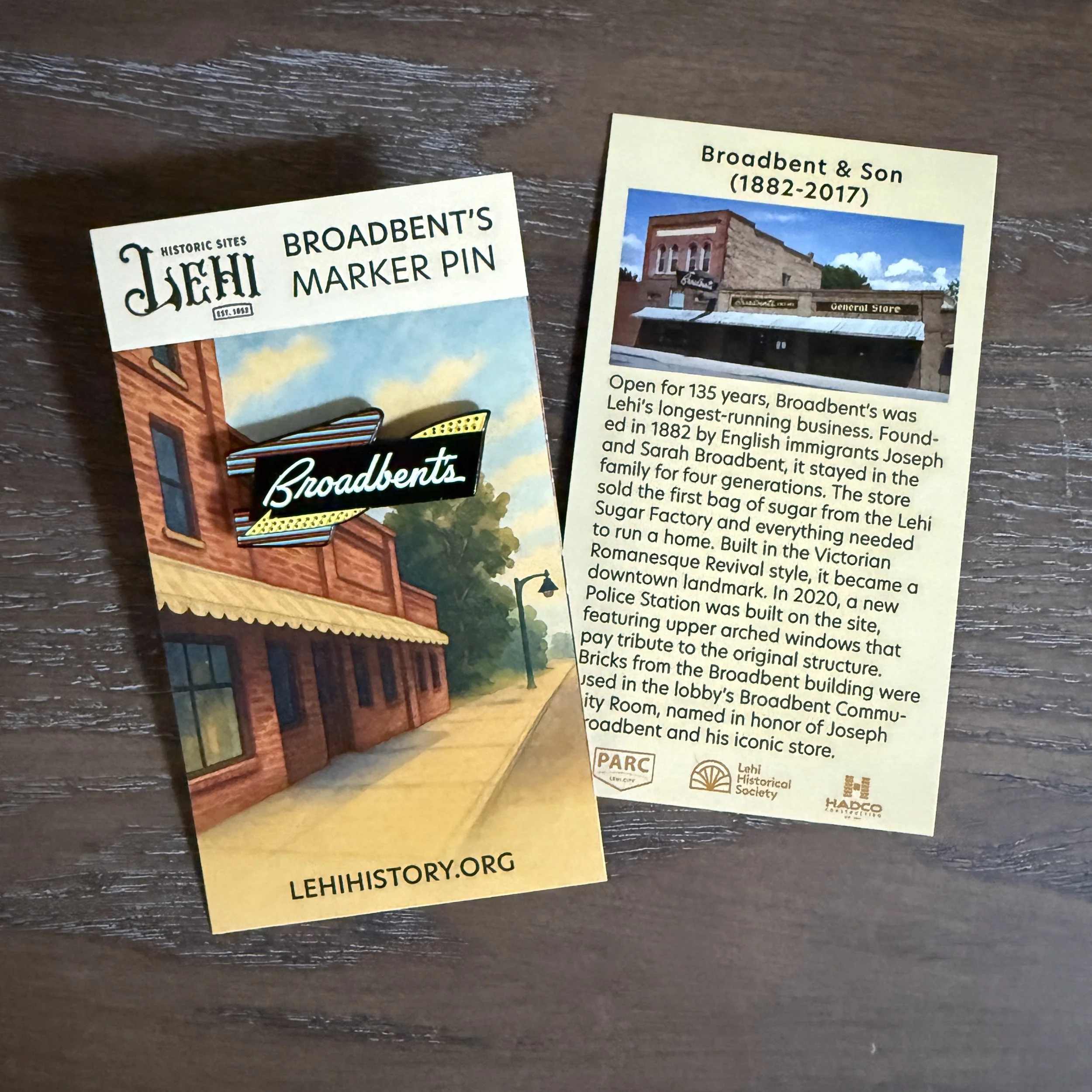
Celebrate a Lehi icon with this Historical Marker collector pin honoring Broadbent’s Store, the longest-running business in Lehi’s history and a cornerstone of the community for 135 years.
Soft enamel with black dyed metal plating
Features the vintage neon Broadbent’s sign installed in 1954
Measures 1.25 inches in length
Single-post backing with secure rubber cover
Perfect for collectors, history lovers, and proud Lehi locals
Founded in 1882 by English immigrants Joseph and Sarah Broadbent, the store was passed down through four generations and became known for offering everything from dry goods to fine fabrics. It sold the first bag of sugar produced by the Lehi Sugar Factory and served as a trusted hub for generations of families. The iconic neon sign, featured in this pin, hung proudly from 1954 until the store’s closing in 2017. Today, the arched windows of the Lehi Police Department pay tribute to the building that once stood in its place.
A nostalgic keepsake celebrating a legacy of service, family, and small-town pride.