
Jordan River Bridge
Est. 1914
9600 N 7700 W Lehi, UT
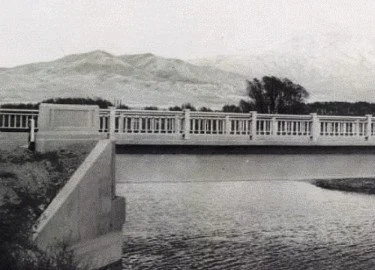
For Lehi’s earliest settlers, the Jordan River was a natural boundary that prevented man and beast from traveling westward. To address the issue, Charles Hopkins, Ezekiel Hopkins and Alonzo Rhodes applied for and were granted a charter from the Utah Territorial Legislature Assembly on Jan. 21, 1853, to construct a bridge over the Jordan River. They built the bridge south of Main Street at Horseshoe Bend.
Bridging a Gap
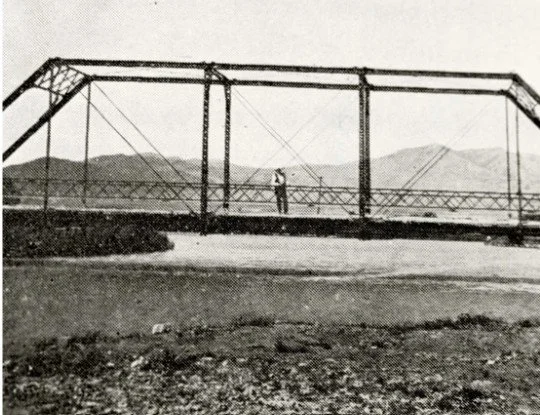
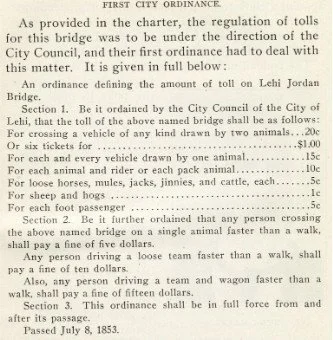
Lehi’s first city ordinance, passed July 8, 1853, regulated the tolls for the bridge. In 1907, the first bridge was replaced by a second wood bridge before a steel truss bridge was built in 1907. This bridge performed yeoman service until it was bypassed in 1947.
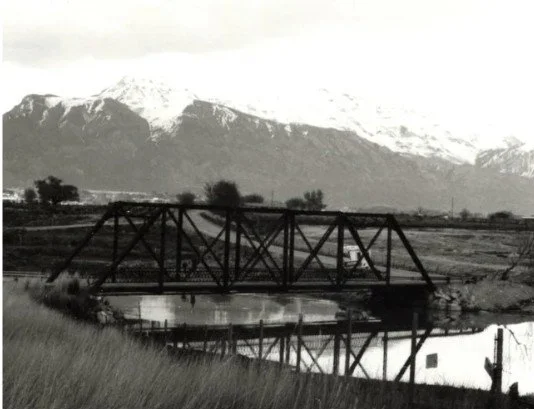
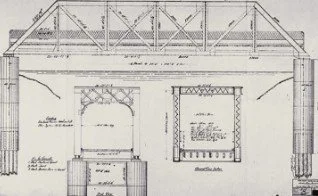
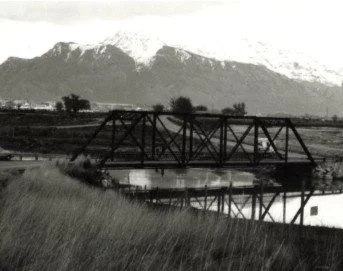
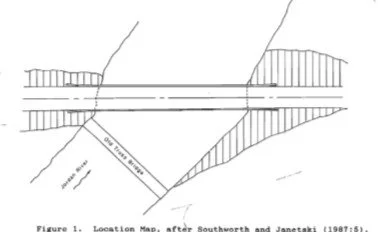
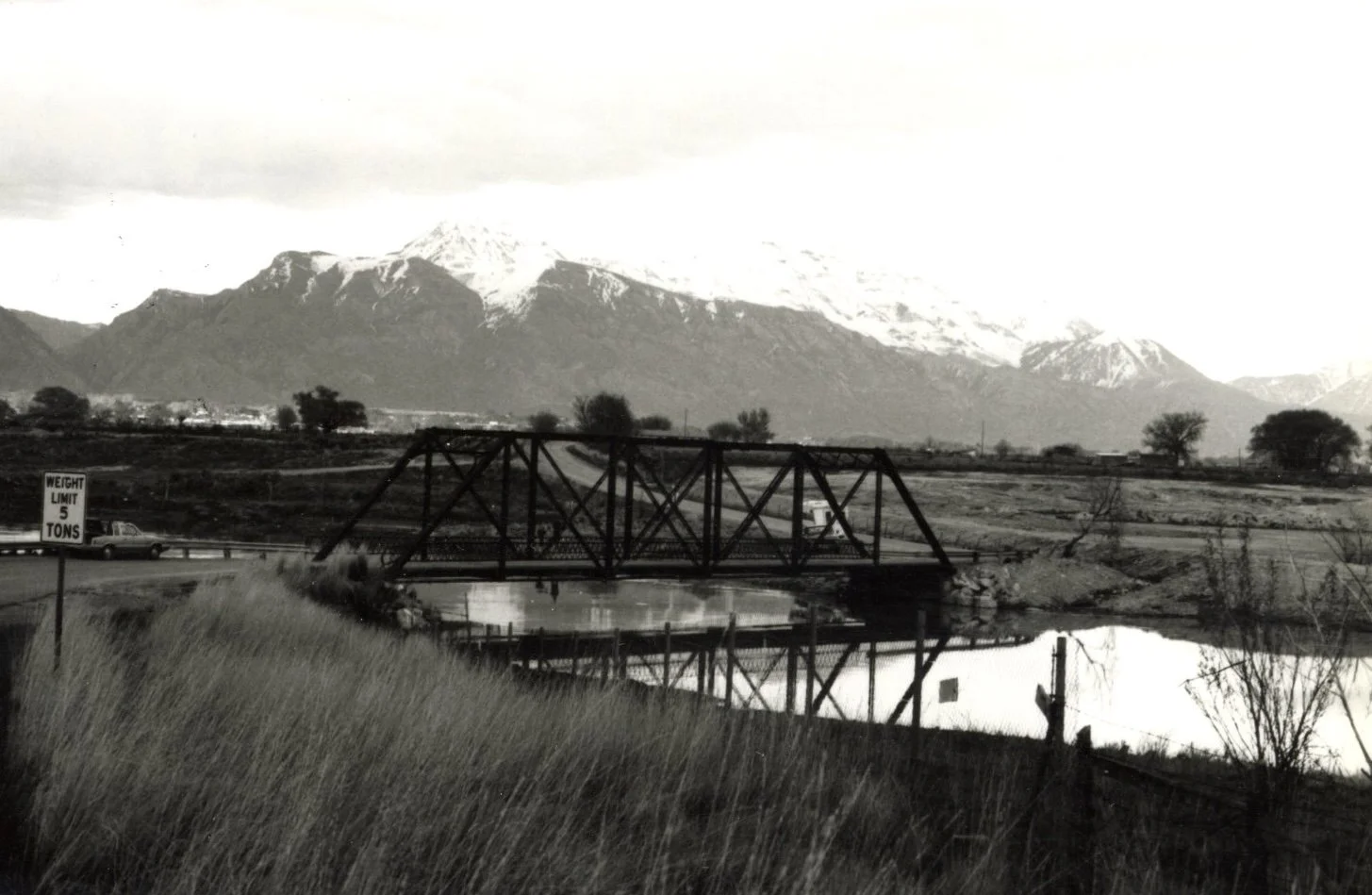
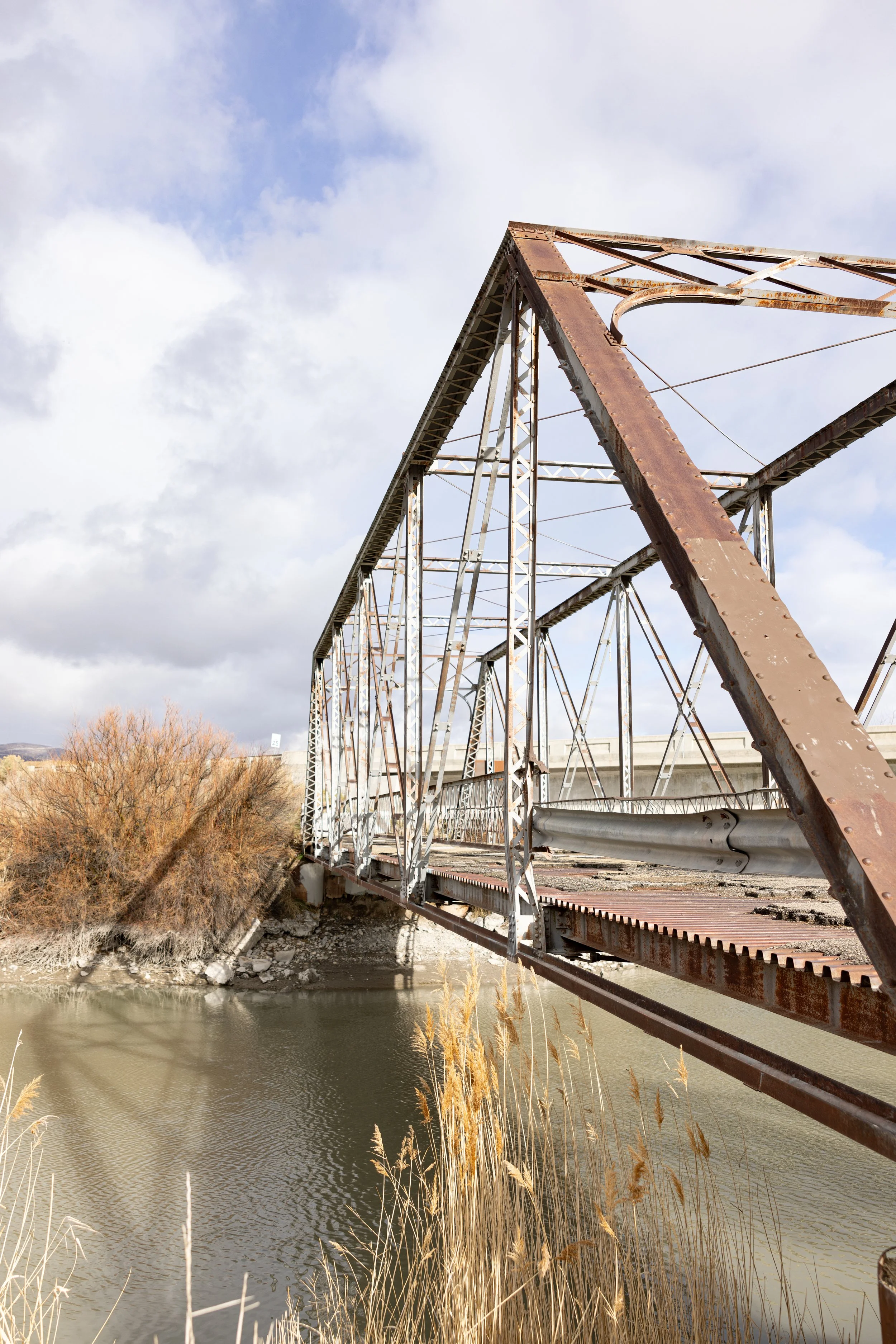
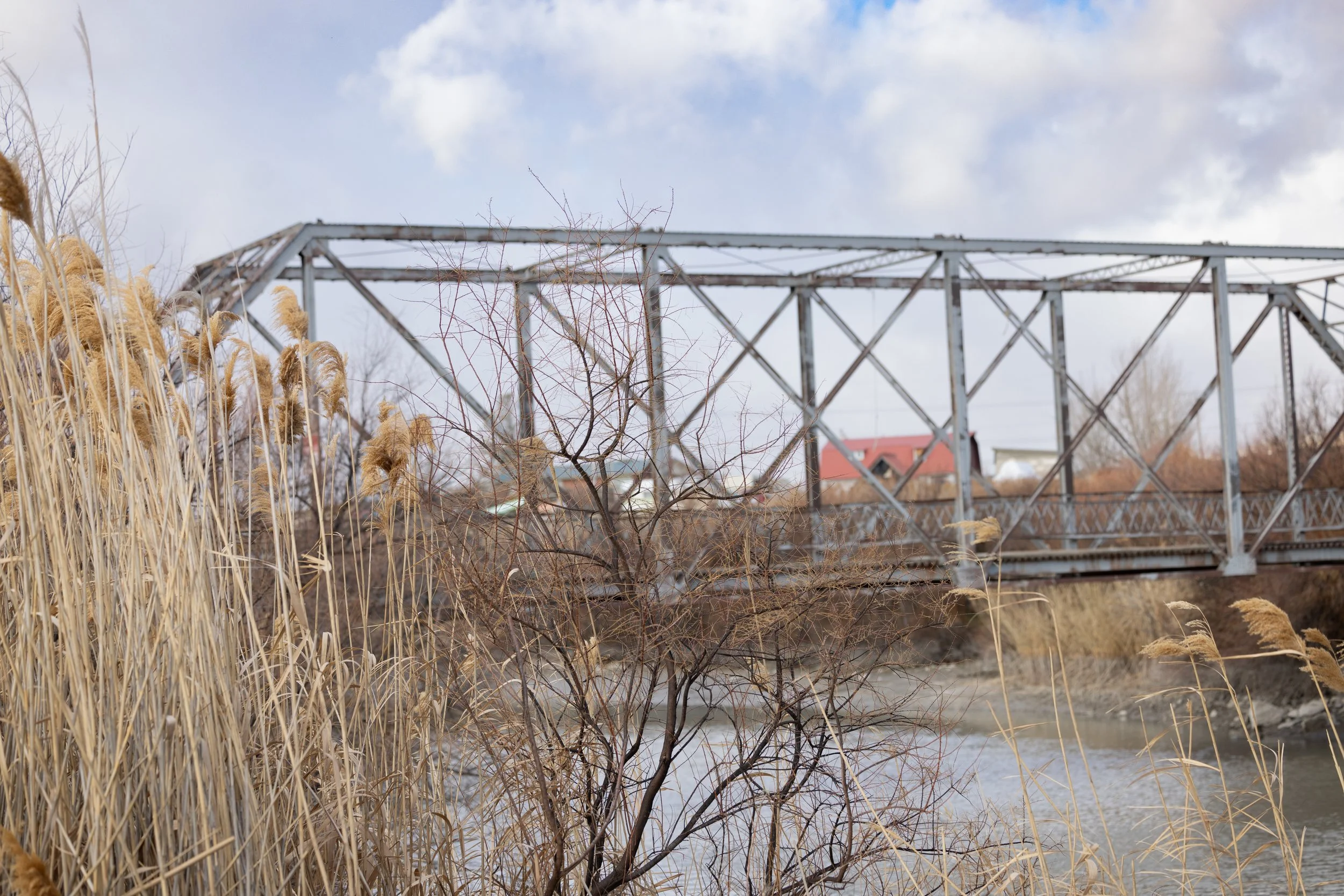
In 1914, a nearly identical bridge to the 1907 bridge was built here at 1500 N (9600 North and 7700 West by county coordinates). The contract for the bridge went to Midland Bridge Company for $4,380. The structure consisted of a rigid-connected Pratt truss, supported by 8-inch-diameter, concrete-filled steel cylinder piers.
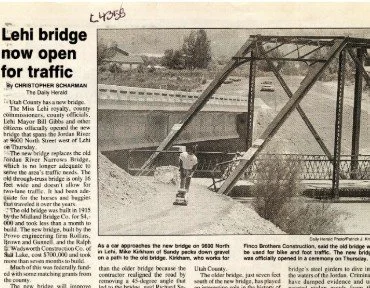
In June of 1985, the 1907 steel truss bridge was dismantled to prepare for the Army Corps of Engineers’ Jordan River dredging project. Fortunately, the 1914 bridge was spared. In June of 1990, the 1914 bridge was bypassed with a new structure. For historical purposes, the bridge was saved for a footpath.
Jordan River Bridge
-
![]()
1844
Patented in 1844 by Thomas and Caleb Pratt, the Pratt design was characterized by upper chords and vertical members acting in compression and lower chords and diagonals that acted in tension. Its parallel chords and equal panel lengths resulted in standardized sizes making fabrication and assembly relatively easy. As of 1990, the Jordan Narrows Bridge was one of only eight remaining Pratt through-truss bridges in the State of Utah.
(Utah Department of Transportation, “Determination of Eligibility and Finding of Effect for Jordan Narrows Bridge Replacement,” June 1990, p. 14, 20).
-
![]()
Jan. 21, 1853
Charles Hopkins, Ezekiel Hopkins and Alonzo Rhodes obtained a charter from the Utah Territorial Legislature Assembly to construct a bridge and to collect tolls for crossing it. (“Lehi: Portraits of a Utah Town,” by Richard Van Wagoner, 1990, p. 4.) Charles and Alonzo were authorized to take and sell stock at $25 each share. (“History of Lehi” by Hamilton Gardner 1913.)
-
![]()
July 8th, 1853
Lehi’s first city ordinance regulates the tolls from the bridge. (“Lehi: Portraits of an Utah Town,” p. 4.)
-
![]()
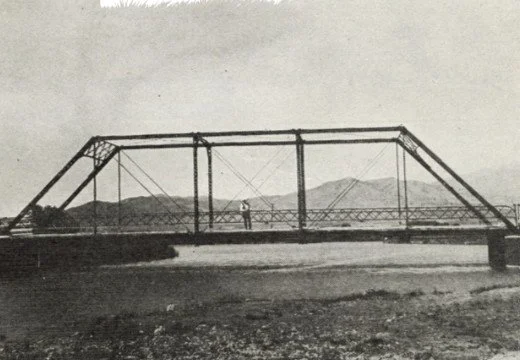
1907
The first bridge was replaced by a second wood bridge before a steel truss bridge was built in 1907. The steel bridge, above, performed yeoman service until it was bypassed in 1947.
-
![]()
1914
A nearly identical bridge is built at 1500 N (9600 N and 7700 W by county coordinates). Contract for the bridge went to Midland Bridge Company for $4,380. The structure consisted of a rigid-connected Pratt truss, supported by 8-inch-diameter, concrete-filled steel cylinder piers. (Utah Department of Transportation, “Determination of Eligibility and Finding of Effect for Jordan Narrows Bridge Replacement,” June 1990, page 19).
-
![]()
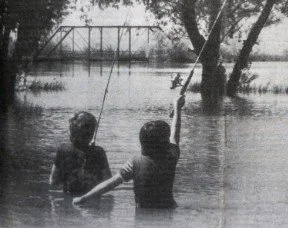
1983
Swollen flood waters of the Jordan River threaten to overtake the 1907 bridge.
-
![]()
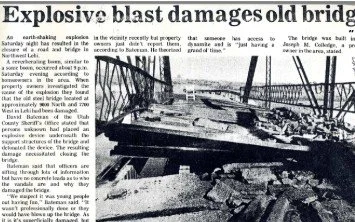
Sept. 15th, 1984
Pranksters try to blow up the 1914 bridge at 1500 North.
-
![]()
June 1985
The 1907 steel truss bridge was dismantled to prepare for the Army Corps of Engineers’ Jordan River dredging project.
-
![]()
June 1990
Recommendation to bypass bridge with new structure but leave for historical purposes as a footbridge. “UDOT has determined that Utah County has offered the best preservation alternative, which is preservation in place as a bicycle and footbridge for recreationists, with maintenance into perpetuity.” (Utah Department of Transportation, “Determination of Eligibility and Finding of Effect for Jordan Narrows Bridge Replacement,” June 1990, page 16).
-
![]()
June 1995
The new bridge bypassing the old Jordan River Bridge opens for use. The old bridge will be used for bike and foot traffic.
-
![]()
1997
Rehabilitation of the 1914 bridge was coordinated through the Utah State preservation office.
May 22, 1997 - Jordan River Bridge marked with a historical designation as part of Public Works Week for Utah County. (Sharon M. Haddock, Deseret News, “Lehi Bridge That Refuses to Fall Can Stand Tall,” May 19, 1997).
-
![]()
July 2018
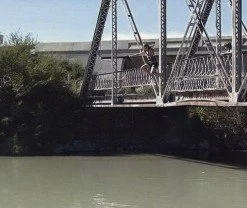
Jumping off the old bridge was a popular activity among teens.
July 2018 – 16-year-old Alpine boy accidentally drowns after jumping off the old iron bridge on 1500 North.
-
![By Elder Z.J. Gray of the Orem, Utah, Mission of The Church of Jesus Christ of Latter-day Saints.]()
March 15th, 2025
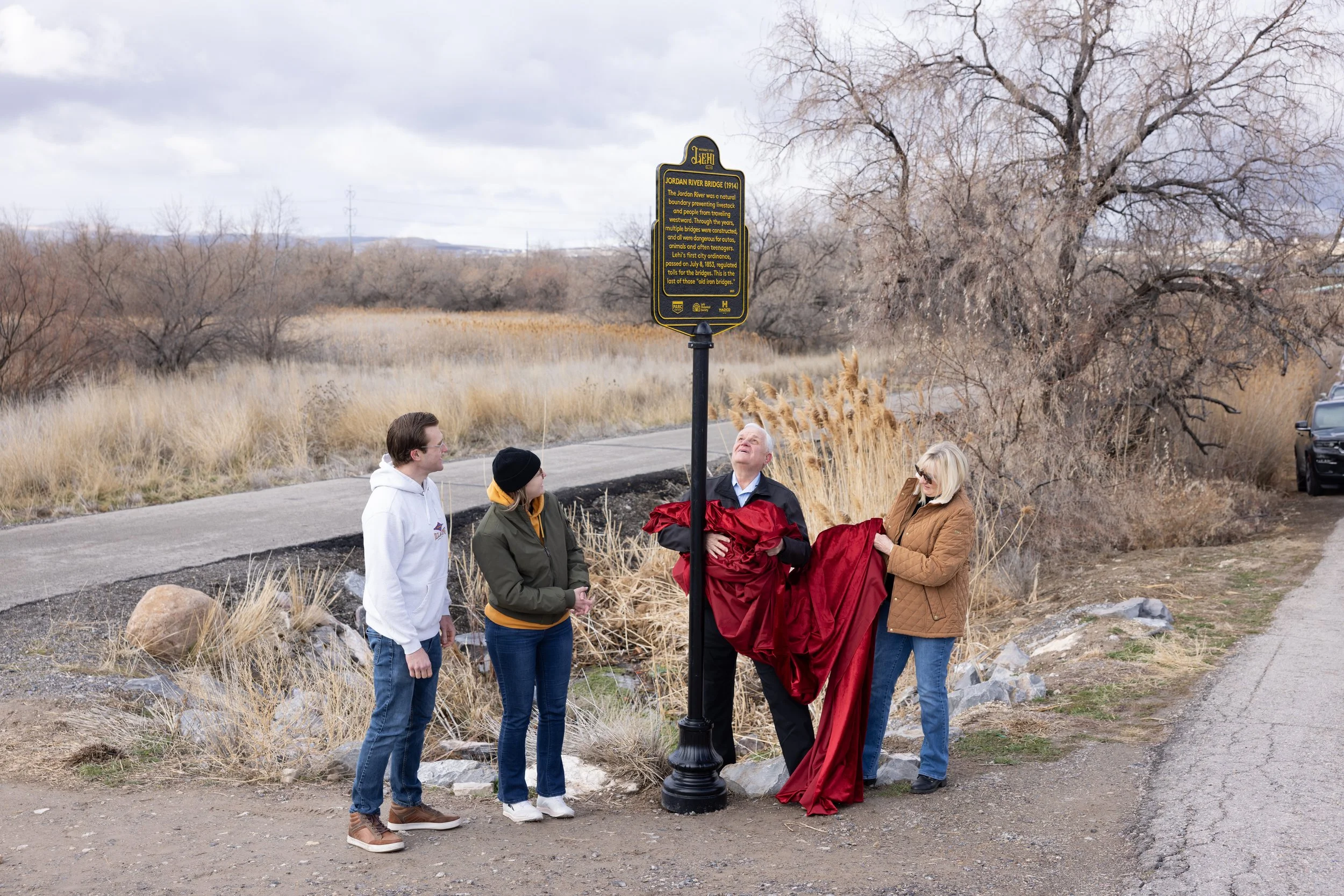
A historical marker is placed at the last of the “old iron bridges,” the 1914 bridge, to honor the important role Lehi’s many Jordan River bridges played in the city’s history.
Marker Location

9600 N 7700 W Lehi, UT
Marker Unveiling
March 15, 2025
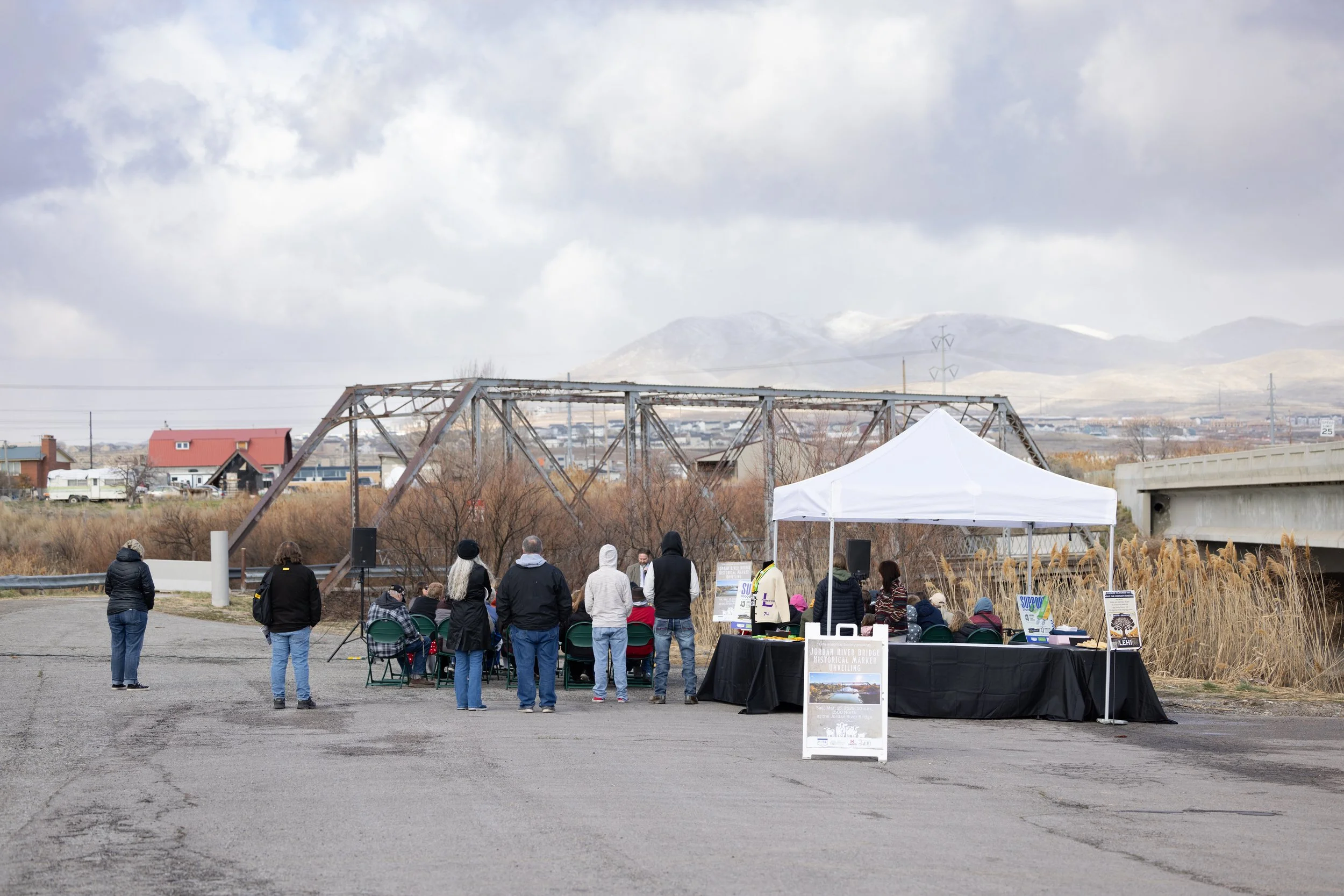
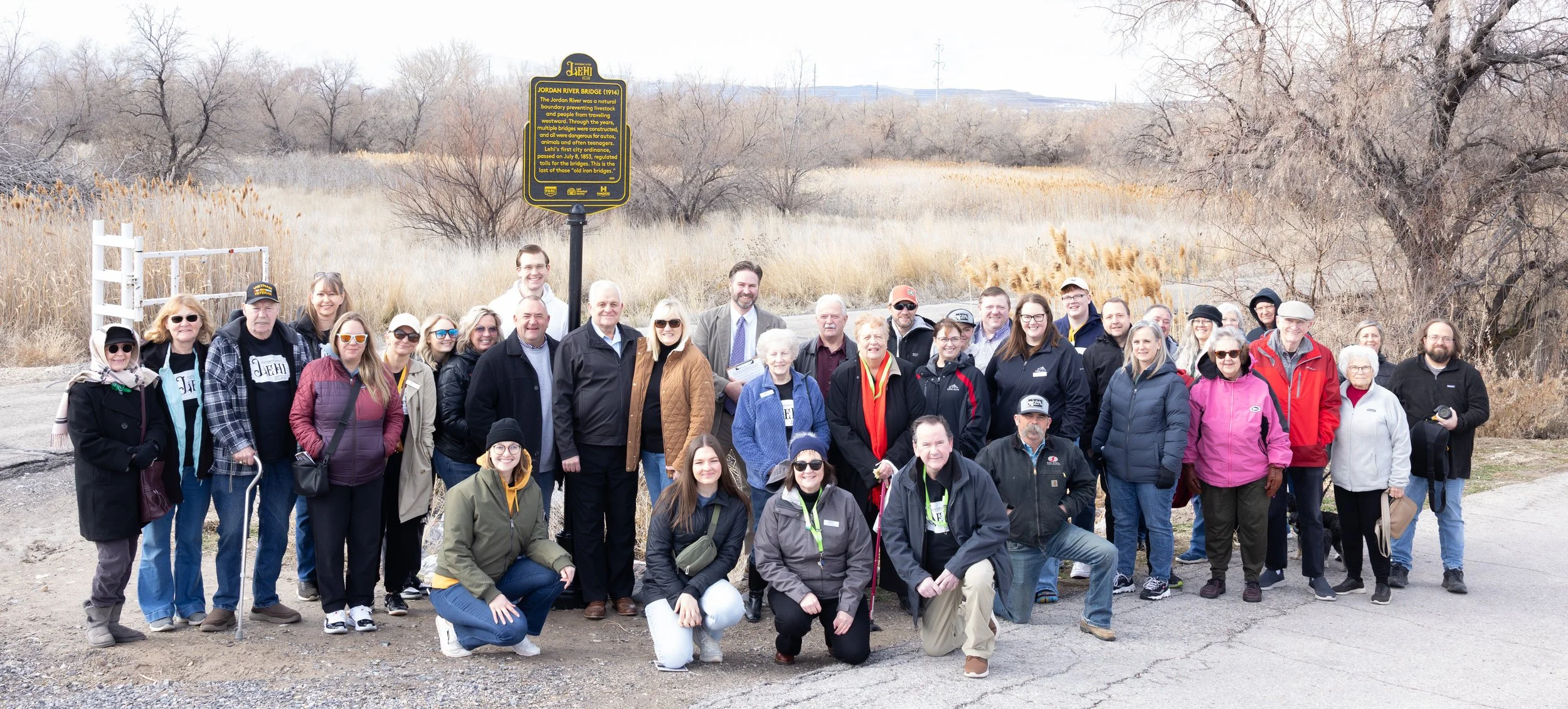
Some 50 people came out on a cold and cloudy Saturday morning to celebrate the unveiling of the Jordan River Bridge historic marker, which commemorates the last of the old iron bridges crossing the Jordan River.
Dan Olds, Lehi Historical Society member, shared histories of the several bridges that served the Lehi community while area farmer, Robert Allred, shared personal and community stories regarding the importance of the bridge.
The marker is the seventh of the Lehi Historical Marker Program.

The Jordan River Bridge historical marker was unveiled on Mar. 15, 2025.

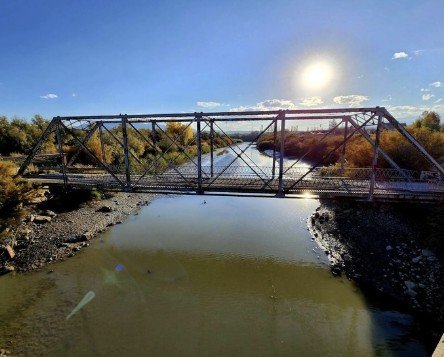
This south-facing view of the Jordan River Bridge was taken in the fall of 2023. Photo taken by Nicole Kunze.



Learn More
Investigate our online archive for more information on the Jordan River Bridge.

Content Contributors
——, Lehi Historical Society
Kasia May, University of Utah
Support our Mission
Purchase collector marker pins to show your Lehi spirit! Your purchase will support the Lehi Historical Marker Program and the Lehi Historical Society. There are currently 15 pins available in our gift shop
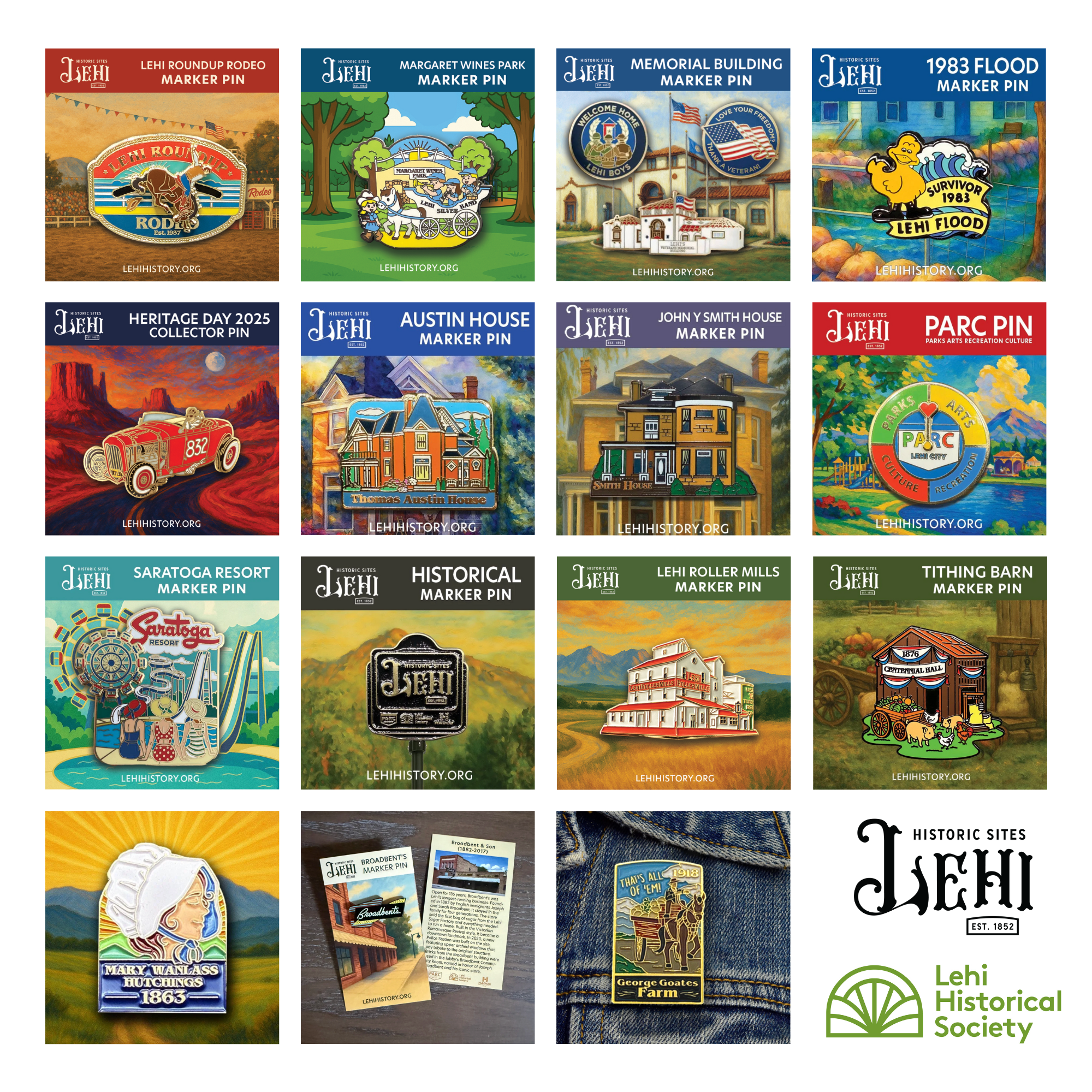
Celebrate Lehi’s history with our complete 15-pin collection. This special bundle includes one of each enamel pin from the Historical Marker Collection.
Pins included in the full set:
• Lehi Roundup Rodeo Marker Pin
• Margaret Wines Park Marker Pin
• Memorial Building Marker Pin
• 1983 Flood Marker Pin
• Heritage Day 2025 Collector Pin
• Austin House Marker Pin
• John Y Smith House Marker Pin
• PARC Pin
• Saratoga Resort Marker Pin
• Historical Marker Pin
• Lehi Roller Mills Marker Pin
• Tithing Barn Marker Pin
• Mary Wanlass Hutchings 1863 Pin
• Broadbent’s Marker Pin
• George Goates Farm Marker Pin
Each pin reflects a real story from Lehi’s past. Landmarks, founders, the rodeo, community legends, floods, and the places that shaped our city. This full set brings together every marker design in one place. It is perfect for collectors, teachers, longtime Lehi families, newcomers wanting to learn the stories behind our city, or anyone looking for a meaningful gift that supports local history.
Take home the complete collection and own 15 pieces of Lehi’s story.
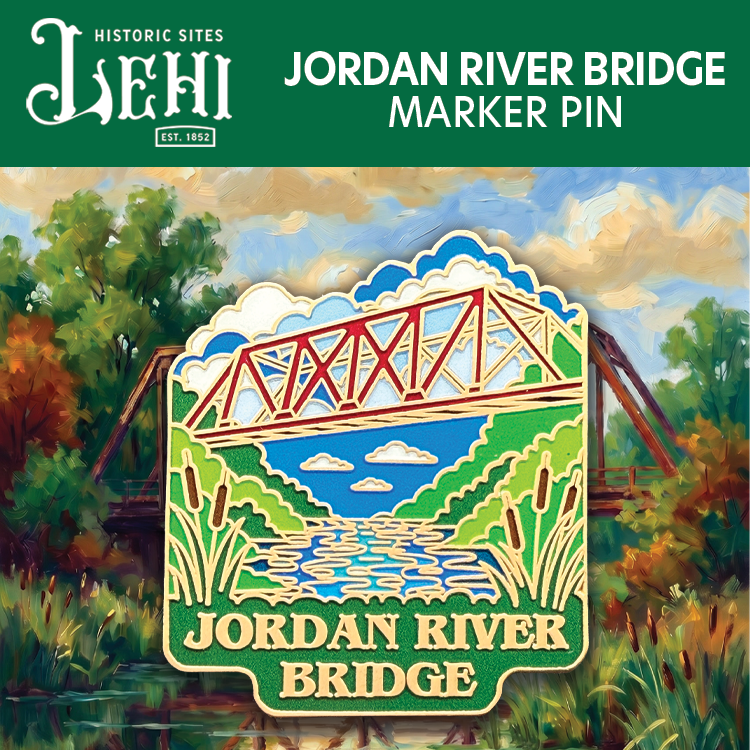
Celebrate one of Lehi's most recognizable landmarks with this commemorative Jordan River Bridge marker pin.
Spanning the Jordan River for generations, the historic bridge has long connected travelers, commerce, and communities across northern Utah County. Located near one of Lehi's most important natural waterways, the bridge stands as a reminder of the city's transportation history and the vital role the Jordan River has played in agriculture, industry, and daily life.
This collectible pin captures the bridge's distinctive steel truss design overlooking the Jordan River, framed by native cattails, flowing water, and Utah's open skies. The detailed artwork celebrates both the engineering of the bridge and the natural beauty of the Jordan River corridor.
Pin Details
Size: 1.5 inches
Material: Zinc alloy
Finish: Matte gold
Enamel: Hard enamel
Attachment: Double post backing with yellow rubber clutches for added stability
Part of the Lehi Historic Sites collection, this premium collectible honors one of the city's enduring landmarks and preserves the story of the Jordan River corridor for future generations.
Perfect for collectors, history enthusiasts, bridge fans, and anyone who loves Lehi's rich heritage.
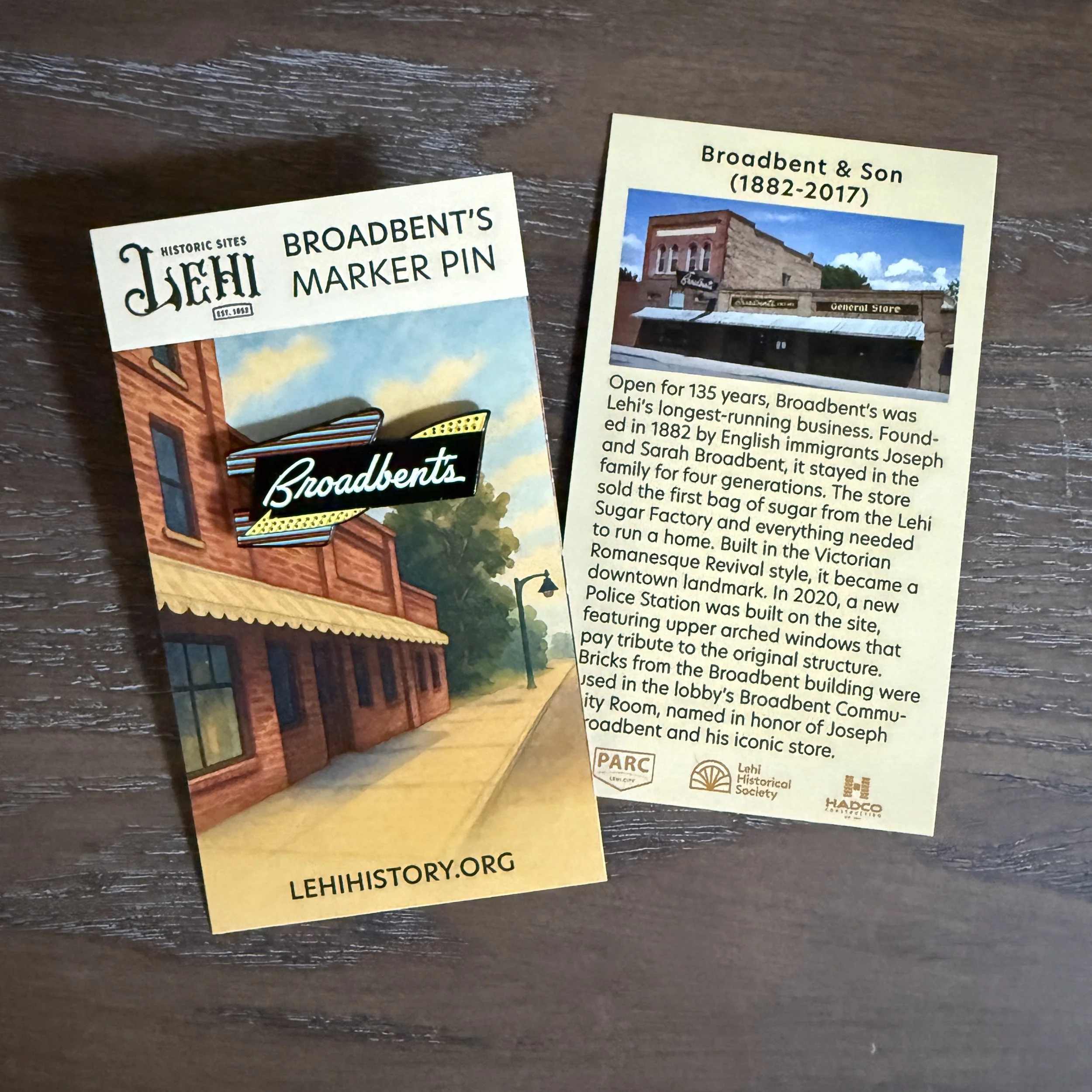
Celebrate a Lehi icon with this Historical Marker collector pin honoring Broadbent’s Store, the longest-running business in Lehi’s history and a cornerstone of the community for 135 years.
Soft enamel with black dyed metal plating
Features the vintage neon Broadbent’s sign installed in 1954
Measures 1.25 inches in length
Single-post backing with secure rubber cover
Perfect for collectors, history lovers, and proud Lehi locals
Founded in 1882 by English immigrants Joseph and Sarah Broadbent, the store was passed down through four generations and became known for offering everything from dry goods to fine fabrics. It sold the first bag of sugar produced by the Lehi Sugar Factory and served as a trusted hub for generations of families. The iconic neon sign, featured in this pin, hung proudly from 1954 until the store’s closing in 2017. Today, the arched windows of the Lehi Police Department pay tribute to the building that once stood in its place.
A nostalgic keepsake celebrating a legacy of service, family, and small-town pride.