
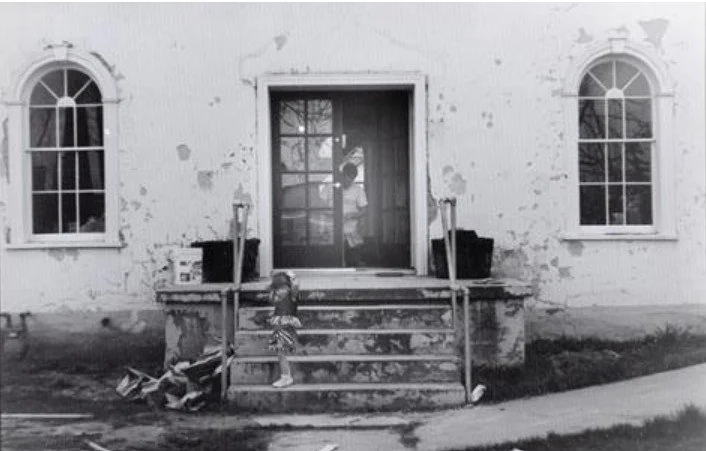
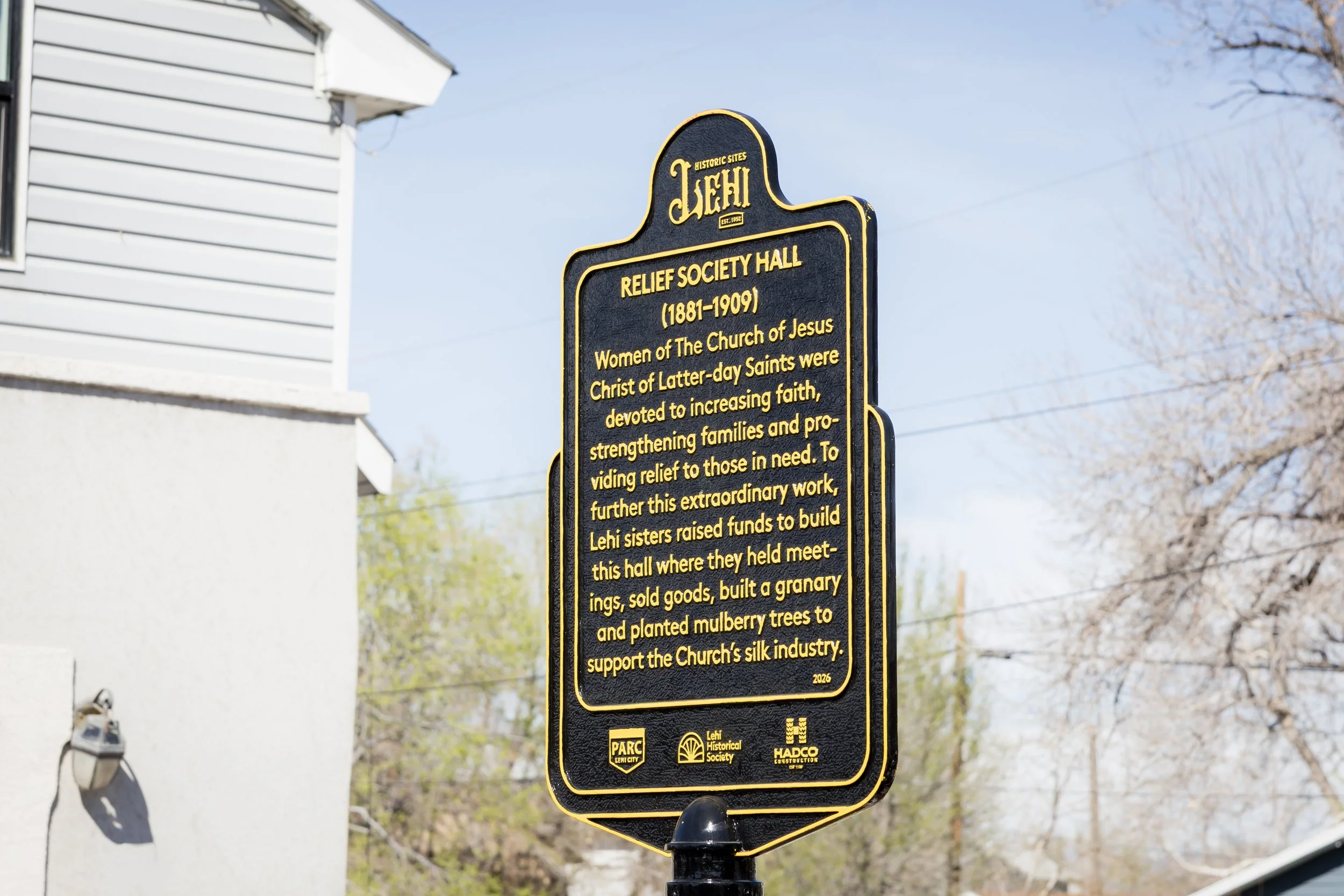
Relief Society Hall
1881-1909
212 W. Main St. Lehi, UT
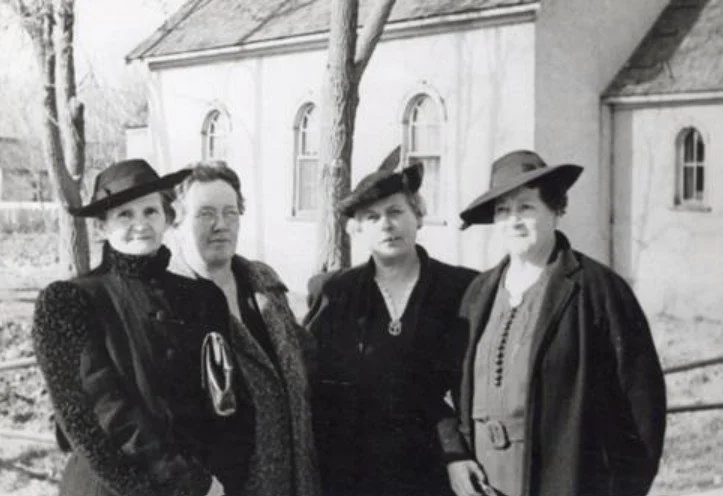
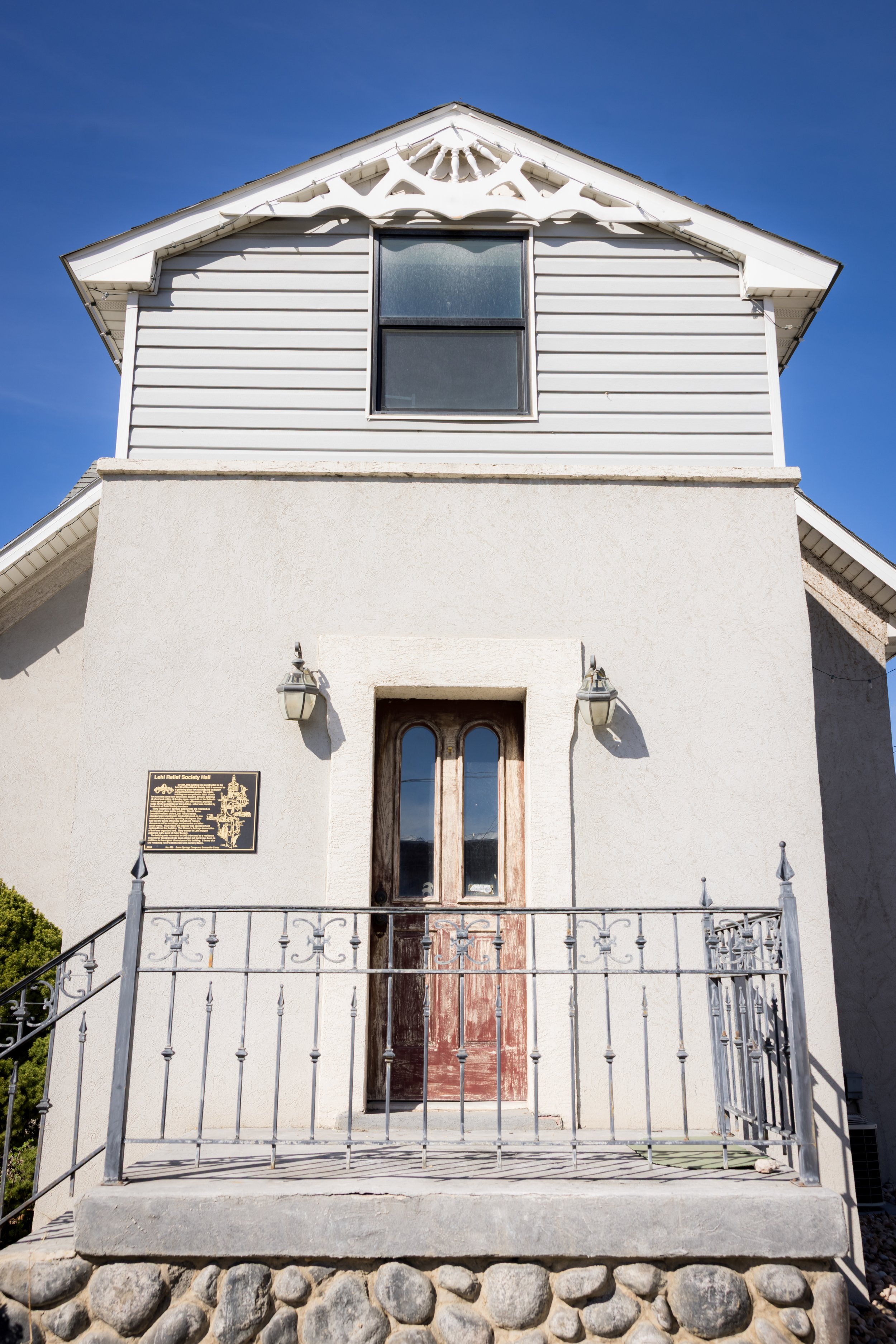
The Female Relief Society of Nauvoo was organized on Mar. 17, 1842. It was discontinued after Joseph Smith's death in 1844. In 1867, Brigham Young reinstituted the Relief Society organization under the direction of his plural wife, Eliza R. Snow. She came to Lehi on Oct. 27, 1868, and organized the Lehi Female Relief Society in the Lehi Meetinghouse.
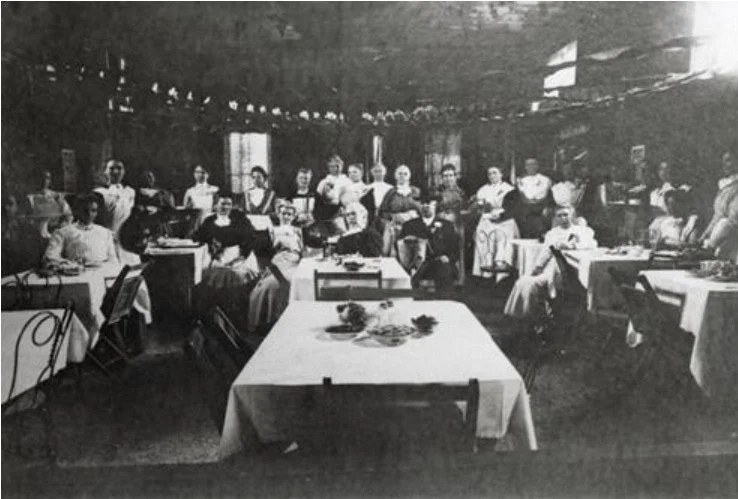
More Than a Meetinghouse
Sarah Coleman was selected the organization's first president. Her counselors were Martha P. Thomas and Barbara Ann Evans; secretary, Rebecca Standring; and treasurer, Mary Ann Davis. The group had 29 charter members, of whom eight were appointed teachers. A reorganization of the society took place in 1879 under the direction of Bishop Thomas R. Cutler. New leaders were Rebecca Standring, president; Martha P. Thomas and Mary J. Powell, counselors; Mary Ann Anderson, treasurer.
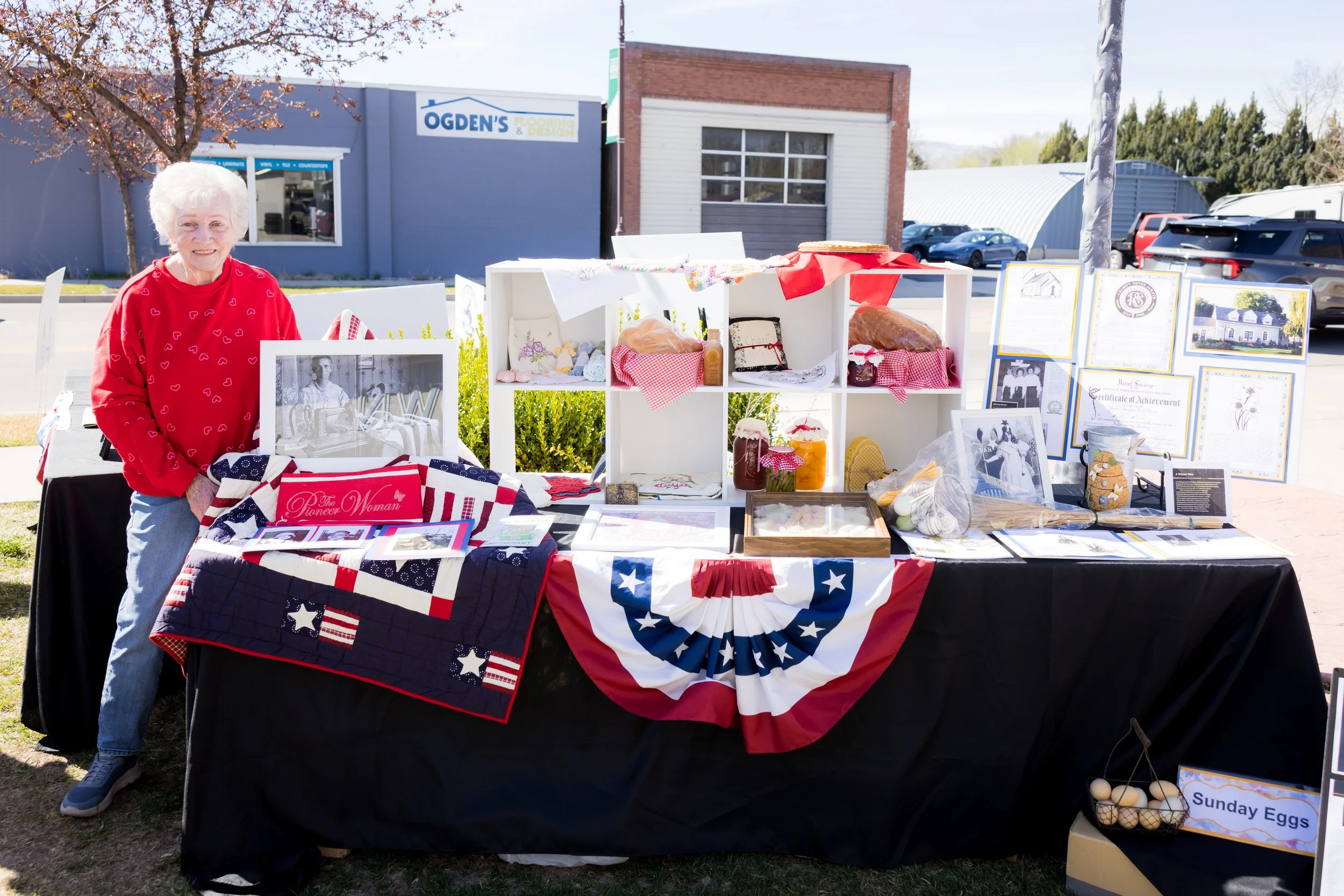
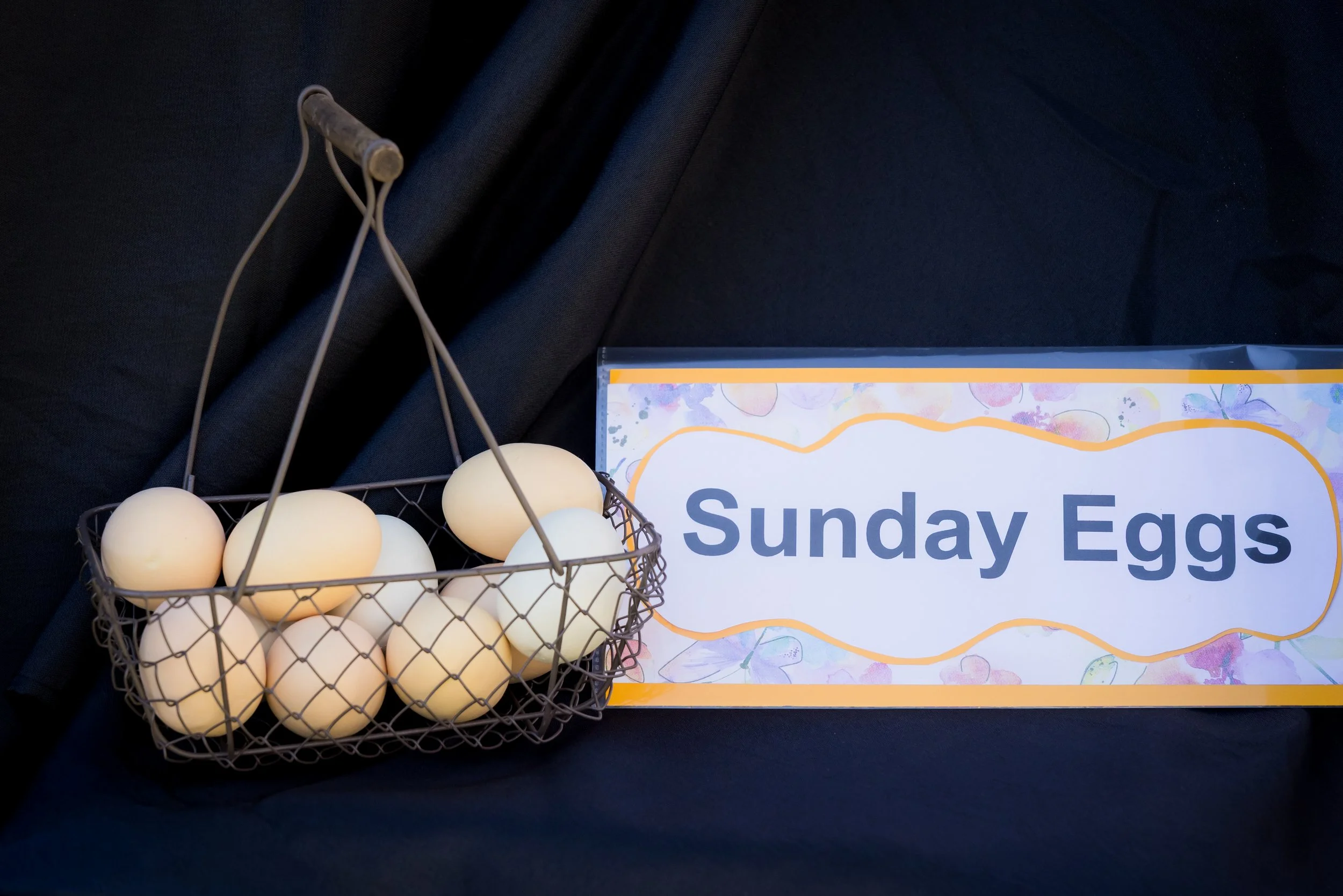
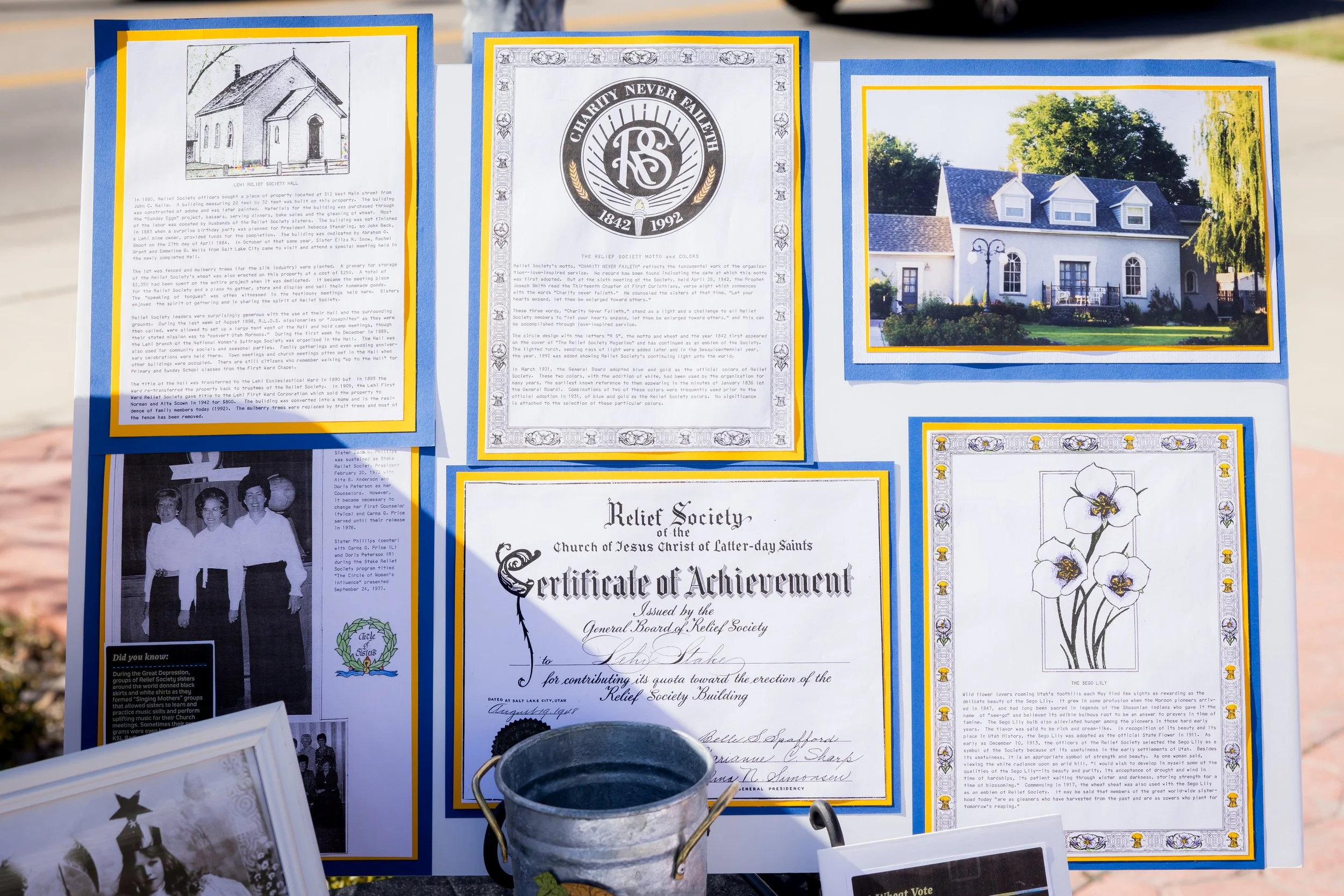
In 1880, ward Relief Society officers bought a piece of property from John C. Naile at 212 West Main. The following year the group built a 32 foot by 20 foot adobe hall on the site to gather for meetings and to display and sell their homemade goods. The materials for the building were purchased by the society with funds they had raised through donations of "Sunday Eggs," ward dinners, bake sales, bazaars and the gleaning of wheat. The labor on the building was donated by the women's husbands.
On Feb. 19, 1883, when the Relief Society held a surprise party for their president, Rebecca Standring, the building was not yet finished. John Beck, wealthy Lehi mine owner, provided the necessary funds so that the hall was completed by October, in time for a visit from prominent General Relief Society leaders, Eliza R. Snow, Rachel Grant and Emmeline B. Wells.
Though the building was adobe, it was painted. The lot was fenced and landscaped with mulberry trees and a $250 granary was also erected. By the time of the Apr. 27, 1884, dedication by Utah Stake President Abraham O. Smoot, $2,350 had been expended on the project. Many interesting events are associated with the Relief Society Hall. It was the site of numerous outpourings of the spirit. This hall was the scene of Sunday School and Primary classes as well as weddings, anniversaries and other social events.
One of the most interesting early Relief Society activities in Lehi, and elsewhere, was the sponsorship of the silk industry. Silkworm eggs were obtained free from the Deseret Silk Association. Mulberry trees, the leaves of which are the silkworm's primary food, were planted on the grounds of the Relief Society Hall. They were also grown in abundance elsewhere in the community.
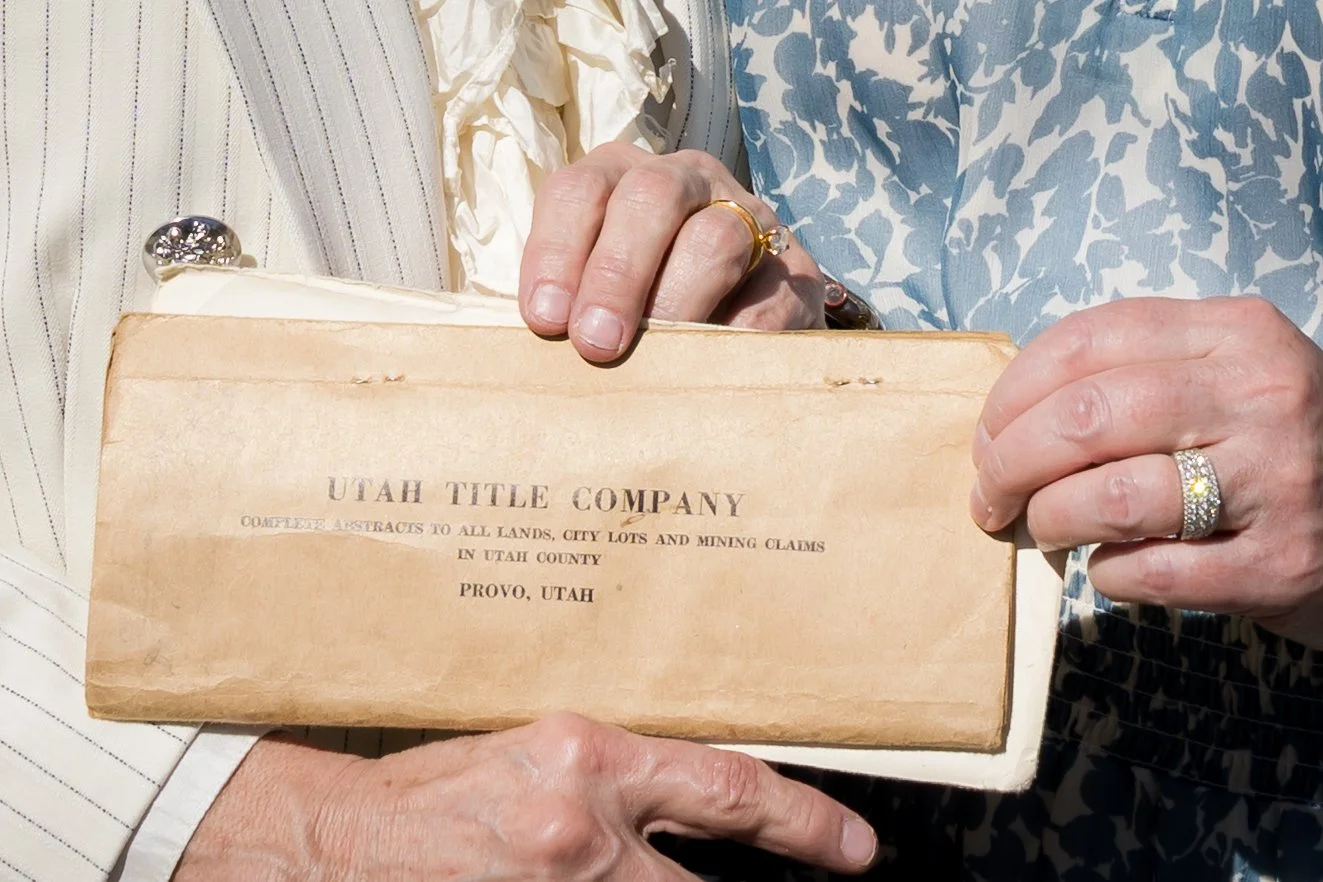
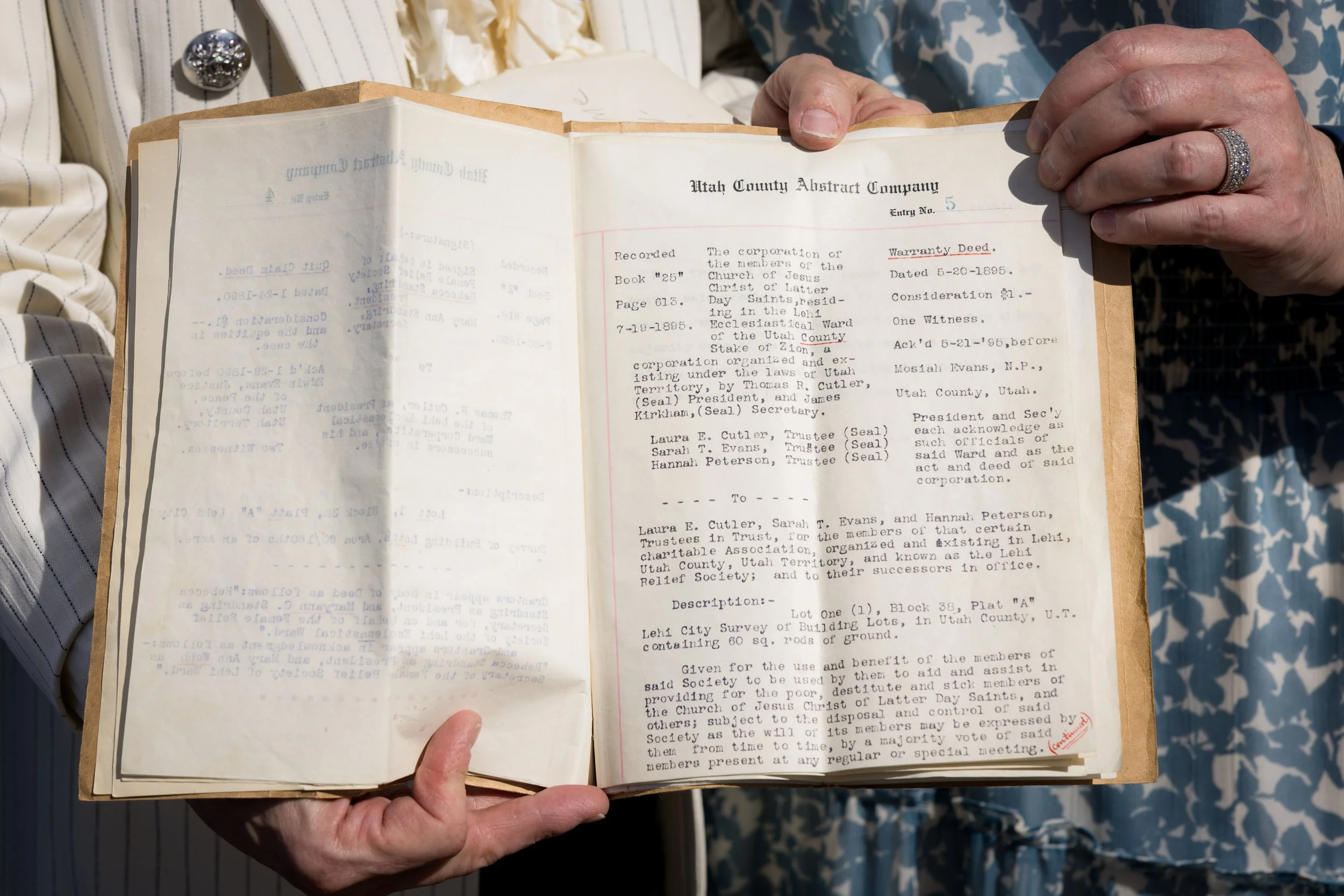
In 1890, the title on the Relief Society Hall was transferred to the Lehi Ecclesiastical Ward, but in 1895 the ward transferred the property back to trustees of the Relief Society. During a Dec. 2, 1892, meeting, under the direction of L. John Nuttall, the Relief
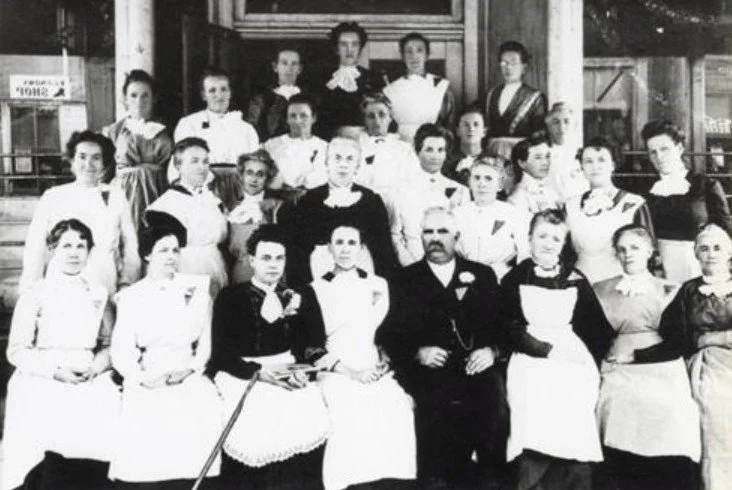
Society was reorganized as a national charitable association with the following local officers: Rebecca Standring, president; Melissa Willes, vice-president; Mary A. Standring, secretary; and Mary A. Anderson, treasurer. In 1903, when the Lehi Ward was divided, four ward Relief Society presidencies were called.
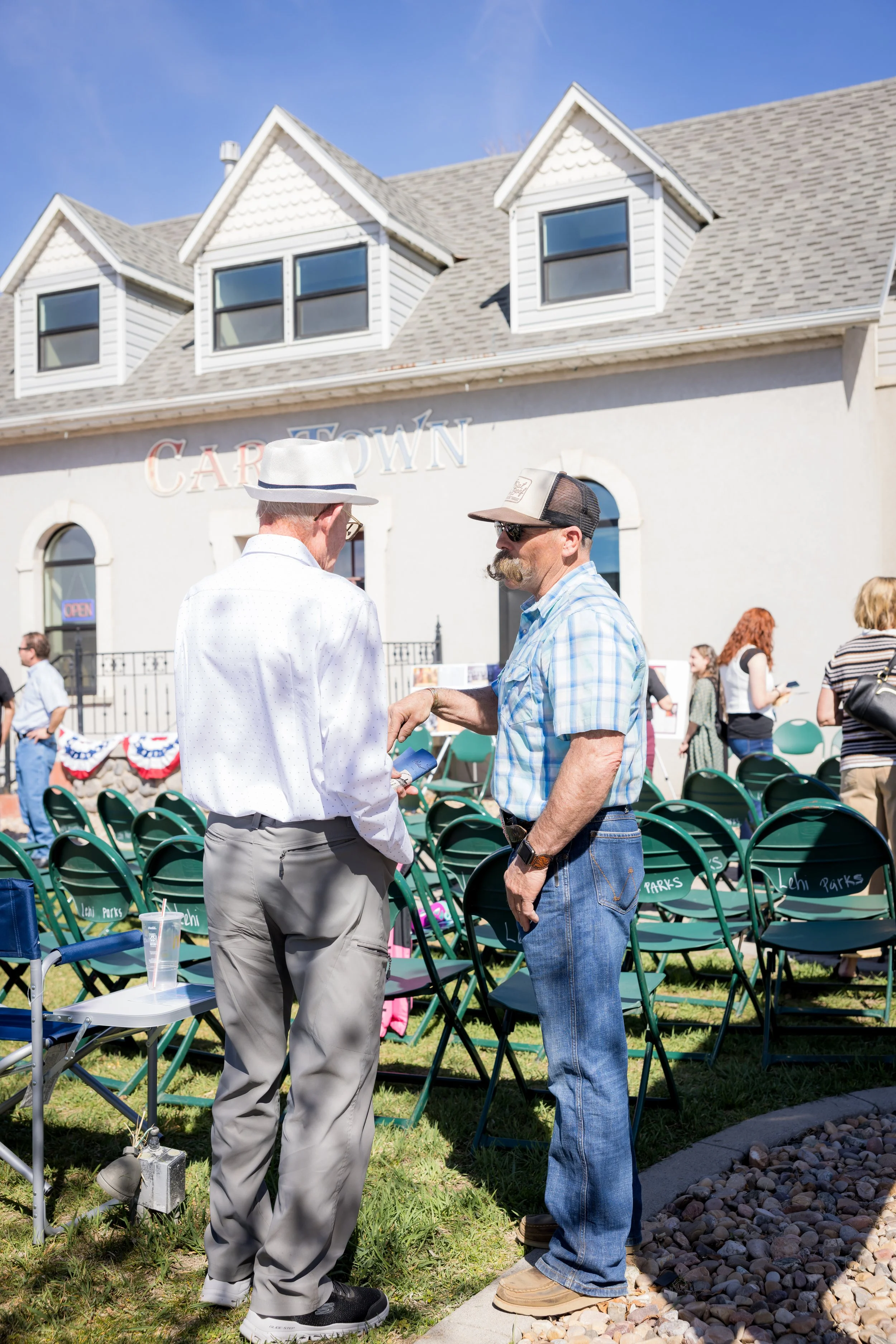
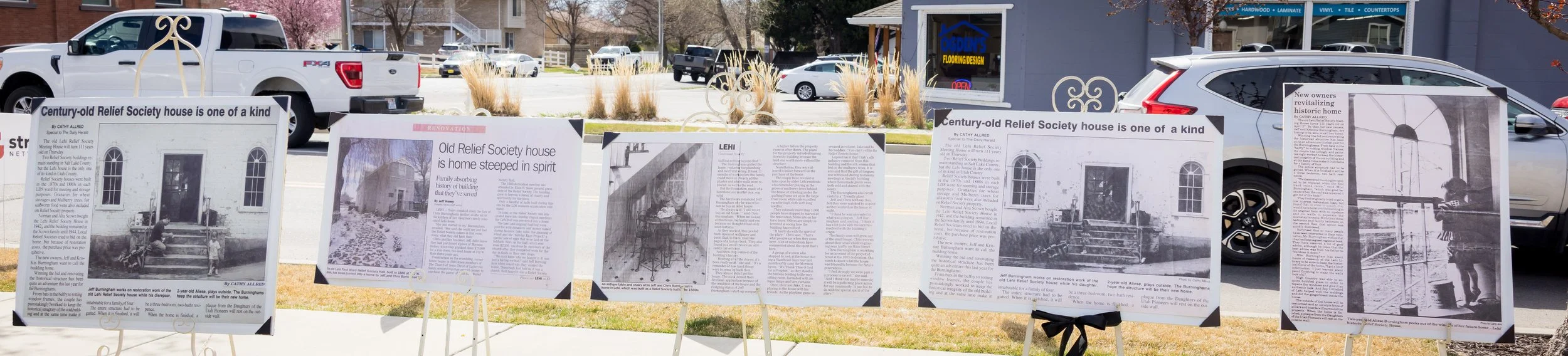
In 1909, the Lehi First Ward Relief Society gave title to the Lehi First Ward Corporation, which sold the property to Norman and Alta Scown in 1942. They added dormer windows. The building remained in the Scown family until 1994 when they sold it to Jeff and Kristine Burningham, who remodeled the old Relief Society Hall into a fine residence for their family.
The Burninghams gutted the home, replacing the plumbing and electrical wiring. It took 11 months of work before the family could move in. Nearly all the plaster and adobe walls were replaced, as well as the roof. The couple reveled in tales spun by older Lehi residents who remember playing in the grove of mulberry trees behind the house or crawling under the quilting frame set up in the large front room while sisters pulled yarn through cloth with long needles. In 2008, the Burninghams sold the house to Aaron and Brooke Christensen, who opened Car Town at the location.
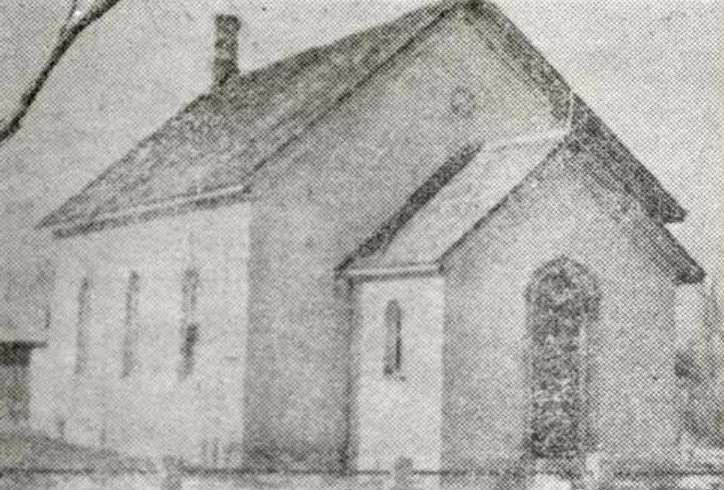
Marker Location
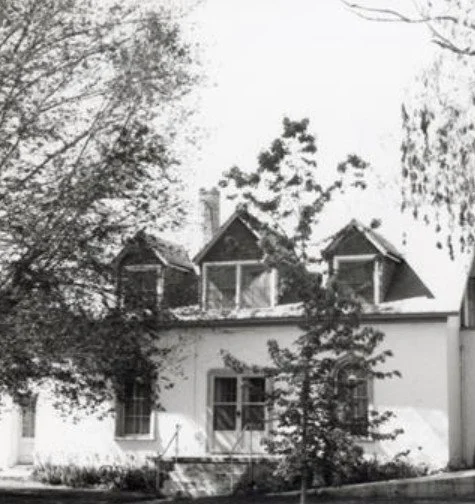
212 W. Main St. Lehi, UT
Marker Unveiling
March 21, 2026
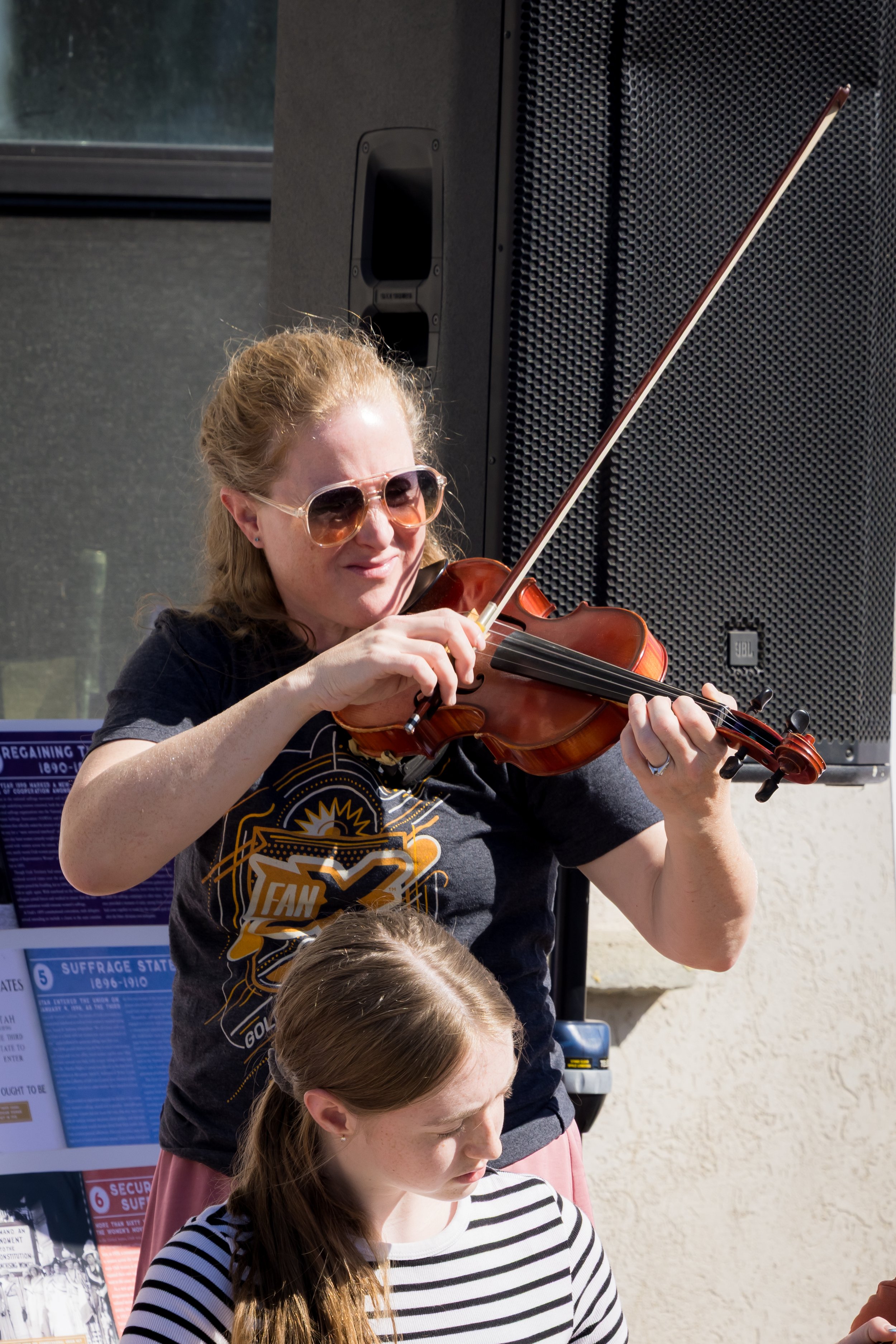
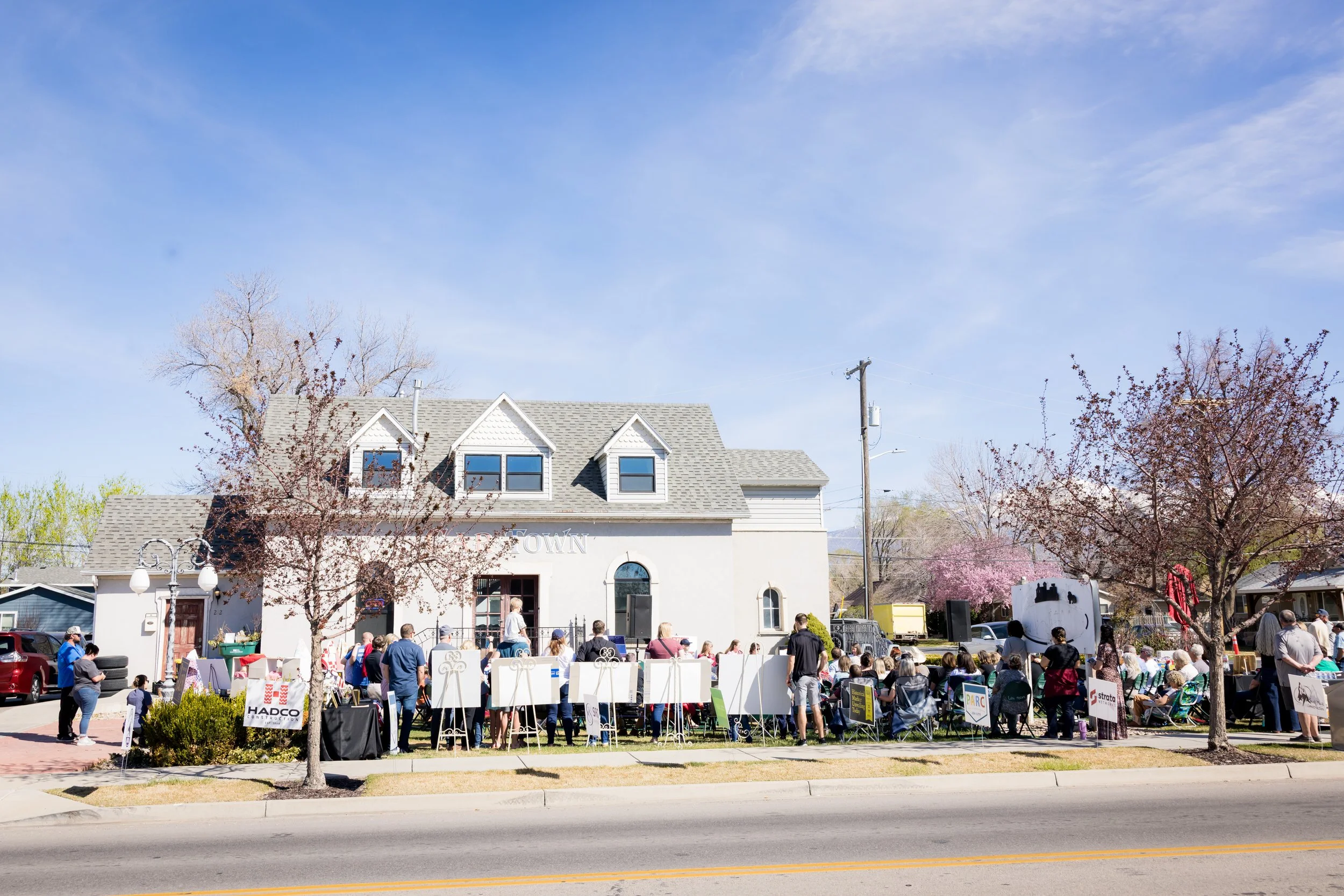
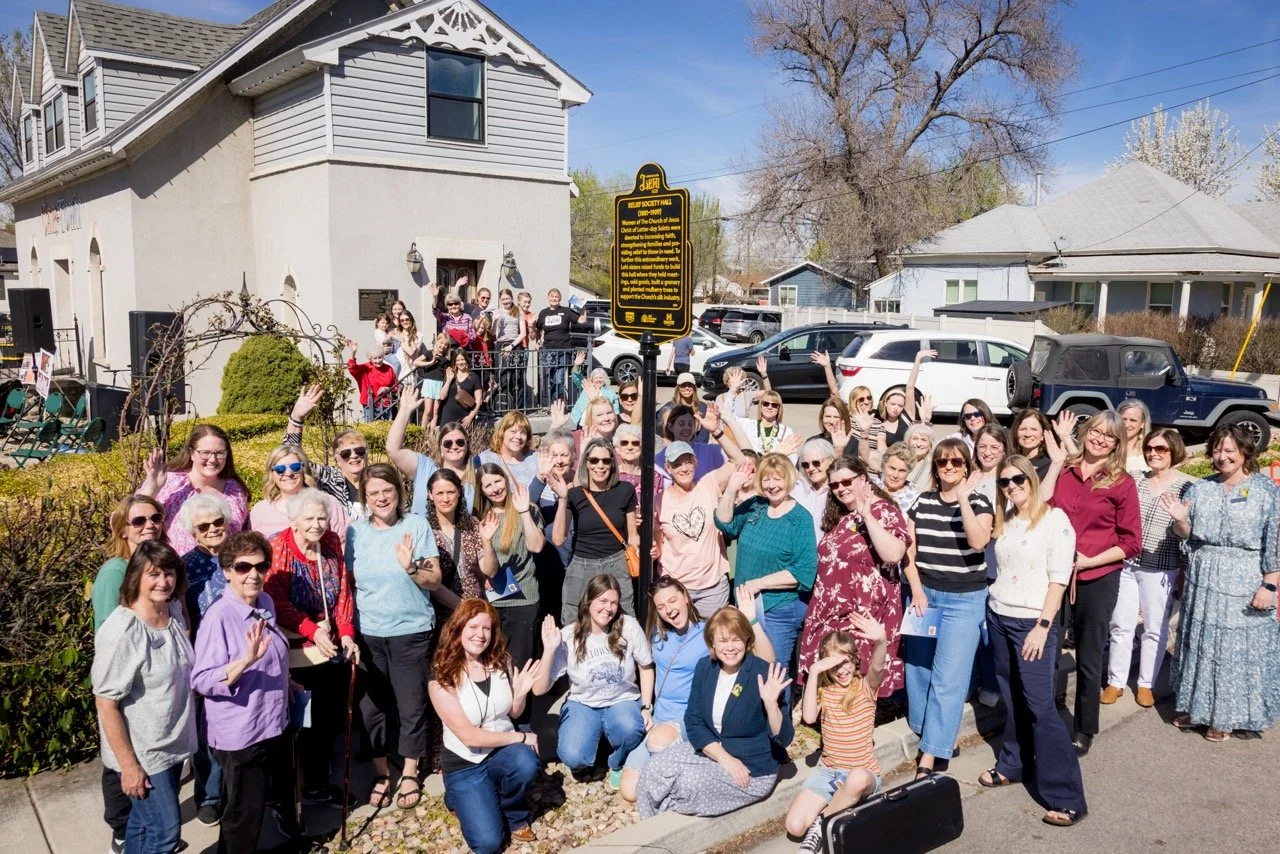
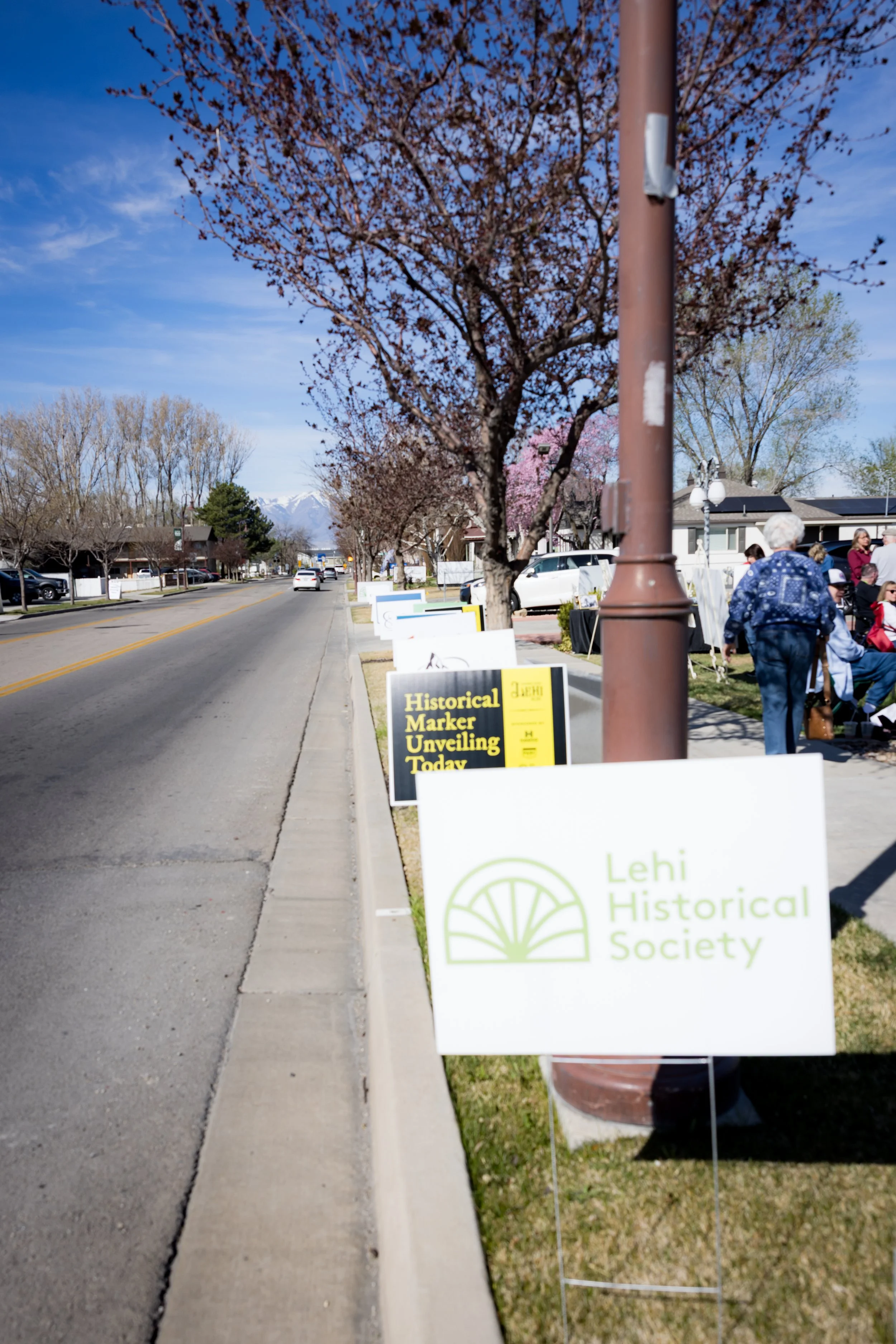
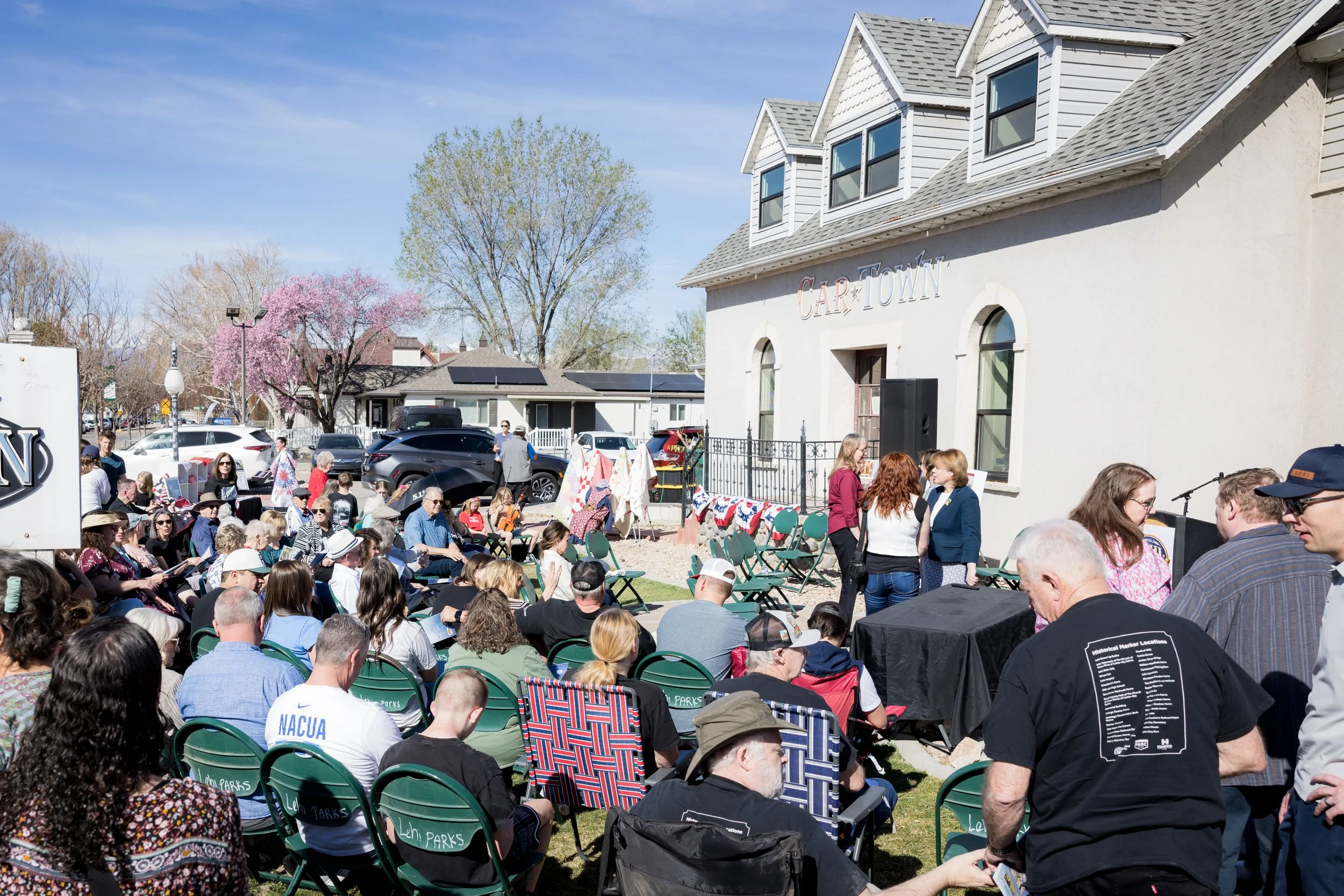
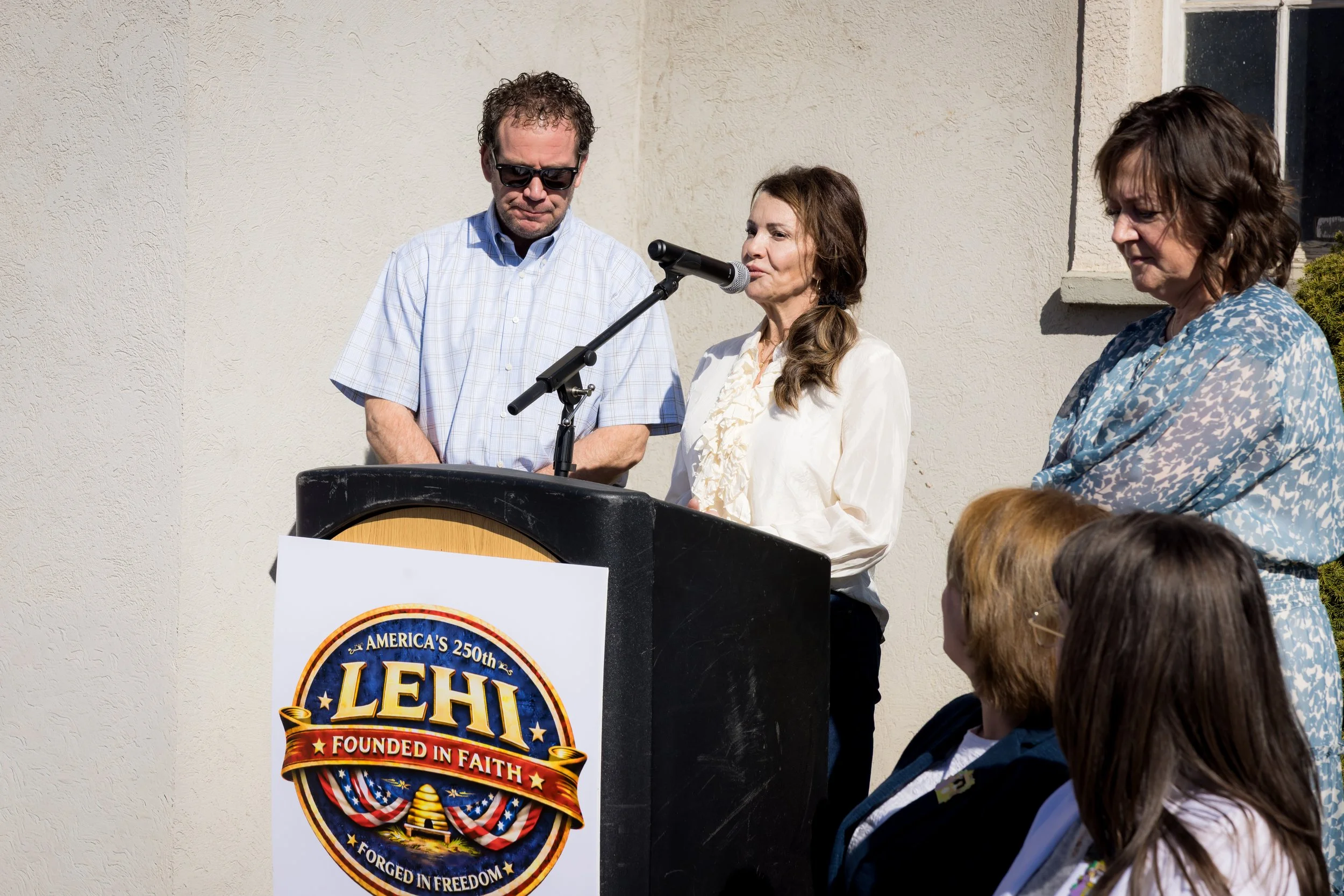
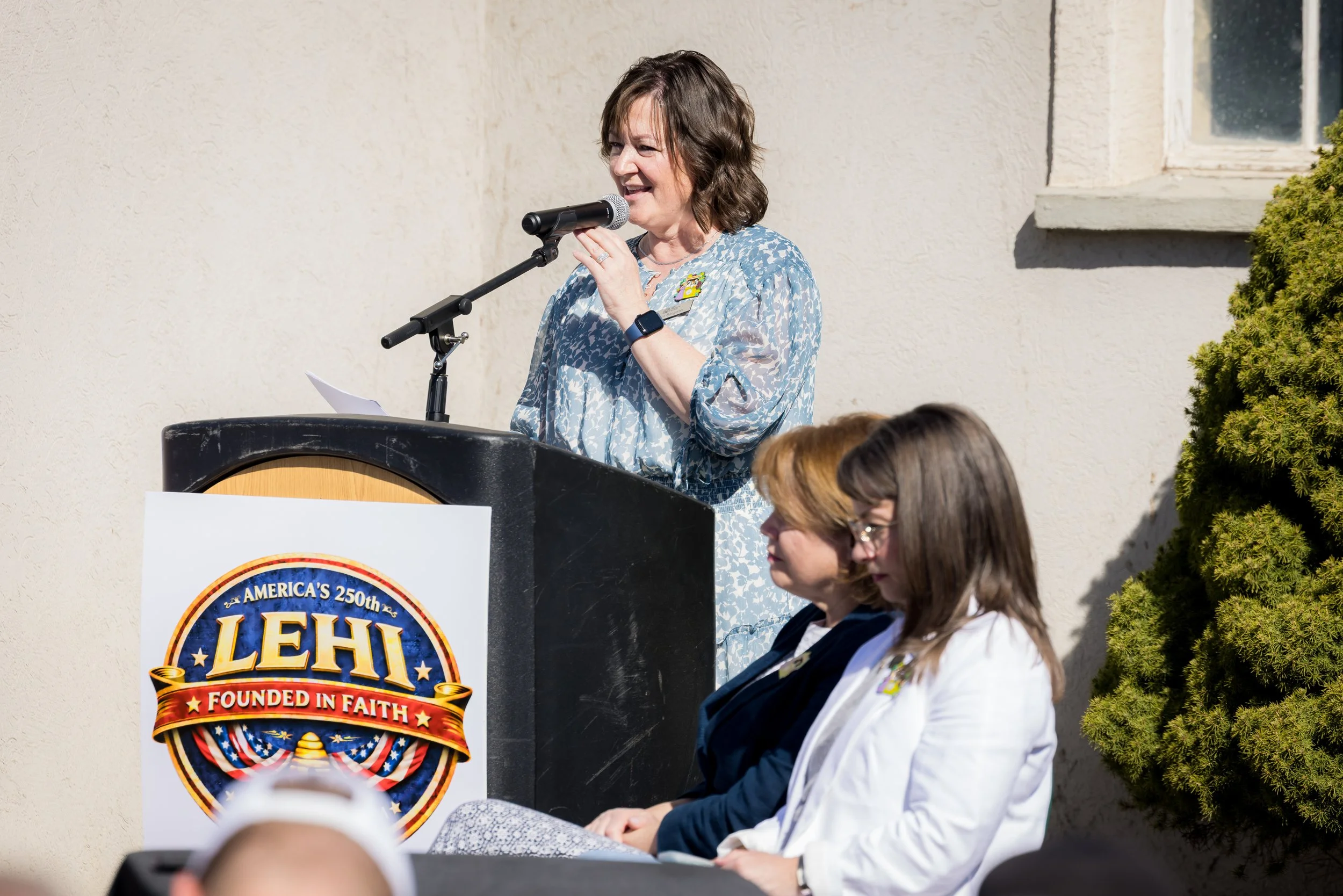
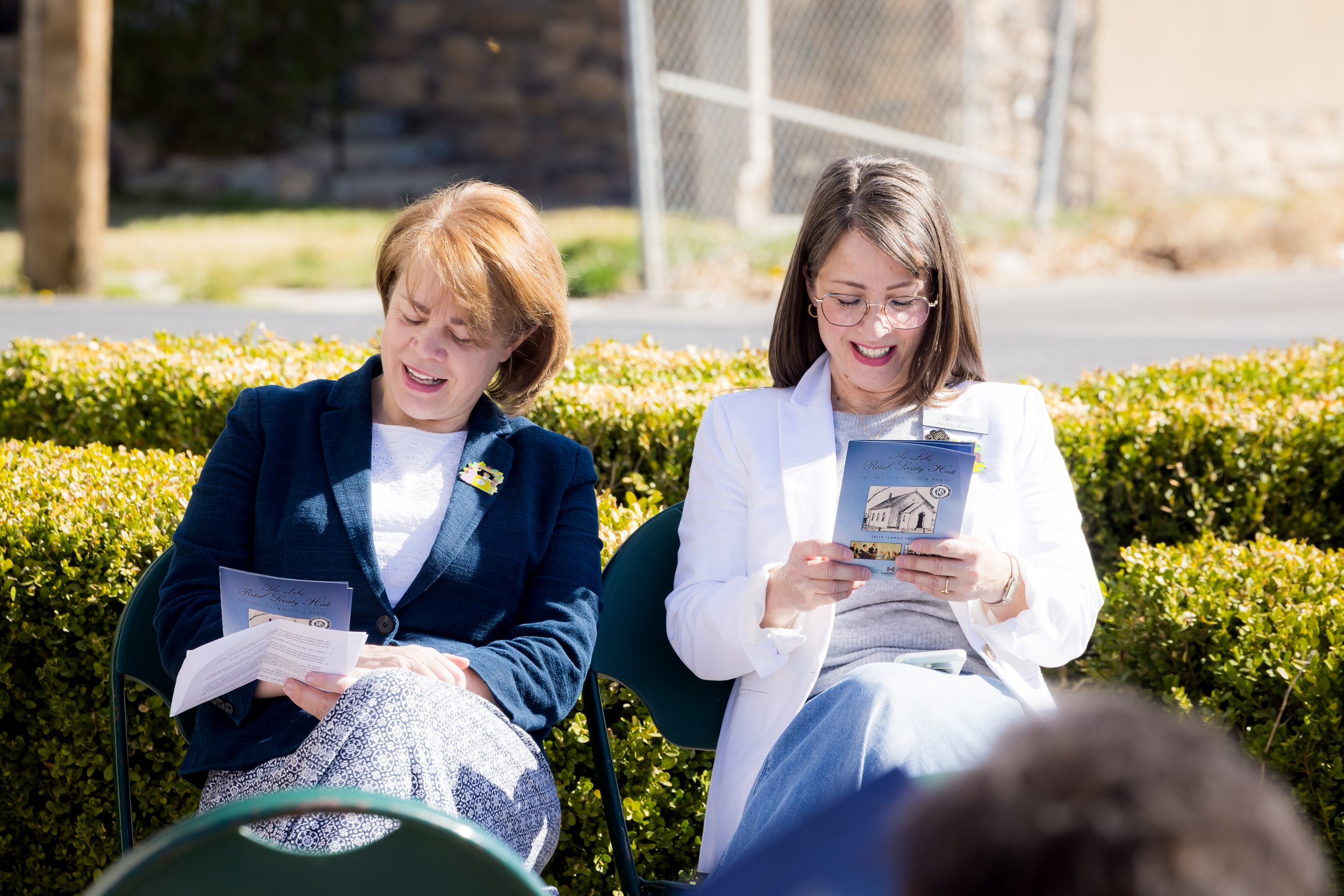
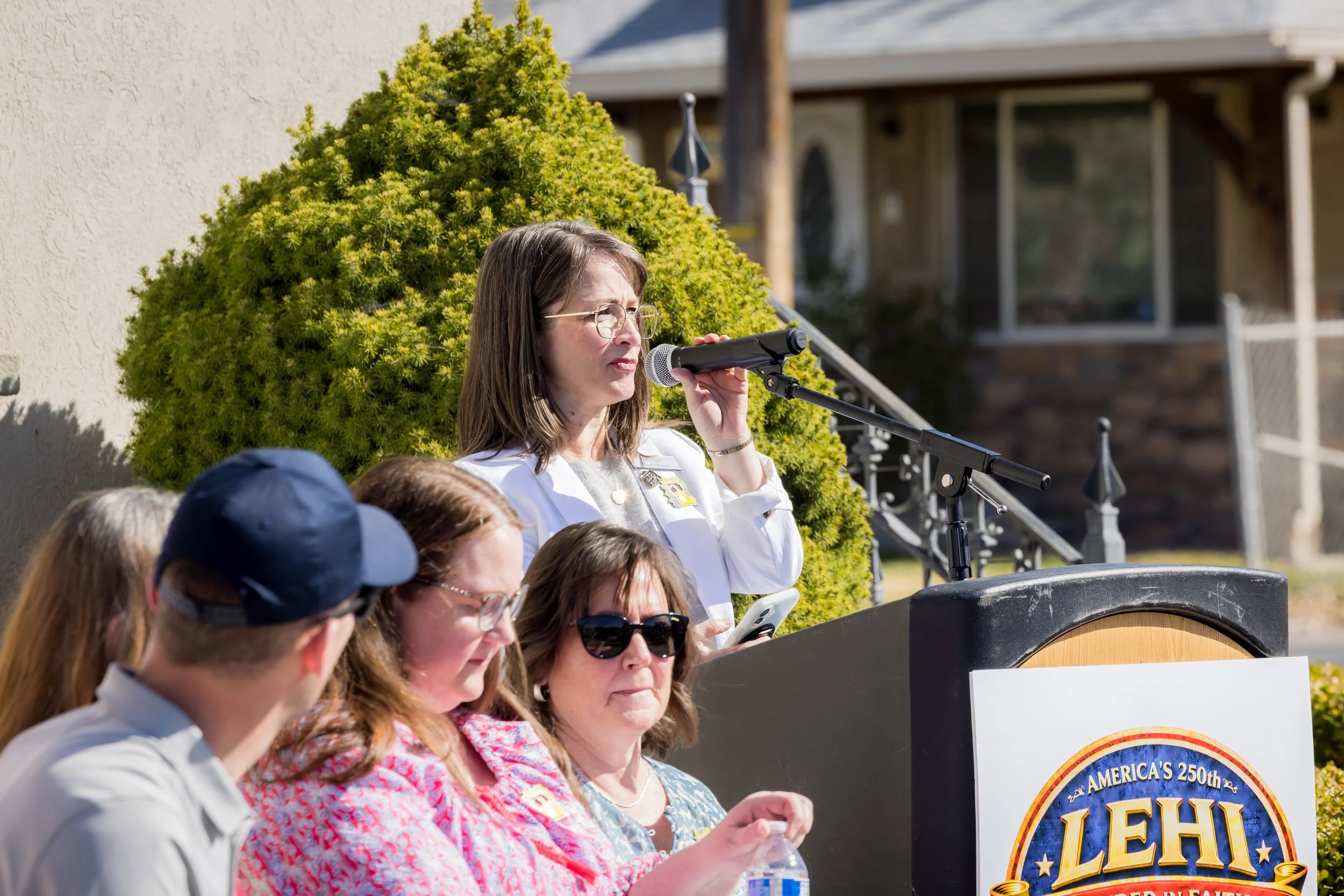
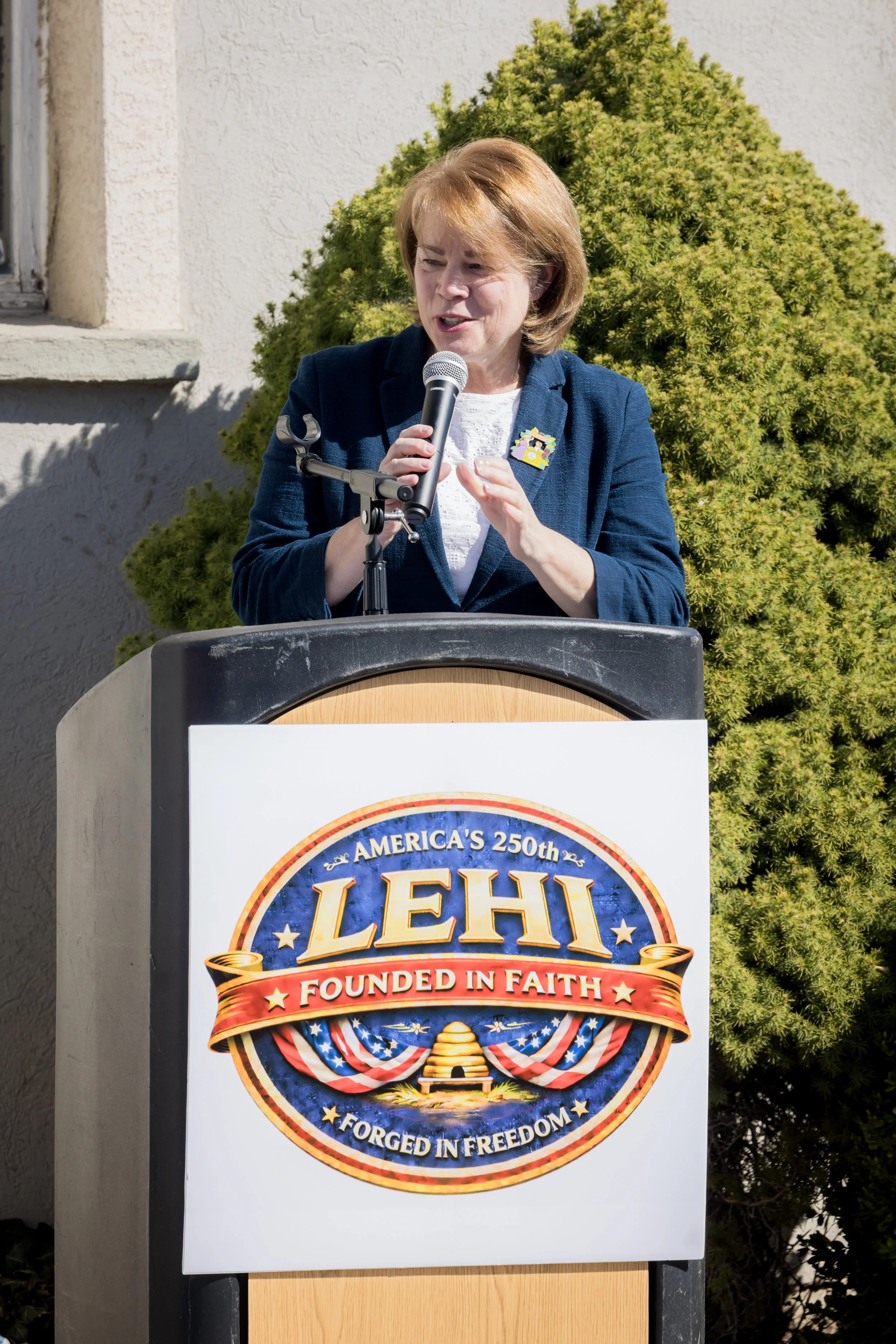
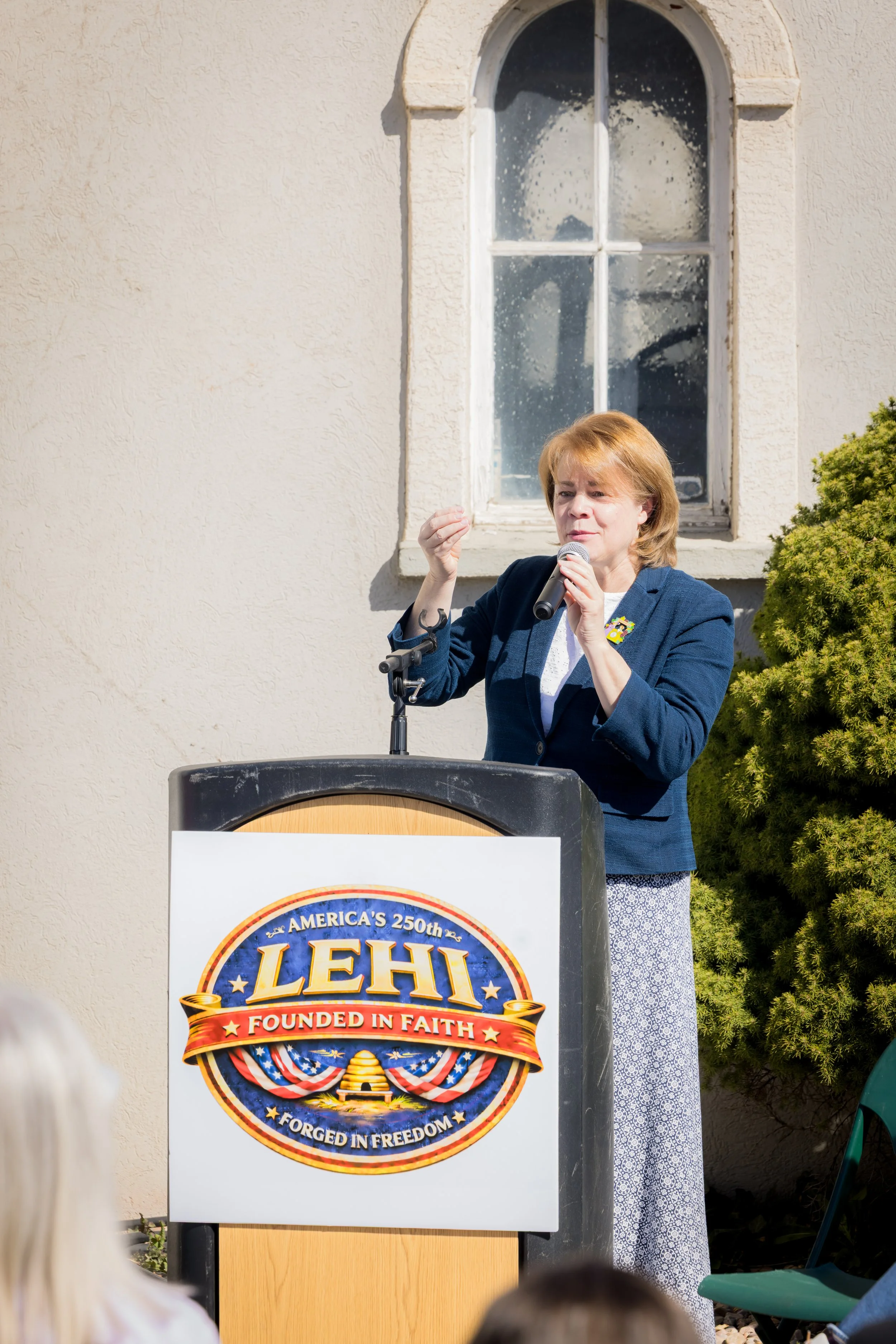
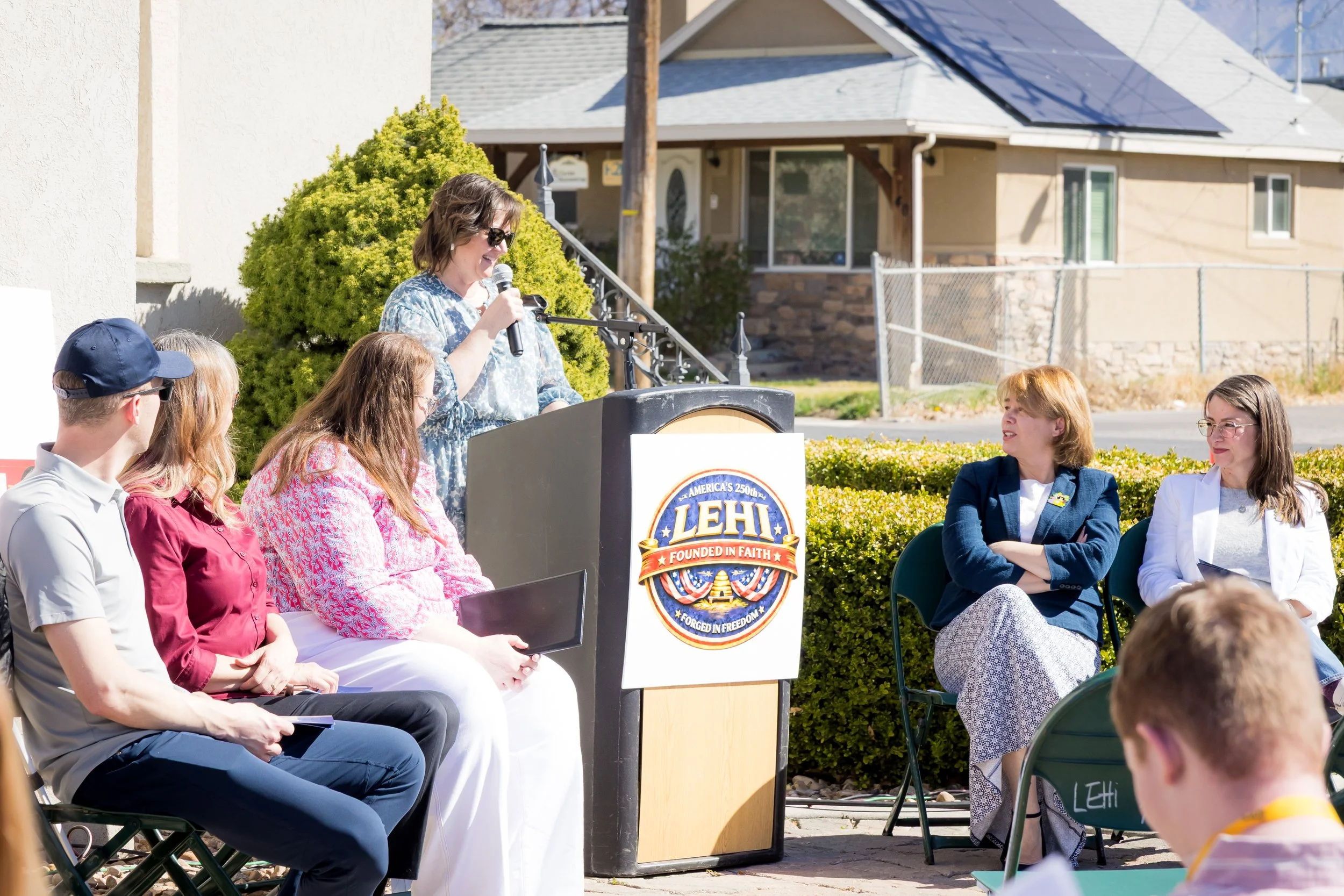
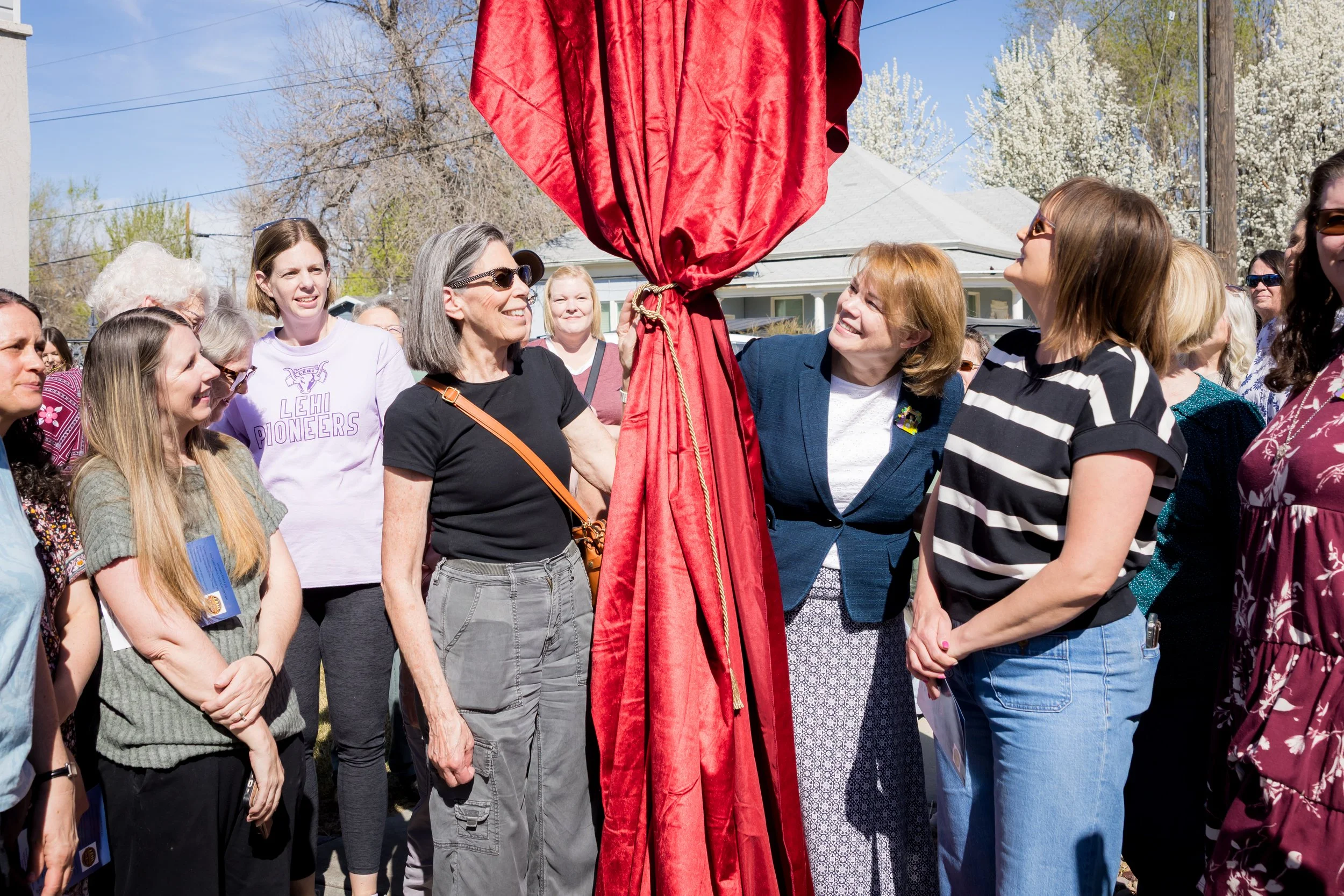
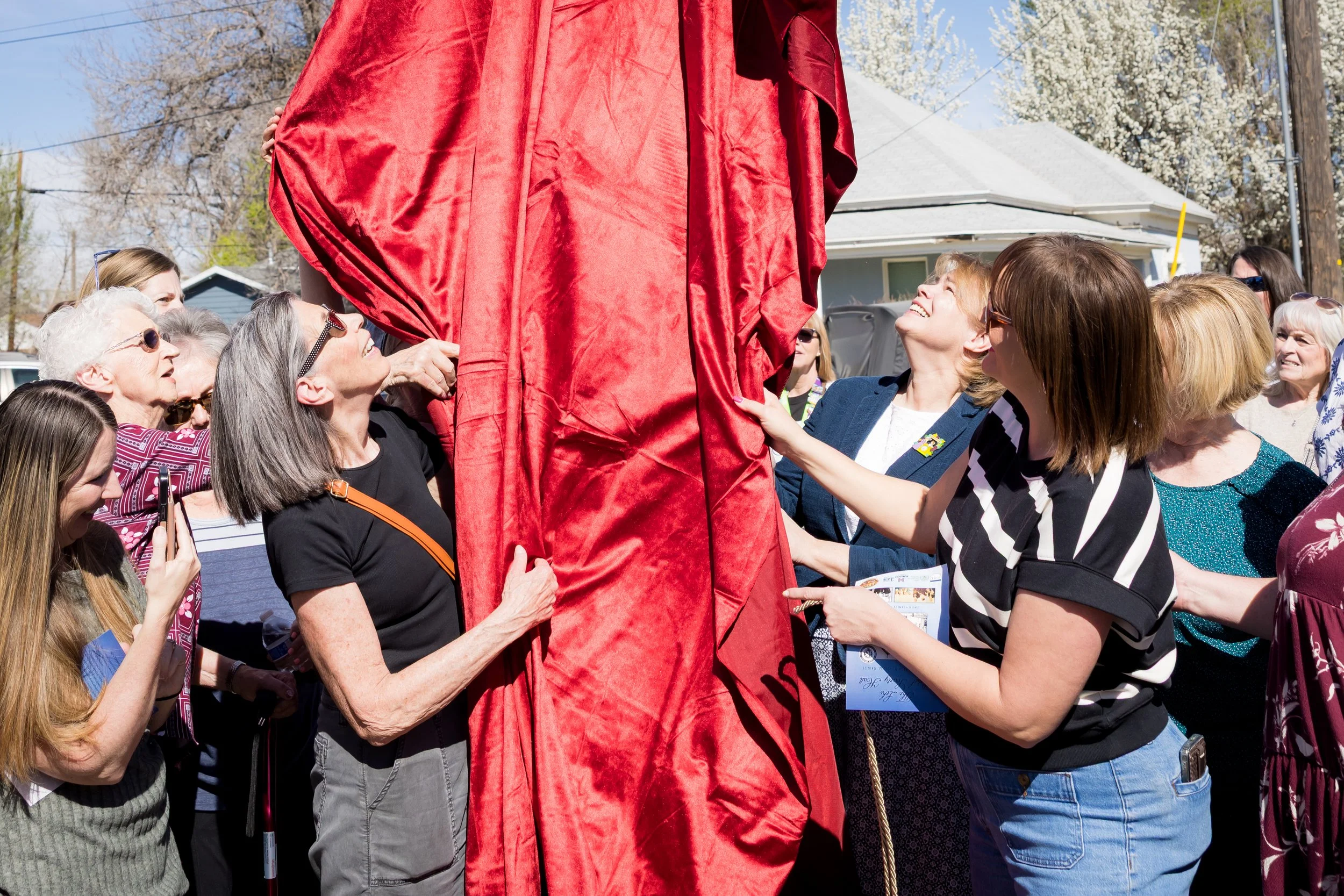
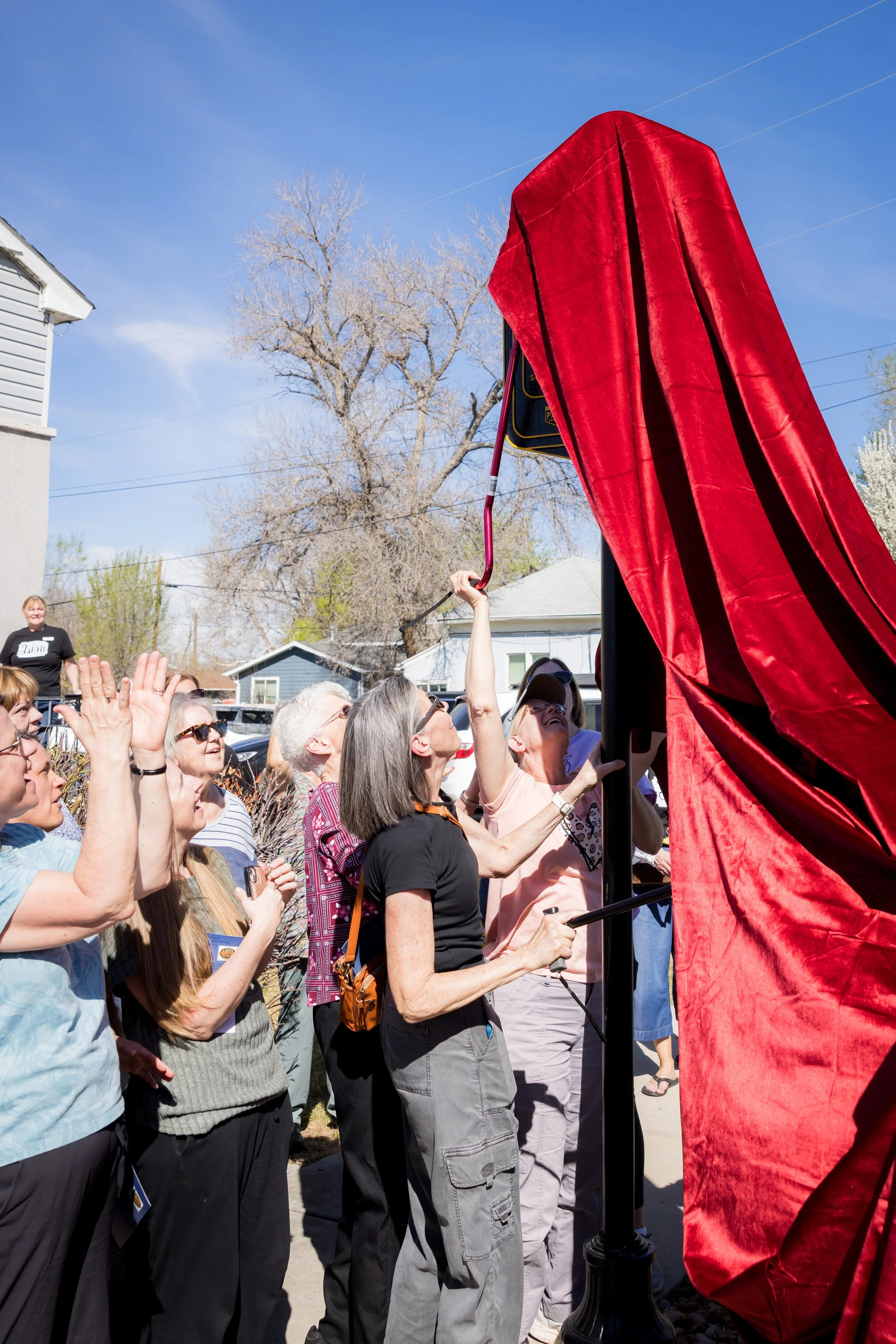
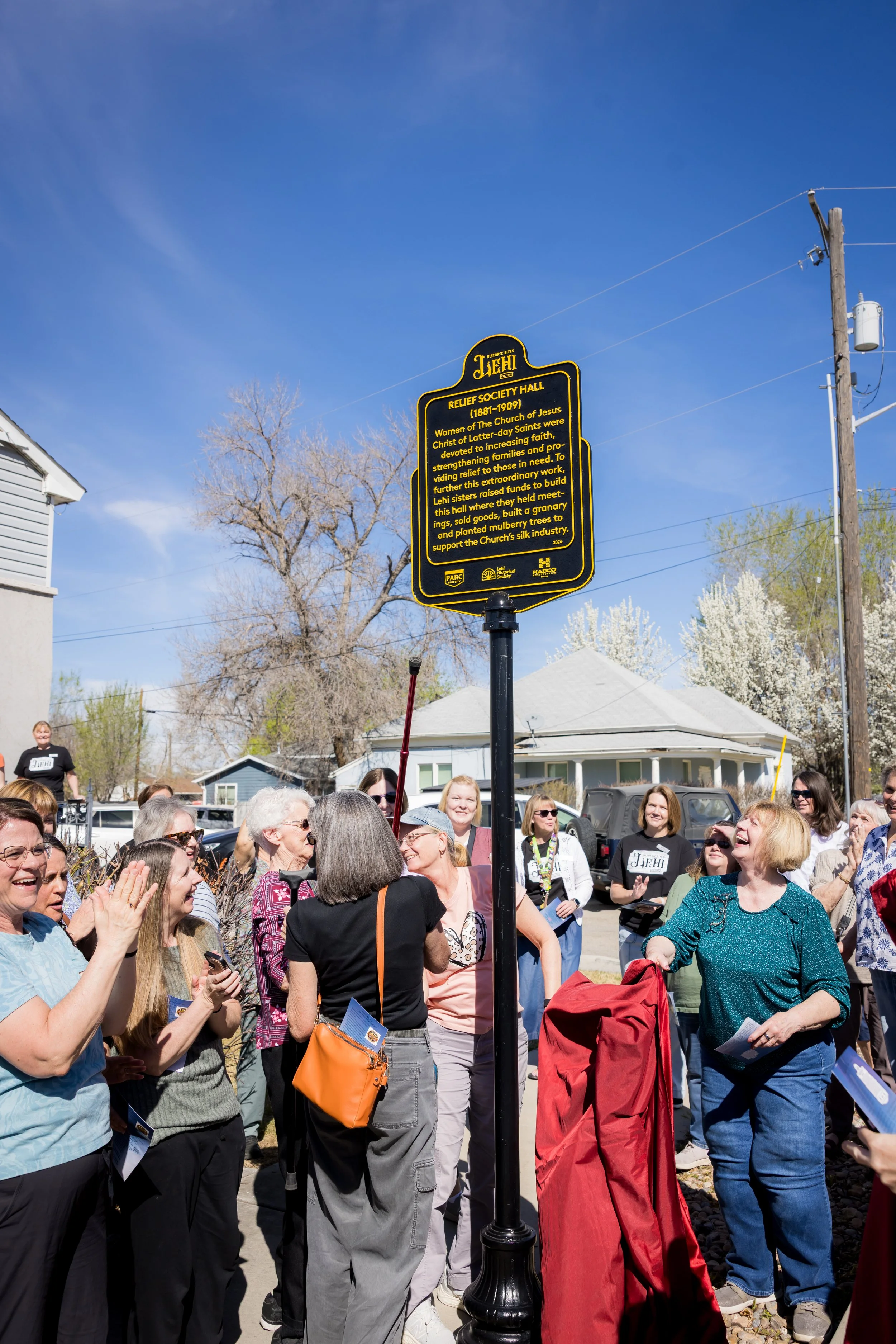
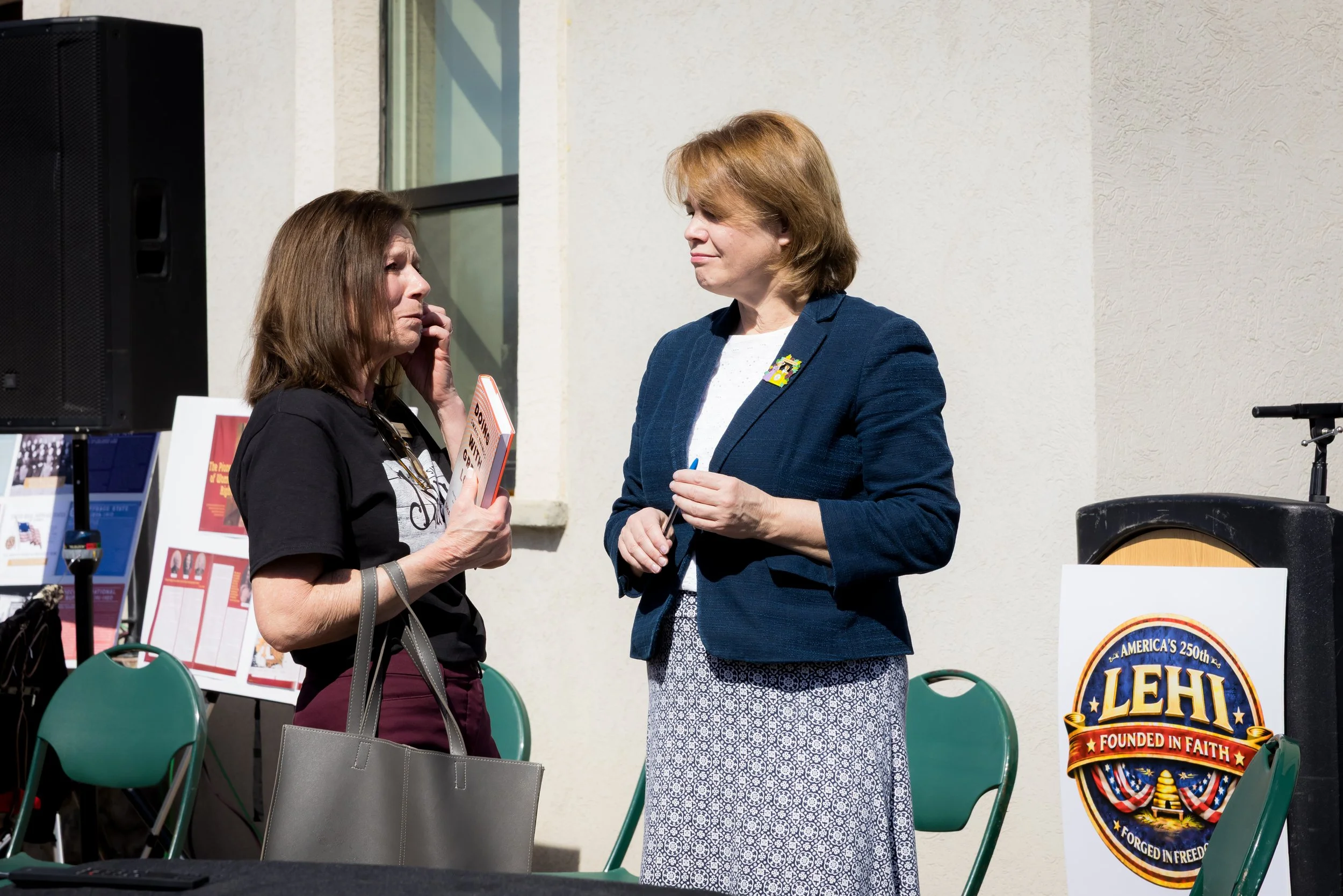
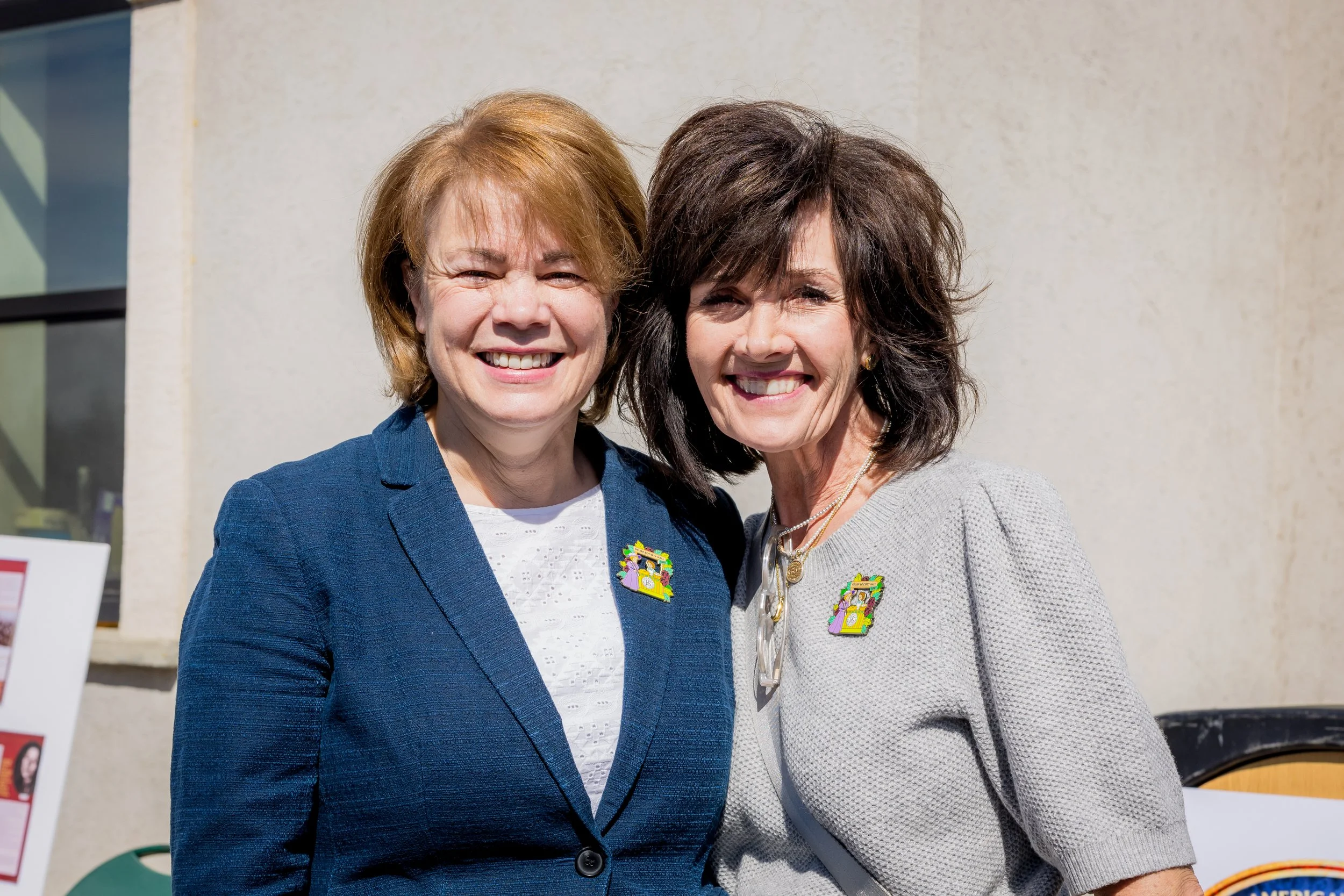
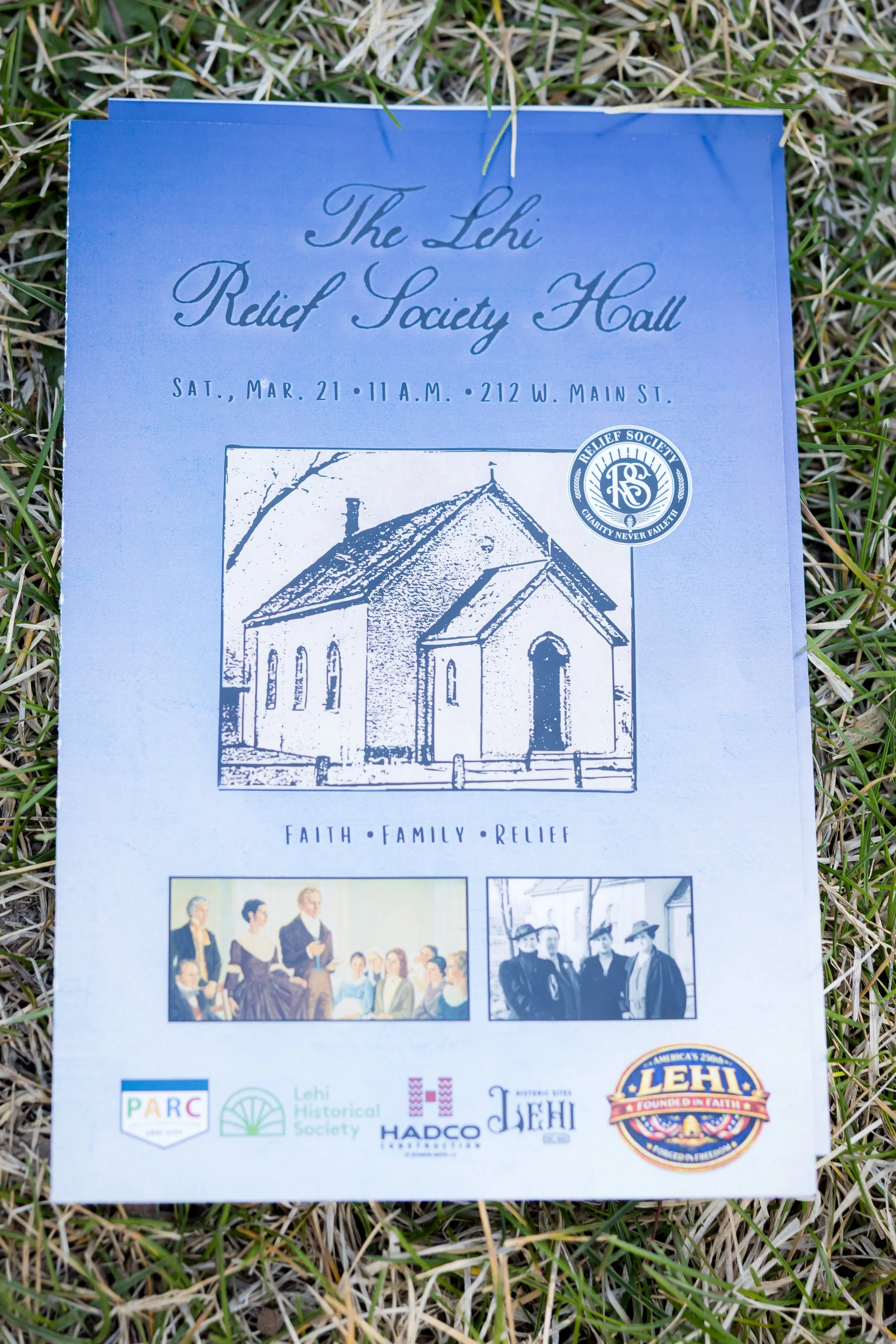
Lehi’s female history was honored at the historical marker unveiling of the former Relief Society Hall of The Church of Jesus Christ of Latter-day Saints at 212 W. Main St. The event honored the building and the women whose faith and service shaped the city.
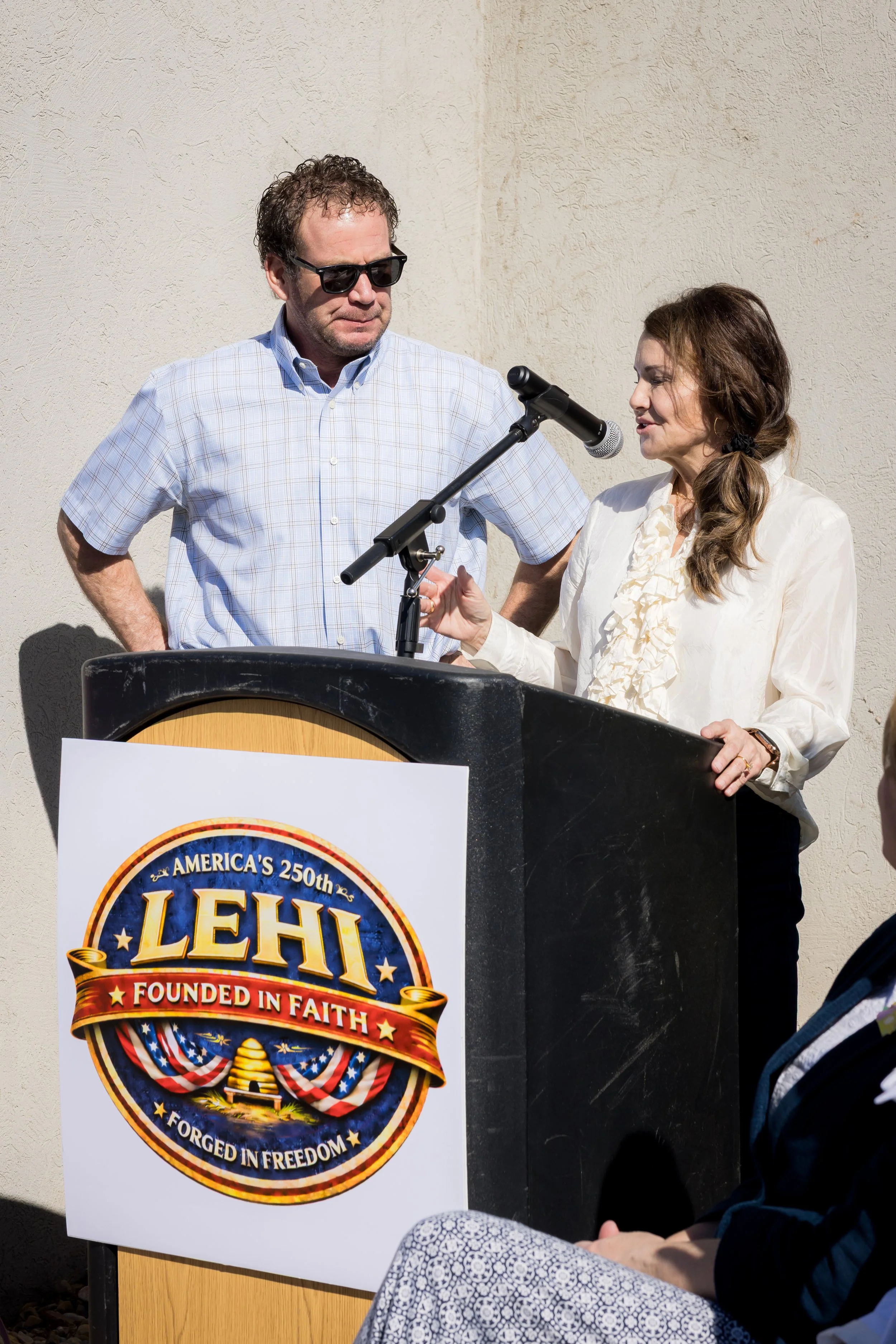
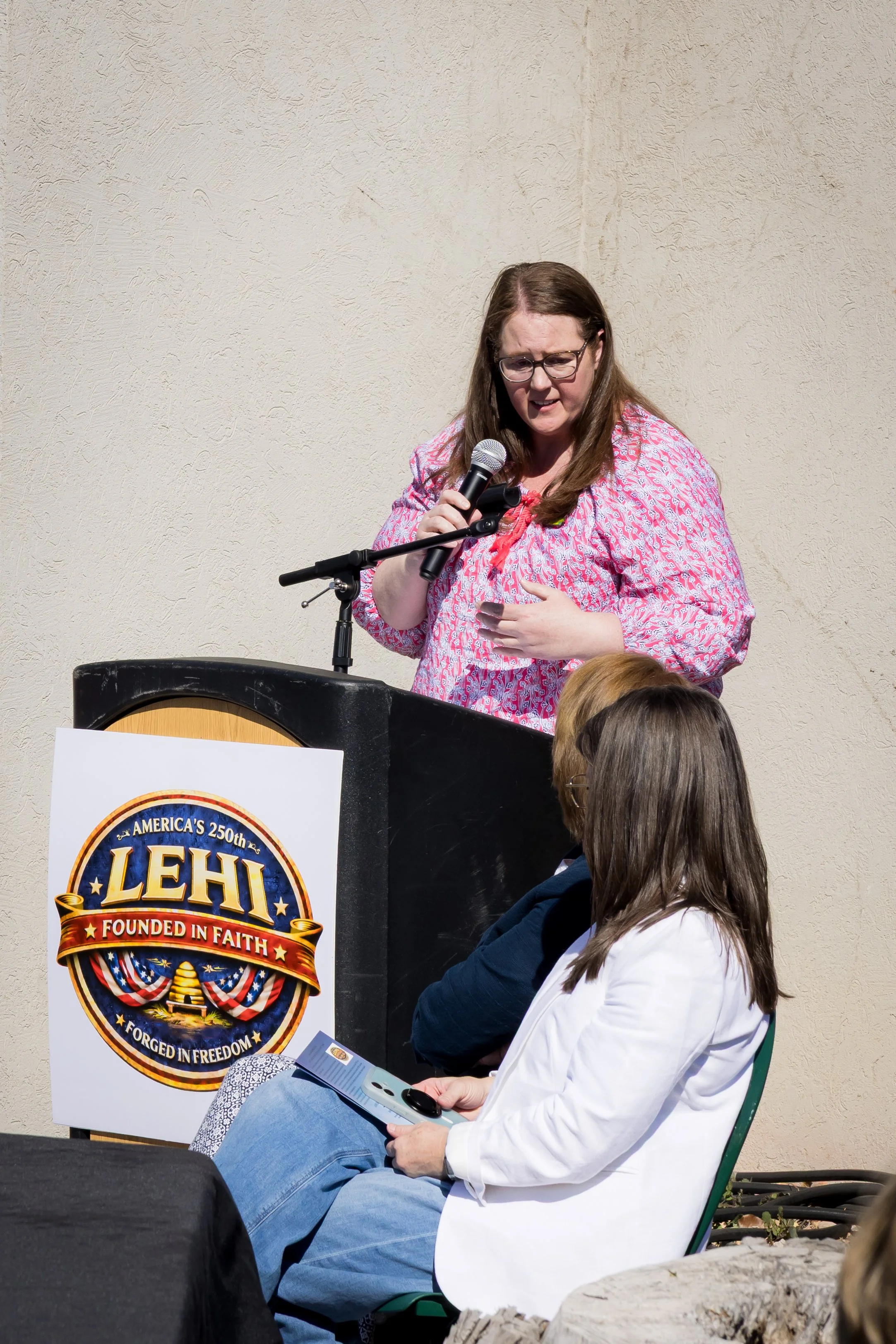
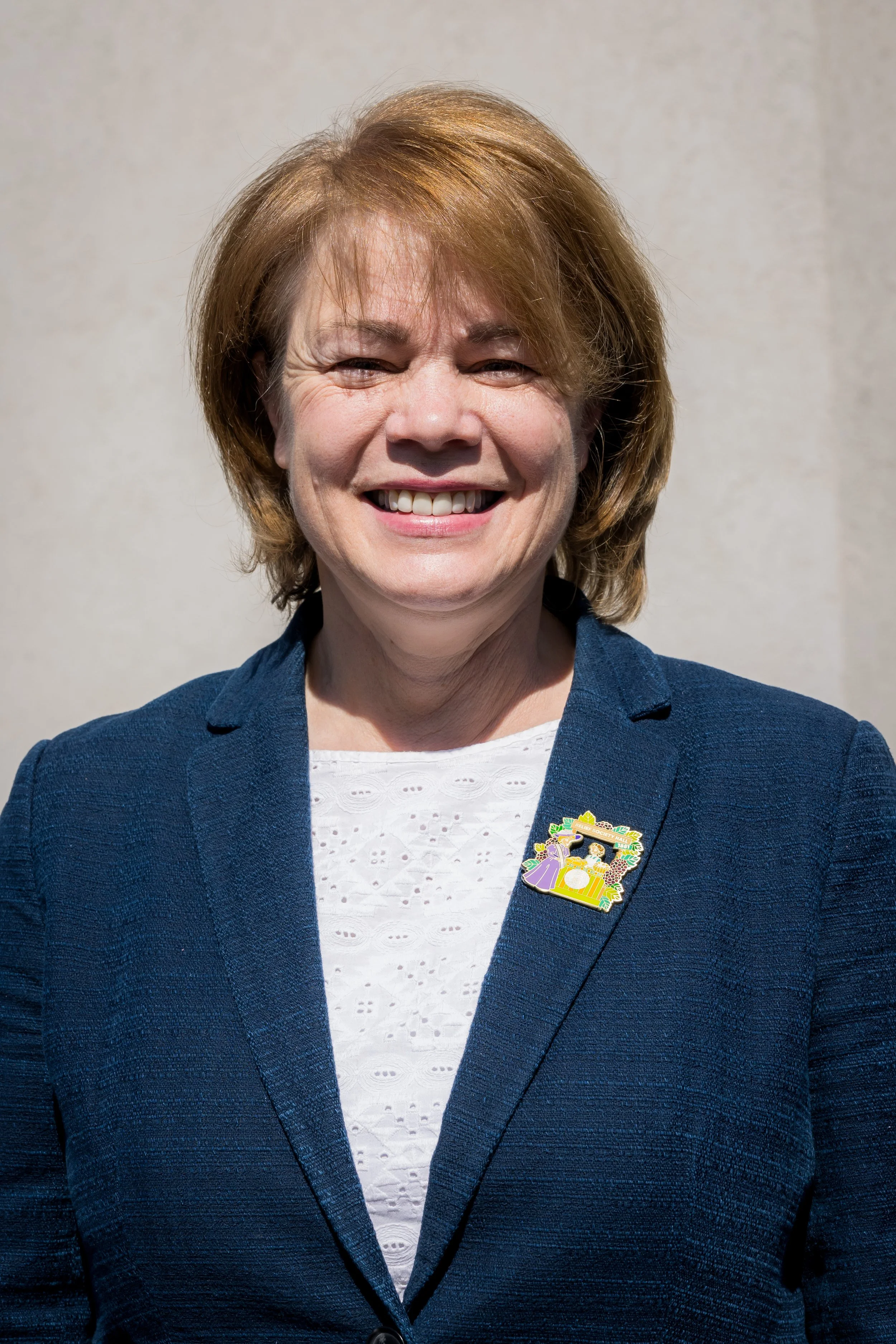
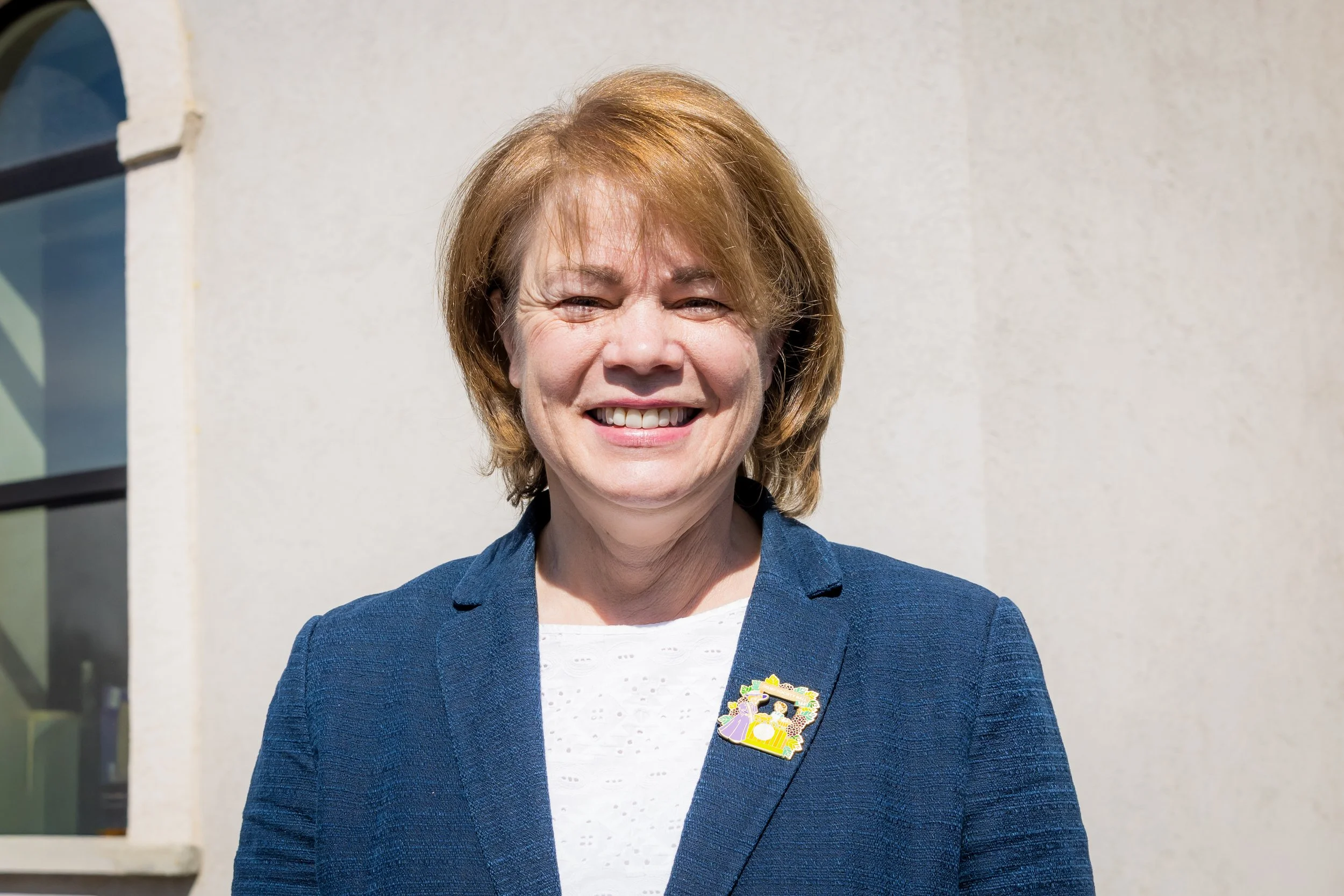
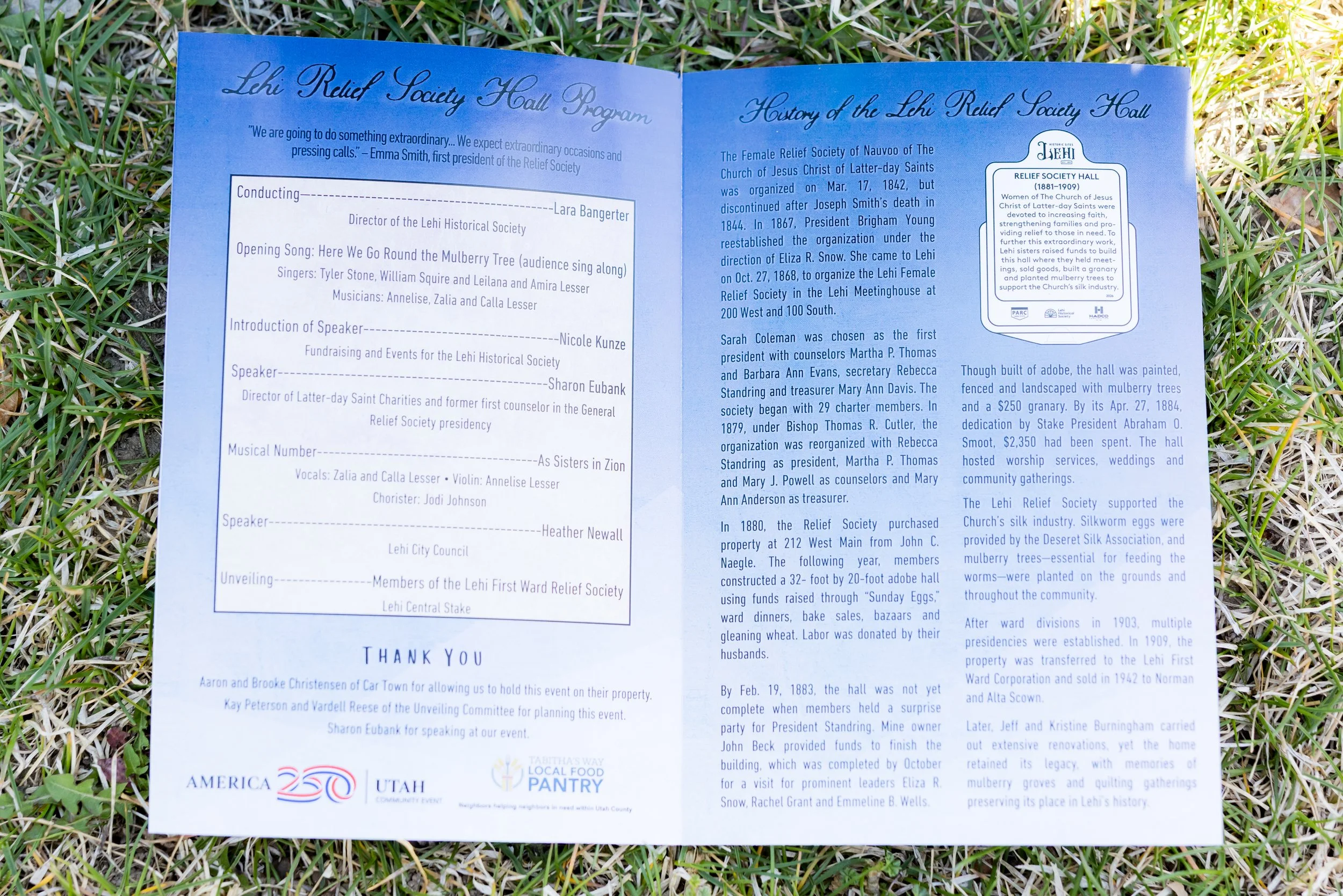
Sharon Eubank, former first counselor of the General Relief Society and director of Latter-day Saint Charities, spoke along with Heather Newall, Lehi City Council member.
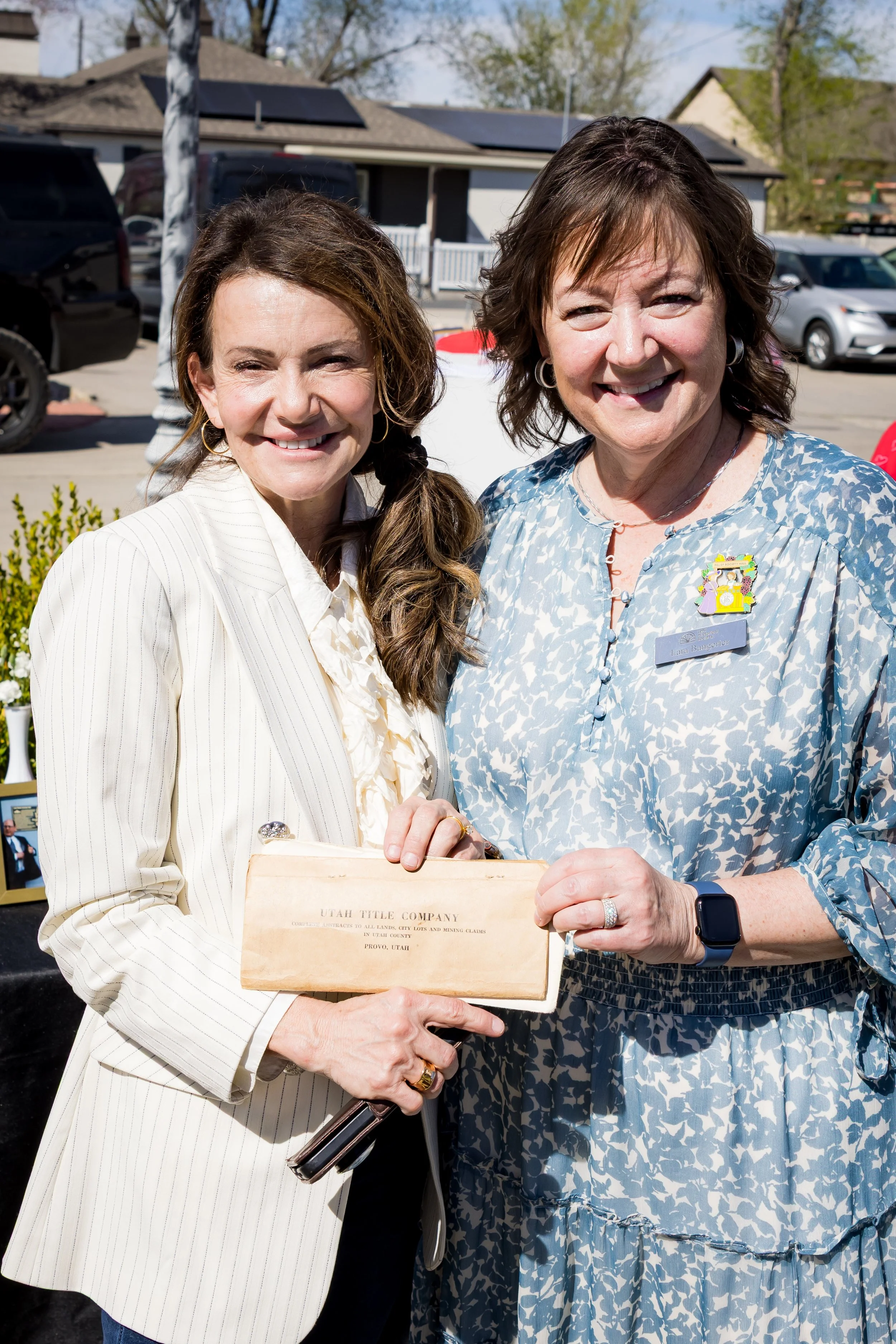
Lehi Historical Society Director Lara Bangerter led the program, noting the hall symbolizes more than its structure, “It reflects the heart of the community grounded in faith, family, and service.”
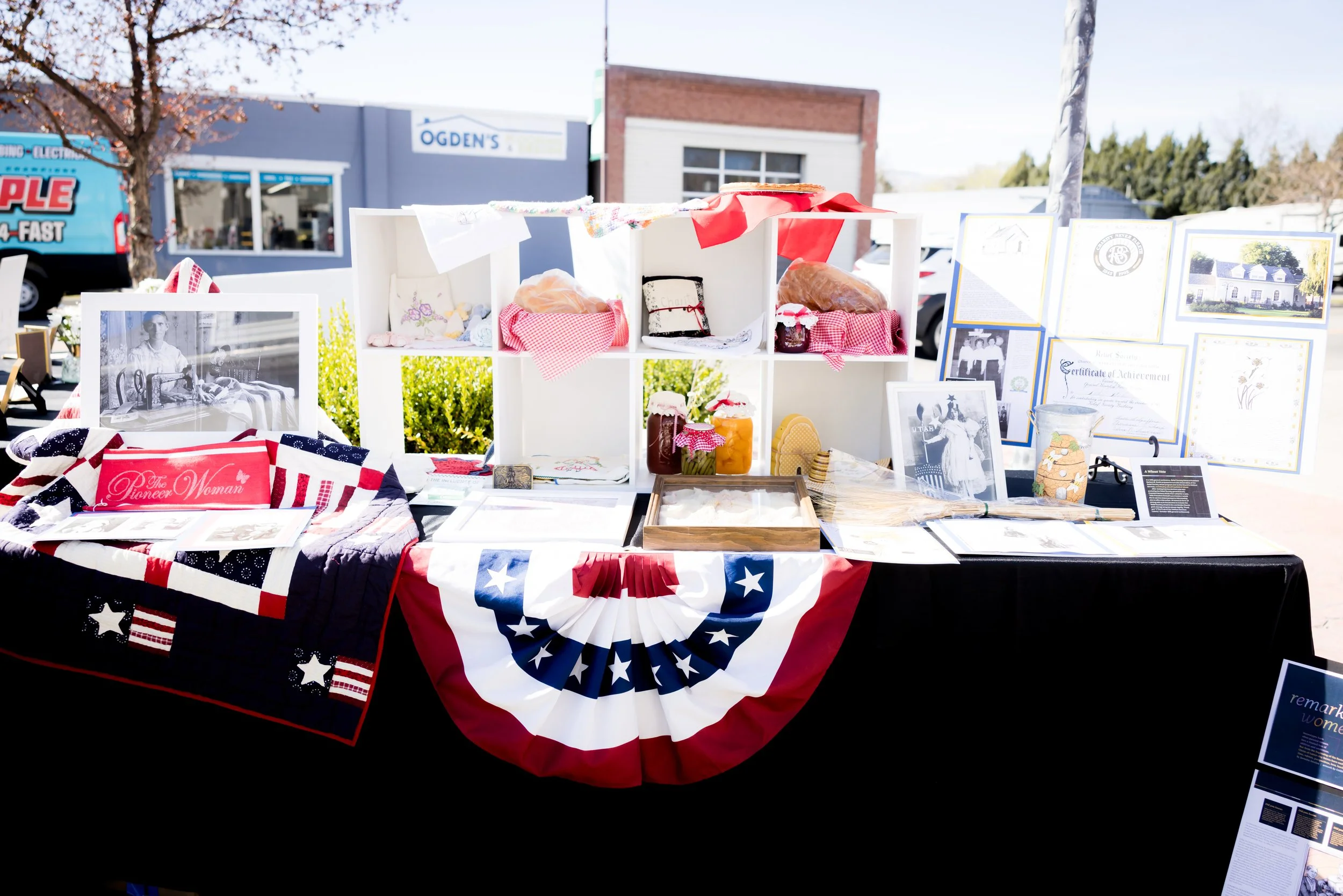
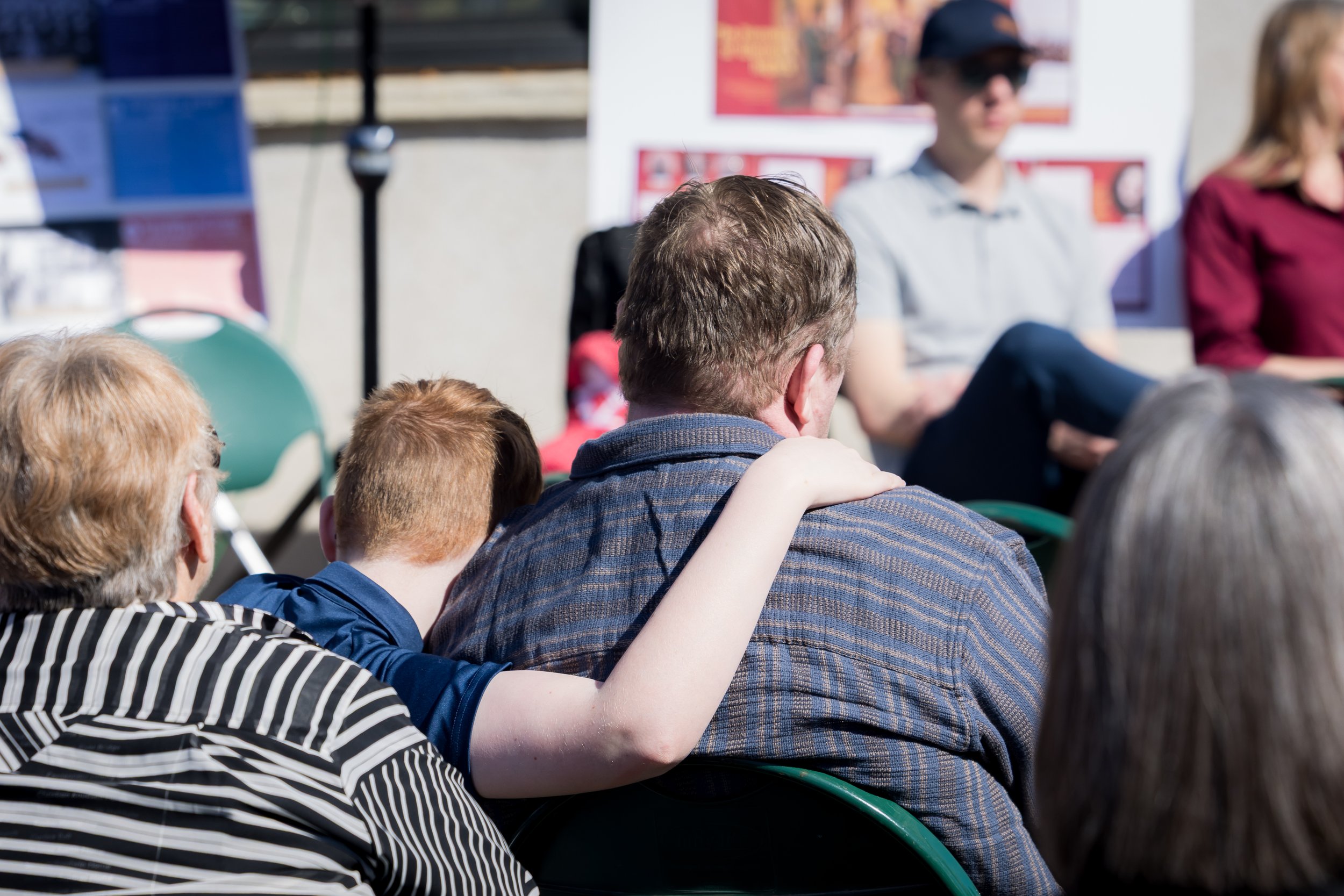
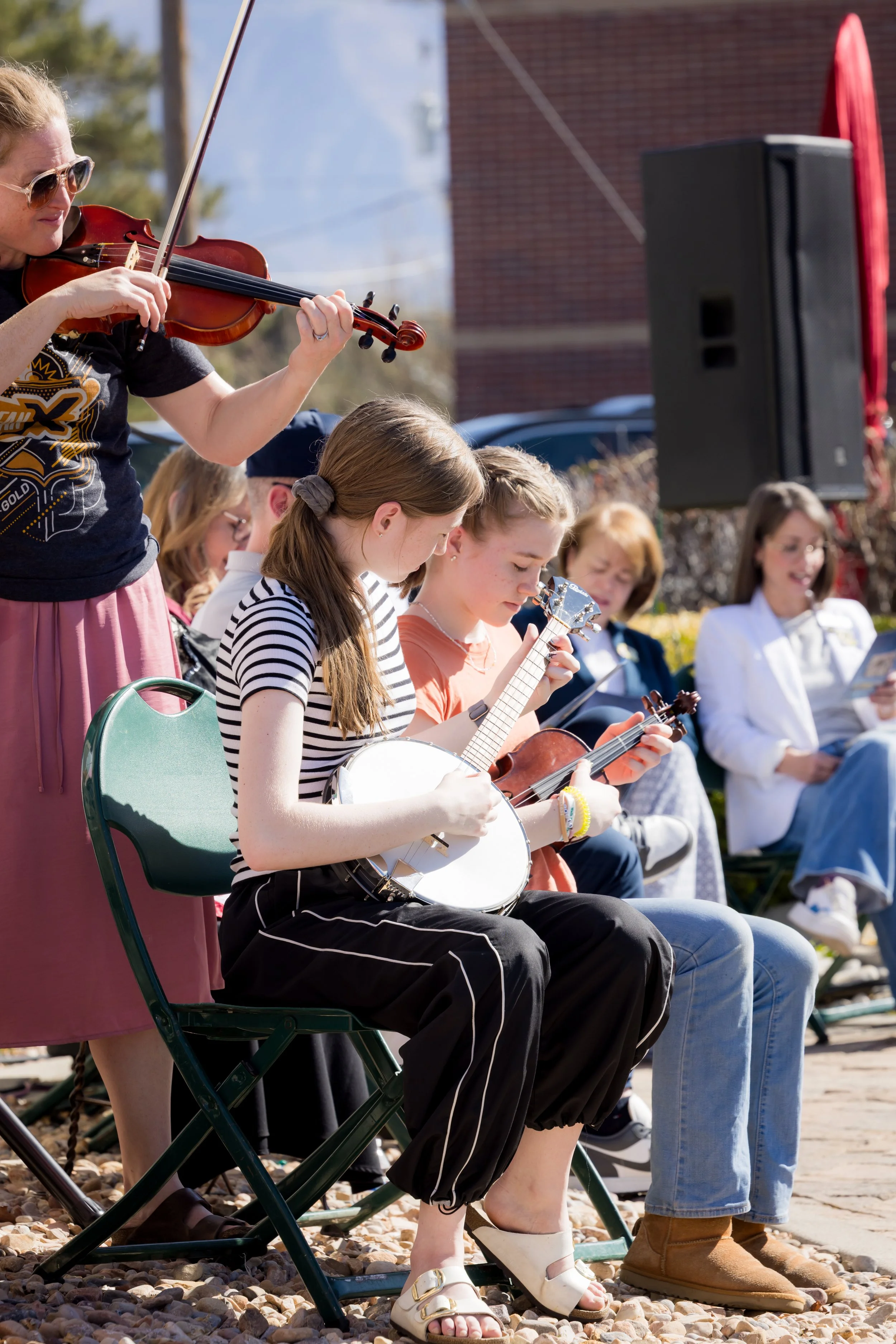
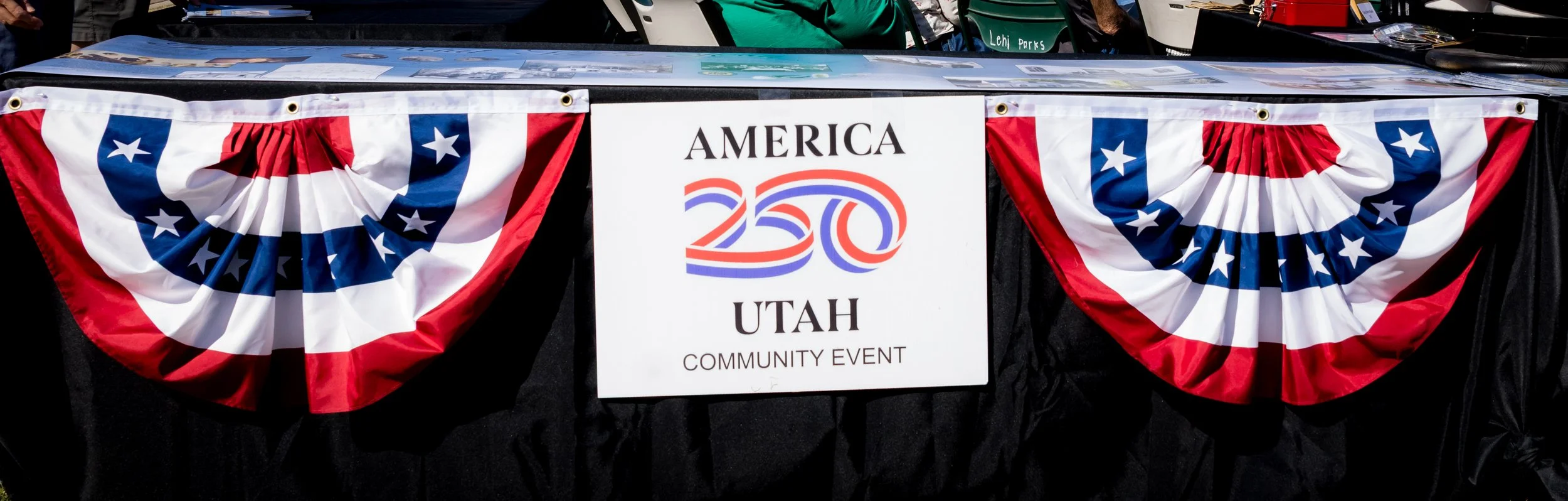
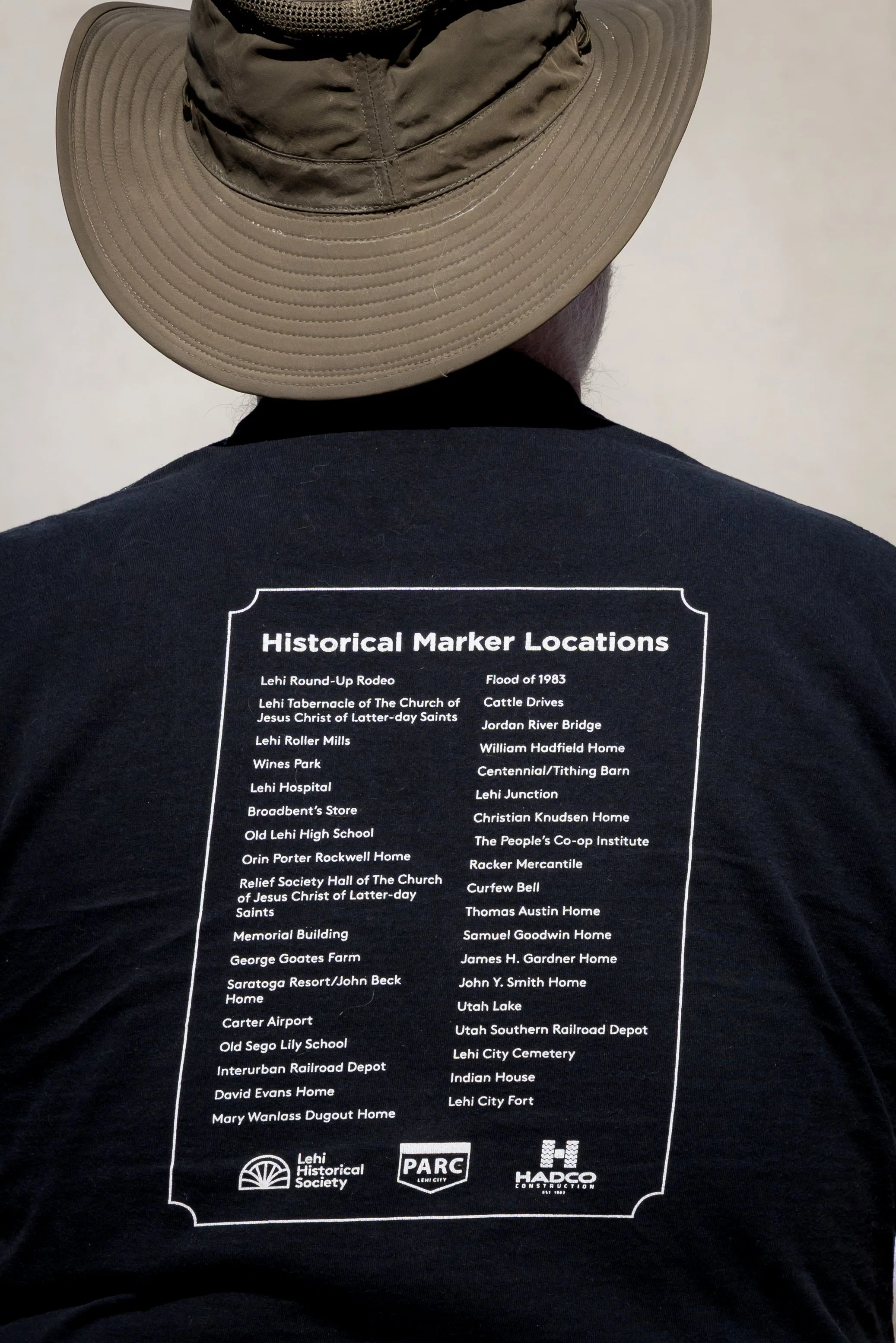
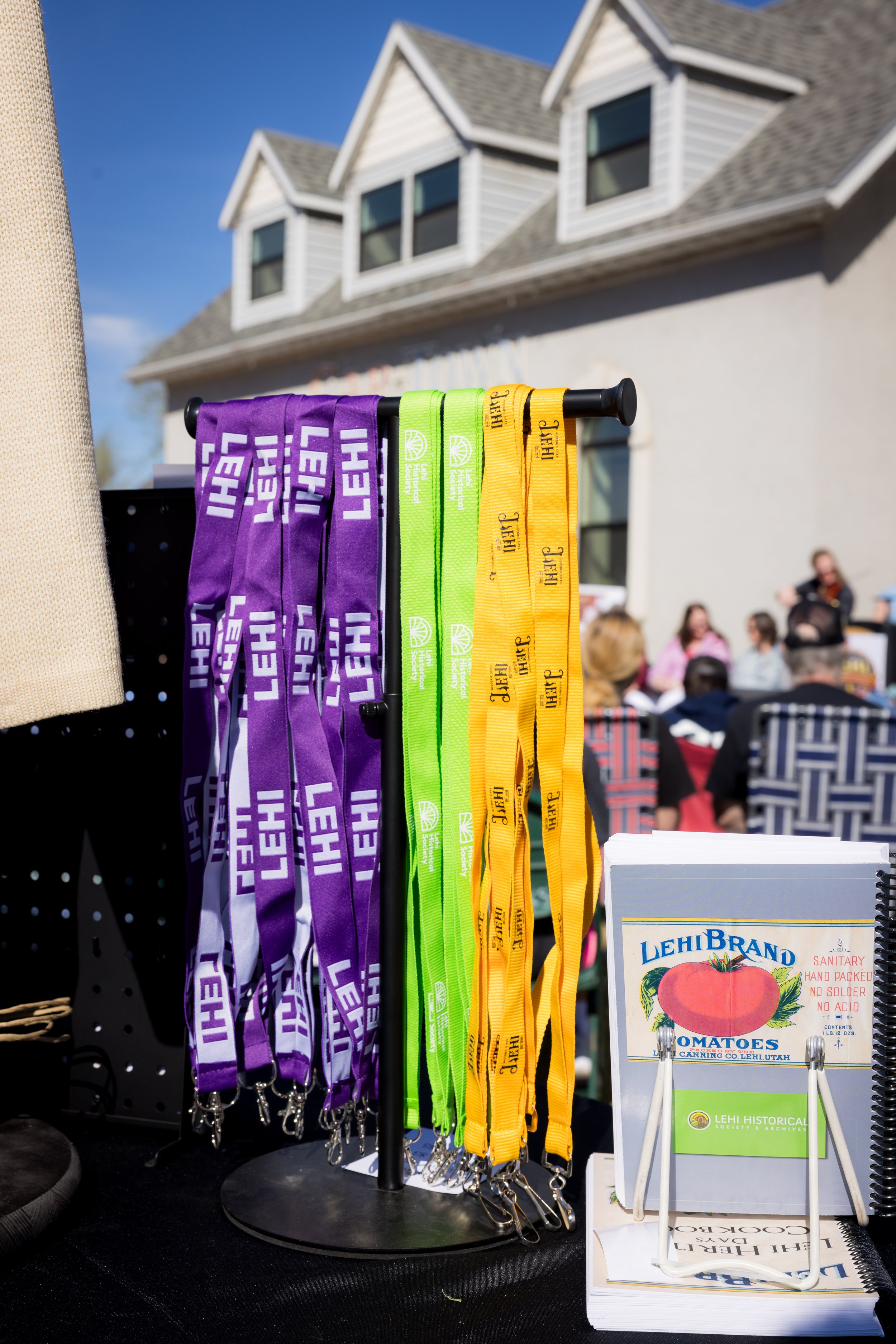
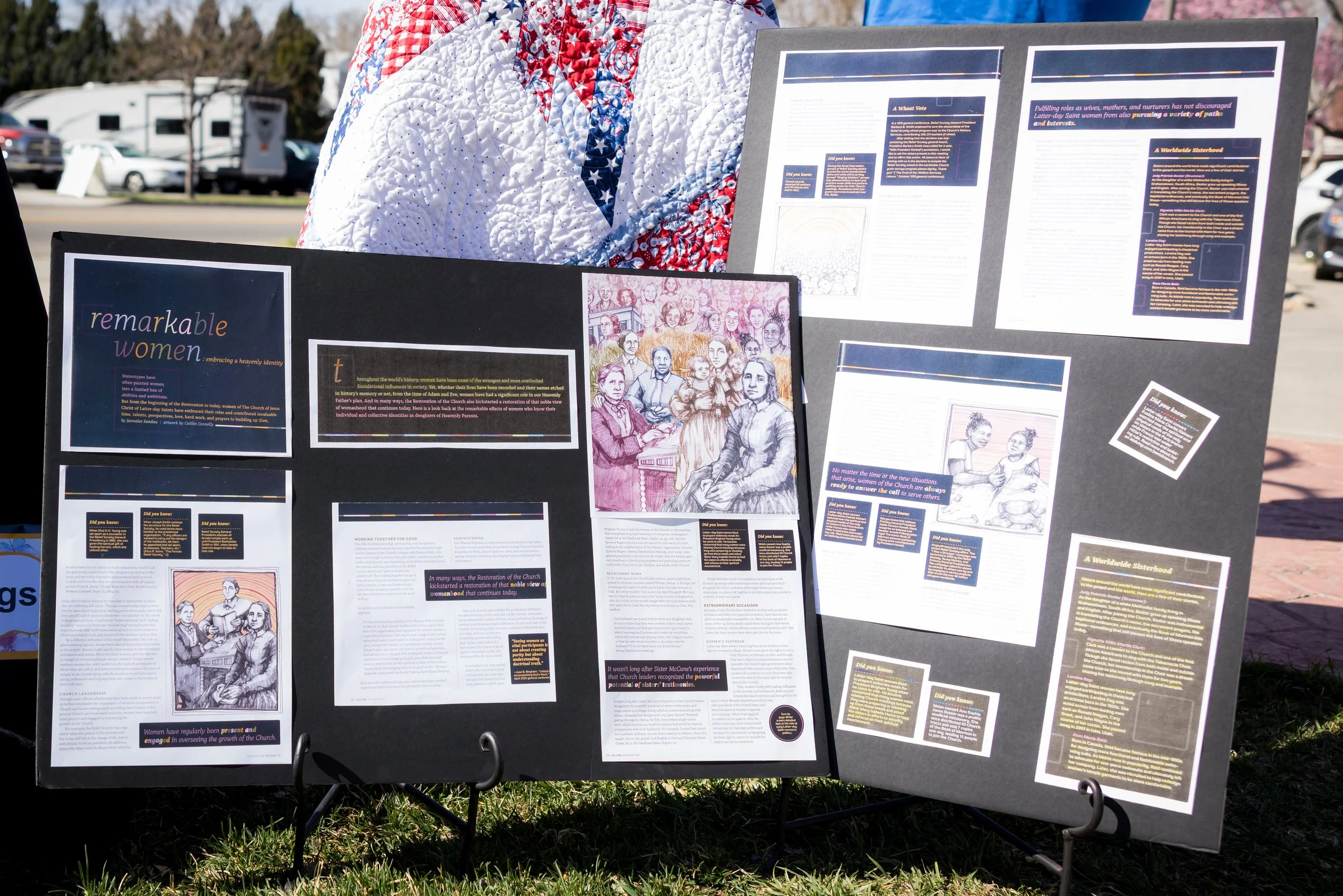
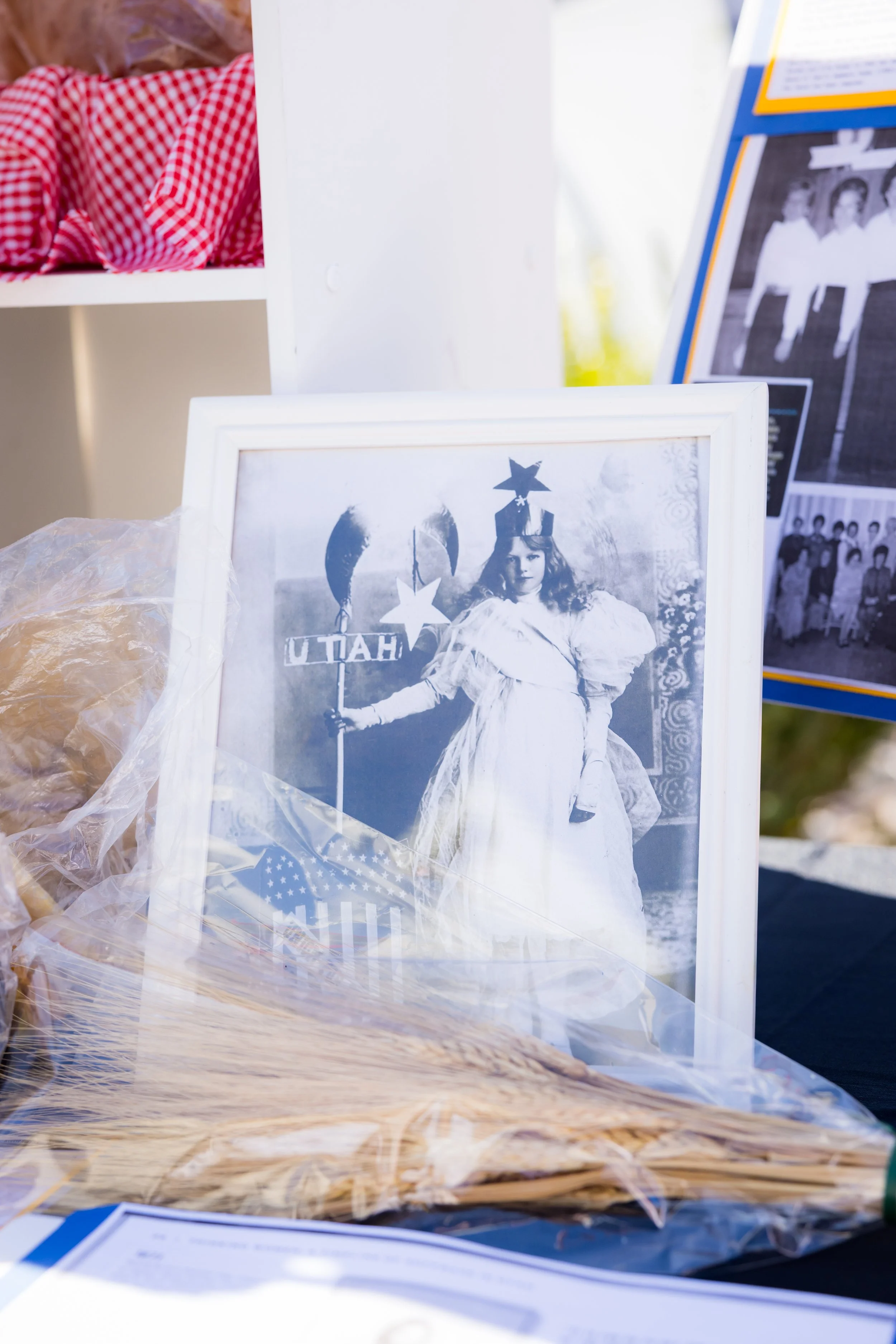
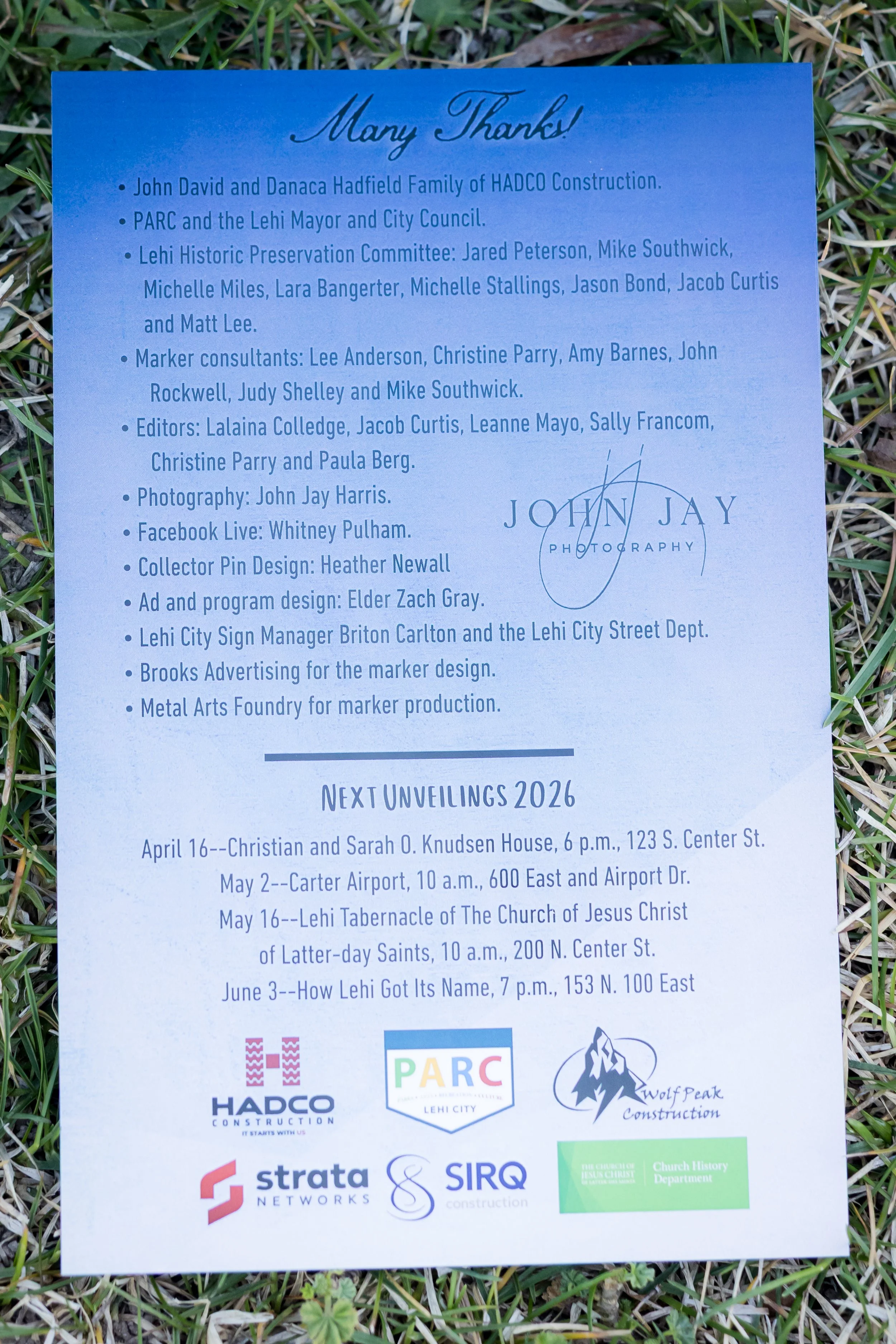
More than 150 people attended the short program. There was a plethora of interesting displays and the new Relief Society collector pin was for sale.
-
![]()
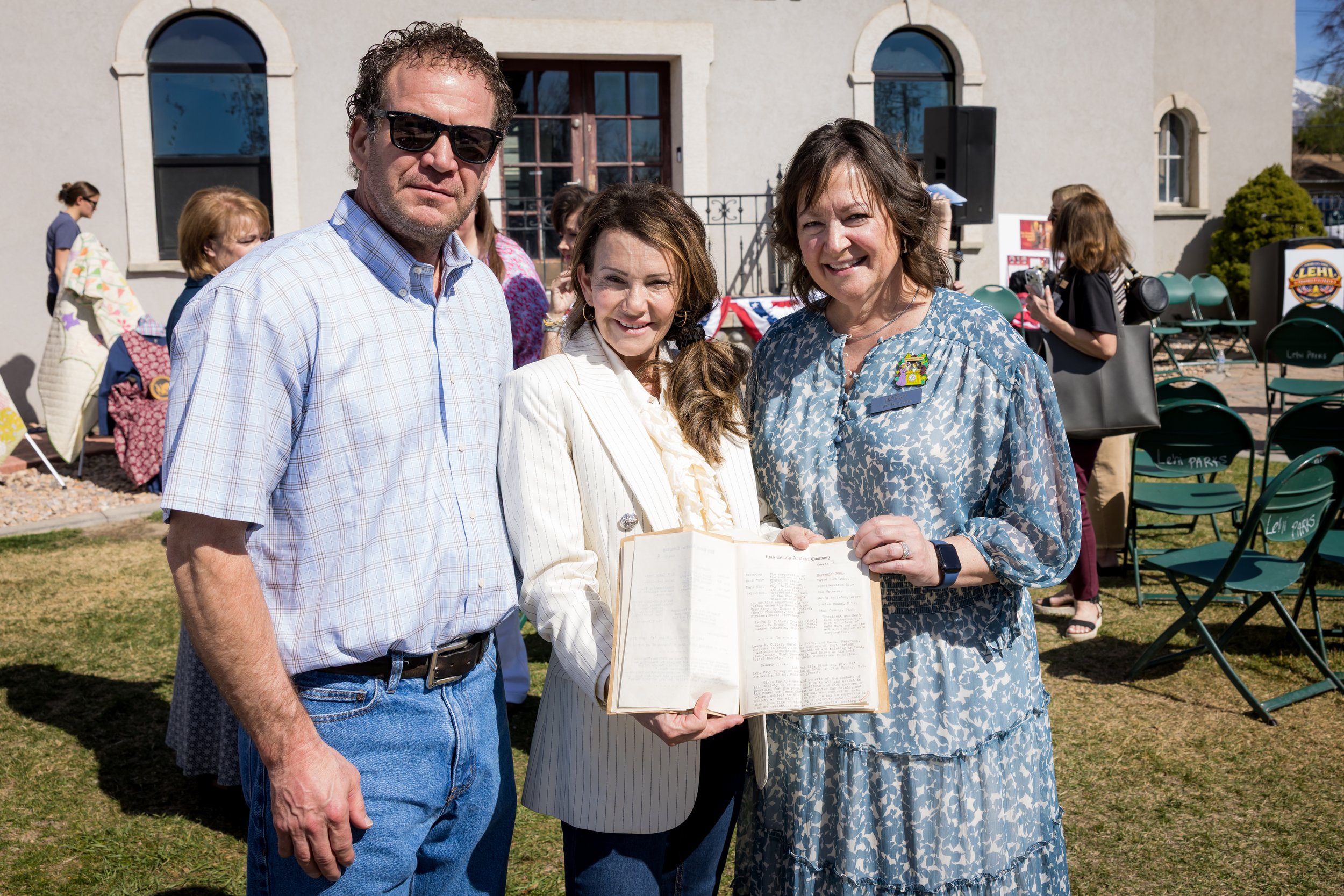
Jeff and Kristine Birmingham present the deed to the Relief Society Hall.
-
![]()
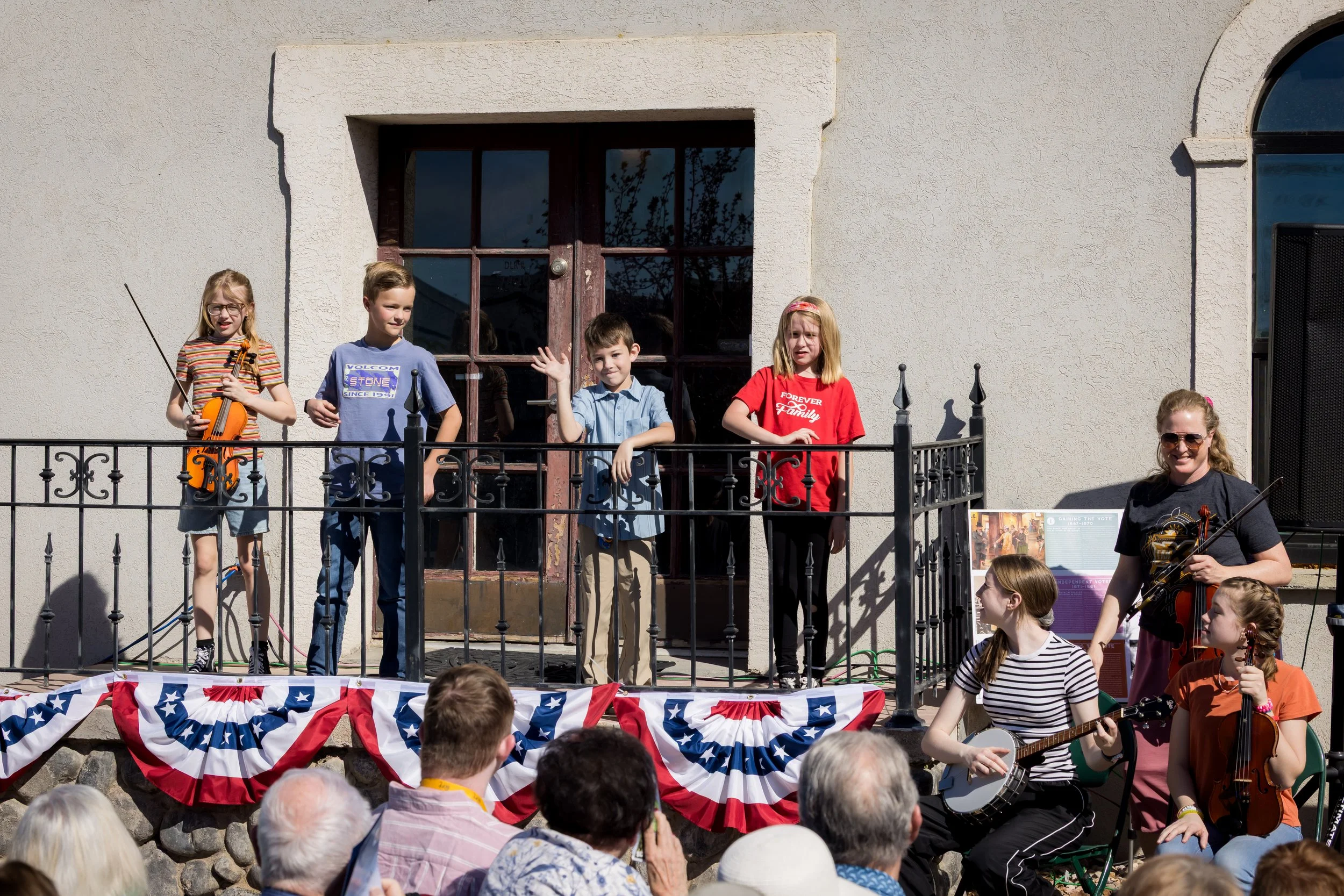
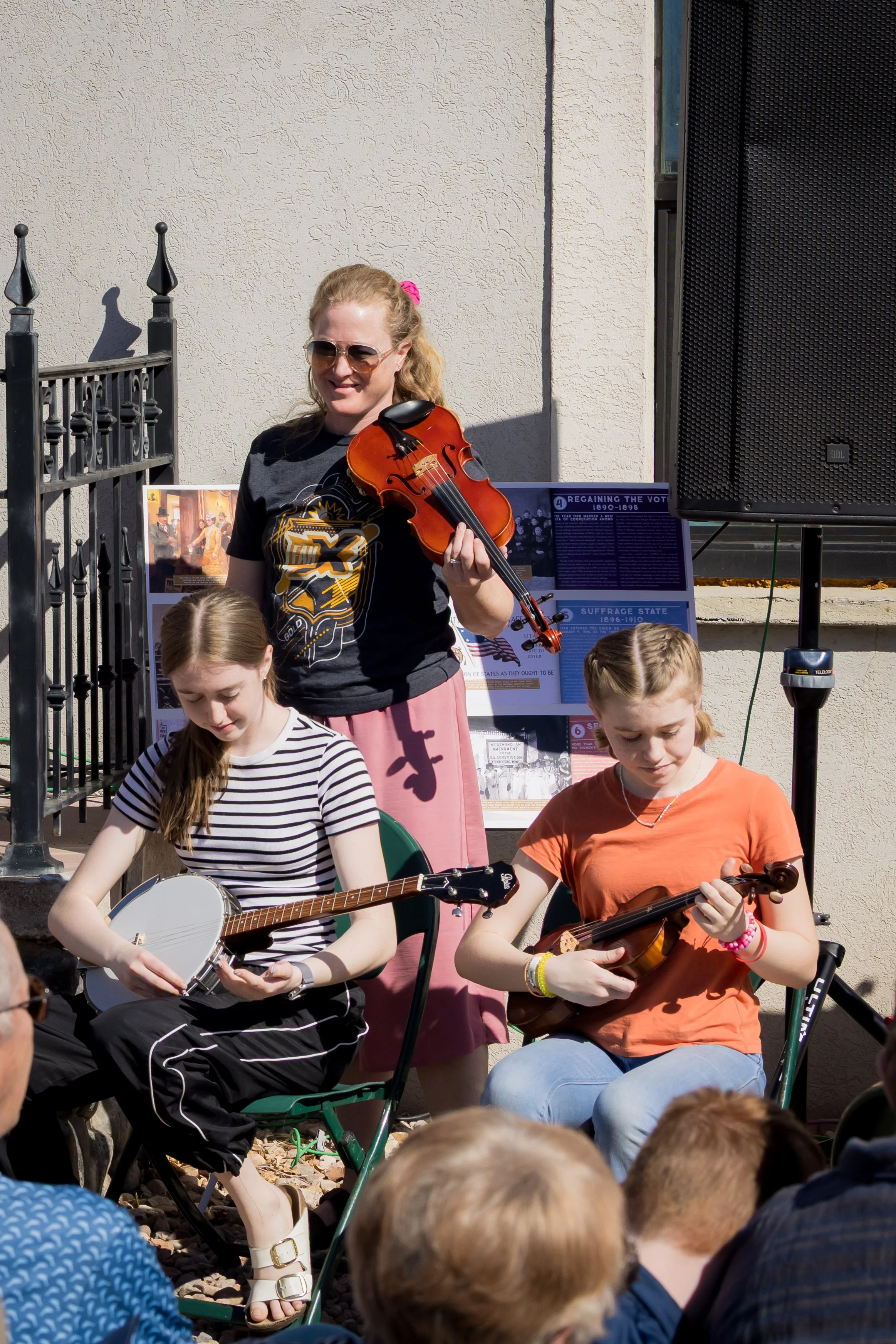
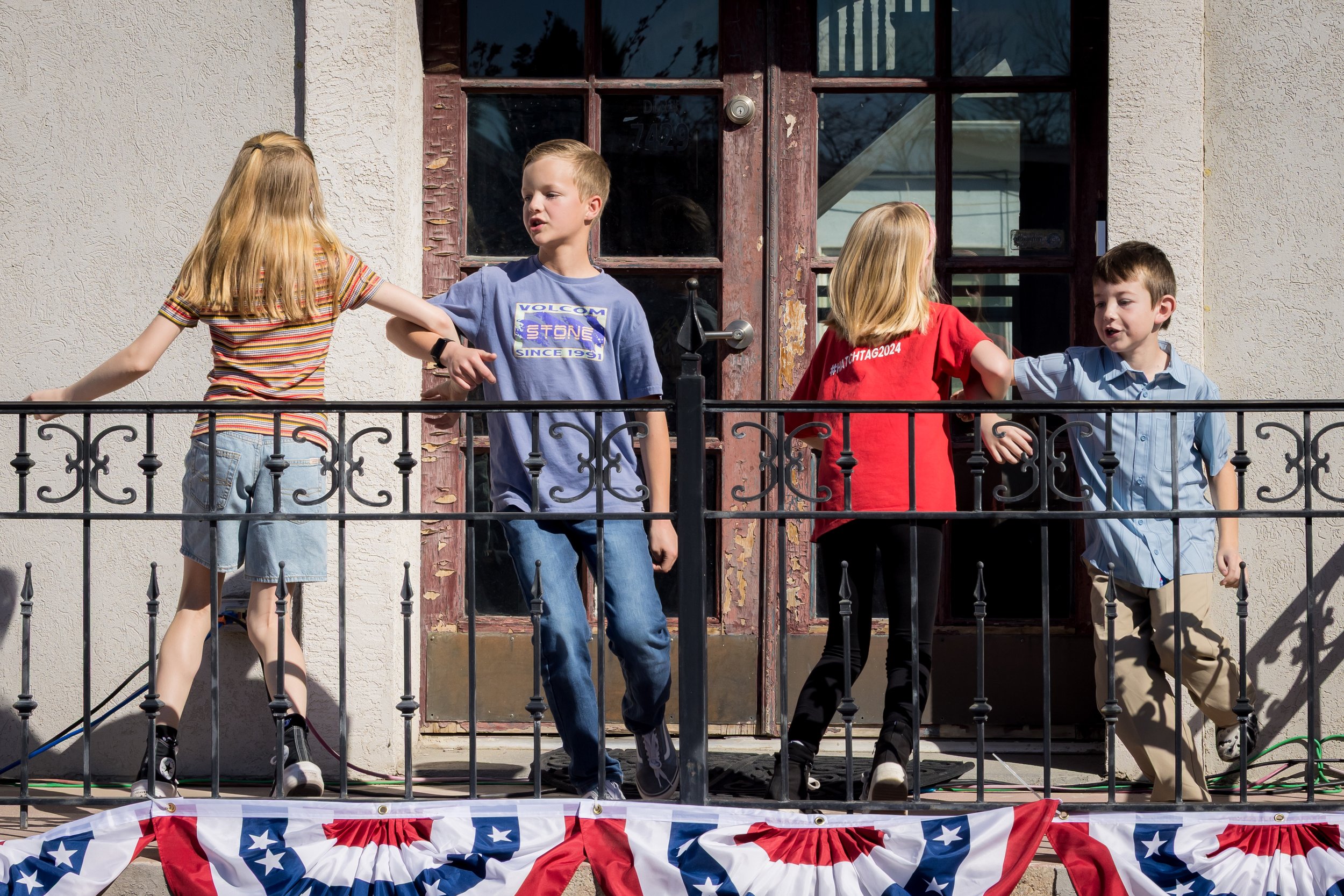
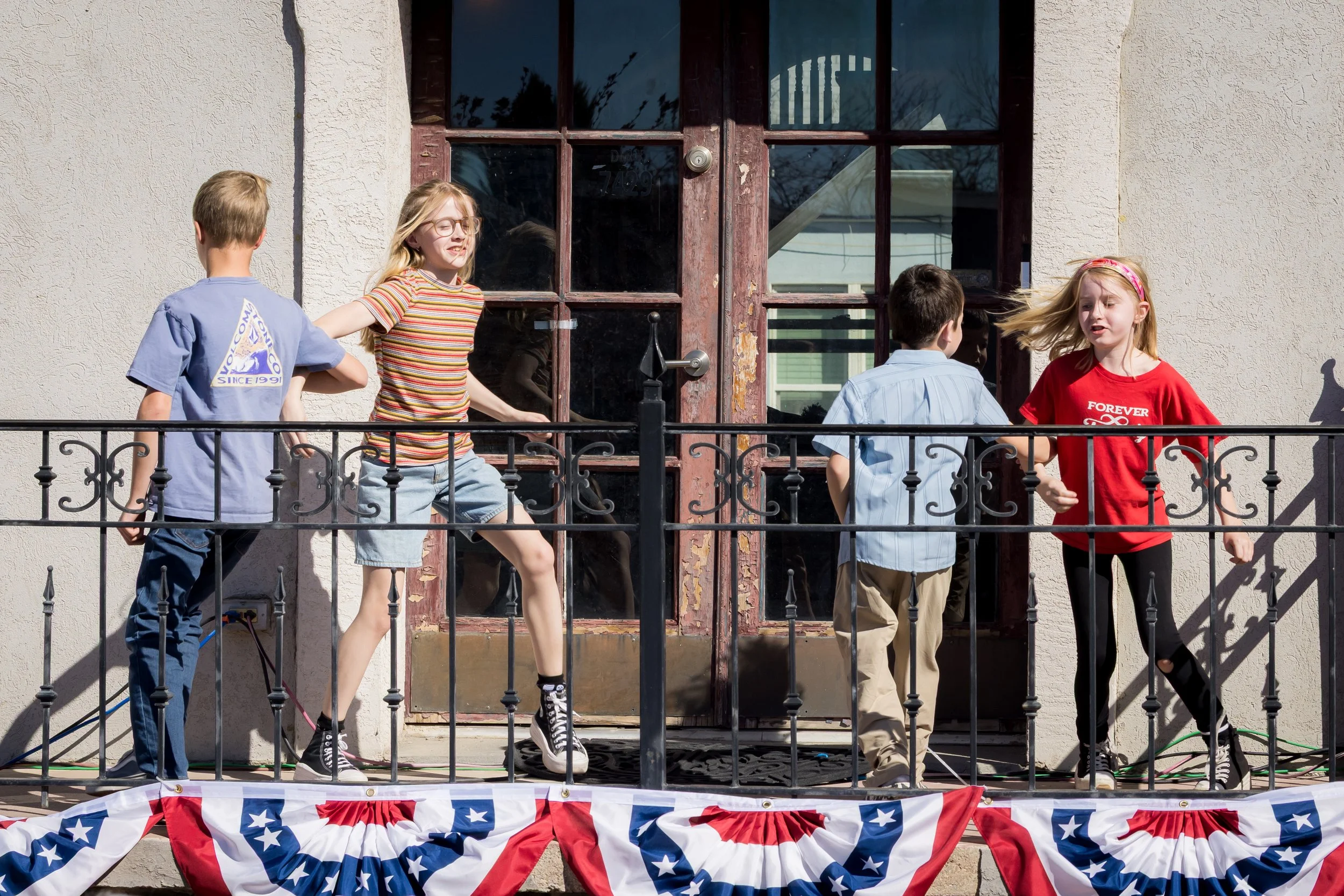
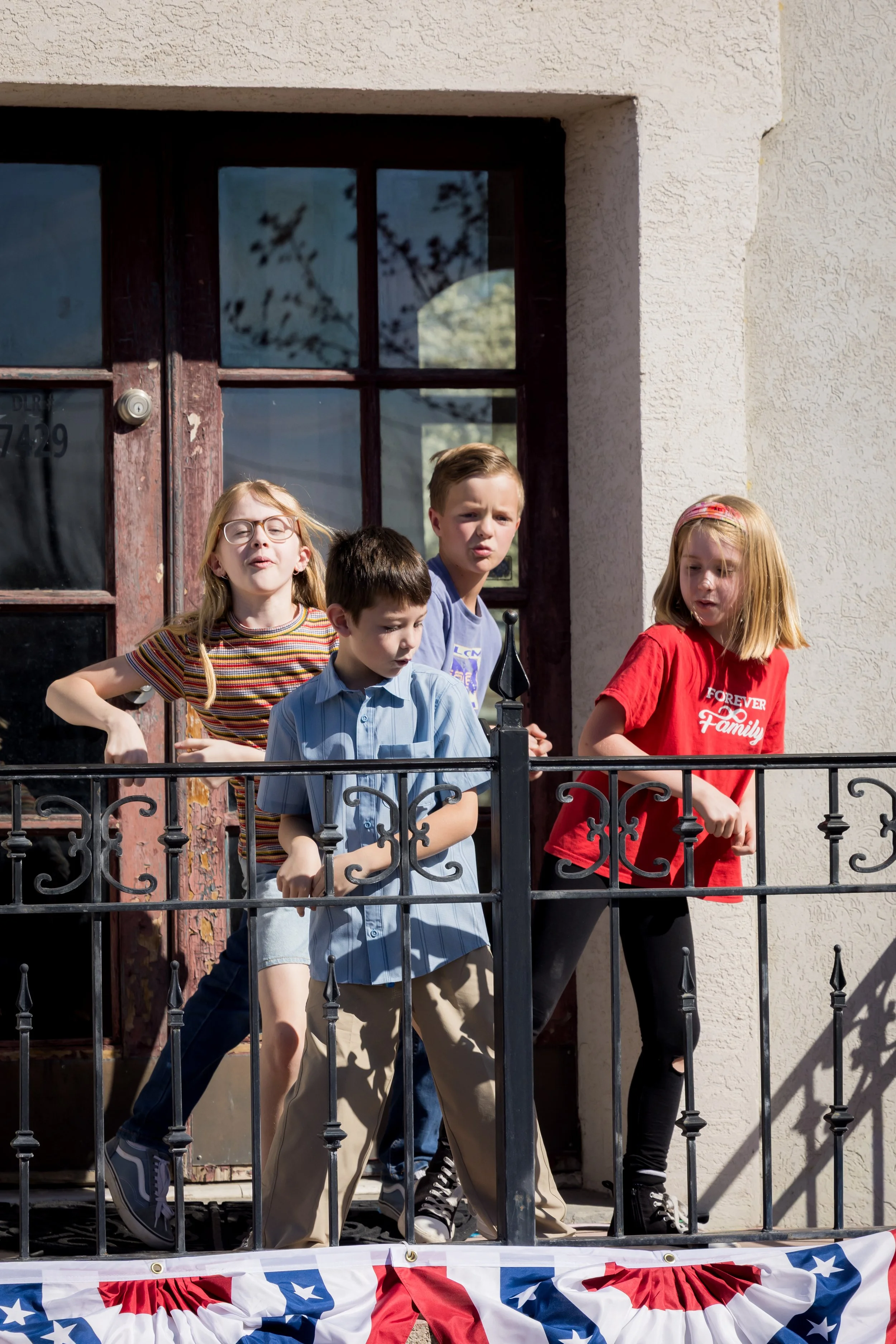
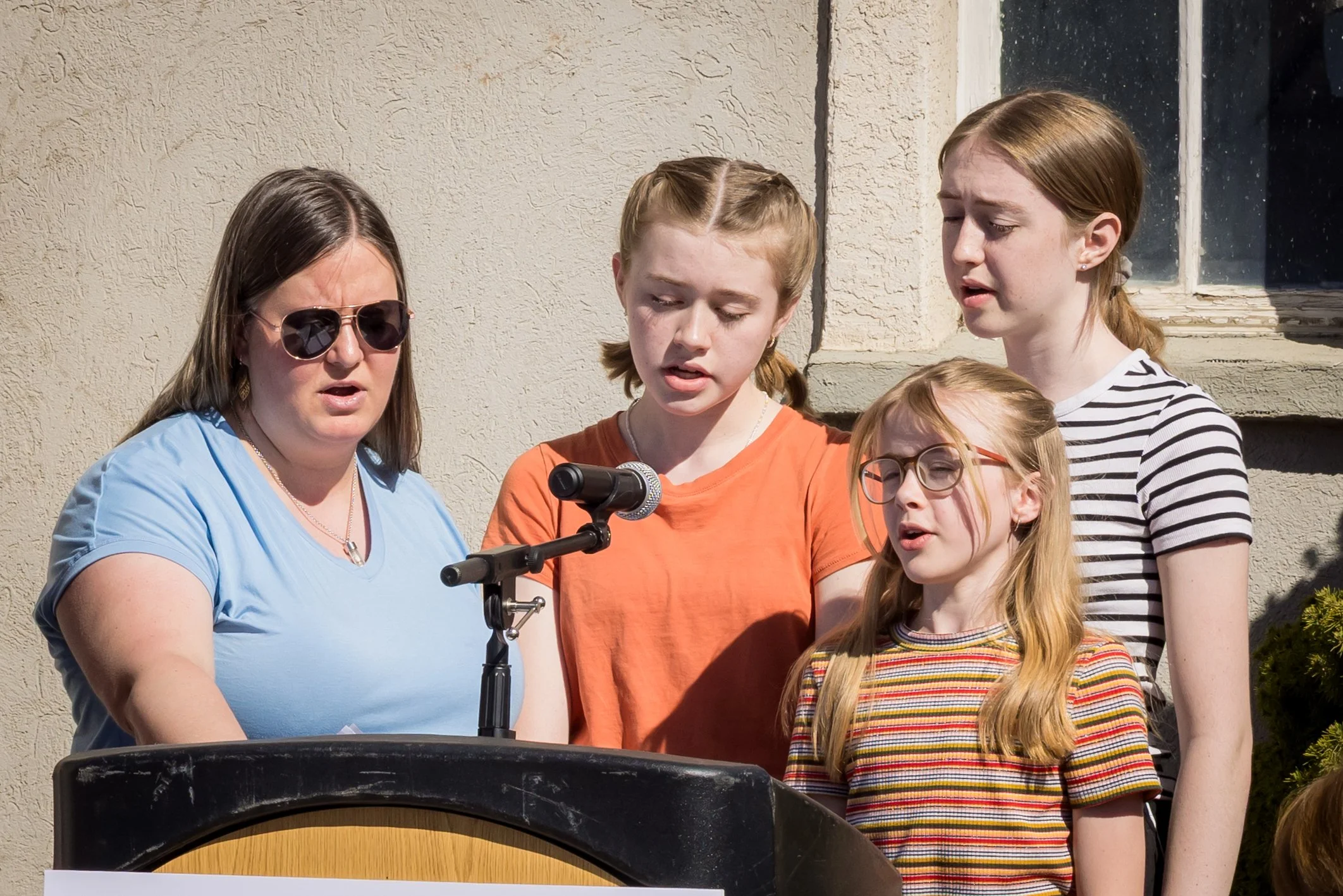
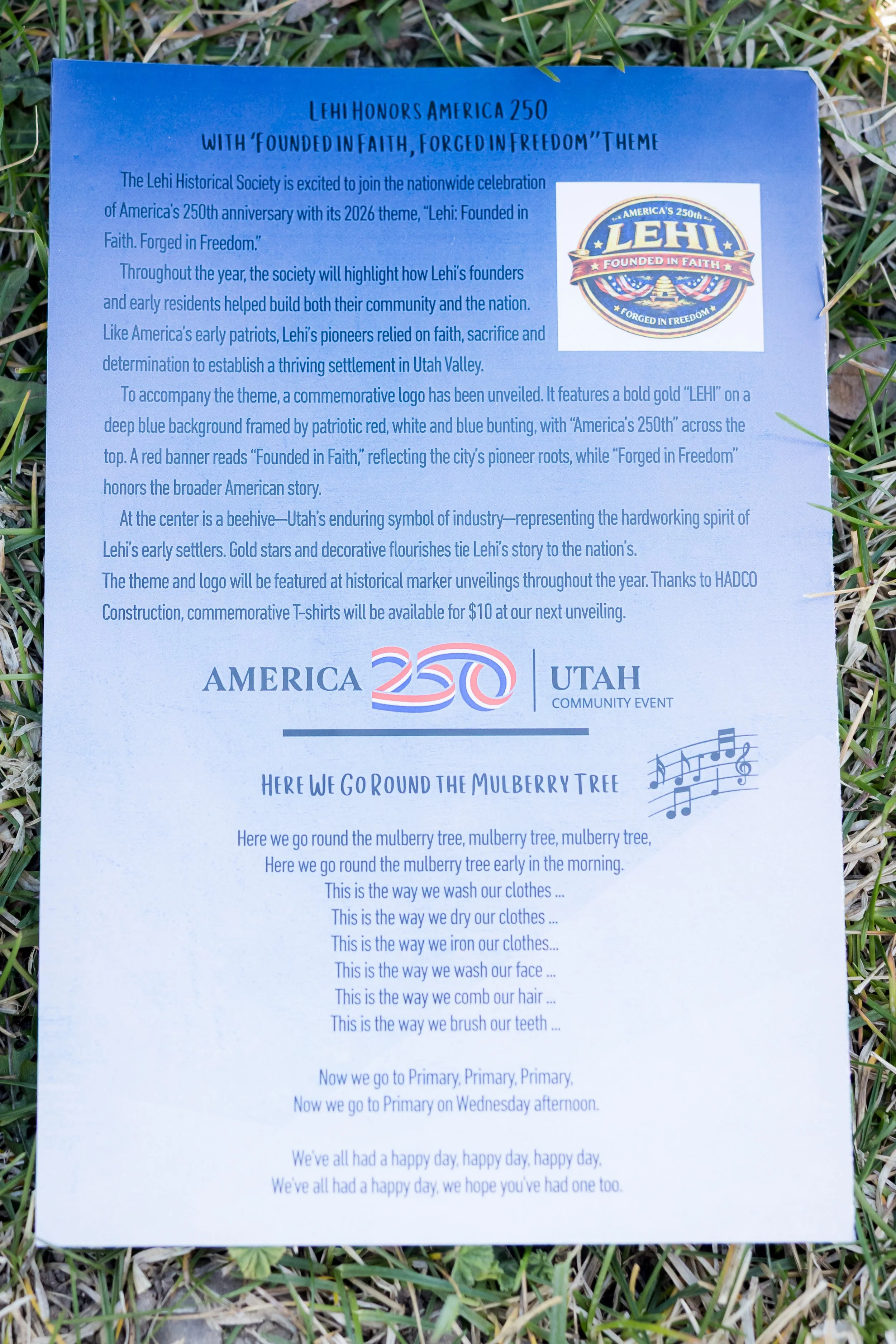
Children perform "Here We Go Round the Mulberry Tree."
-
![]()
-
![]()
-
![]()
-
![]()
-
![]()
-
![]()
-
![]()
-
![]()
-
![]()
-
![]()
-
![]()
-
![]()
-
![]()
-
![]()
-
![]()
-
![]()
-
![]()
-
![]()
-
![]()
-
![]()
-
![]()
-
![]()
-
![]()
-
![]()
-
![]()
-
![]()
-
![]()
-
![]()
-
![]()
-
![]()
-
![]()
-
![]()
-
![]()
-
![]()
-
![]()
-
![]()
-
![]()
-
![]()
-
![]()
-
![]()
-
![]()
-
![]()
-
![]()
-
![]()
-
![]()
-
![]()
-
![]()
-
![]()
-
![]()
-
![]()
-
![]()
-
![]()
-
![]()
-
![]()

Learn More
Investigate our online archive for more information on the Relief Society Hall

Content Contributors
——, Lehi Historical Society
Kasia May, University of Utah
Support our Mission
Purchase collector marker pins to show your Lehi spirit! Your purchase will support the Lehi Historical Marker Program and the Lehi Historical Society. There are currently 15 pins available in our gift shop
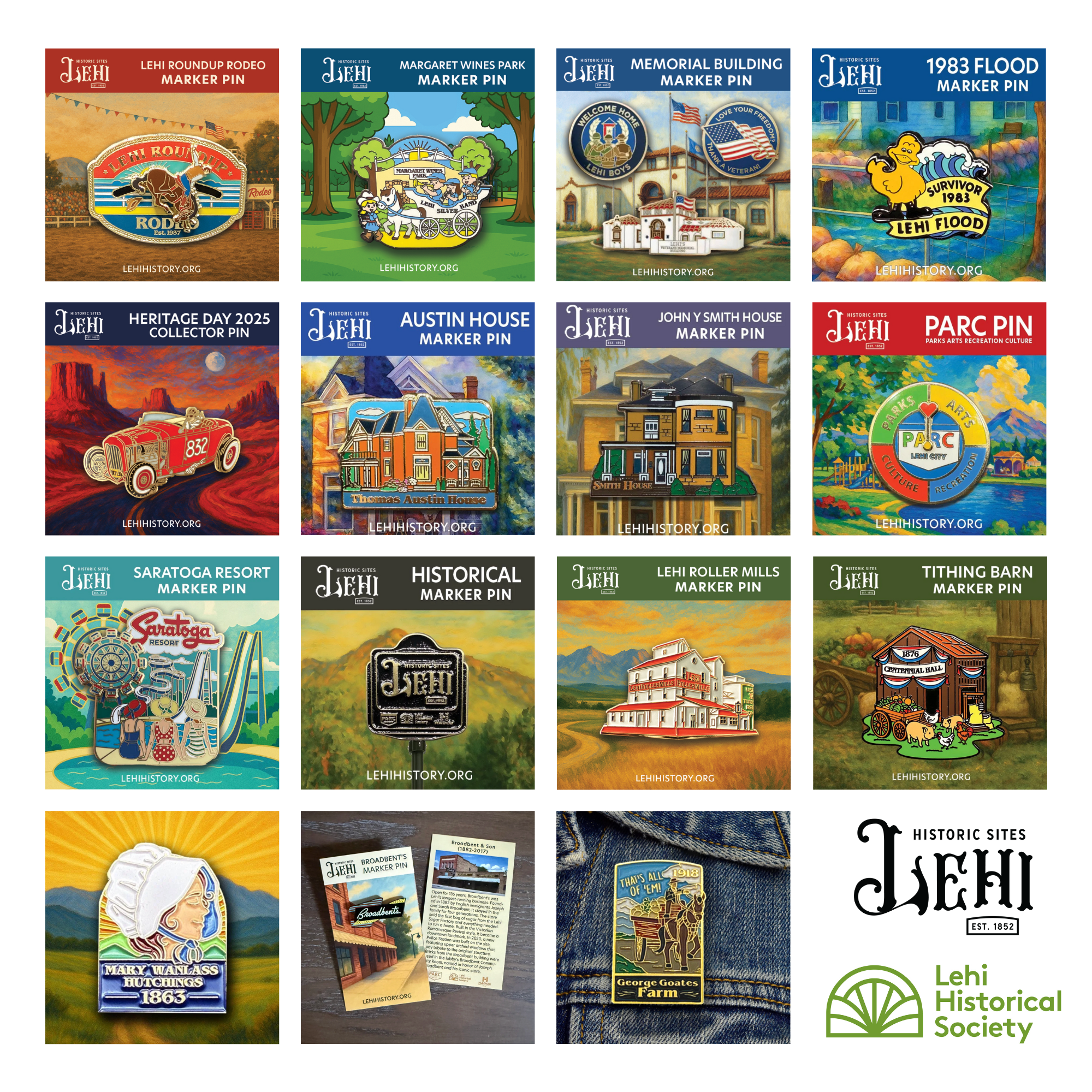
Celebrate Lehi’s history with our complete 15-pin collection. This special bundle includes one of each enamel pin from the Historical Marker Collection.
Pins included in the full set:
• Lehi Roundup Rodeo Marker Pin
• Margaret Wines Park Marker Pin
• Memorial Building Marker Pin
• 1983 Flood Marker Pin
• Heritage Day 2025 Collector Pin
• Austin House Marker Pin
• John Y Smith House Marker Pin
• PARC Pin
• Saratoga Resort Marker Pin
• Historical Marker Pin
• Lehi Roller Mills Marker Pin
• Tithing Barn Marker Pin
• Mary Wanlass Hutchings 1863 Pin
• Broadbent’s Marker Pin
• George Goates Farm Marker Pin
Each pin reflects a real story from Lehi’s past. Landmarks, founders, the rodeo, community legends, floods, and the places that shaped our city. This full set brings together every marker design in one place. It is perfect for collectors, teachers, longtime Lehi families, newcomers wanting to learn the stories behind our city, or anyone looking for a meaningful gift that supports local history.
Take home the complete collection and own 15 pieces of Lehi’s story.
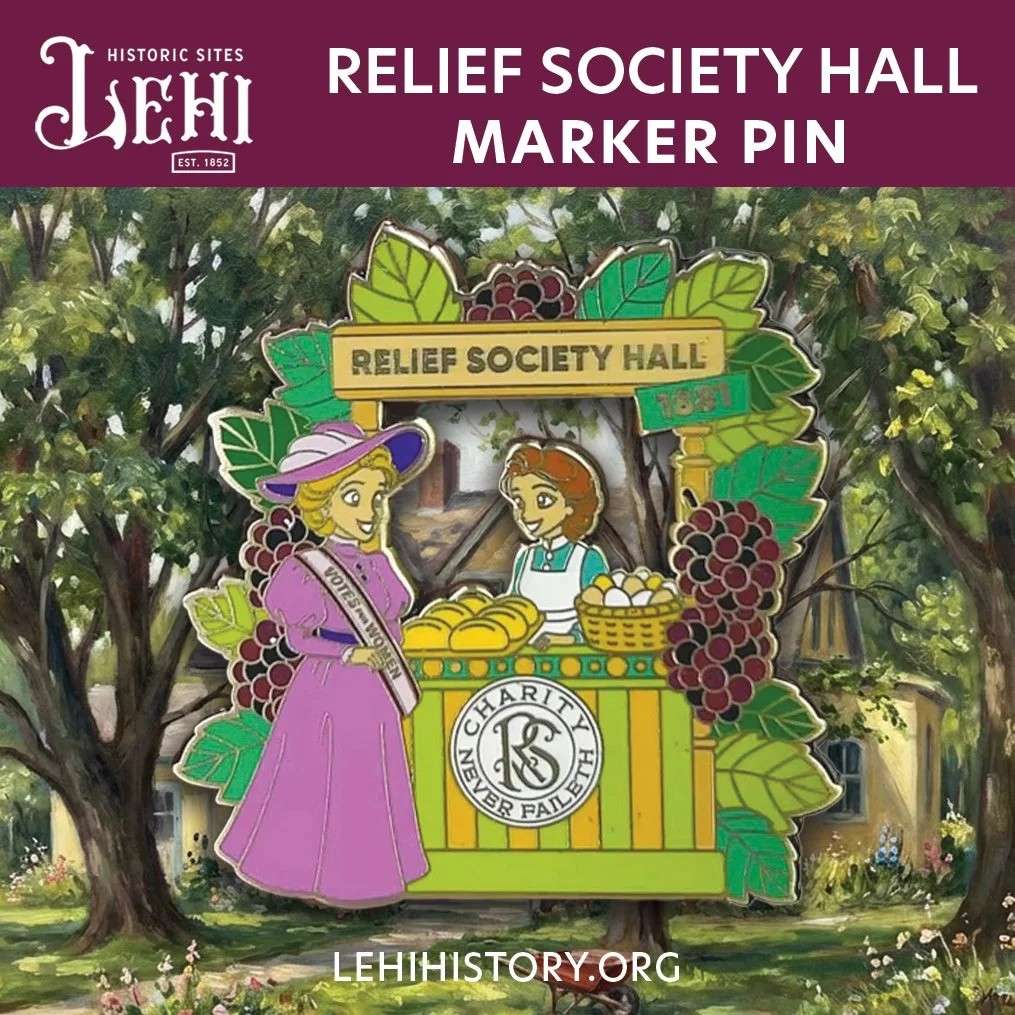
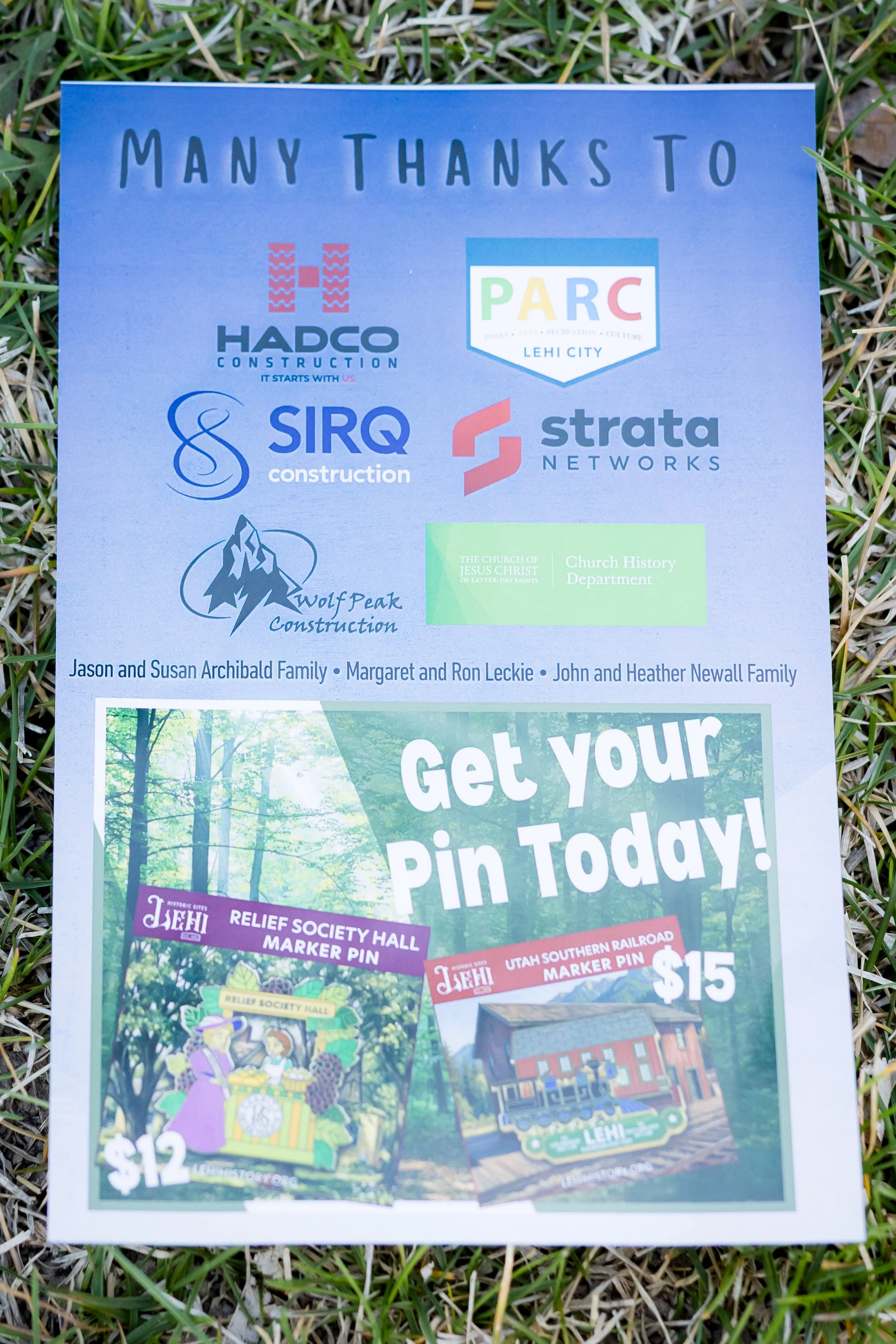
Celebrate the history of one of Lehi’s most meaningful gathering places with this commemorative Relief Society Hall marker pin.
The Lehi Female Relief Society was organized on October 27, 1868, when Eliza R. Snow visited the community and organized the society in the Lehi Meetinghouse. As the organization grew, Relief Society leaders purchased property at 212 West Main Street in 1880 and built a small adobe hall the following year.
Completed in 1881 and expanded with community support, the building became a center of service, faith, and community life. Women met here for instruction, charitable work, and civic efforts. Funds for the hall were raised through donations, ward dinners, bake sales, bazaars, and gleaning wheat, while labor was donated by the husbands of Relief Society members and Lehi mine owner John Beck contributed financial support that helped complete the hall in 1883.
The hall hosted meetings, classes, weddings, and gatherings for decades. Women who met there were also active in civic causes, including the women’s suffrage movement in Utah. Mulberry trees were planted nearby as part of the Church’s early silk industry.
This collectible pin honors that legacy of service and community.
Pin details
Size: 2 inches
Material: Zinc alloy
Finish: Antique gold
Attachment: Double post backing for stability
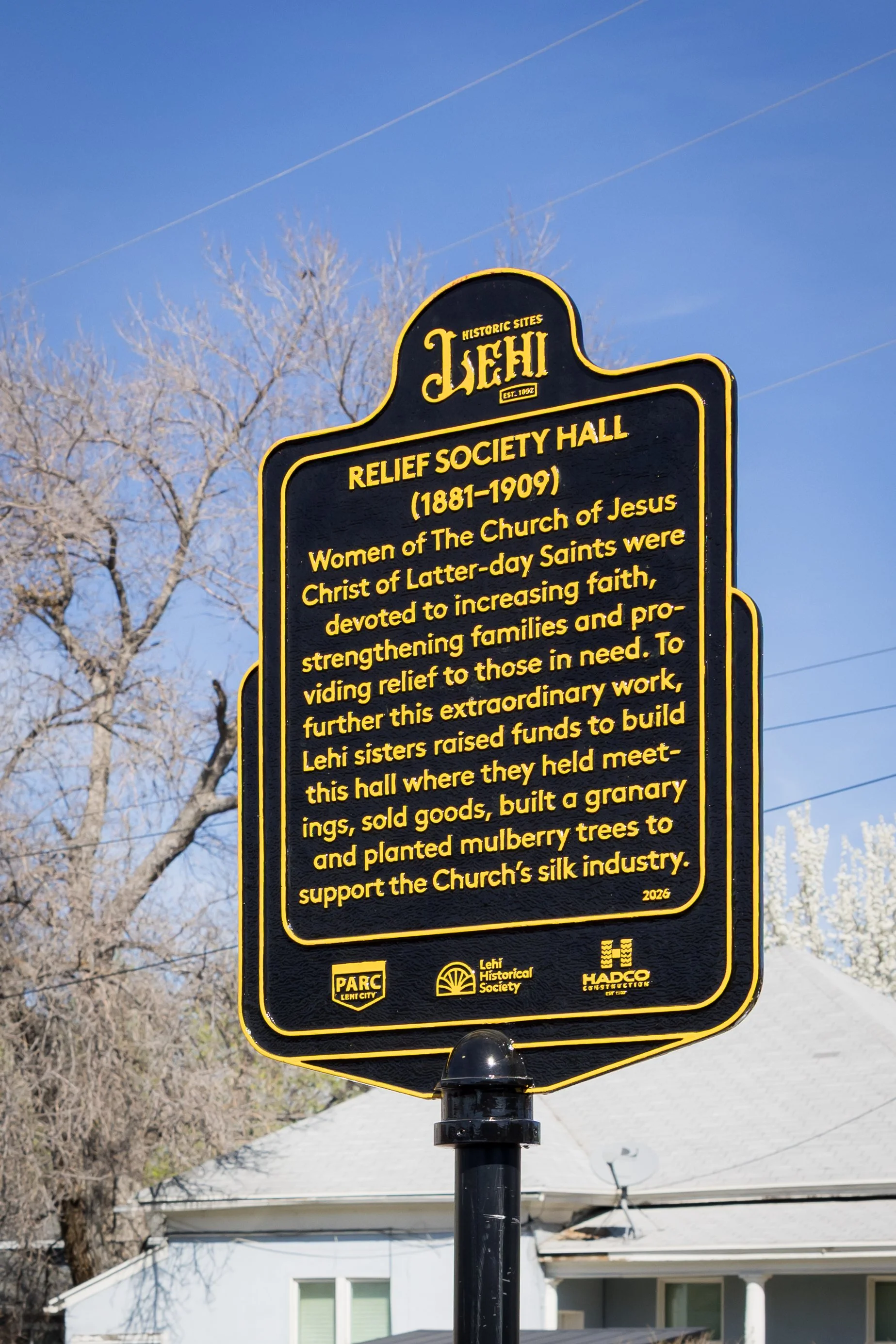
Part of the Lehi Historic Sites series, this pin commemorates the Relief Society Hall historical marker placed on March 21, 2026, celebrating the women whose work helped shape the community.
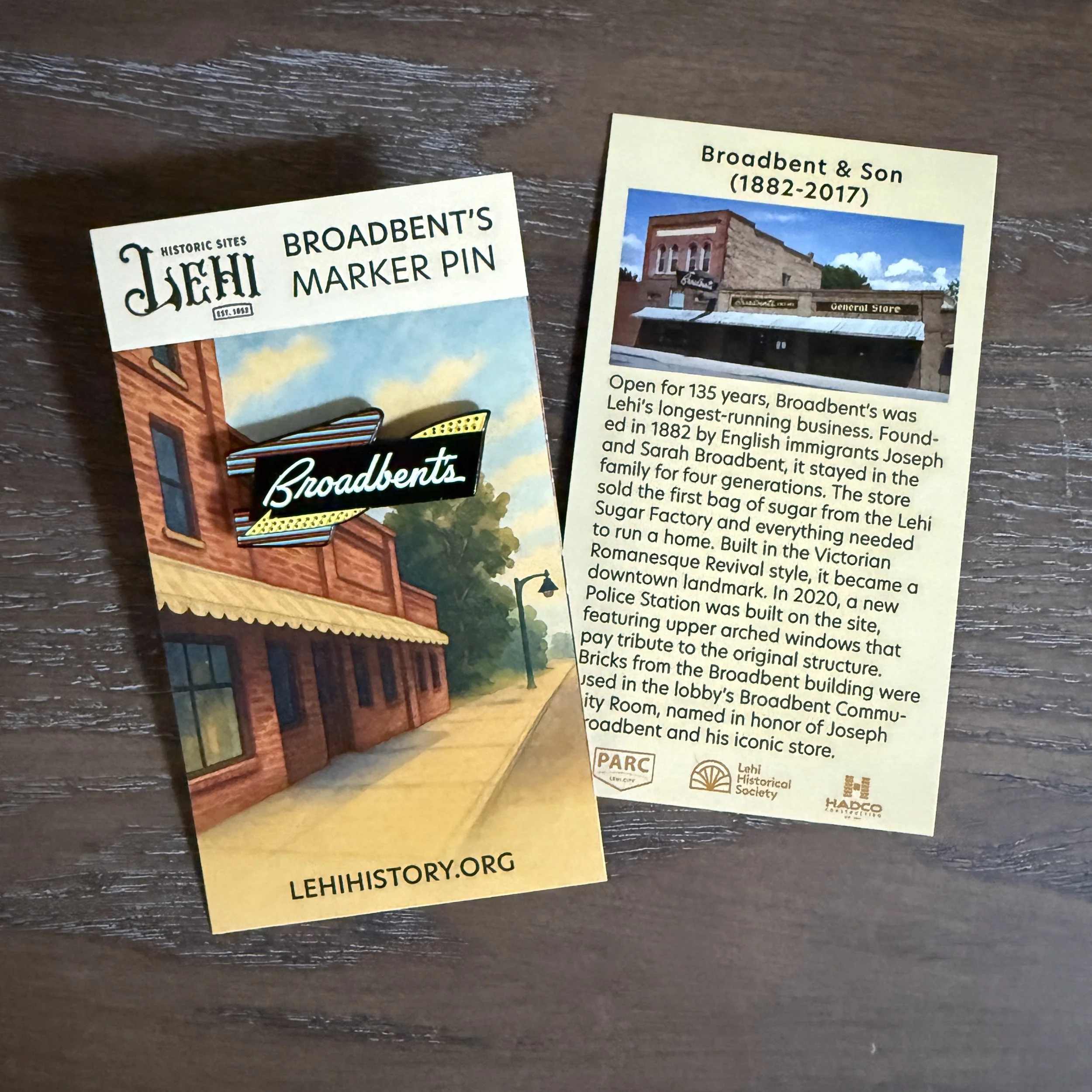
Celebrate a Lehi icon with this Historical Marker collector pin honoring Broadbent’s Store, the longest-running business in Lehi’s history and a cornerstone of the community for 135 years.
Soft enamel with black dyed metal plating
Features the vintage neon Broadbent’s sign installed in 1954
Measures 1.25 inches in length
Single-post backing with secure rubber cover
Perfect for collectors, history lovers, and proud Lehi locals
Founded in 1882 by English immigrants Joseph and Sarah Broadbent, the store was passed down through four generations and became known for offering everything from dry goods to fine fabrics. It sold the first bag of sugar produced by the Lehi Sugar Factory and served as a trusted hub for generations of families. The iconic neon sign, featured in this pin, hung proudly from 1954 until the store’s closing in 2017. Today, the arched windows of the Lehi Police Department pay tribute to the building that once stood in its place.
A nostalgic keepsake celebrating a legacy of service, family, and small-town pride.