
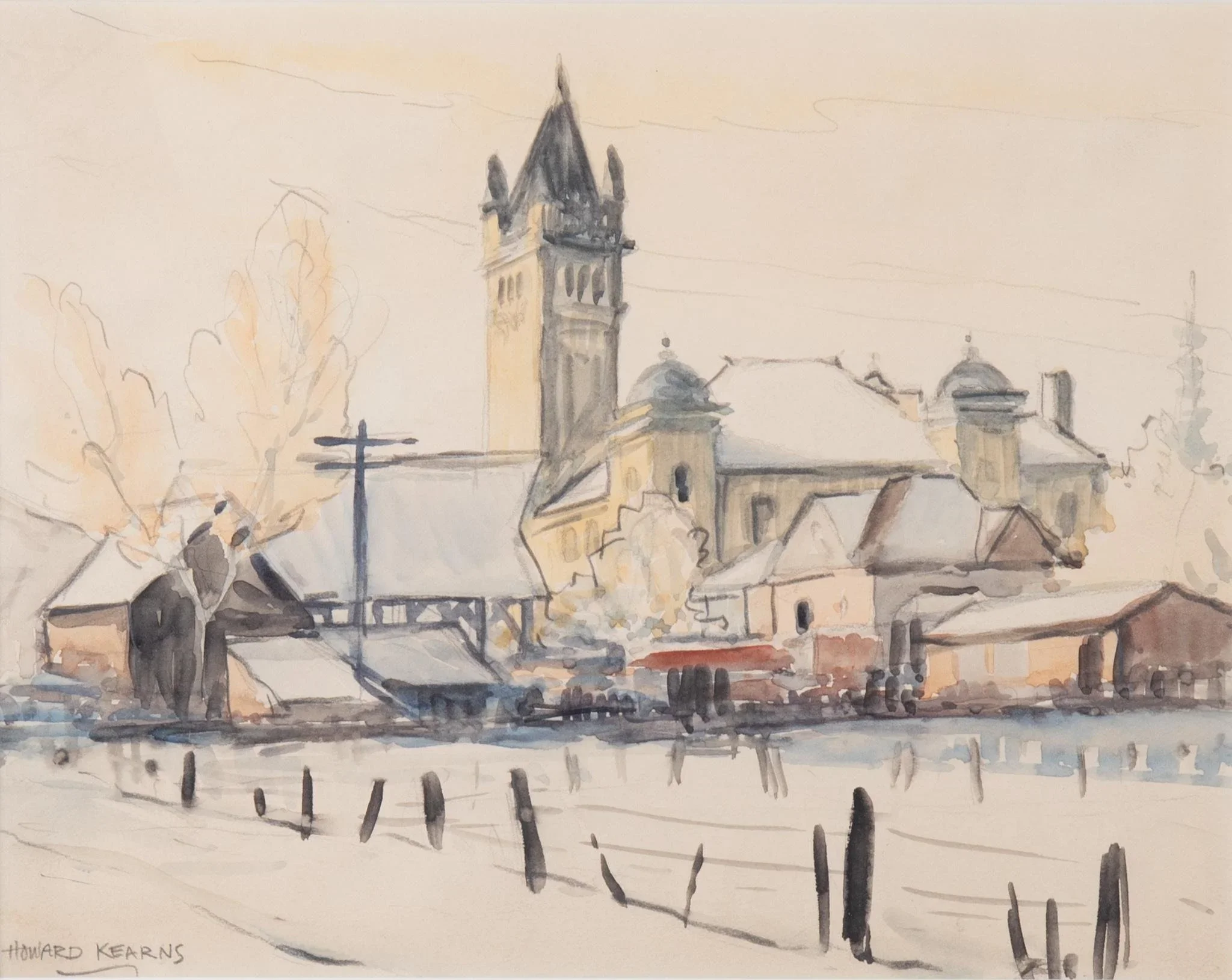
Lehi Tabernacle of The Church of Jesus Christ of Latter-day Saints
1905-1962
200 N Center St Lehi, UT
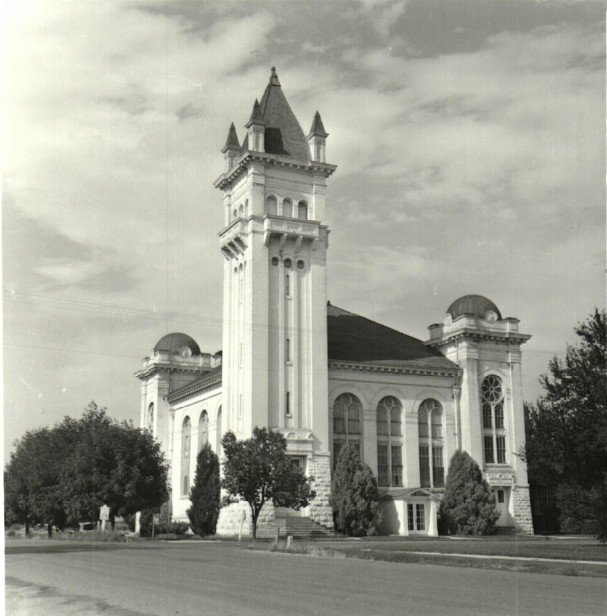
For more than half a century, the Lehi Tabernacle stood as both a spiritual and civic landmark, reflecting the determination and identity of a growing community. At the turn of the twentieth century, Lehi Latter-day Saints set out to build a meetinghouse that reflected both their faith and the scale of their growing town. In January 1900, The Lehi Banner captured that spirit, noting that “Lehi people are made from the right kind of stuff that when they take hold of anything they make it go.” Though the town was not wealthy, residents believed their large ward needed a building that could serve its size and future growth.
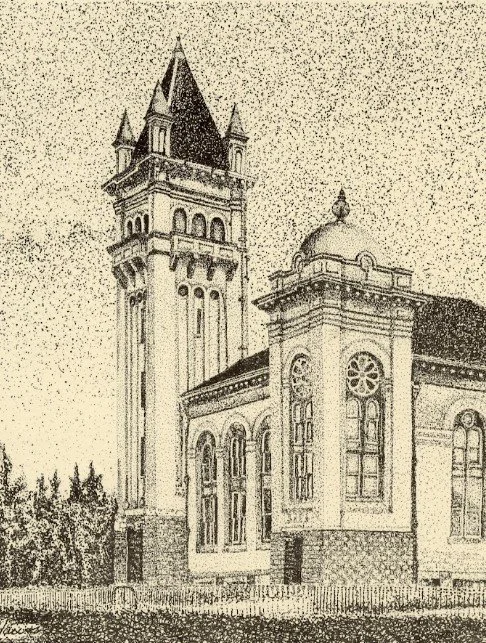
Quite a Sight
Most tabernacles of The Church of Jesus Christ of Latter-day Saints were built for a large meeting place for a stake organization to congregate in, but Lehi’s was different. Its tabernacle was built because the citizens had outgrown their meetinghouse and the town needed a larger building in which to congregate. The residents of Lehi were relatively poor at the time and struggled to afford the cost of the building. Though the labor was donated, the building materials still had to be purchased. In those days, the local members paid for and provided the labor for new buildings. Because the Lehi Tabernacle was not a stake tabernacle, the bulk of the cost of construction and maintenance fell squarely on the shoulders of the small Lehi congregations. Architect Richard Kletting, who designed the Utah State Capitol, was hired to design the tabernacle.
Although the cornerstone of the Lehi Tabernacle was set in place in 1901, work progressed at a slow pace. Lehi was part of the Alpine Stake at the time, which covered Pleasant Grove, Lindon, Manila, Alpine, American Fork, Lehi and Cedar Valley. In 1904, work on Lehi’s tabernacle ceased when Lehi citizens were called upon to donate money for the Alpine Tabernacle, which was to be built in American Fork, a more centralized location within the stake.
In 1905, there was enough of the Lehi Tabernacle completed that it could be used on a limited basis. It took another five years to complete it. In 1910, while many Lehi residents were working on, and helping pay for, the Alpine Tabernacle, the Lehi Tabernacle was finally completed and dedicated. Unfortunately, the cost of maintaining the large structure was taxing on the small congregations. Ten years after the tabernacle was completed, the local bishops realized they could no longer afford to maintain the building, so it was sold to the Alpine School District in 1920.
The school district remodeled the basement, transforming the existing five rooms into two, which they used for an agriculture lab and a woodworking shop. The two rooms to the rear of the organ were converted into domestic science and art rooms. The official name of the building became the “High School Auditorium,” though nearly everyone still called it, “The Tabernacle.”
In 1928, the Lehi Stake was created, and the new stake leaders began looking for a building suitable for use as a stake center. They wanted to convert the Smuin Dancing Academy into a stake center, but the Presiding Bishopric would not provide any financial assistance. Things changed in 1929, when the Alpine School District announced it was going to add an auditorium to the high school and would no longer be using the Tabernacle. Stake leaders tried to repurchase the building but after inspecting it, Presiding Bishop of the Church, Sylvester Q. Cannon, declared it “unsuitable” for Lehi’s needs and advised that it would cost too much to remodel it.
The school district instead leased the basement of the Tabernacle to Lehi’s National Guard unit for use as an armory. Later that year in December the building was nearly destroyed when the smoldering cigarette of a guardsman caught the basement on fire. Though the fire department was able to extinguish the fire in less than 30 minutes, extensive damage was done. Thankfully, the building’s large pipe organ escaped significant damage.
In 1931, the school board again approached the stake presidency offering to sell the Tabernacle and its organ for $5,000. Following the previous council from the presiding bishop, the stake leaders turned down the offer. The organ was sold to the Beesley Music Company.
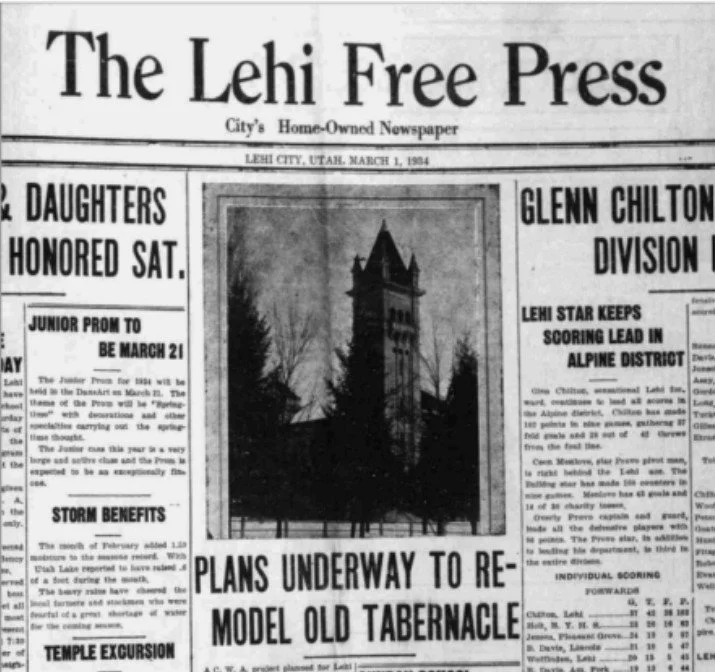
The National Guard had plans to refurbish the Tabernacle, which was falling into disrepair with the windows boarded up and broken, but it could not raise the funds. In 1934, it was reported that Lehi Stake leaders and bishoprics planned again to buy the Tabernacle so they could demolish it and use the building materials to enlarge the First Ward meetinghouse to meet the needs of the stake.
In 1935, a group of boys were playing in the old tabernacle when 12-year-old Loren Powell fell through the main floor into the basement. He sustained two broken wrists and some cuts and bruises. By the early 1940s, the LDS Church owned the entire block again. With the help of the city, the tabernacle was turned into a civic auditorium and gymnasium.
Construction began in 1937. The balcony was removed and the rostrum and its decorative woodwork was replaced with a stage. Bathrooms were added along with nine classrooms, a banquet hall, a modern kitchen, a boiler room and an electric organ. The new auditorium became the cultural center of Lehi where recitals, plays, conferences, high school graduations and countless other functions took place.
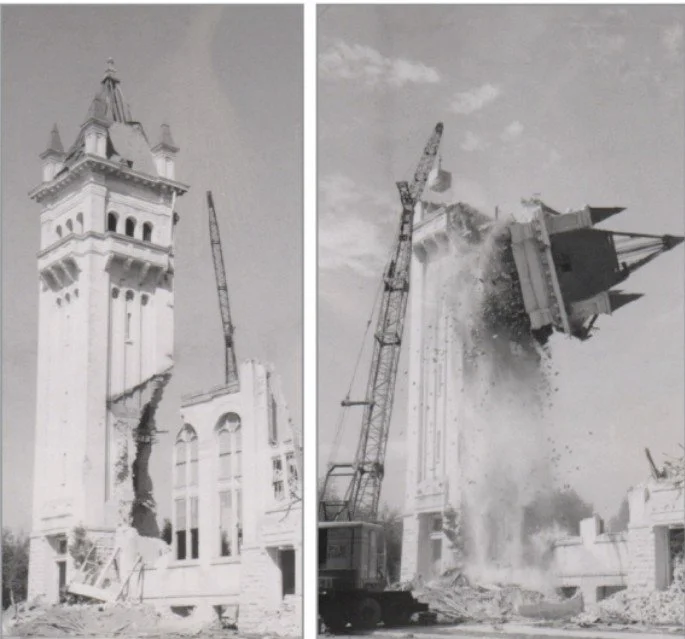
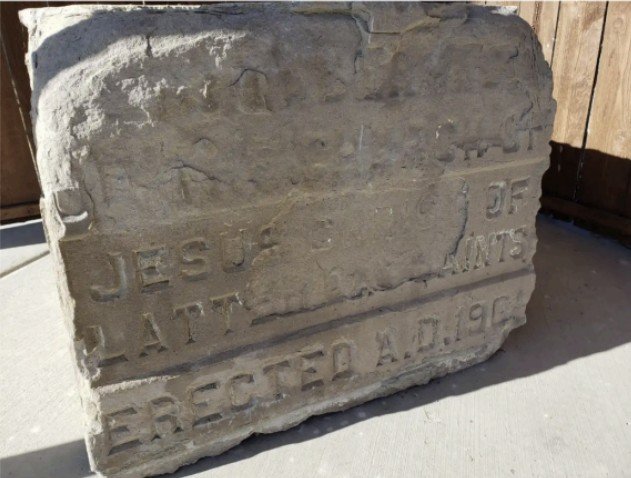
Sadly, in 1961, due to the cost of maintaining the old building and the growing needs of the stake, it was announced that the Tabernacle was going to be razed and replaced with a new stake center. Mixed emotions ran high in the special stake priesthood meeting where the announcement was made. Regardless of the opposition, demolition began in August of 1962. On Sept. 18, a crane with a wrecking ball finished the demolition. Today, there is very little remaining of the Lehi Tabernacle. The cornerstone has been preserved through the years and can be seen at the Lehi Historical Society building.
Explore the Tabernacle’s Milestone Moments
-
![]()
1900: Community Support
The tabernacle began as a true community project. Though Lehi was not wealthy, its large ward had outgrown its meetinghouse and counted more than 2,500 members by 1903. Fundraising came from many sources, including family assessments, Relief Society handmade goods, bake sales, and Lehi Dramatic Club performances. In January 1900, The Lehi Banner praised Lehi residents as people who could “make it go.”
-
![]()
1901: Groundbreaking and Cornerstone
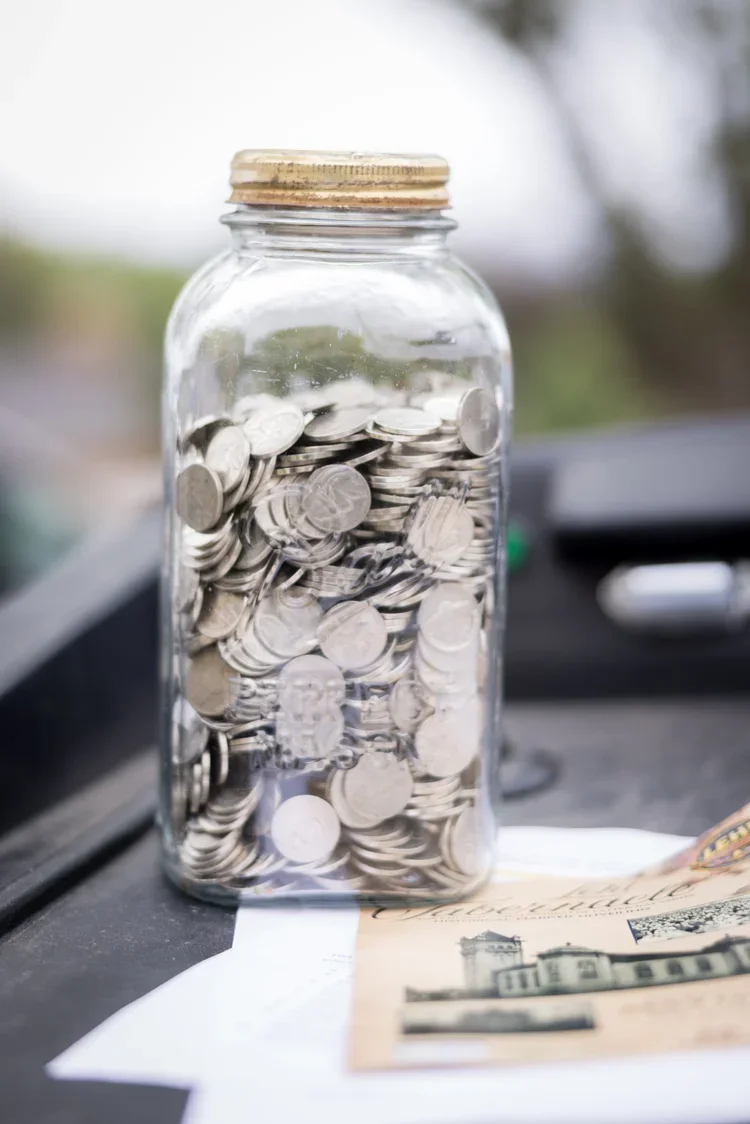
Ground was broken in February 1901, and the cornerstone was laid that September. The $60 cornerstone was paid for through a “nickel fund” raised by twelve hundred Sunday School children. A time capsule was placed inside, preserving photographs, books, newspapers, and other community items.
-
![]()
1901-1910: Architect and Construction
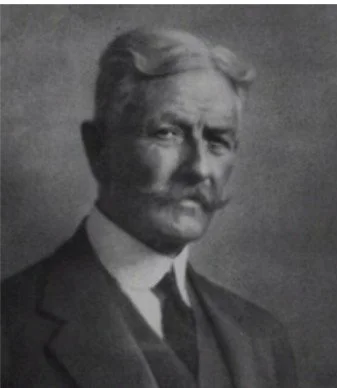
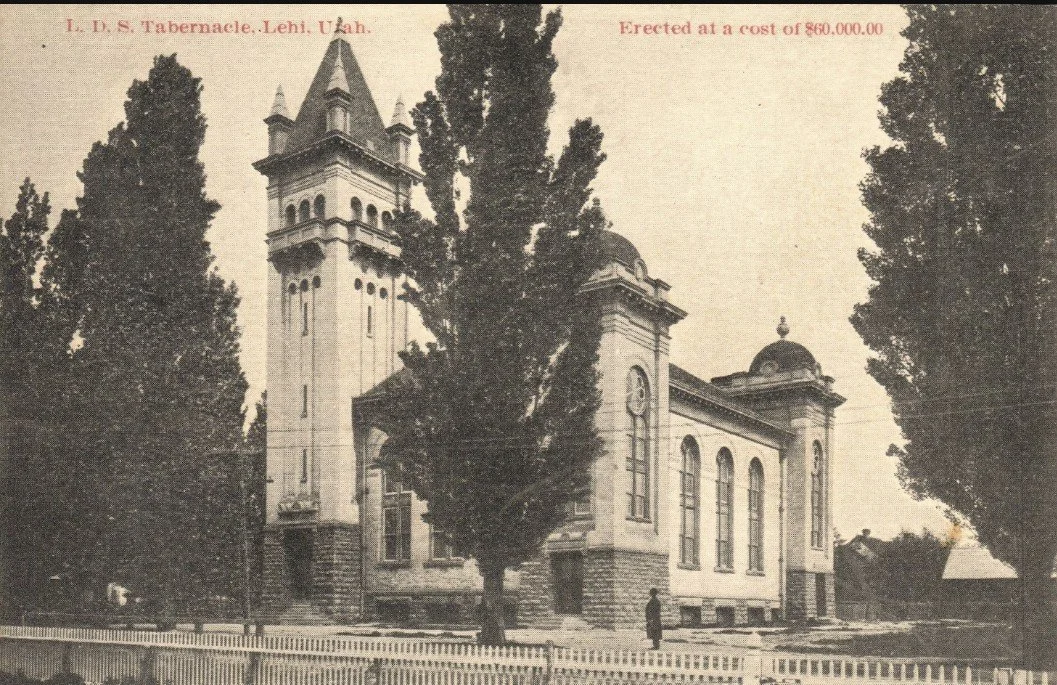
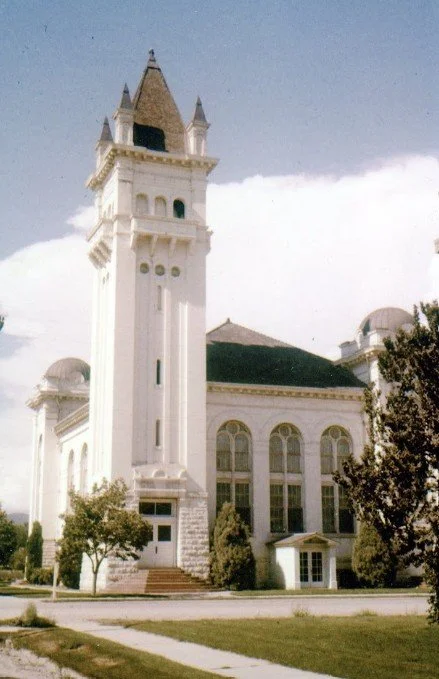
Lehi hired Richard K. A. Kletting, one of Utah’s leading architects, to design the tabernacle. Known for Saltair and later the Utah State Capitol, Kletting gave Lehi more than a practical meetinghouse. Built of white pressed brick with a large auditorium and 112-foot tower, the tabernacle expressed faith, ambition, and confidence in the town’s future.
-
![caption 4]()
1905-1906: Limited Use and Organ
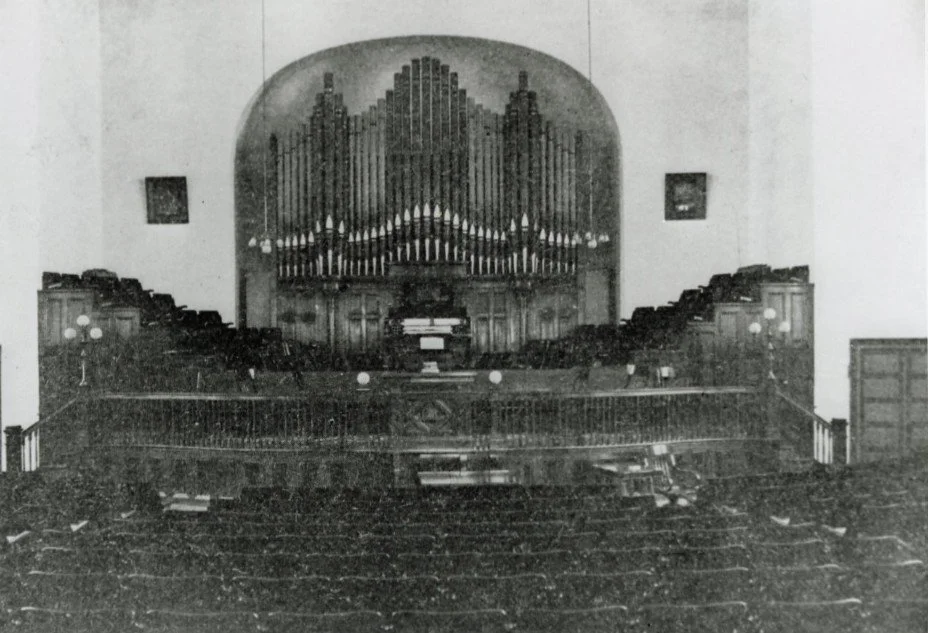
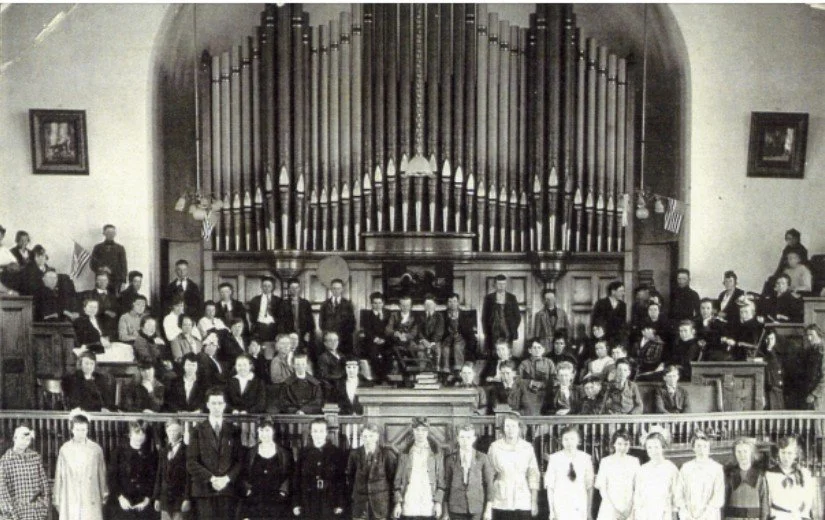
By 1905, the unfinished tabernacle was ready for limited use. In 1906, a W. W. Kimball pipe organ from Chicago was installed. Costing about $3,700, the organ reflected the importance of music in worship and the community’s aspiration to create high-quality performance and musical learning opportunities for Lehi residents.
-
![]()
1910: Dedication
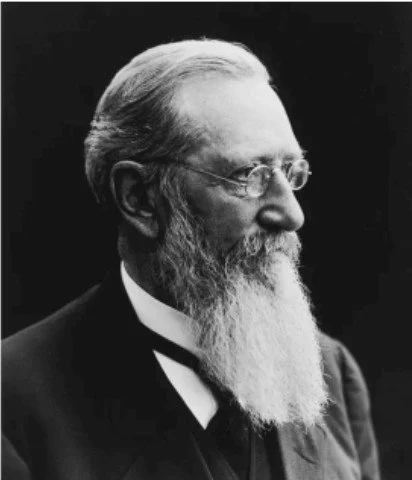
The tabernacle was completed and dedicated in 1910 by President Joseph F. Smith, who contributed $4,000 in church funds to help finish it. The total cost reached $60,000, a monumental feat for the Lehi ward and a lasting testament to years of local sacrifice.
-
![]()
1920: Sold to Alpine School District
By 1920, the cost of maintaining the building had become too much. The tabernacle was sold to the Alpine School District for $28,000. The district spent about $10,000 more to remodel it for school use, shifting the building from sacred space to civic resource.
-
![]()
1929-1931: One Last Time
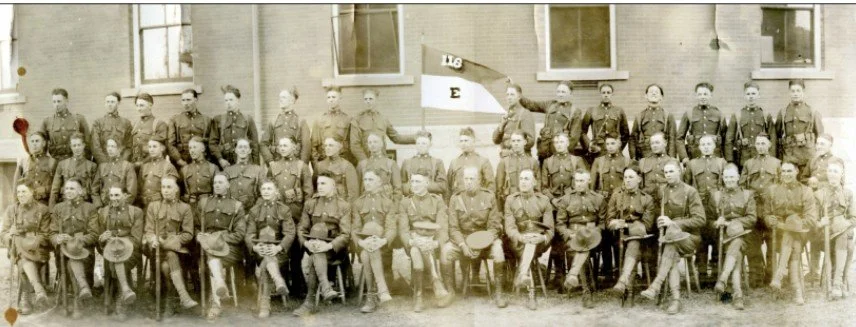
After the Lehi Stake was organized in 1928, some hoped the tabernacle would again become a religious center. Instead, the basement was leased as a National Guard armory. A fire on December 15–16, 1929, caused serious damage. By 1931, the building was boarded up.
-
![]()
1935-1941: Reacquired and Restored
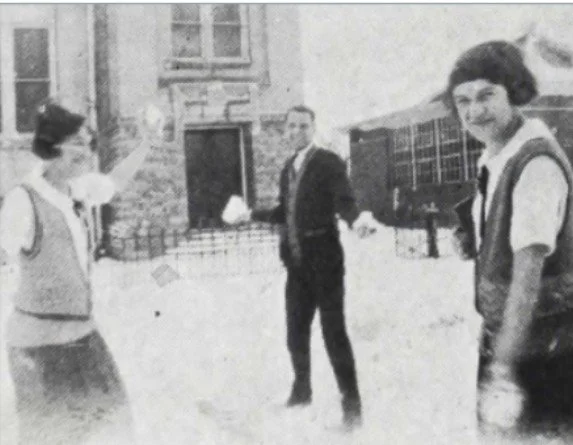
In 1935, the church reacquired the tabernacle for just $500. A major renovation followed from 1936 to 1941, costing about $42,000. The restored building again became a center for worship, concerts, graduations, meetings, banquets, and community celebrations.
-
![]()
1962: Demolition
By the early 1960s, church leaders concluded the building was no longer practical for long-term use. Many Lehi residents opposed demolition, but the tabernacle was razed in 1962 and replaced by a new stake center, which still stands on the site today.
-
![]()
Today: Memory and Legacy
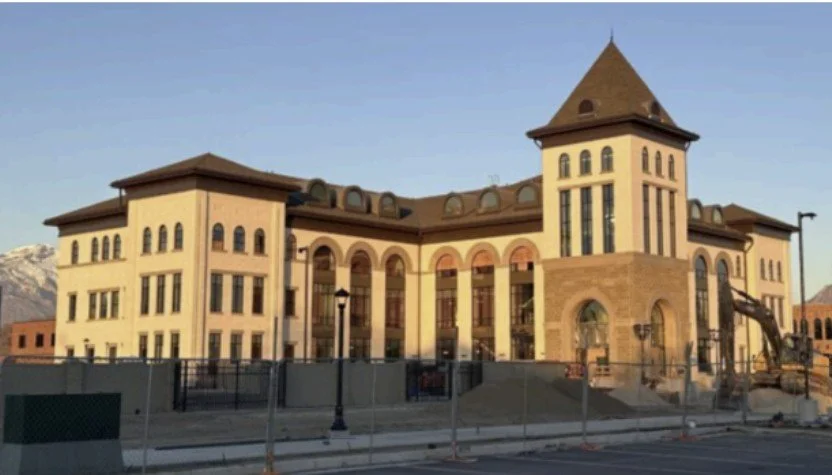
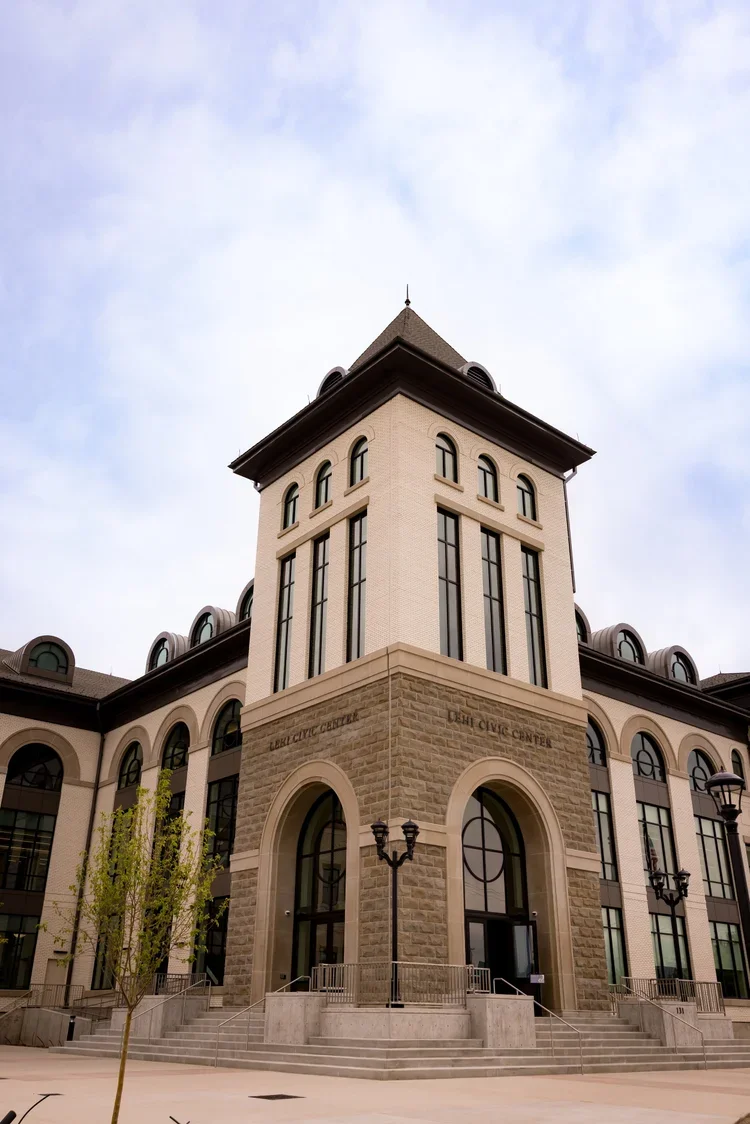
The tabernacle is gone, but its legacy remains. Its preserved cornerstone is now displayed in front of the Lehi Historical Society. The new Lehi Civic Center draws from the old tabernacle’s towers, carrying forward a memory of shared sacrifice, community, and resilience that still shapes Lehi today.
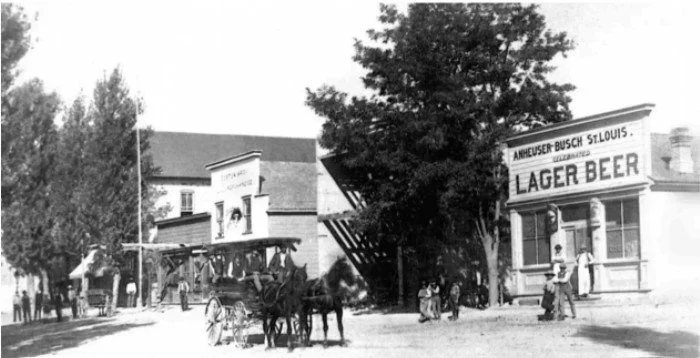
Marker Location
200 N Center St Lehi, UT
Marker Unveiling
May 16, 2026
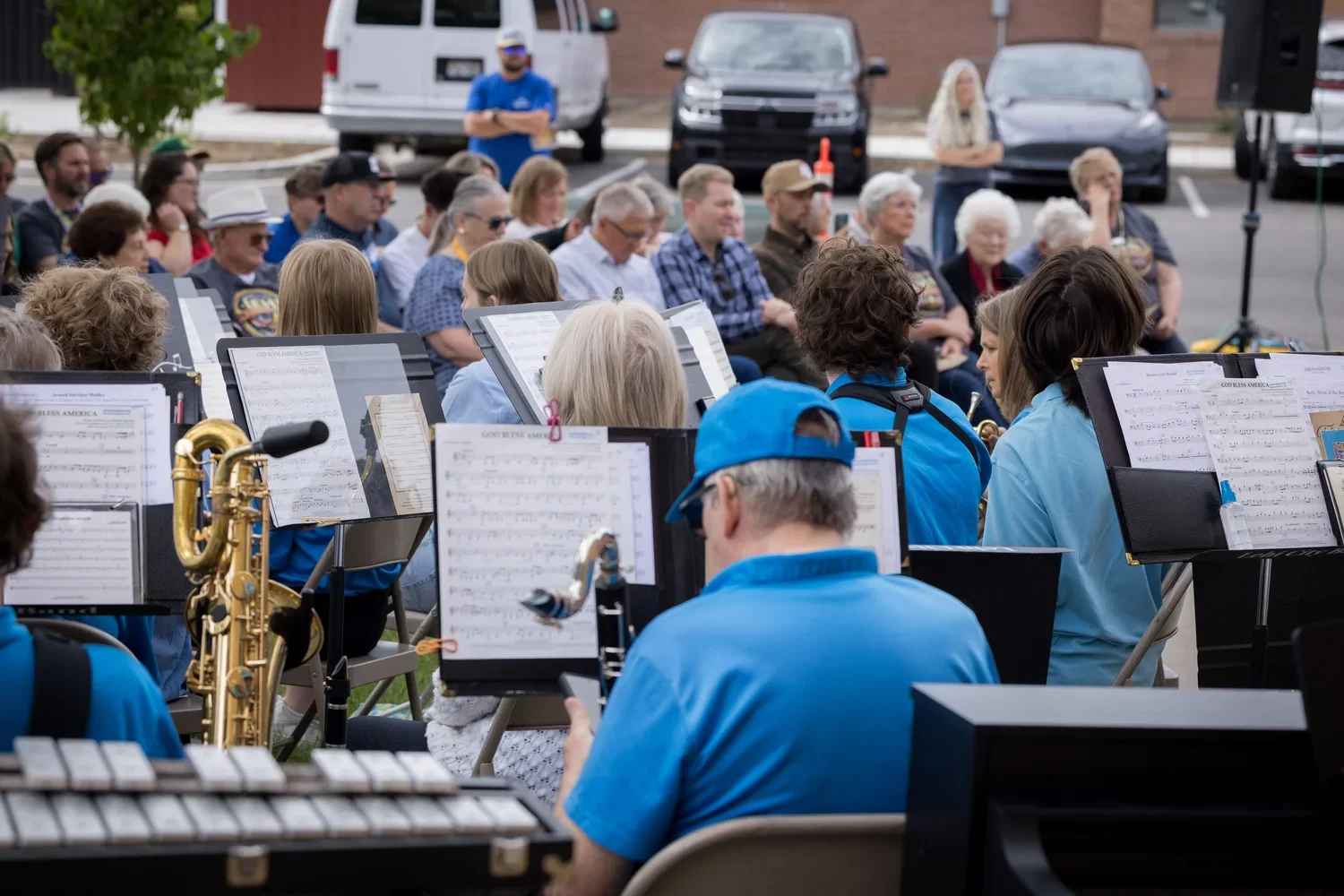
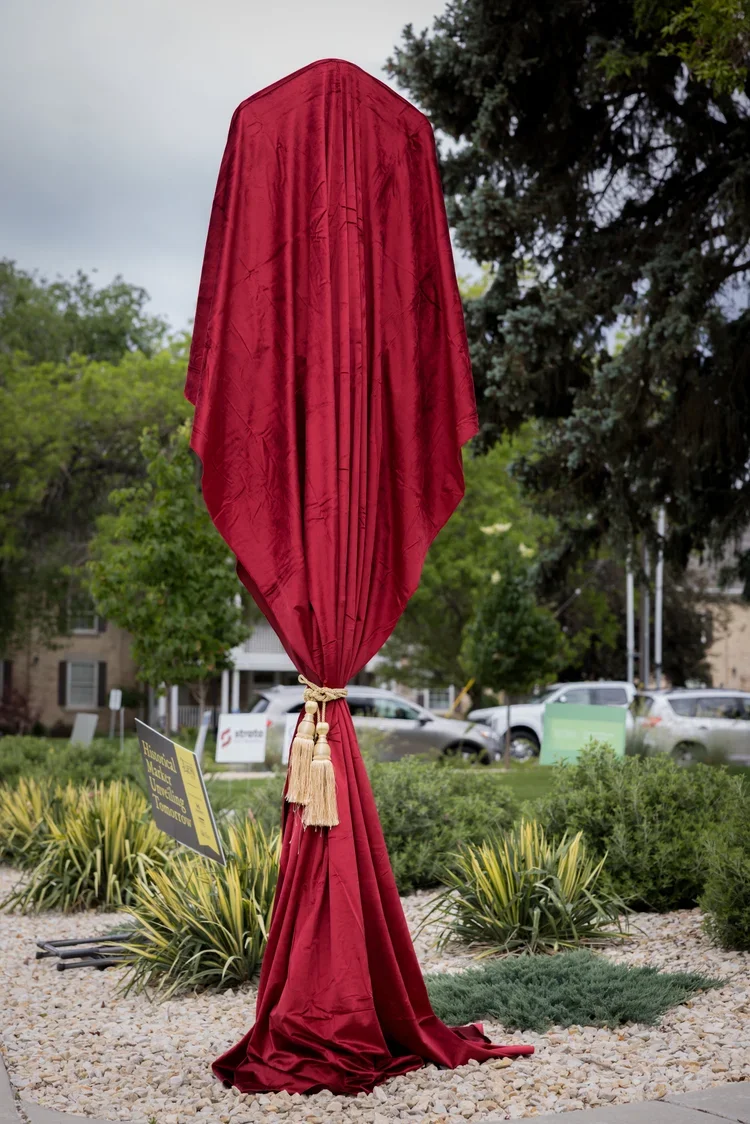
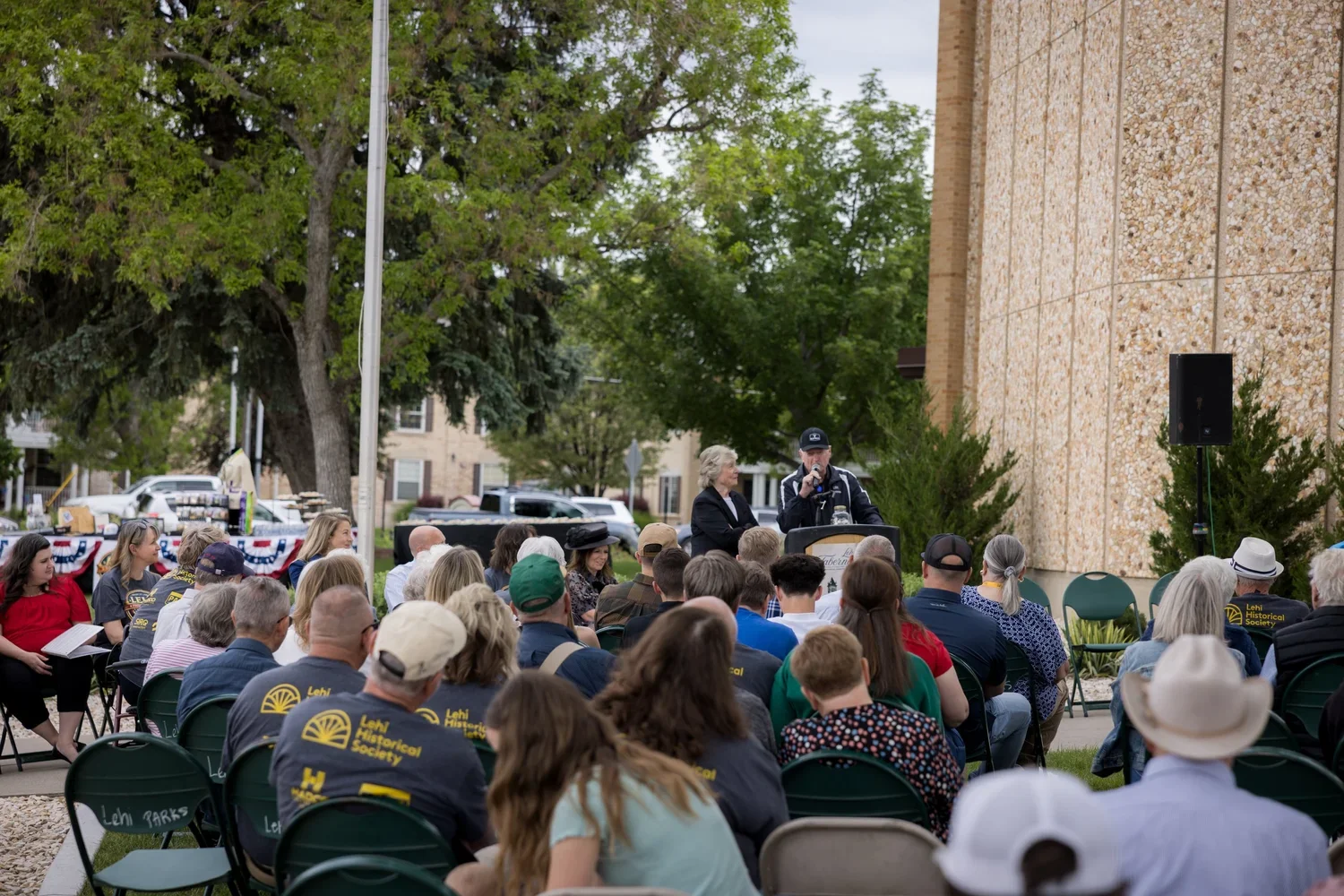
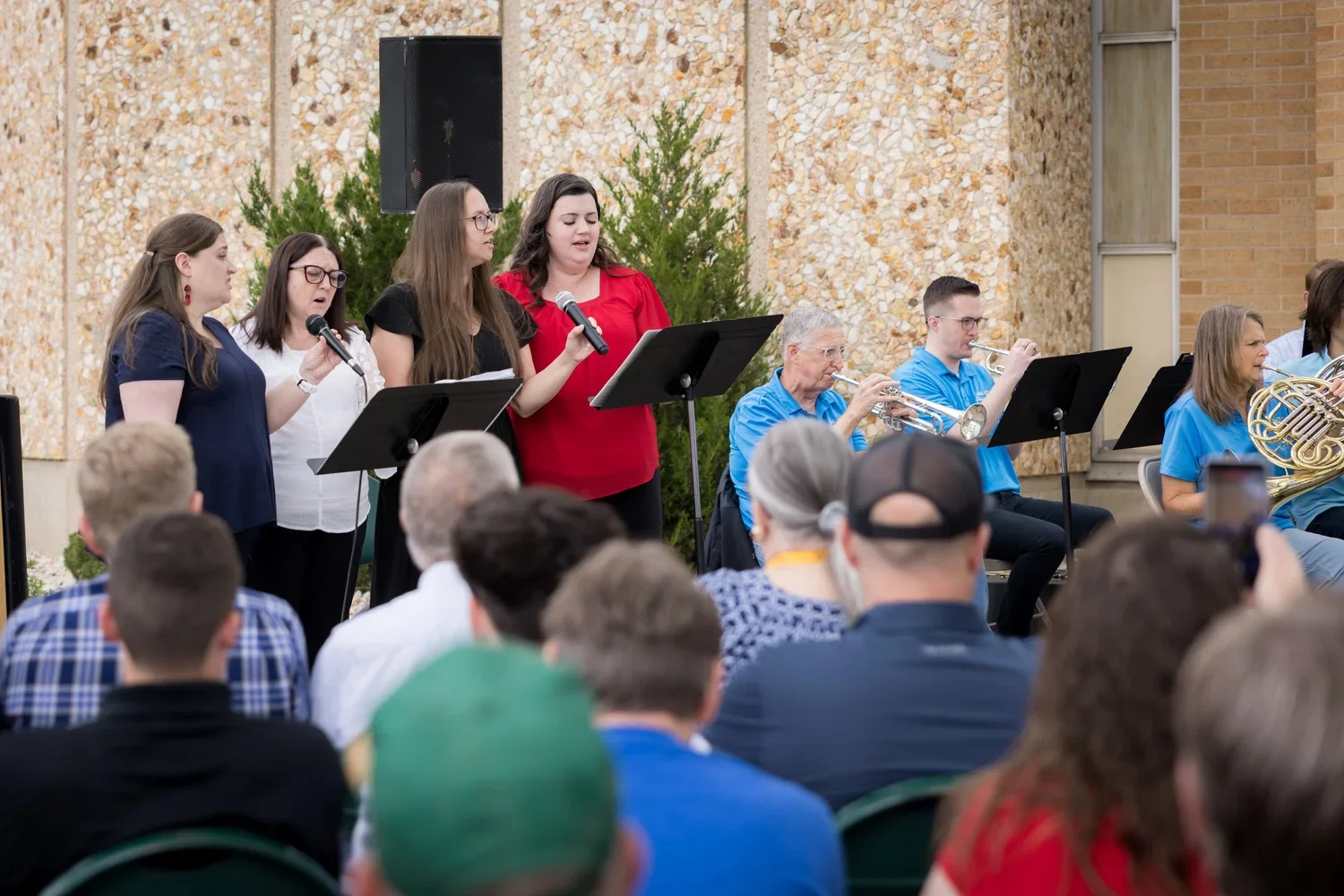
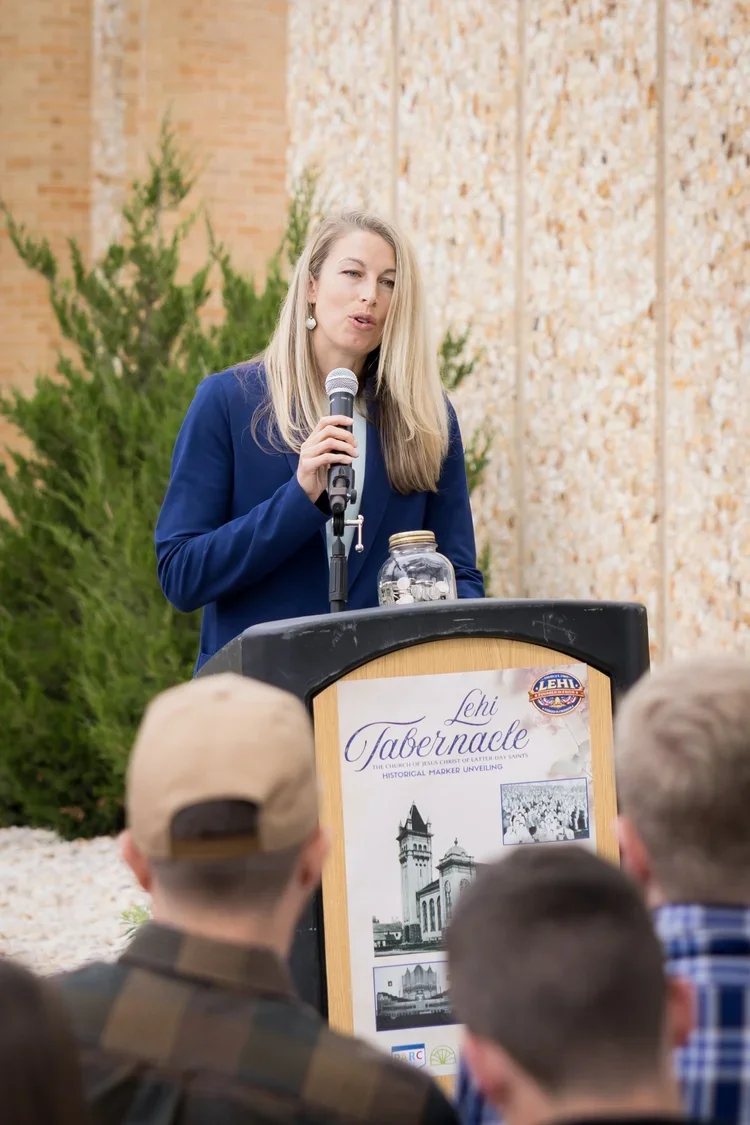
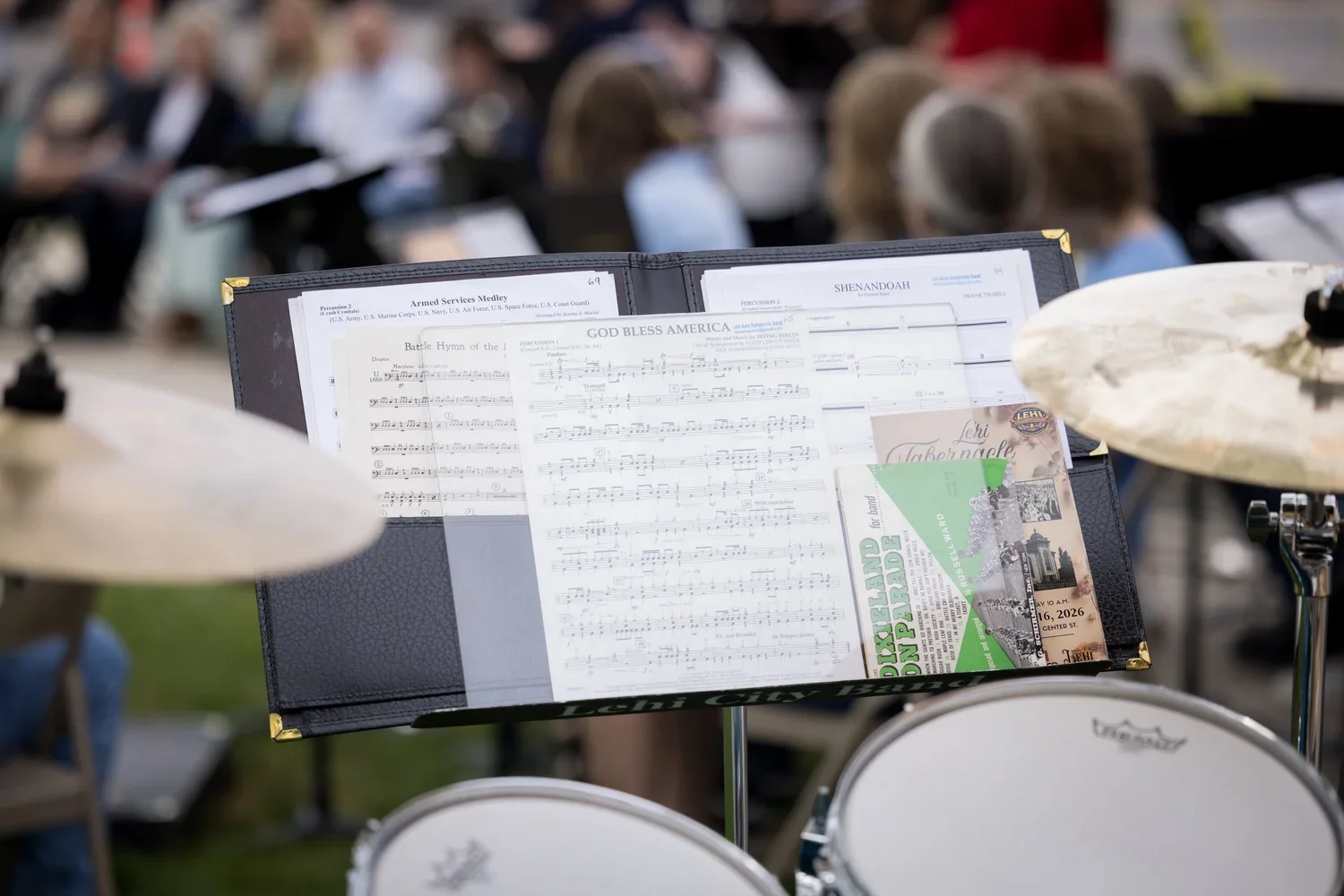
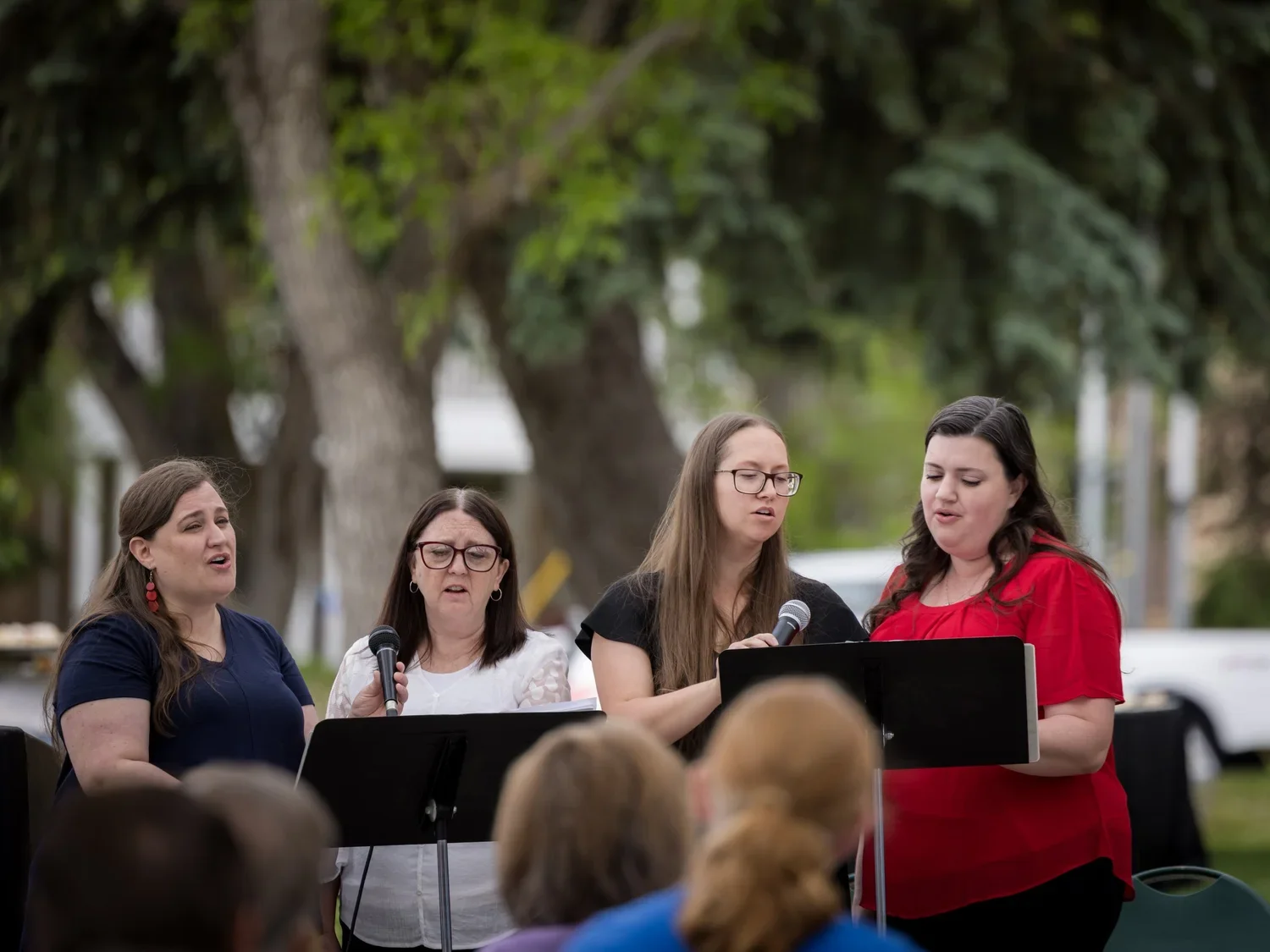
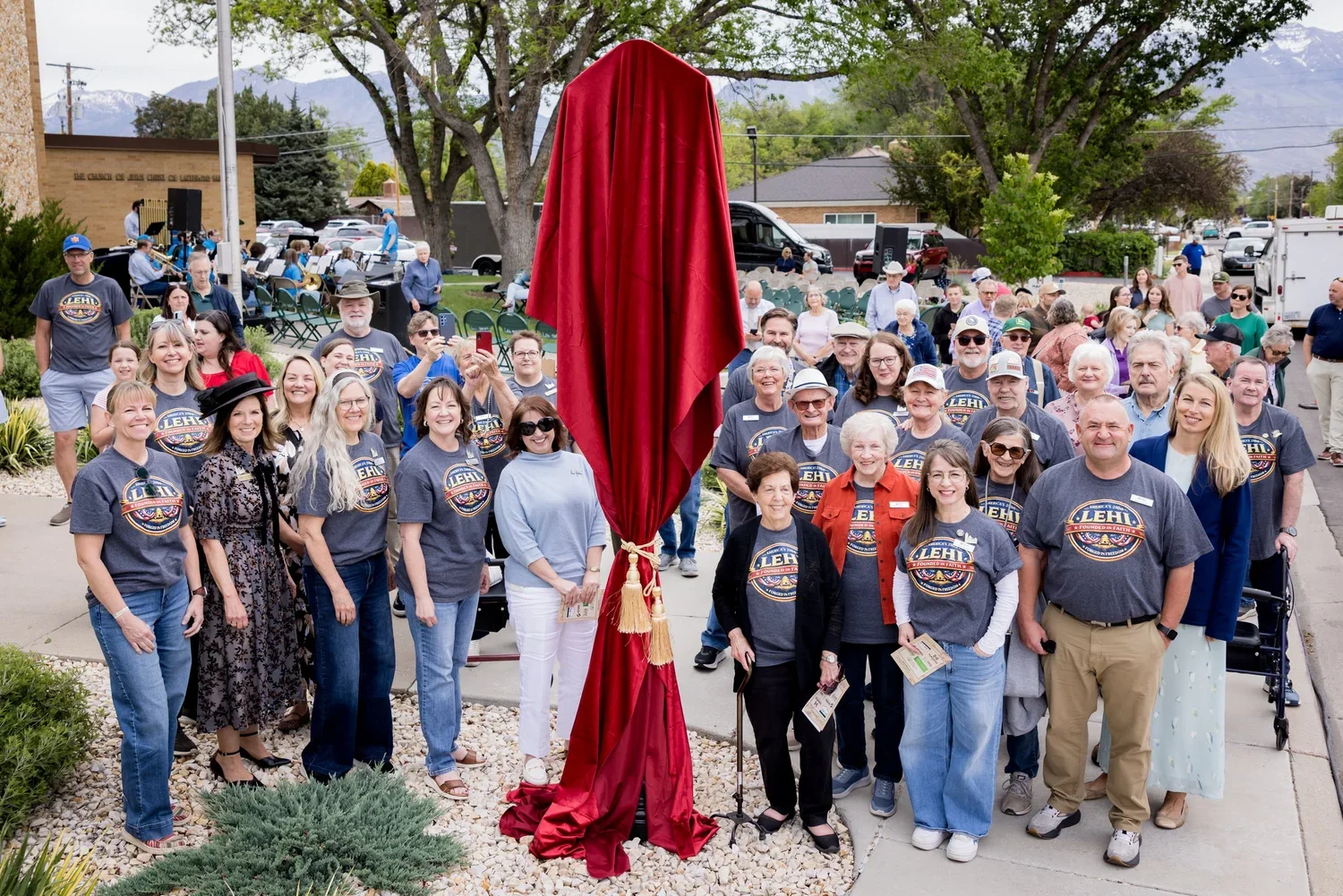
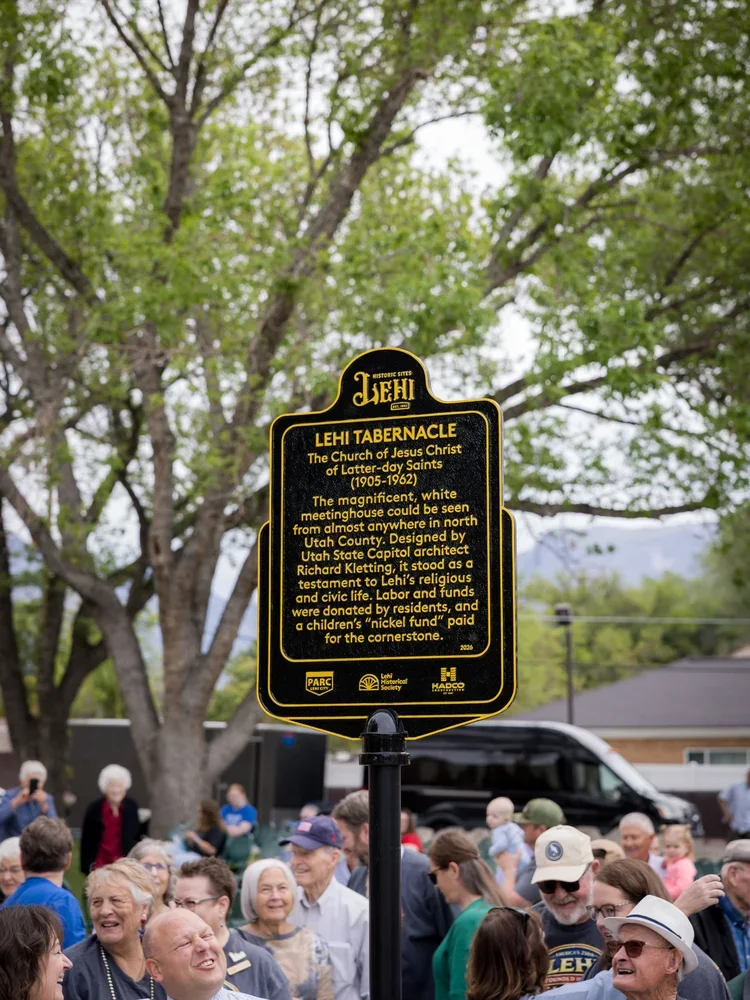
The historical marker for the Lehi Tabernacle of The Church of Jesus Christ of Latter-day Saints was unveiled on Saturday on the spot, now occupied by a stake center, where the beautiful building stood between 1905 and 1962. The Lehi Silver Band transported the audience back more than half a century with its nostalgic tunes as everyone took their seats for the program.
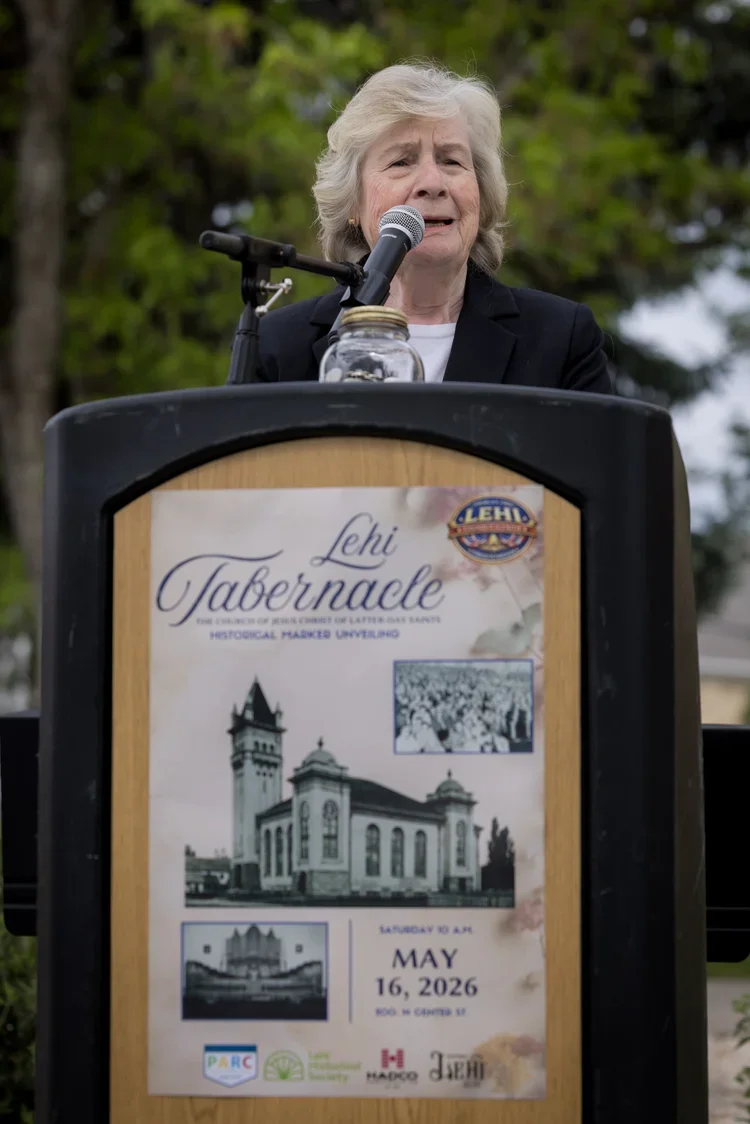
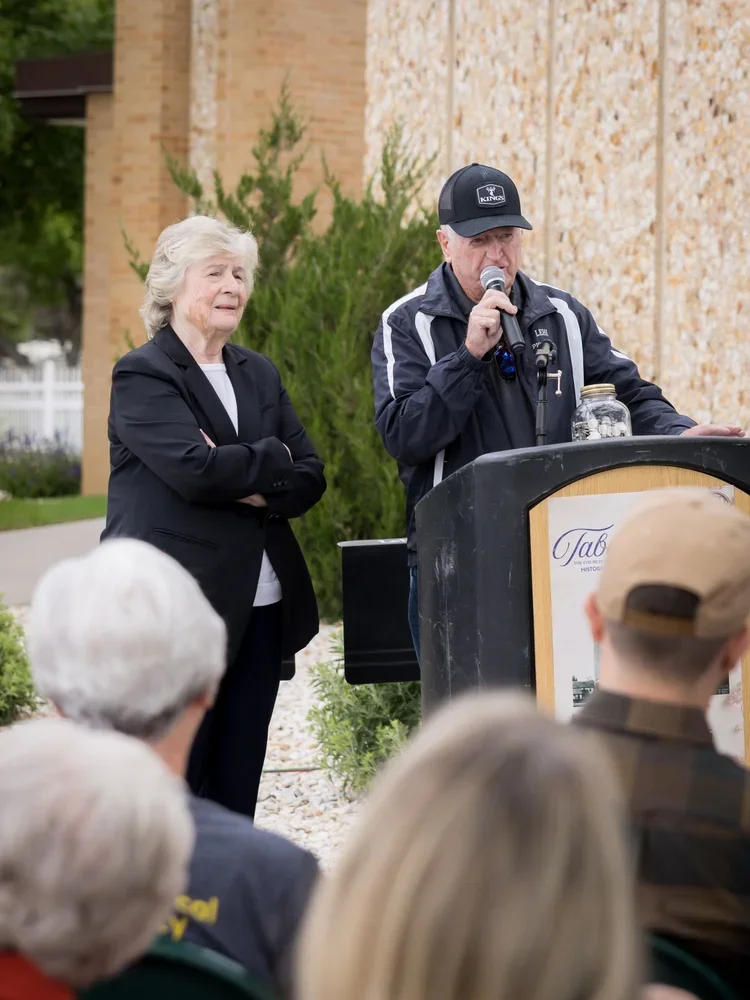
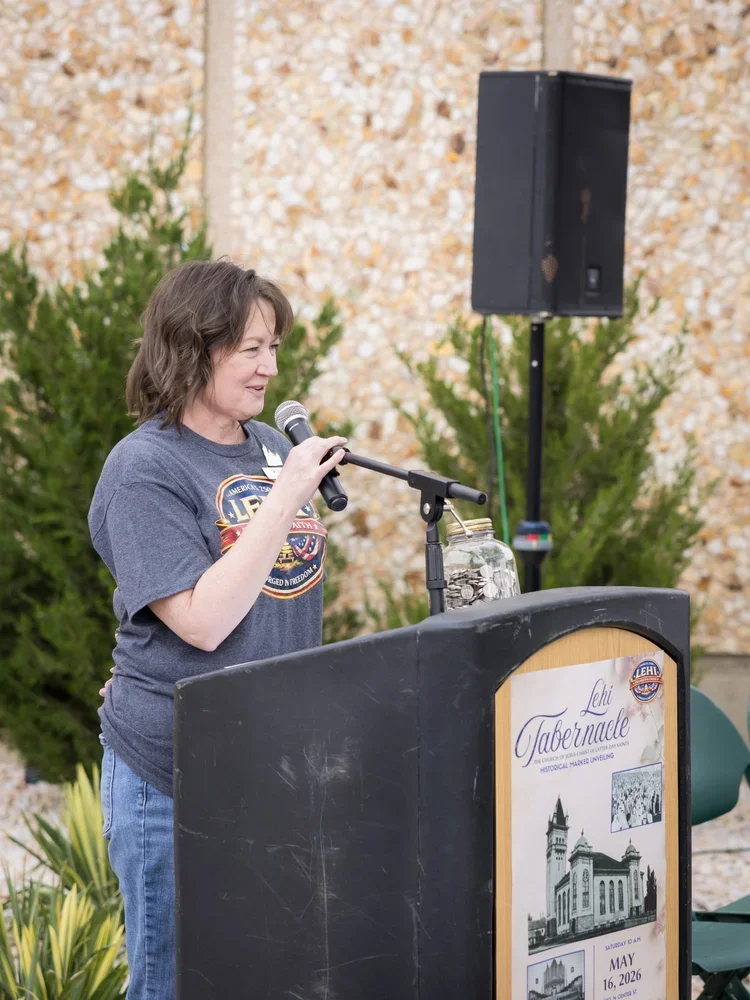
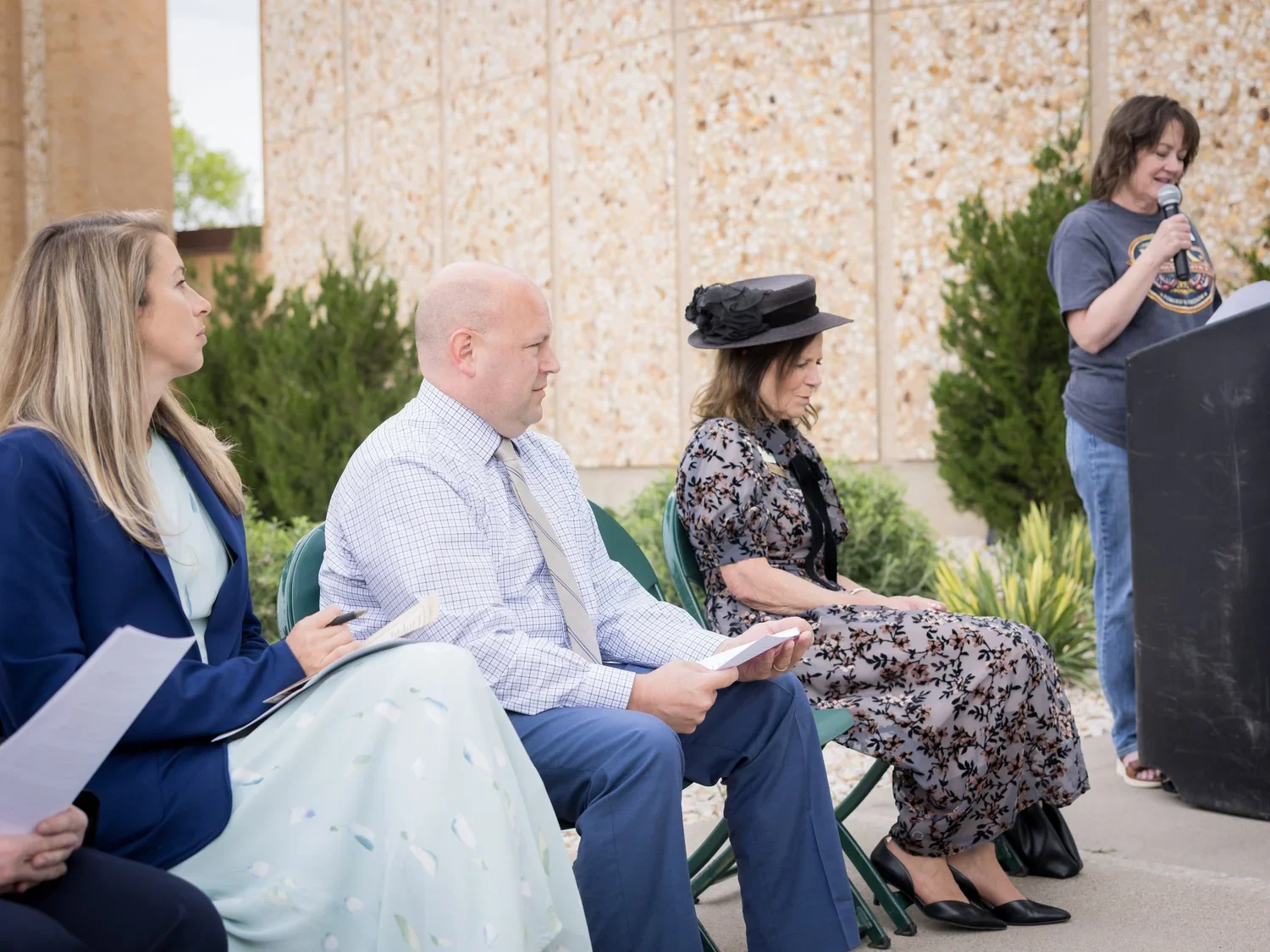
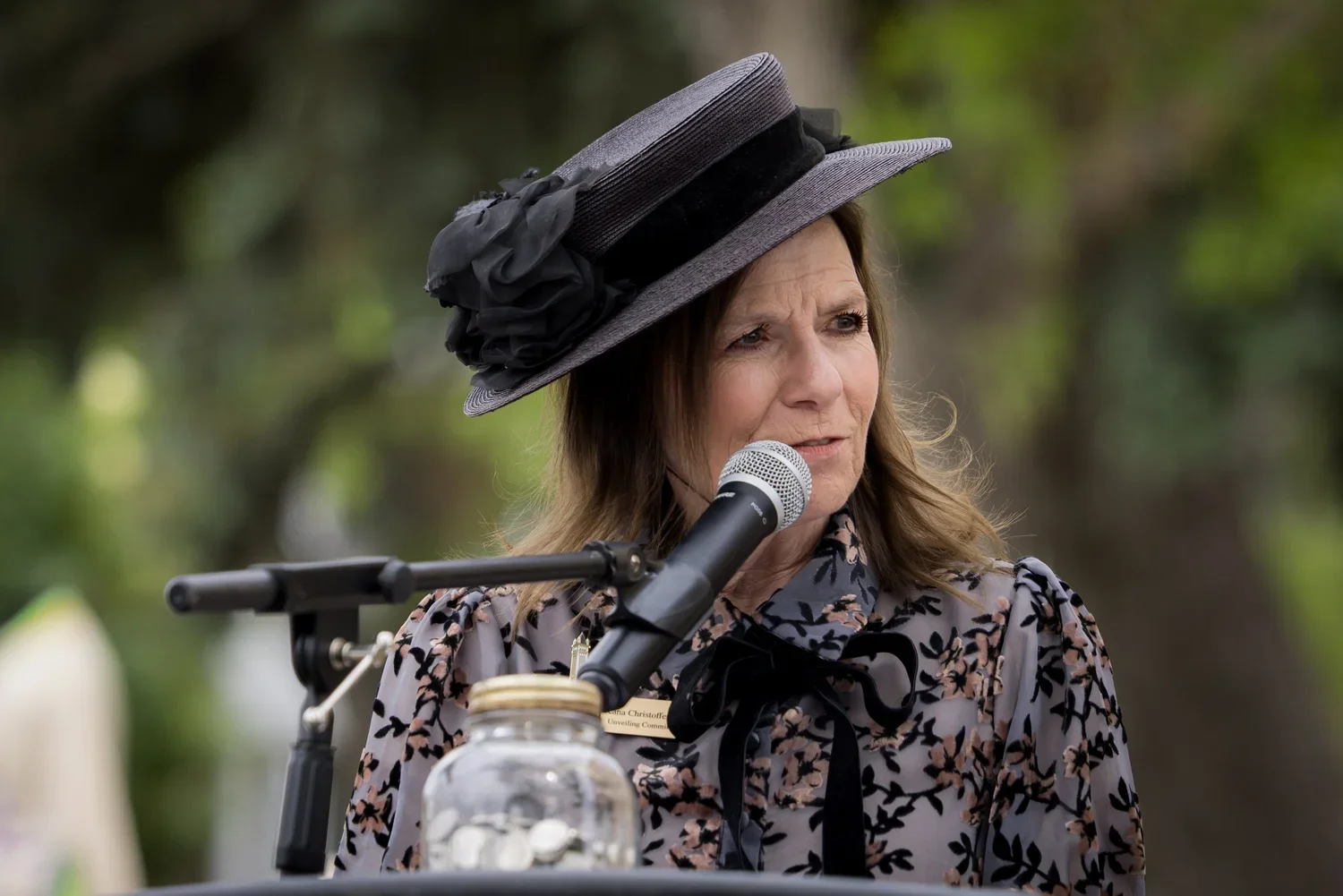
“My memories of the Tabernacle are not vivid, but all my life, I occasionally have feelings of melancholy that it no longer stands,” said Jeana Christofferson, a member of the Historical Marker Unveiling Committee, to begin the program. “It still holds a special place in my heart.” Christofferson shared memories of the Lehi Tabernacle that she gathered from friends that included meeting Gene Fullmer, the middleweight boxing champion of the world, at a Fathers & Sons Banquet, another who met David O. McKay, then president of the LDS Church, there, and a friend who still remembers having a special, spiritual experience in the Tabernacle.
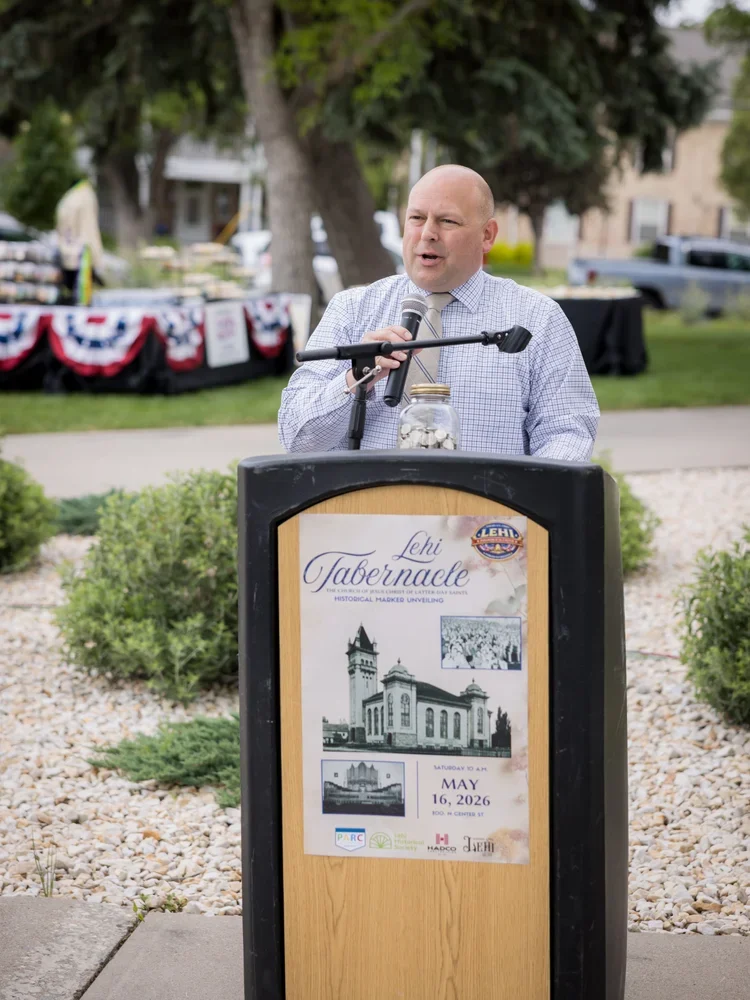
Members of the Lehi Historical Society Board, current and former Lehi City Councils and the John David and Danaca Hadfield family unveiled the marker. The marker is the 19th marker installed in the Lehi Historical Marker Program, which was founded in 2022 when the Lehi Historical Society won funding and continued support from the Hadfield family of HADCO Construction and a large Lehi City PARC grant.
Event sponsors for 2026 include Strata Networks and SIRQ Construction. The Lehi Tabernacle Historical Marker unveiling was also sponsored by the Church History Department of The Church of Jesus Christ of Latter-day Saints.
The next historical marker unveiling will be June 3 at 7 p.m., at the new Civic Hall at 153 N. 100 East. This marker will explain, “How Lehi Got Its Name.” For more information, see lehihistory.org or call 801-768-1570.

Learn More
Investigate our online archive for more information on the Lehi Tabernacle

Content Contributors
——, Lehi Historical Society
Kristen Atkisson, University of Utah
Katelyn Garrett, University of Utah
Kasia May, University of Utah
Support our Mission
Purchase collector marker pins to show your Lehi spirit! Your purchase will support the Lehi Historical Marker Program and the Lehi Historical Society. There are currently 15 pins available in our gift shop
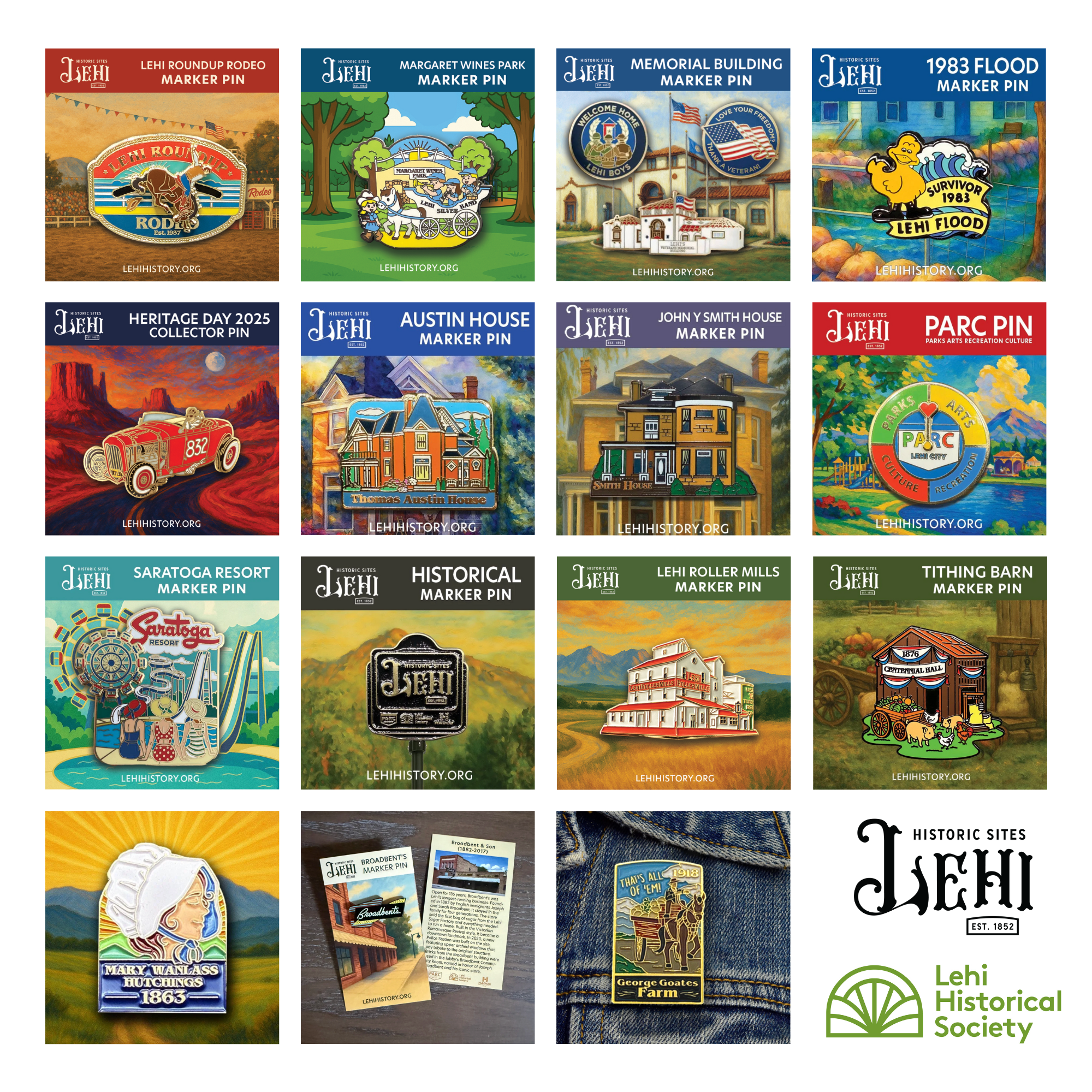
Celebrate Lehi’s history with our complete 15-pin collection. This special bundle includes one of each enamel pin from the Historical Marker Collection.
Pins included in the full set:
• Lehi Roundup Rodeo Marker Pin
• Margaret Wines Park Marker Pin
• Memorial Building Marker Pin
• 1983 Flood Marker Pin
• Heritage Day 2025 Collector Pin
• Austin House Marker Pin
• John Y Smith House Marker Pin
• PARC Pin
• Saratoga Resort Marker Pin
• Historical Marker Pin
• Lehi Roller Mills Marker Pin
• Tithing Barn Marker Pin
• Mary Wanlass Hutchings 1863 Pin
• Broadbent’s Marker Pin
• George Goates Farm Marker Pin
Each pin reflects a real story from Lehi’s past. Landmarks, founders, the rodeo, community legends, floods, and the places that shaped our city. This full set brings together every marker design in one place. It is perfect for collectors, teachers, longtime Lehi families, newcomers wanting to learn the stories behind our city, or anyone looking for a meaningful gift that supports local history.
Take home the complete collection and own 15 pieces of Lehi’s story.
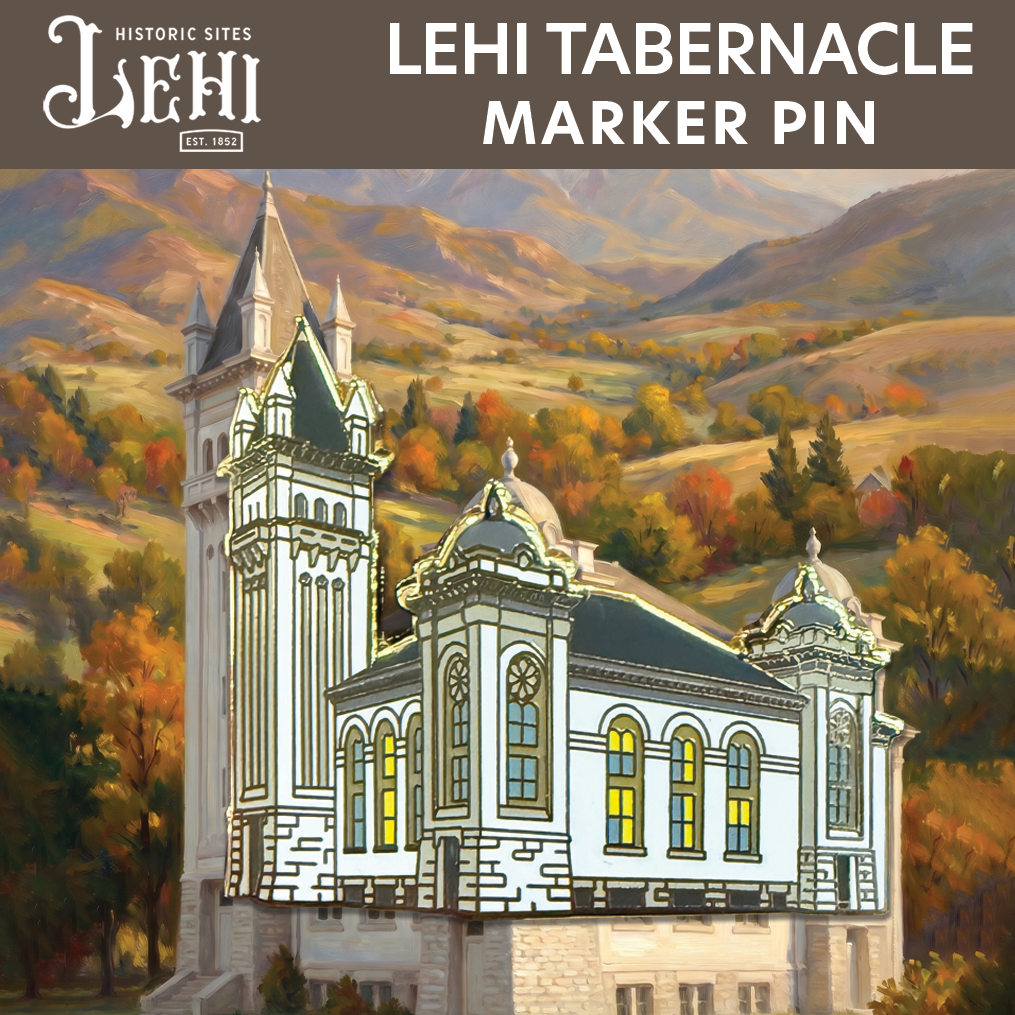
Honor one of Lehi's most iconic landmarks with this beautifully detailed hard enamel pin featuring the historic Lehi Tabernacle. Created as part of the Lehi Historical Marker Program, this collectible pin preserves the memory of a building that served as the religious, cultural, and civic center of the community for more than half a century.
Construction of the Lehi Tabernacle began in 1900 and was completed in 1910. Designed by renowned Utah architect Richard K.A. Kletting, the building was known for its distinctive tower, elegant white brick exterior, and impressive assembly hall. For decades, it hosted worship services, musical performances, graduations, community events, and gatherings that brought generations of Lehi residents together.
This pin captures the tabernacle's recognizable silhouette with carefully recreated architectural details, from the soaring tower and decorative rooflines to the arched windows glowing with warm light. Bright brass plating complements the historic design and highlights the craftsmanship that made the original structure a treasured landmark.
Pin Details
1.75" wide hard enamel pin
Bright brass plating
Double-post backing for added stability
Though the original tabernacle no longer stands, its legacy remains an important part of Lehi's story. This pin serves as a lasting tribute to the people, events, and memories that filled its halls for generations.
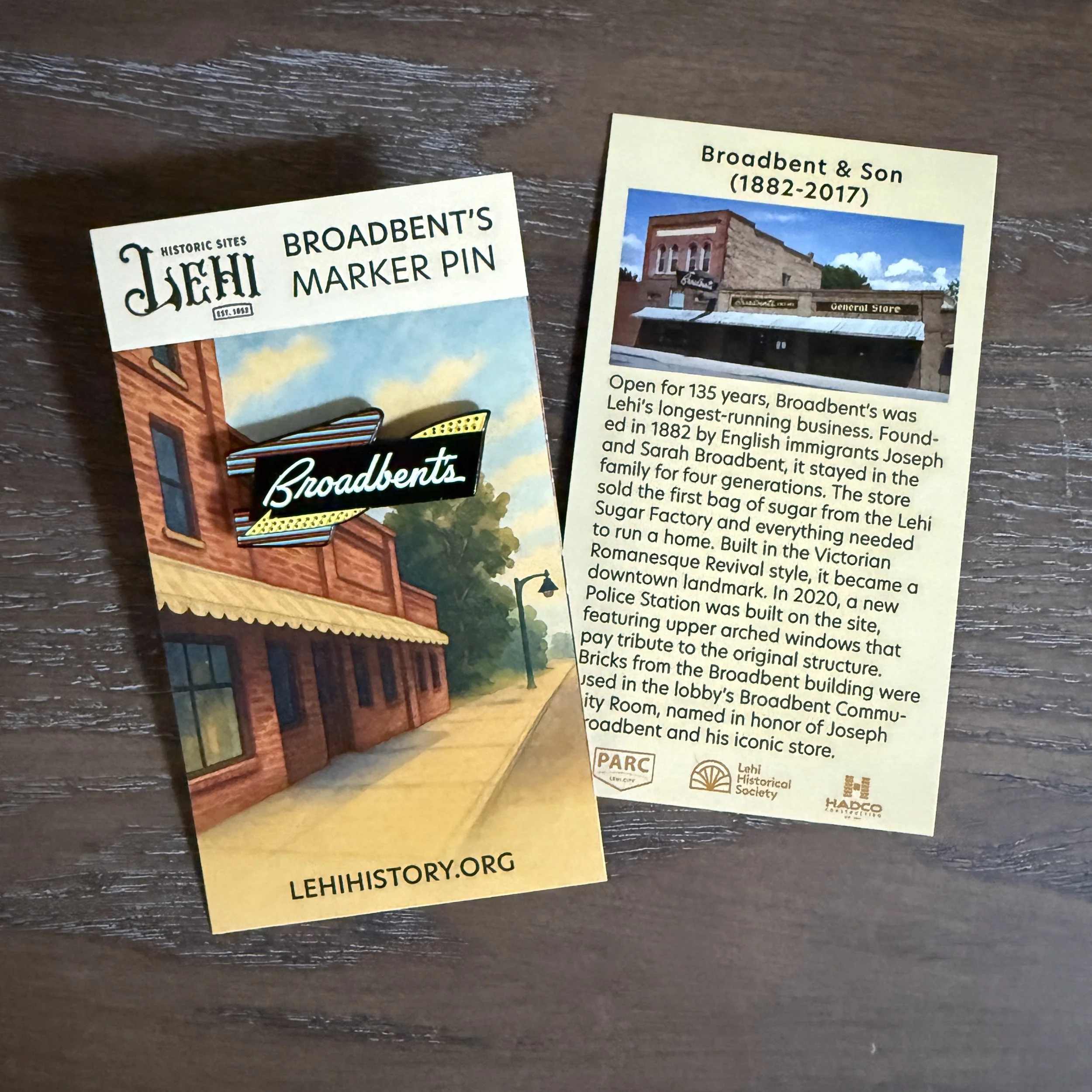
Celebrate a Lehi icon with this Historical Marker collector pin honoring Broadbent’s Store, the longest-running business in Lehi’s history and a cornerstone of the community for 135 years.
Soft enamel with black dyed metal plating
Features the vintage neon Broadbent’s sign installed in 1954
Measures 1.25 inches in length
Single-post backing with secure rubber cover
Perfect for collectors, history lovers, and proud Lehi locals
Founded in 1882 by English immigrants Joseph and Sarah Broadbent, the store was passed down through four generations and became known for offering everything from dry goods to fine fabrics. It sold the first bag of sugar produced by the Lehi Sugar Factory and served as a trusted hub for generations of families. The iconic neon sign, featured in this pin, hung proudly from 1954 until the store’s closing in 2017. Today, the arched windows of the Lehi Police Department pay tribute to the building that once stood in its place.
A nostalgic keepsake celebrating a legacy of service, family, and small-town pride.