
North Branch Meetinghouse of The Church of Jesus Christ of Latter-day Saints
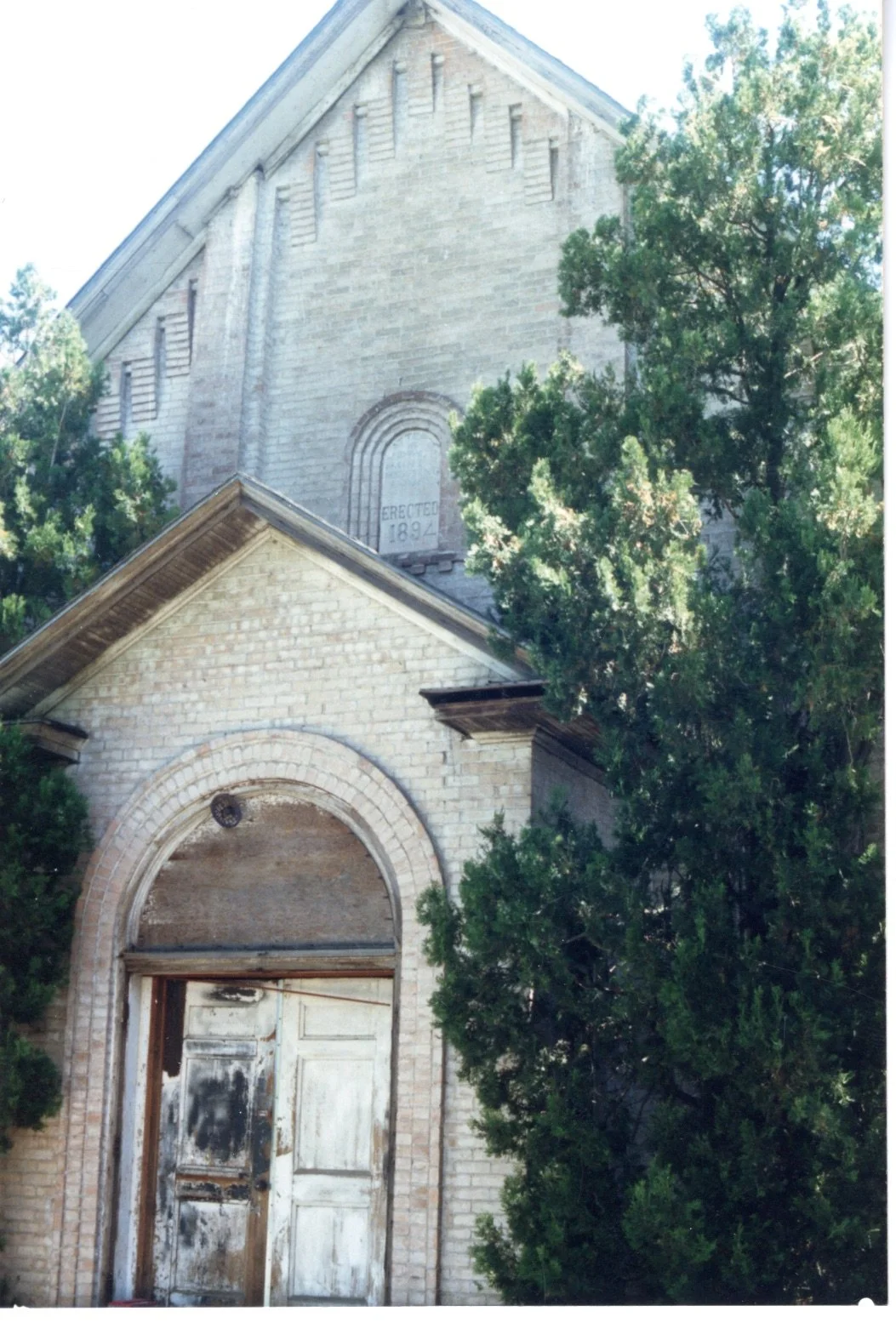
Est. 1894
In the early 1870s two railroads intersected in the northwest quadrant of town area, near General Refractories. This area, known variously as “the New Survey,” “Over the Creek,” and/or “Lehi Junction,” eventually became dominated by outsiders. Lehi Junction became a relatively self- contained community with many homes, stores, railroad-related industries, and a school. The work force was dominated by laborers, miners, railroaders, and the occasional drifter.
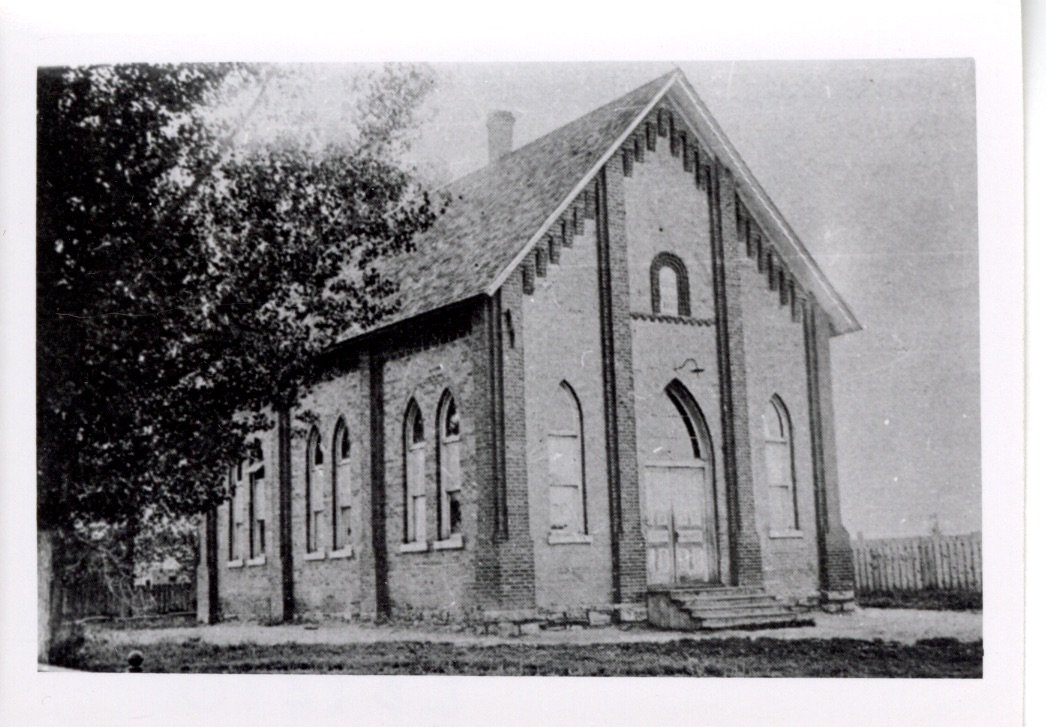
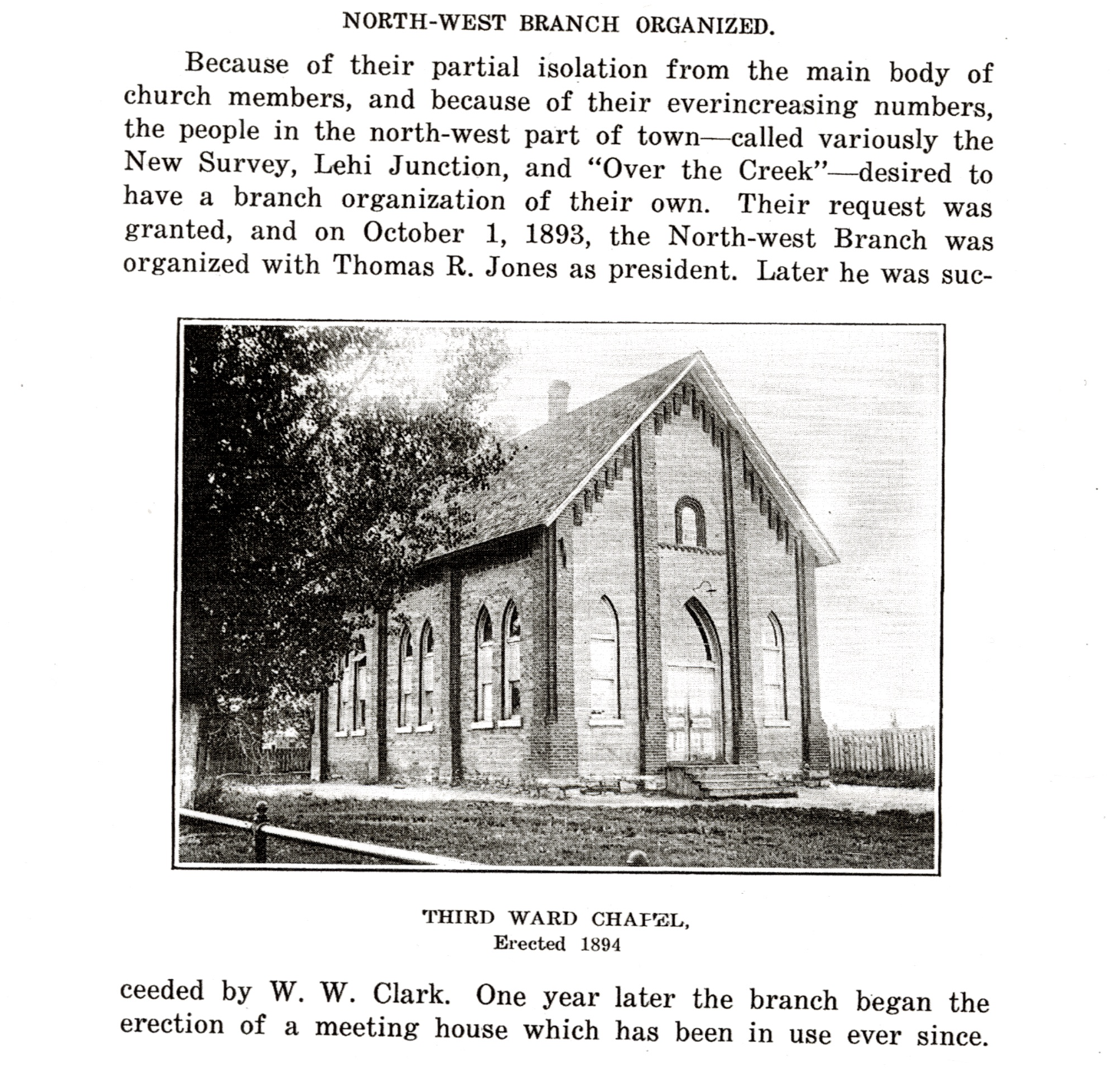
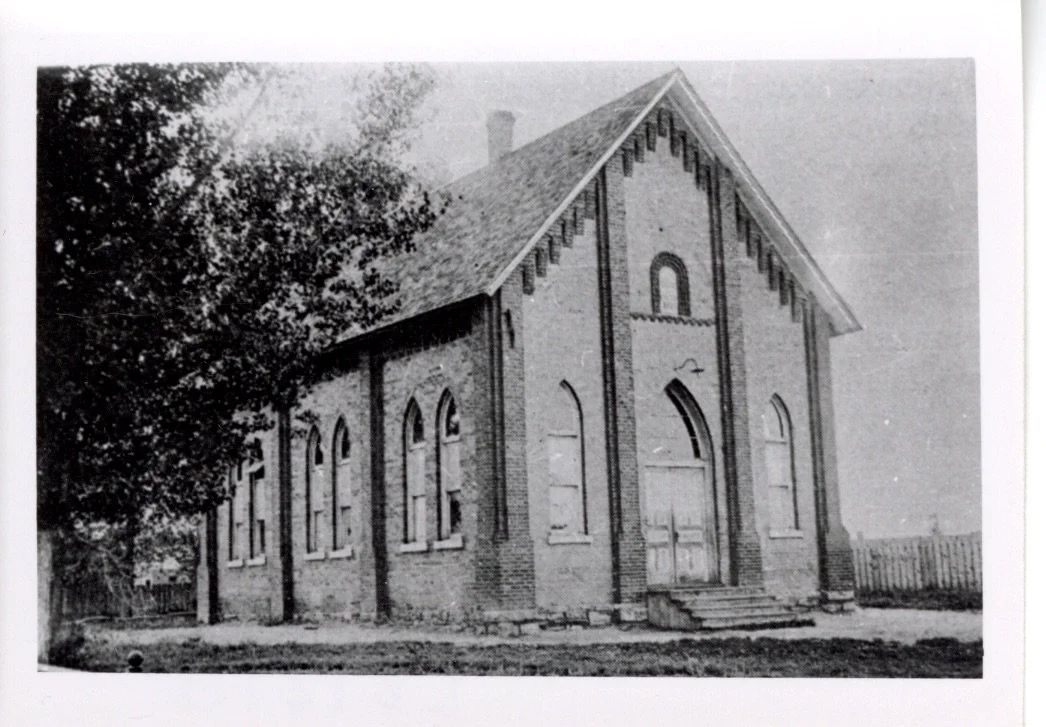
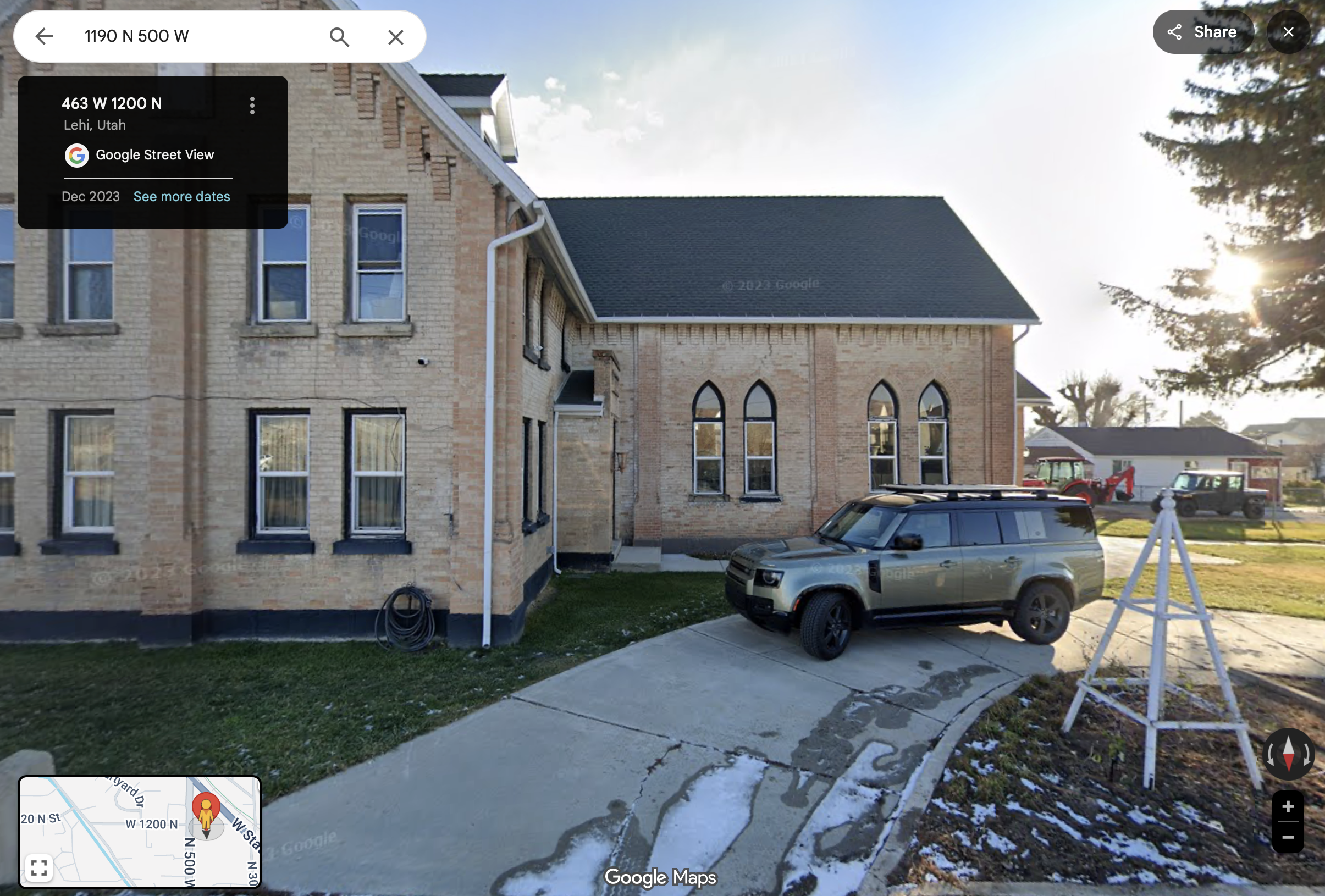
Living this far north of the Lehi Ward Meeting House meant churchgoers had a considerable distance to travel to attend meetings. On 1 October 1893, Lehi’s North Branch was organized, and church services were held in the Franklin School. This was under the direction of Thomas R. Jones, branch president. A building committee was organized consisting of Thomas R. Jones, G. W. Brown, W. S. Evans, Wiliam W. Clark, George Beck, James P. Carter, and Hyrum Timothy. Within four months after the branch’s organization, the Junction people had subscribed $700 towards construction of a meetinghouse. Andrew Fjeld and Charles Ohran, local contractors, drew up plans for the building which was to be constructed on the southeast corner of Fifth West and Twelfth North.
On Sunday, 14 October 1894, worship services were first held in the branch meeting house, though the building was not fully completed. During the meeting, the building committee noted that the structure cost $1,656. Many of the old records refer to the North Branch building as Zion’s Hill Meeting House because rock for the limestone foundation was quarried from Zion’s Hill on the Lake Mountains.
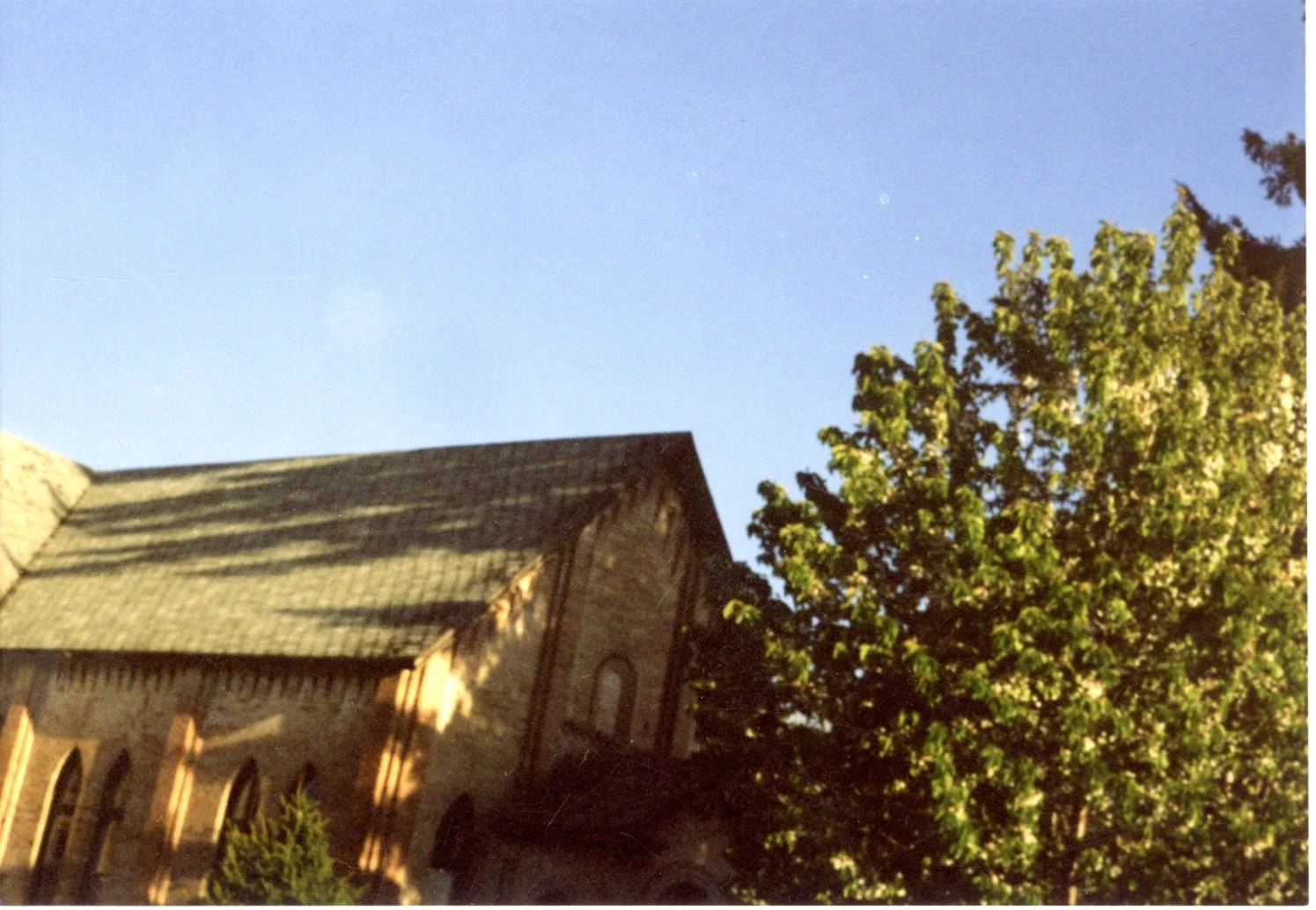
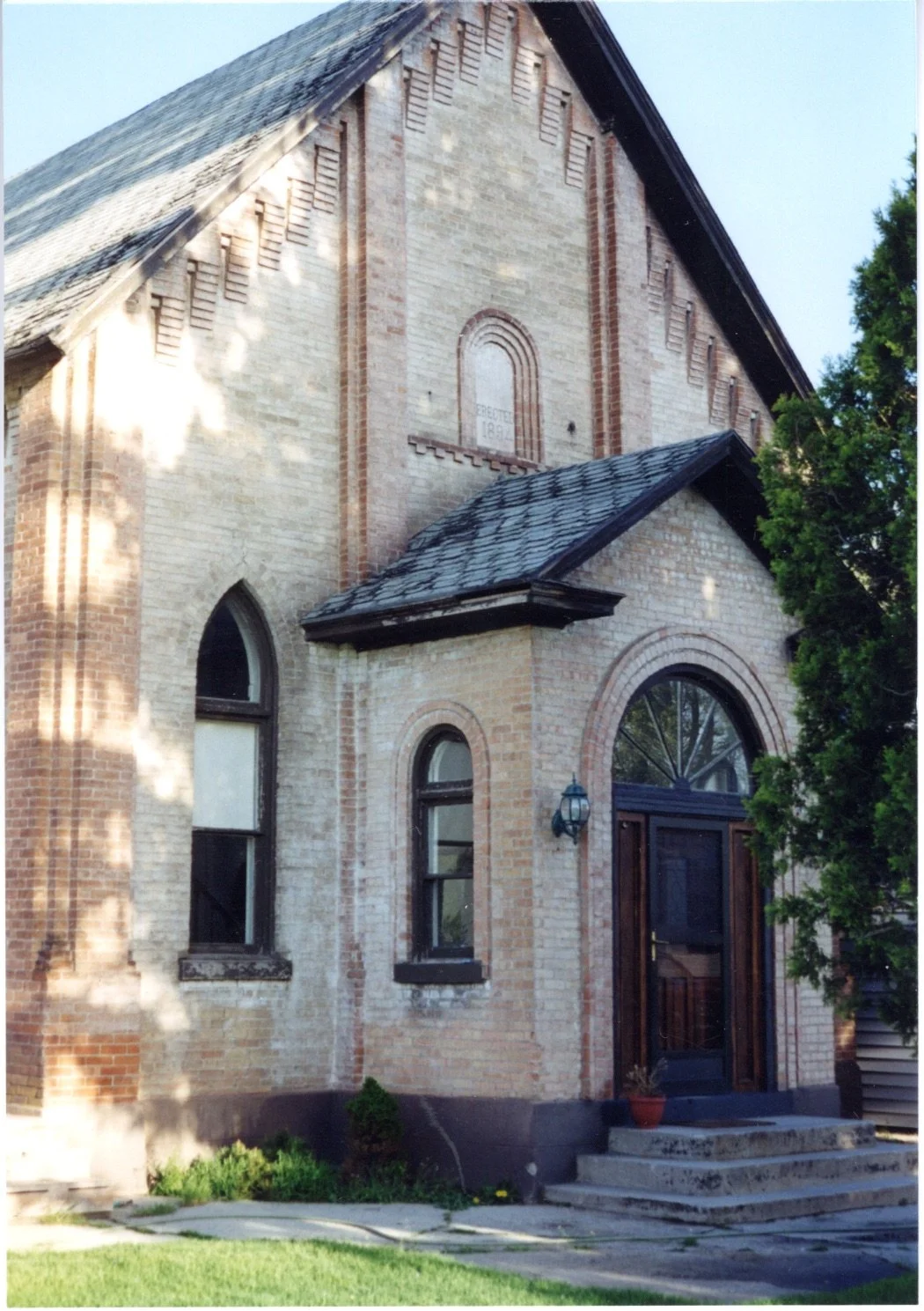
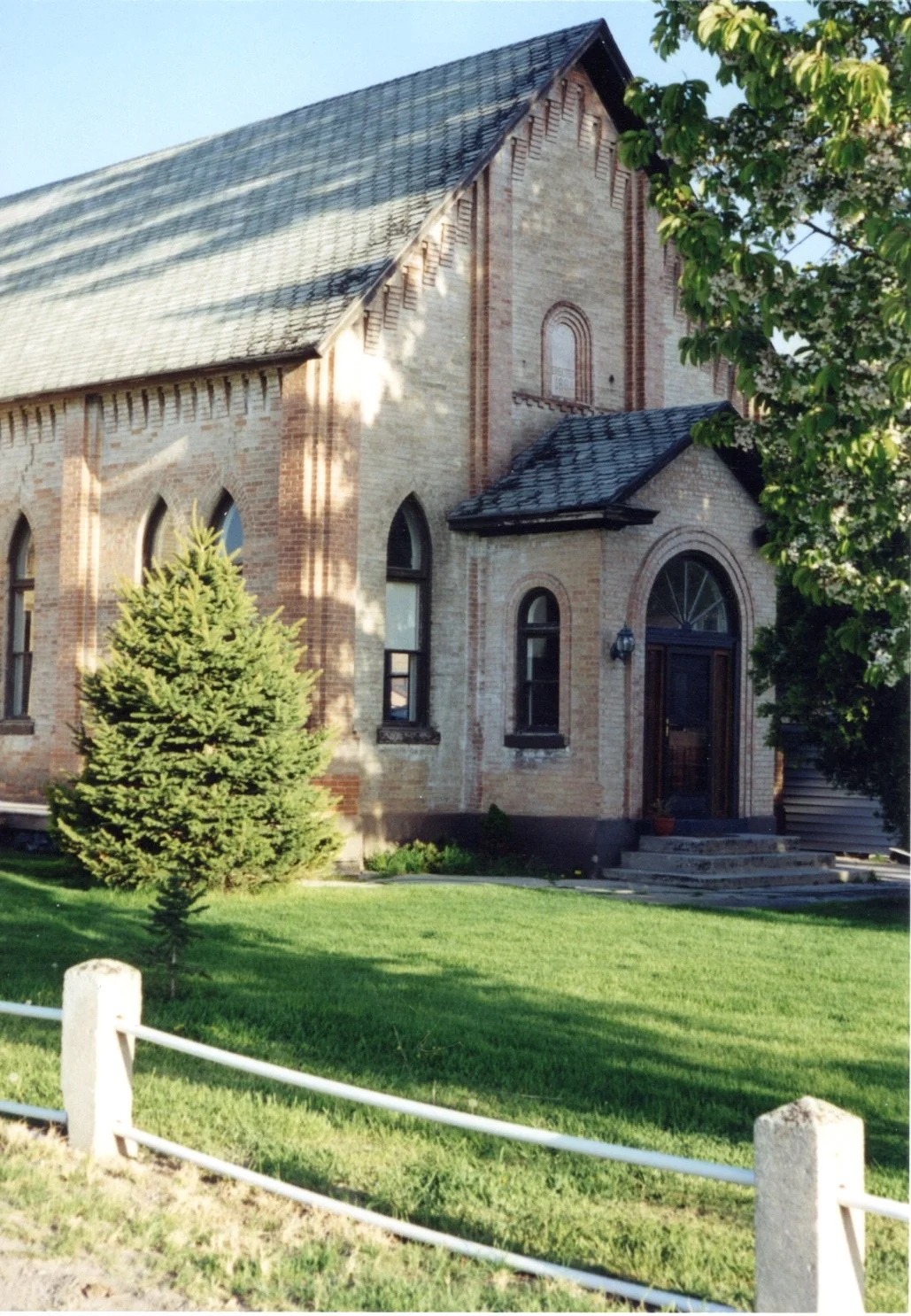
Primarily Victorian Gothic in style, the original building also incorporated classical elements such as the symmetry and gable end entry. Gothic elements include the brick corbeling at the roof line and the pointed arch windows. The building’s designers/builders were local masons Andrew Fjeld and Charles Ohran. Though untrained, they designed a simple, well-proportioned building that draws upon several stylistic traditions in a harmonious way.
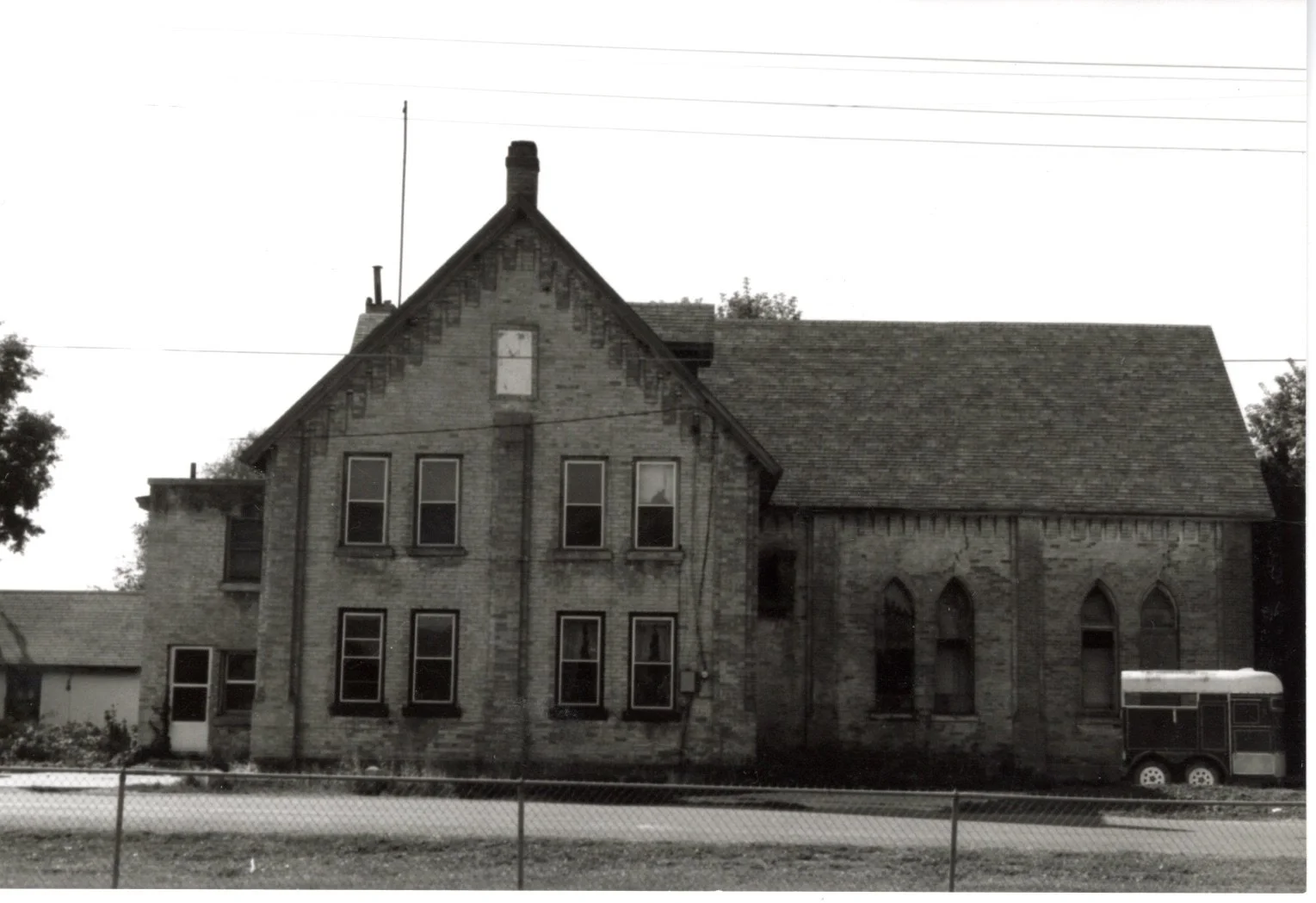
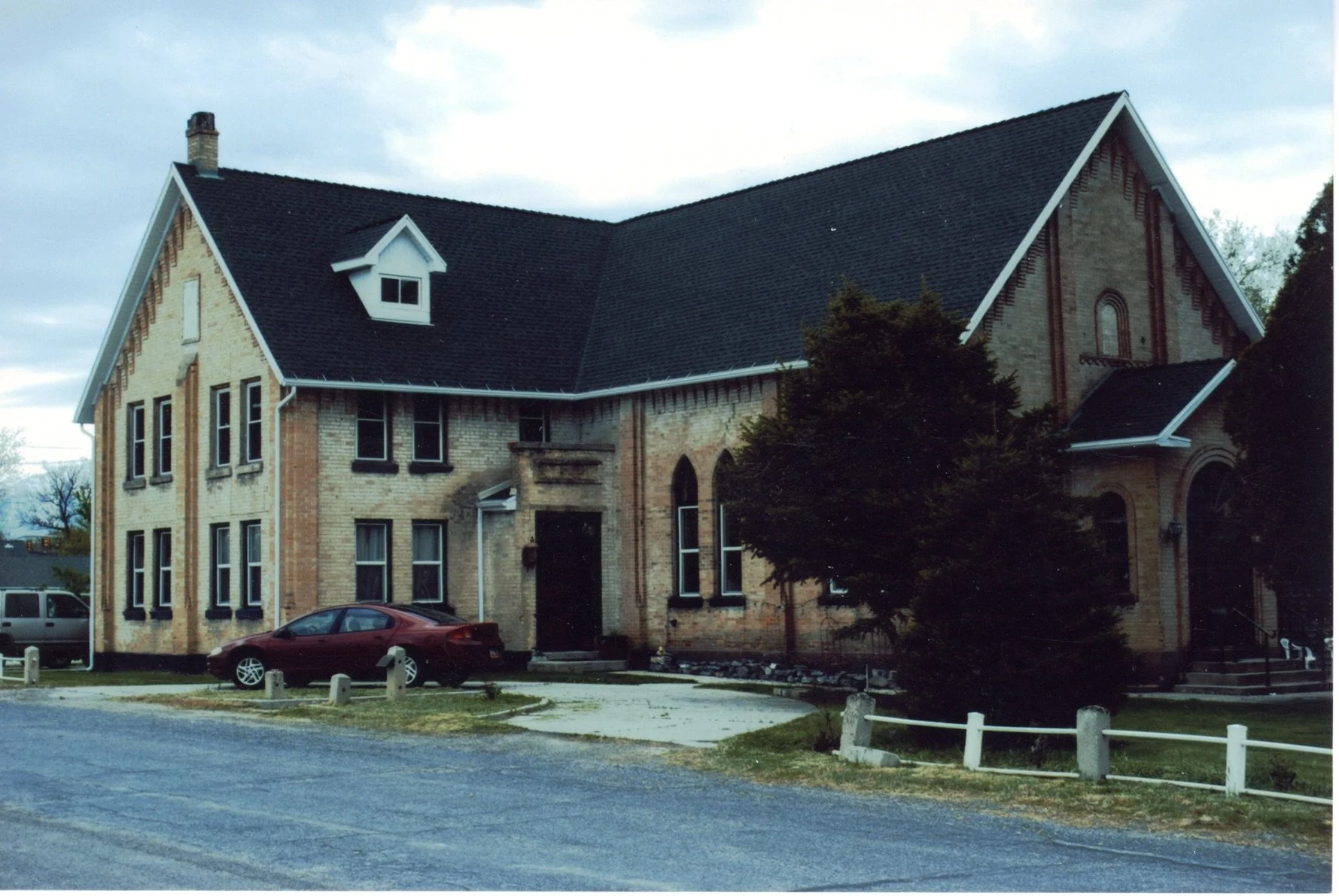
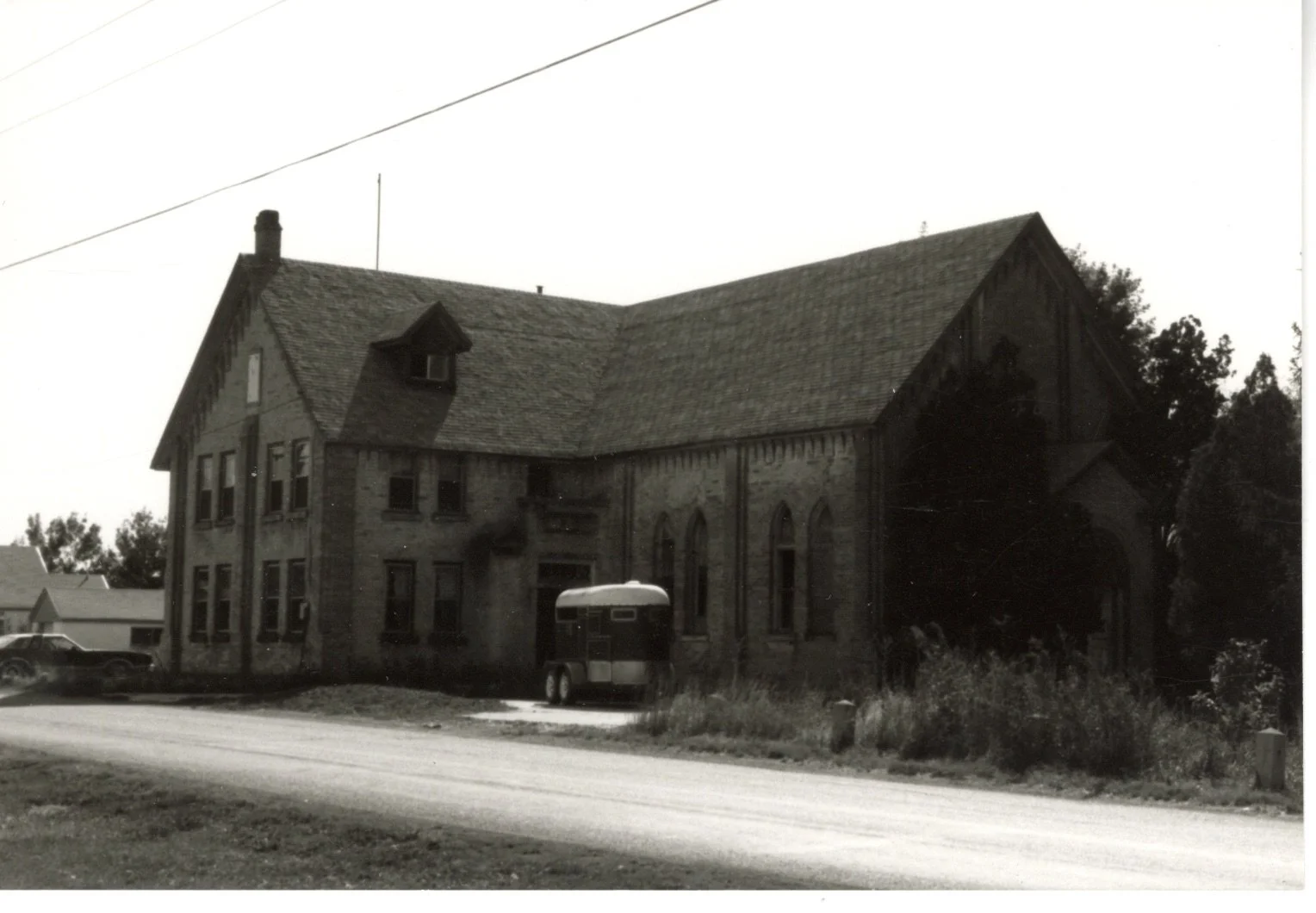
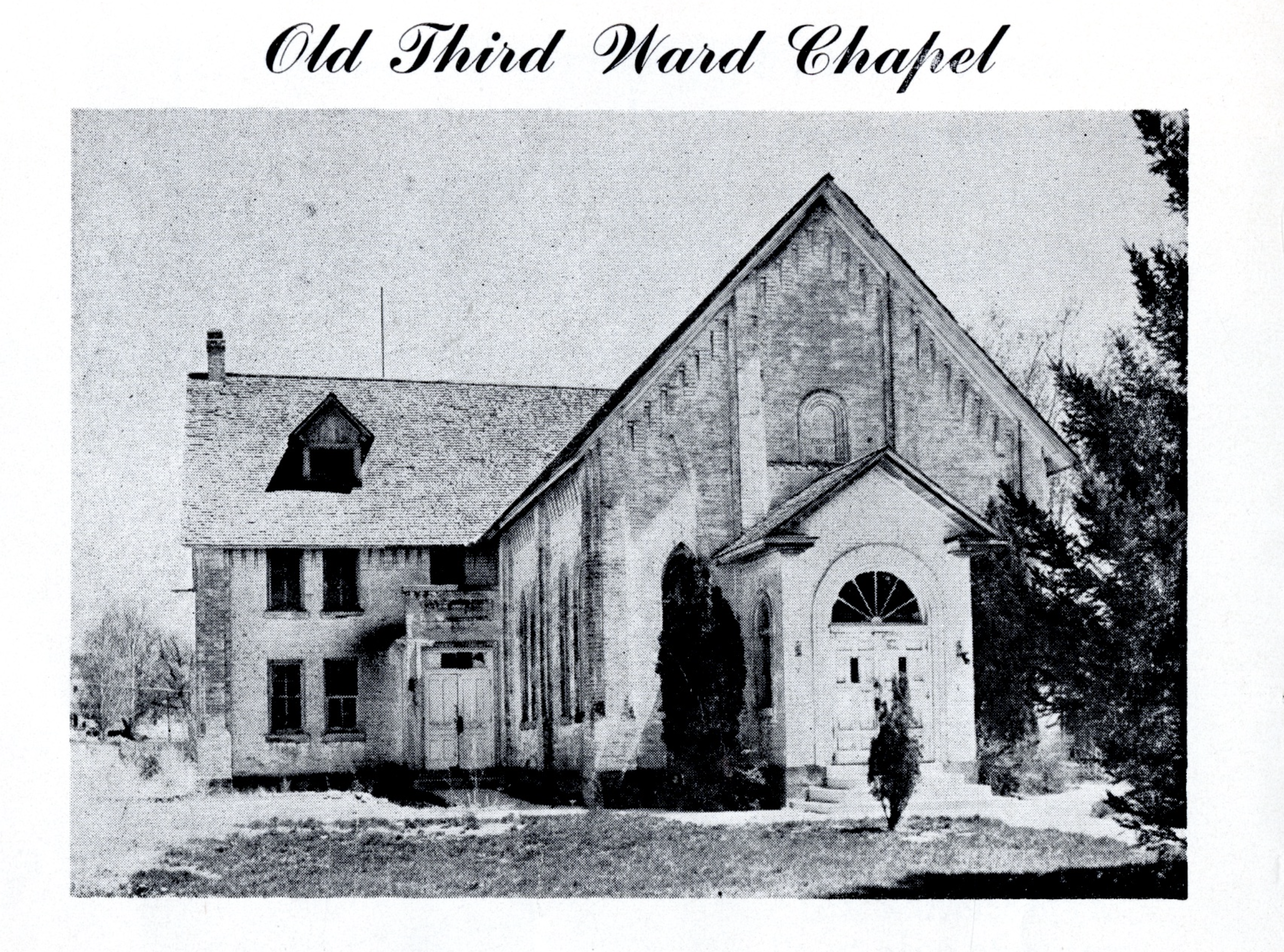
Statistical records of the North Branch at the end of 1894 list 64 families in the area. In 1896 W. W. Clark succeeded Thomas R. Jones as presiding elder. By the end of 1897 the branch membership had increased to 592 souls. Membership continued to expand in the following years; by 1917 it had grown to an extent that the original meetinghouse was no longer large enough to suit the ward’s needs. The building had remained relatively unchanged since its completion; the 1917 renovation nearly doubled the building’s size. A new cross-wing was added to the east end of the building. The addition included new classroom and office space to the building. In 1936, another renovation of the building took place.
In addition to the usual funerals, weddings, socials, and church services, this meeting house of The Church of Jesus Christ of Latter-day Saints was the scene of several unusual events. During the Christmas season of 1896 a Lehi correspondent wrote in the 26 December 1896 Deseret News that a group of tramps broke into the building one evening and “held high carnival, singing and playing upon the organ in tramp style before blowing out the lights and leaving.”
The 31 May 1898 Lehi Banner, noted that a “smart Aleck” Peter Smith, showing off for some girls, rode his horse into the building. Justice John Woodhouse gave him three days in jail to “think over his uncivilized conduct and make better resolves for the future.”
When Lehi was divided into four wards in 1903, the North Branch became the home of the new Lehi Third Ward, under the direction of Bishop Henry Lewis. In 1953, upon completion of the Third/Seventh Ward building one block east, the old Third Ward Meeting House was sold to the Ned Veater family and was converted into a private residence. In 1968, Ross and Jean Lamb family purchased the former church and engaged in an ongoing restoration.
Over the years, local clubs and groups raised funds for trees, playground equipment, rose bushes, fireplaces, tables, large concrete platforms and the like. The park has hosted countless carnivals, family reunions, picnics, concerts and chuck wagon breakfasts. For decades, it has served as the starting point for Lehi’s many parades.
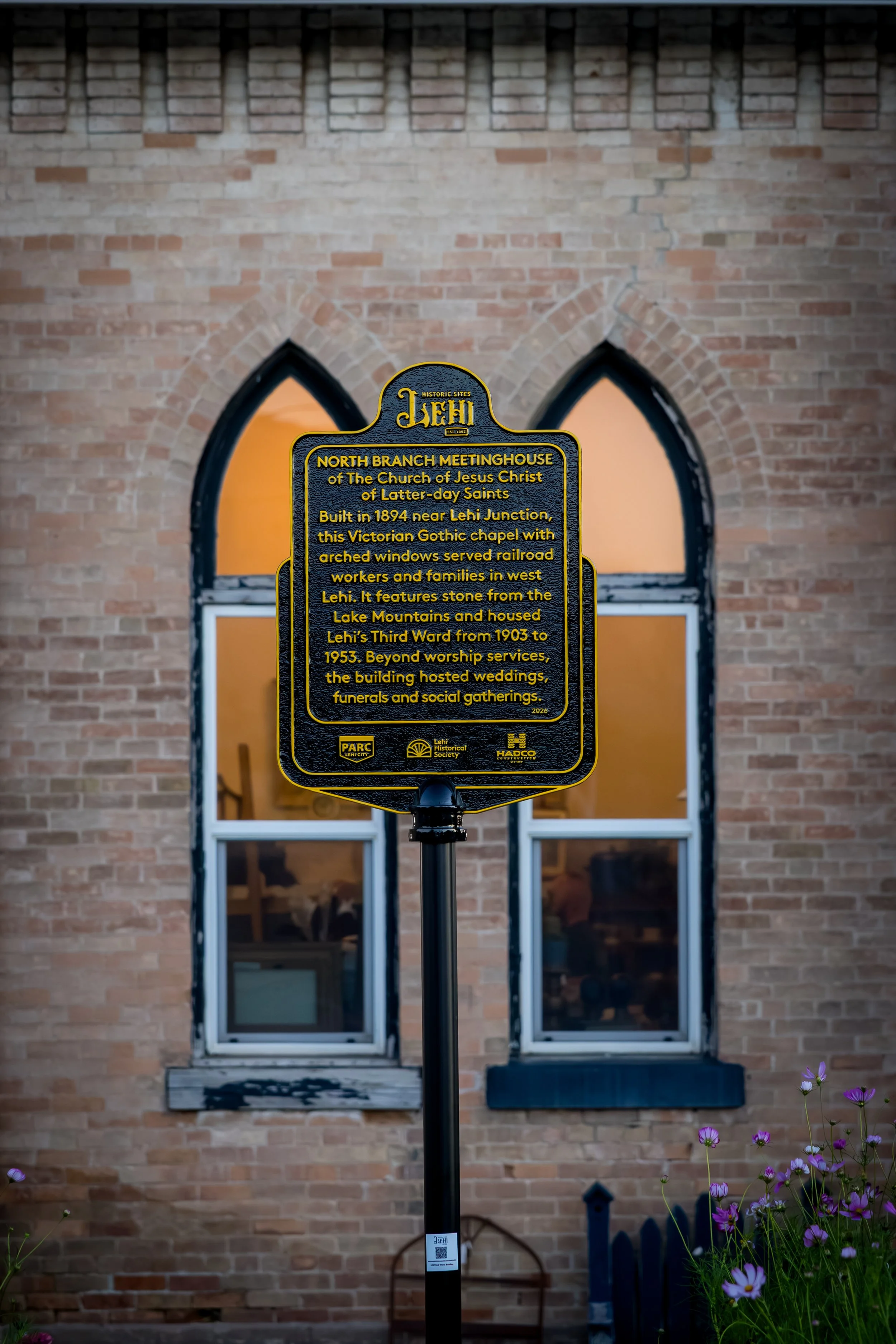
North Branch Meetinghouse Historical Marker Unveiling
Sept. 9, 2026
What a wonderful evening celebrating the North Branch Meeting House of The Church of Jesus Christ of Latter-day Saints! The unveiling of Lehi’s 23rd historical marker brought together history, music, memories and people with special connections to this beautiful 1894 building.
A particularly fitting moment came when current Third Ward Bishop Brett Nielson joined three former Third Ward bishops to unveil the marker—a wonderful salute to the many bishops who have served the branch and ward since its organization in 1903.
1120 N. 500 West Lehi, Utah 84043
MARKER LOCATION