
Smuin Dancing Academy
Since 1913
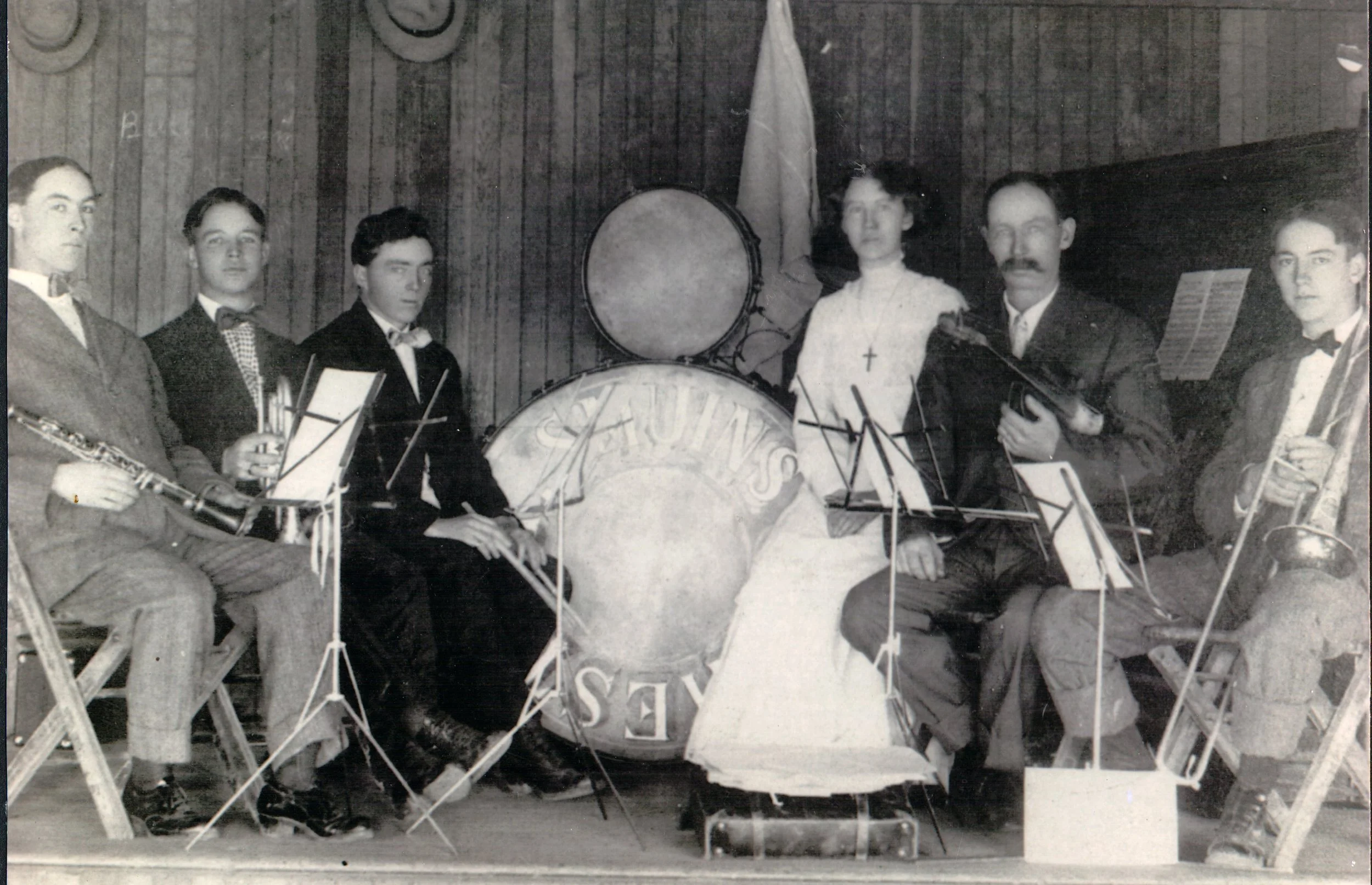
In 1912 the City Park Pavilion (where the rodeo grounds are currently located) was being used for dances and high school basketball games. James B Smuin, who was part of the Smuin Orchestra, played for many of the dances. He also owned a large lot on the northwest corner of Second North and center. When it was announced that the Interurban train would be coming to Lehi, James saw an opportunity and took out a loan to build a dance hall.
Construction began early 1913. The 125 by 62 foot building was constructed of fire brick. It had twenty foot ceilings, separate men’s and women’s restrooms, an orchestra stand on the north end and two balconies running the full length of the building. It was steam heated and cooled with 52 windows and a large electric fan located on the north wall. An ad in the 25 July 1914 edition of the American Fork Citizen announced, “Think how cool – 52 openings and electric fans. No other hall like it. You don’t have to sweat to have a good time here.” The 92 by 48 foot dance floor was the building’s most attractive feature. It was supported by 45 large steel springs which when danced upon “seemed to sway with the band as though it had life in itself.”
The grand opening dance was on Halloween night of 1913 with music provided by the Smuin Orchestra. The new dance hall was an immediate success. Excursions from all over Utah Valley were made to try out the new dance floor. Not only was it used for dances, it was also used for parties, celebrations, wrestling matches and community basketball games. The high school began using the building for their dances and basketball games also until the new high school was built in 1921. Playing basketball on the spring floor took some getting used to as Dick Smuin, James’ grandson noted while playing basketball on the battleship Biloxi in 1945. He wrote, “It’s like playing on the old spring dance floor at the old Smuin Dancing Academy in Lehi, to play a game aboard ship. But you soon get used to it and find yourself gauging your shots with the moving of the basket.”
In August 1915, a near tragedy was averted when a fire broke out in the wood pile and buggy shed in back of the Dancing Academy during a Friday night dance. It was a mystery on how the fire started, because James was in the habit of giving everything a “good soaking” before the dances to prevent such an incident. Thankfully, the fire department was able to respond quickly and extinguish the fire though several people remarked that hearing the band playing while the fire raged was reminiscent of the band playing while the Titanic went down.
When the new high school was built across the street, James Smuin lost some business. He saw another business opportunity and opened the Smuin Confectionery next to his dancing academy to provide food for the high school students. Over the years his confectionery stand was upgraded to an eatery named The Tavern.
Around 1930, roller skating was introduced to the Smuin’s Dancing Academy building. Unfortunately, the loud organ was not popular with the residents that lived nearby who couldn’t sleep through it. A petition was presented to the city council trying to get them to do something about it. as a result, the closing hour of the rink was moved up and the music was toned down.
The Depression was hard on the dance hall business. In the Fall of 1931, Keith Hunter and M. R. Howard leased the building and renamed it the LaVeda Hall. They continued the best they could with dances and rollerskating. To help out the citizens of Lehi, the management of the LaVada held a “Hard Time Ball”. They announced, “For your ticket bring vegetables, fruits, grain or any foodstuff that you might have equivalent to fifty cents. Extra ladies are to bring something that will amount to ten cents, such as jelly of anything you might have.” All donations were turned over to the five ward relief societies to be given to the poor.
In 1932, the building changed ownership again When Earnest Larsen picked it up and renamed it the DansArt. The DanArt continued as a dance hall until it went out of business during World War II. To help relieve the housing crisis during the post-war years, the building was converted in to 20 apartments in 1949. It was known as the DansArt Apartments for many years. The name was later changed to the Royal Arms Apartments and then the Victorian Apartments.
In 1990, the old dance hall building was renovated from apartments into the Colonial Manor Retirement Inn. The building received new owners in March 1999 and the name was changed to Greenwood Manor. In 2011, the ownership and name was changed once again to Abbington Manor.
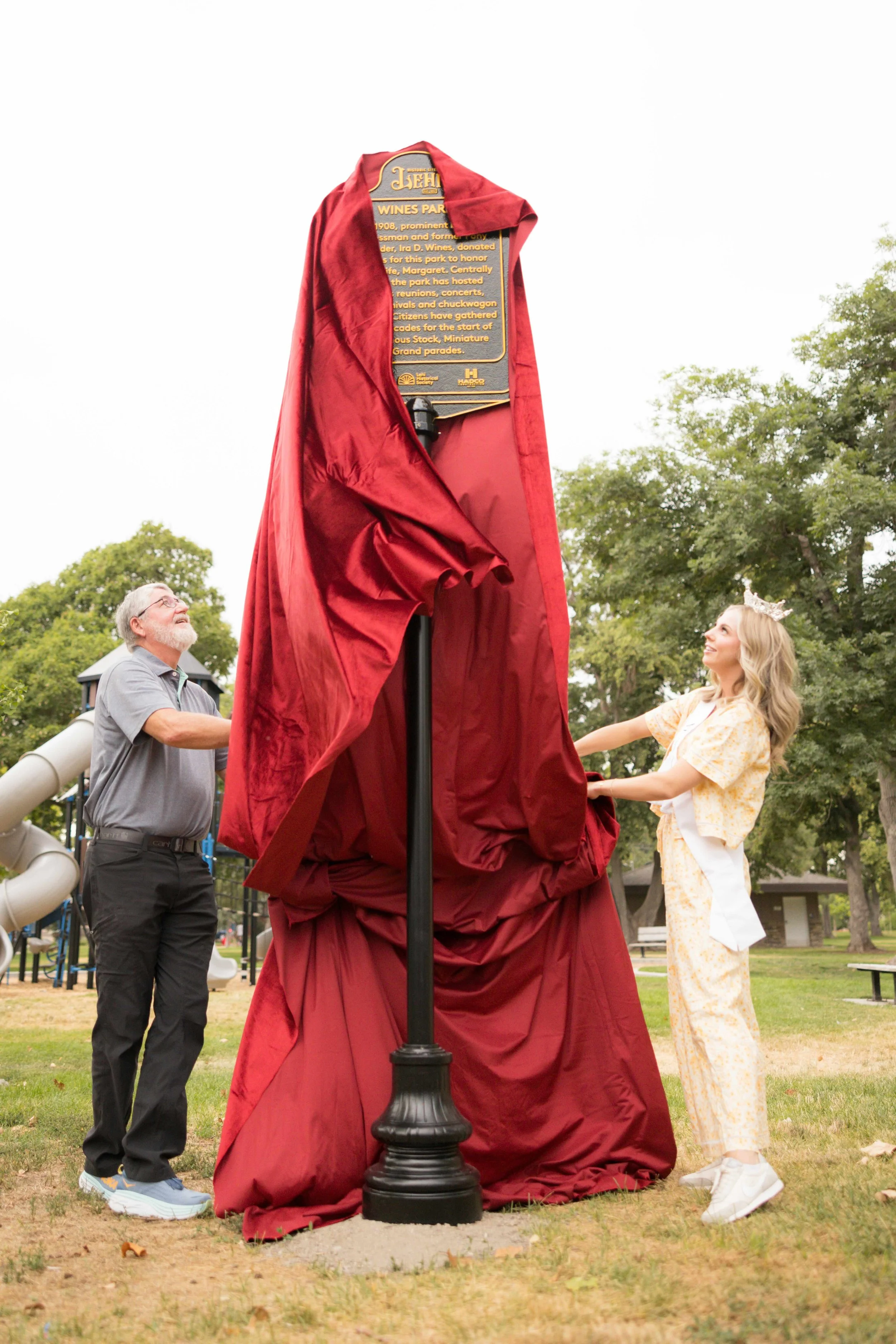
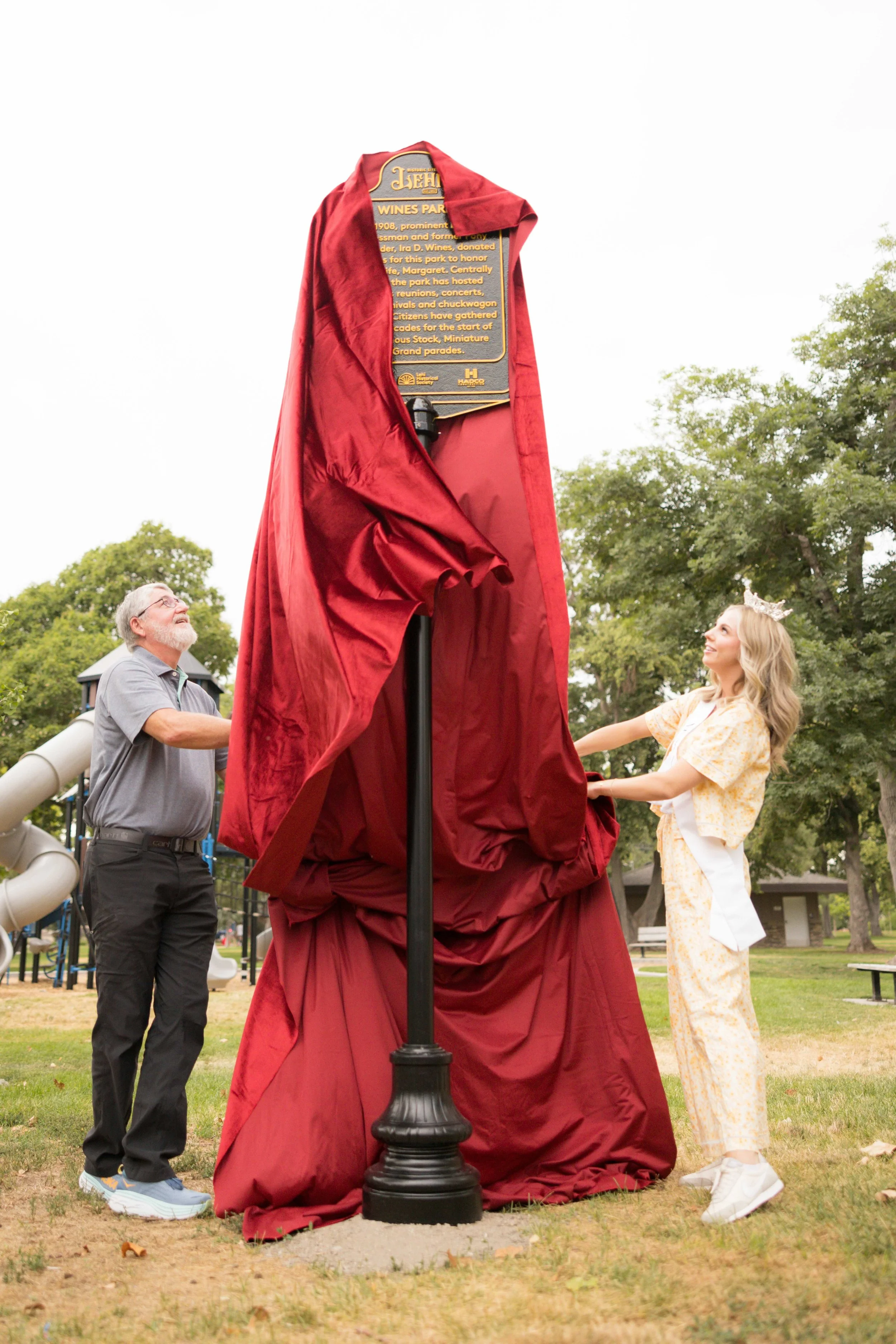
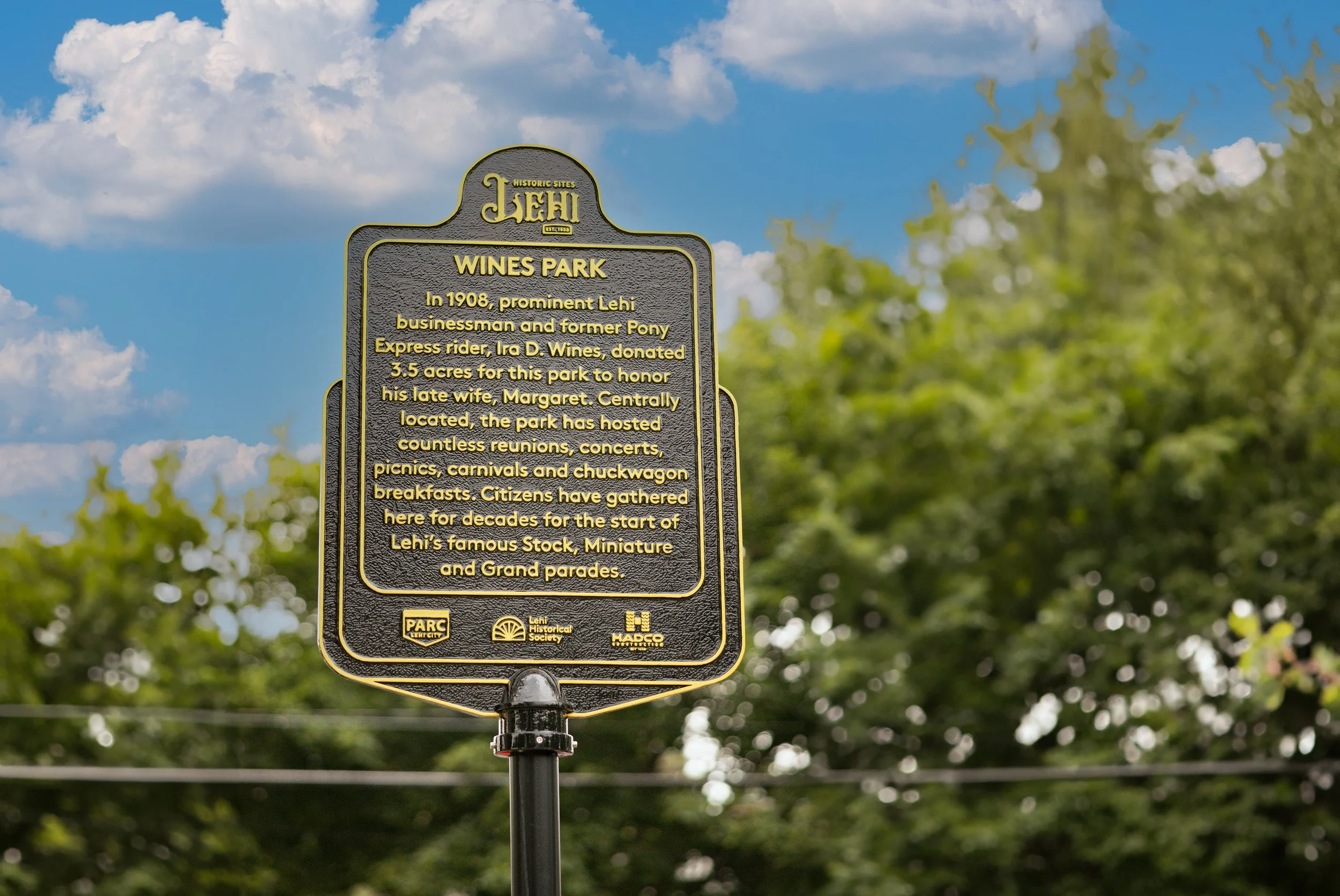
Margaret Wines Park Historical Marker Unveiling
July 18, 2024
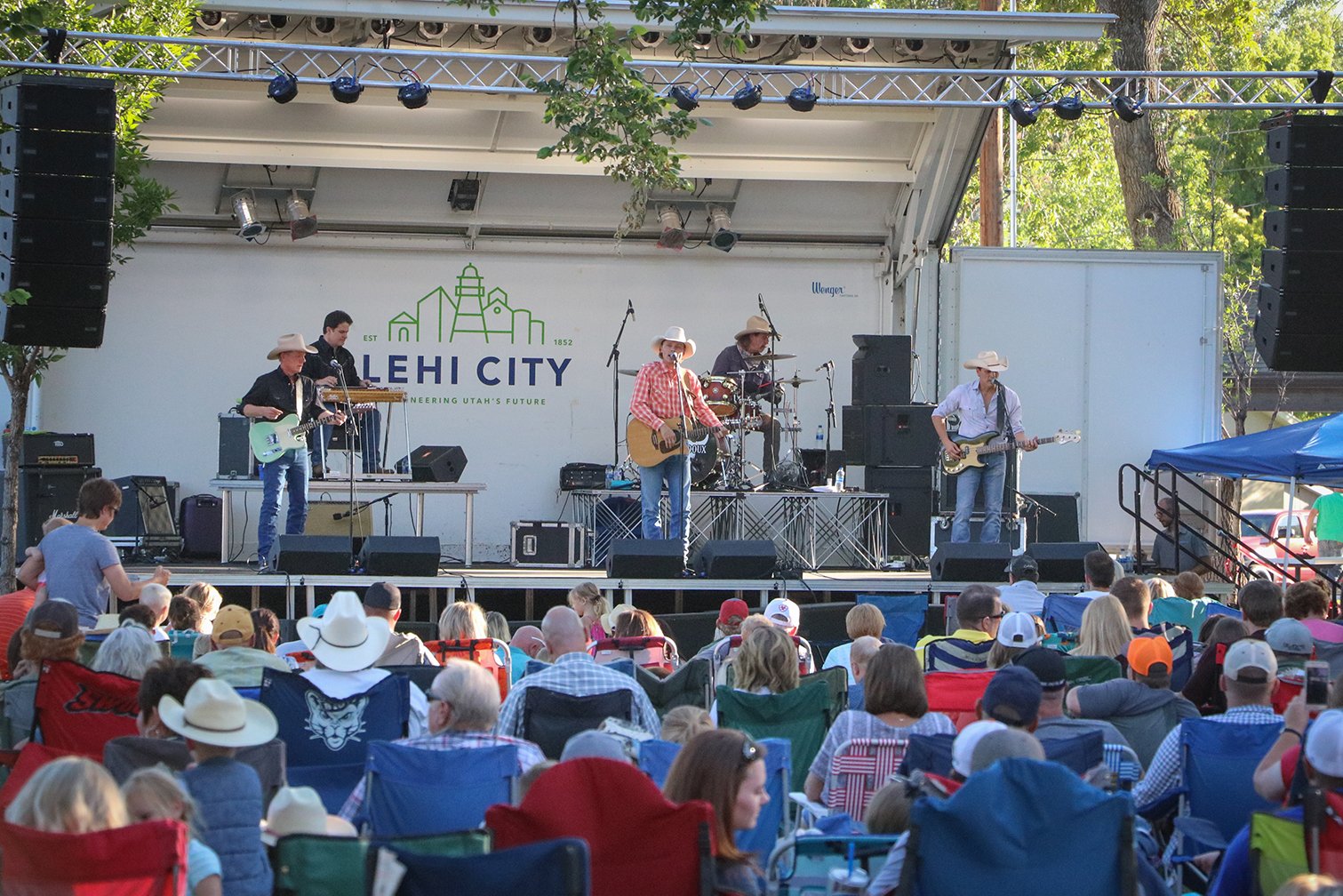
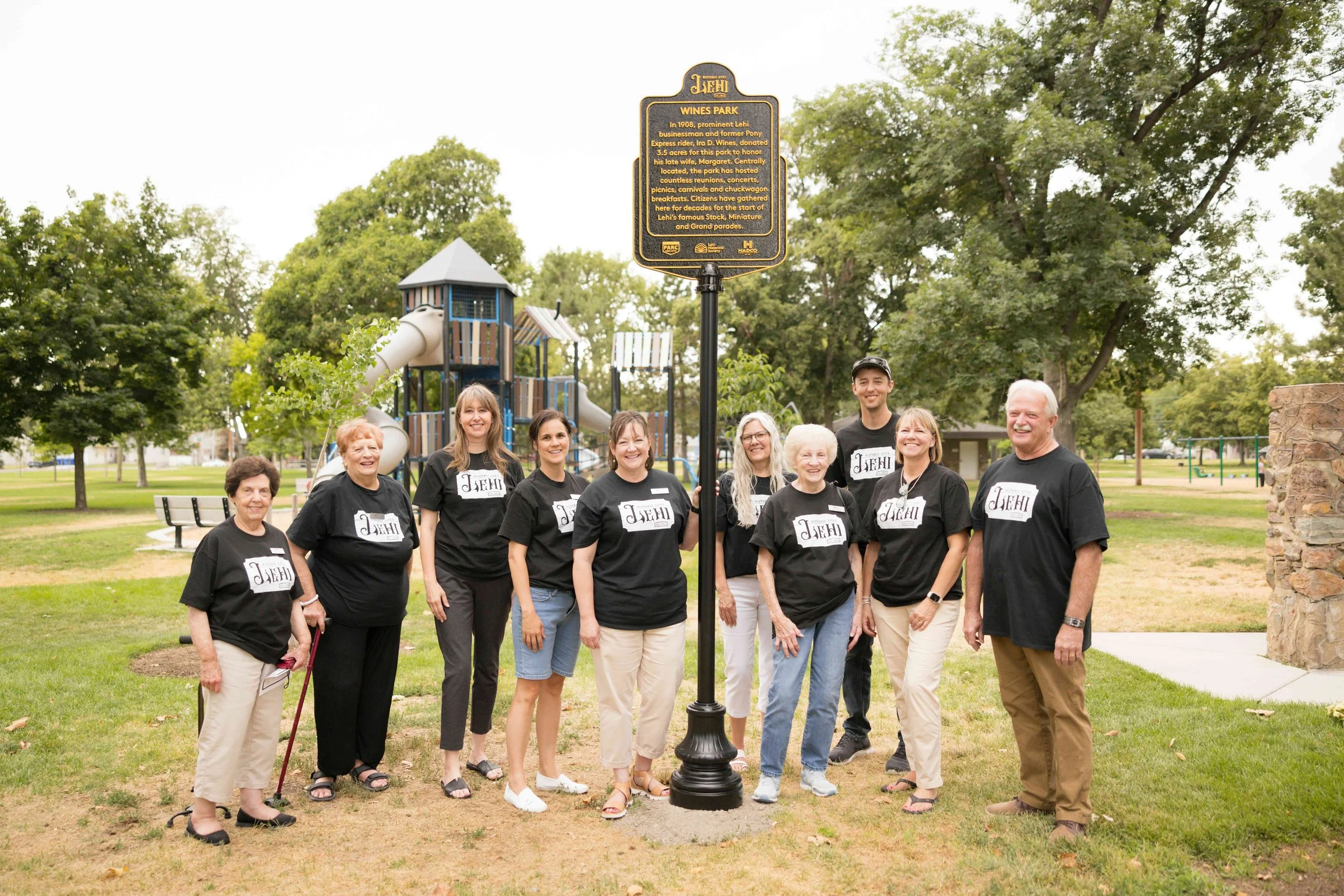
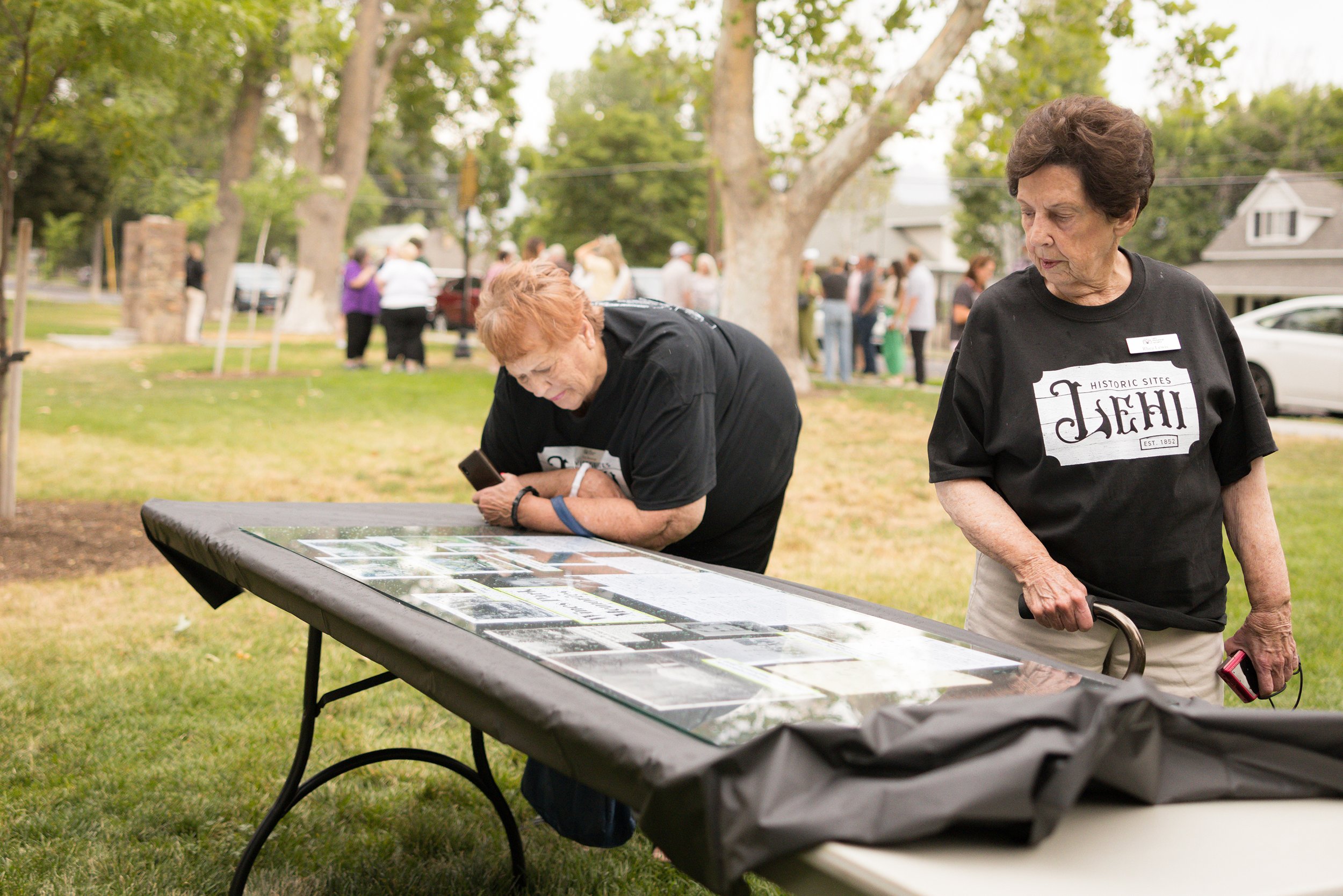
Fifty people gathered to honor Margaret Wines Park, Lehi’s oldest existing park and center of many Lehi celebrations. The park was created in 1908, when Ira D. Wines gifted the land to the city if it would maintain it as a park in honor of his late wife, Margaret. The park is Lehi’s oldest existing park and the center of many of Lehi’s celebrations.
City Councilwoman Michelle Stallings paid tribute to the many local groups and clubs that have funded trees, playground equipment, rose bushes, fireplaces, tables, concrete platforms and drinking fountains. “Even though this park began as a gift by one man,” she said, “it became a gift by many over the years.”
The marker is the second of the Lehi Historical Marker Program.
-
![]()
Unveiling of the Wines Park marker
-
![]()
Historical Society
-
![]()
Wines Park Historical unveiling event
-
![]()
Wines Park Historical Marker
100 East 600 North Lehi, Utah 84043
MARKER LOCATION