
Orion Porter Rockwell
1813-1878
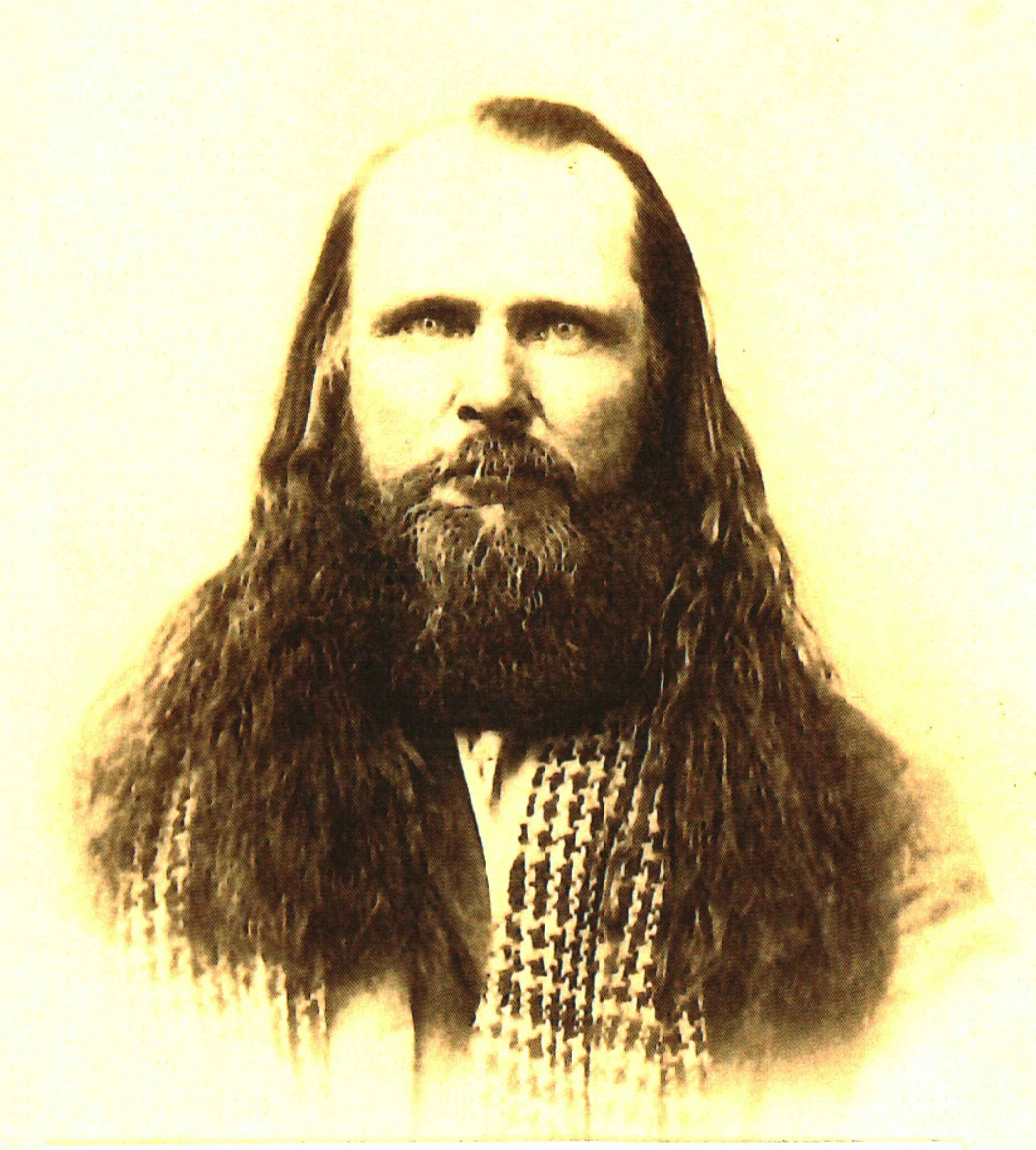
Orrin Porter Rockwell was born 28 June 1813 in Belcher, Massachusetts. When Porter’s family moved to Manchester, New York, he became good friends with Joseph Smith Jr. even though Joseph was eight years older than him. Joseph shared his religious experiences with the Rockwell family and they were converted to the new religion. Porter was one of the first to be baptized a member of the Church of Jesus Christ of Latter-day Saints.
Persecution of the Saints began almost immediately and Porter was not immune to it. In 1833, the Porter and his father ran a ferry at Big Blue Settlement in Jackson County, Missouri. On November 4th, the settlement was attacked by a mob and their home was destroyed. They were forced to flee the state with the other Saints into Illinois. Porter, his wife and three children made their home in Nauvoo.
On 6 May 1942, Missouri governor Lilburn Boggs was shot by an unknown assassin. Due to his poor relationship with the members of the Church of Jesus Christ of Latter-day Saints, (he signed the “Extermination Order” that forced the Saints out of Missouri) it was assumed Porter Rockwell did it. A warrant was issued for Porter and on 4 March 1943, Porter was arrested.
He spent the next nine months being moved from jail to jail while being threatened, tortured and starved. He was kept in leg irons most of the time. Once his captors tried to use him to capture Joseph Smith and offered him his freedom and any amount of money he desired. Porter replied, “I will see you all damned first, and then I won’t.” Finally in December, he was tried for his supposed crime, found not guilty and released. He was told to sneak home by night or he would be killed by the mob.
Porter walked most of the way arriving in Nauvoo on Christmas evening. Joseph Smith was having a party at his home at the time when a long haired stranger walked in. Joseph asked the captain of police to throw him out and a scuffle ensued. During the scuffle, Joseph was able to get a good look at the stranger’s face and realized to his great surprise and joy that it was his good friend Porter.
Unfortunately, persecution against the Saints increased and Joseph and his brother Hyrum were jailed in Carthage, Missouri. Joseph told Porter to stay with the rest of the Saints, but when Porter realized Joseph and Hyrum were in danger, he and Gilbert Belnap rushed to Carthage. As they neared the town they were met by a friend in a buggy being chased my several members of the mob. Porter and Gilbert drove them back with their rifles. After Porter was told that Joseph and Hyrum had been murdered, he rushed back to Nauvoo. When Joseph’s oldest boy met him at the Mansion House, Porter could not compose himself and sobbed, “Oh Joseph, Joseph, they have killed the only friend I ever had.”
When the Saints were driven out of Nauvoo, Porter served as scout for Brigham Young’s party crossing the plains to Utah. He made several other trips across the plains escorting other companies to Utah and missionaries traveling to Europe. Porter was one of three men who rode 413 miles from Fort Laramie to Salt Lake City warning of Johnston’s Army approaching Utah. He, along with others, harassed the army so much that they had to spend the winter at Fort Bridger, buying time to negotiate the army’s peaceful entry the following spring.
In 1949, Porter was appointed a deputy marshal for the Provincial State of Deseret, which position he held for the rest of his life. Countless stories have been written about his exploits as a lawman, and some of them are true. It is true that he killed some men in the performance of his duty as a lawman or in self defense, but there is no proof that they were killed outside of the law. Outlaws and criminals hated and feared him because he could out gun them, out ride them, and could track them to whatever hole they were hiding in.
In 1966, two men from American Fork went to the Great Salt Lake to get some salt. As they were returning they shot a steer with the intent to take it home to eat. Something frightened them off and they fled leaving the carcass behind. Unfortunately for them, the steer happened to belong to Porter Rockwell. When Porter learned what had happened, he began to track them “with a keen scent”. The trail led him to American Fork where he confronted the two men. When the men realized who the steer belonged to they owned up and agreed to pay four times the worth of the steer.
Porter worked for the Wells Fargo Express Company to protect the stage line from Salt Lake City westward. When horses became injured and could no longer be used to pull the stage, Porter would buy the mares and breed them with his well-bred stallions he kept on his ranch in Skull Valley. The colts were in demand and sold at a good price. He also owned the Hot Spring Brewery Hotel located at the Point of the Mountain in Draper.
On the evening of Saturday 8 June 1878 Porter attended the theater. The following morning, he was seized with a “congestive chill”. That afternoon he had another “congestive chill” and died about 6:00 PM at the age of 65. Throughout his life Porter had three wives: Olive Beebe, Mary Ann Neff and Christina Olsen. He was the father of fifteen children.
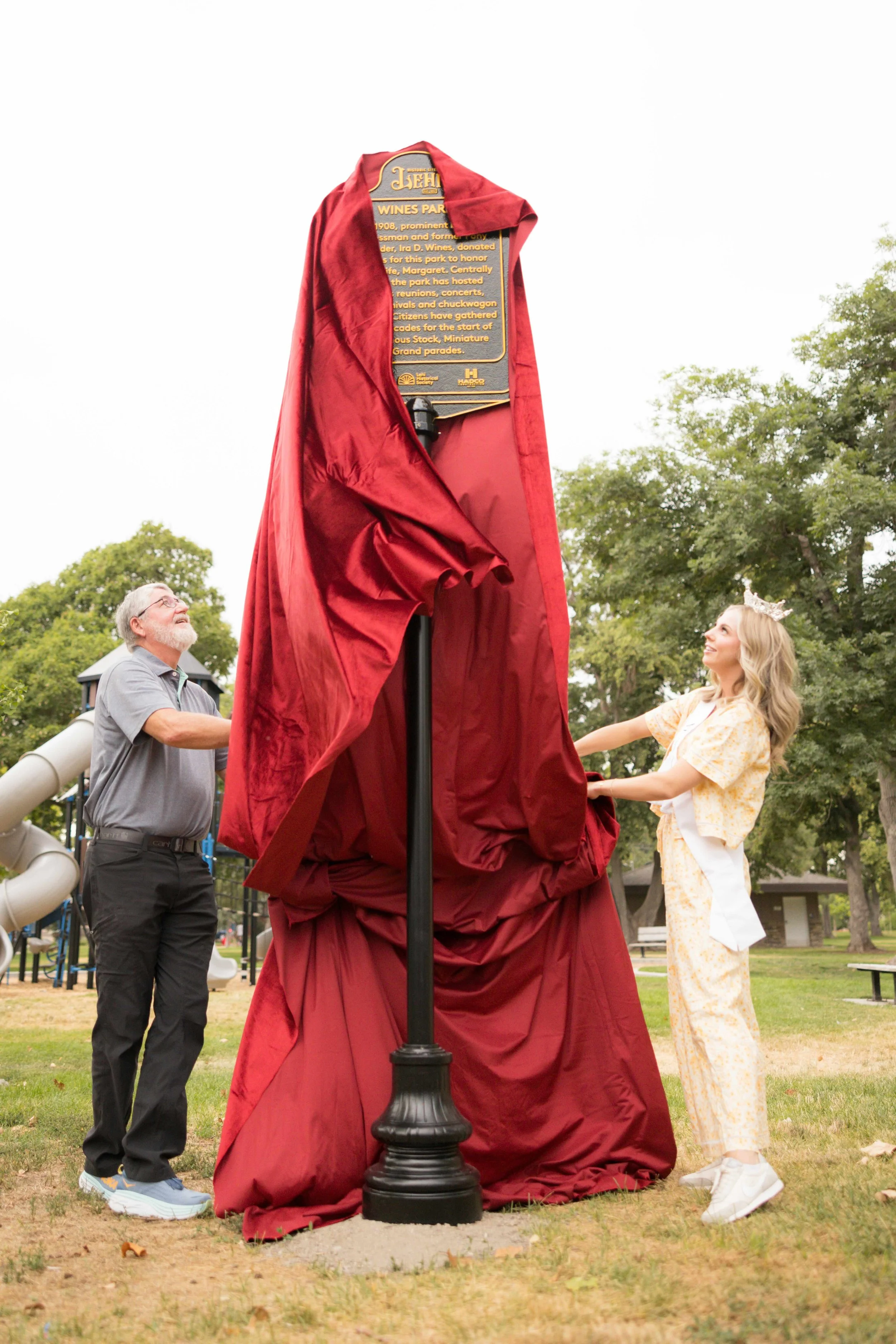
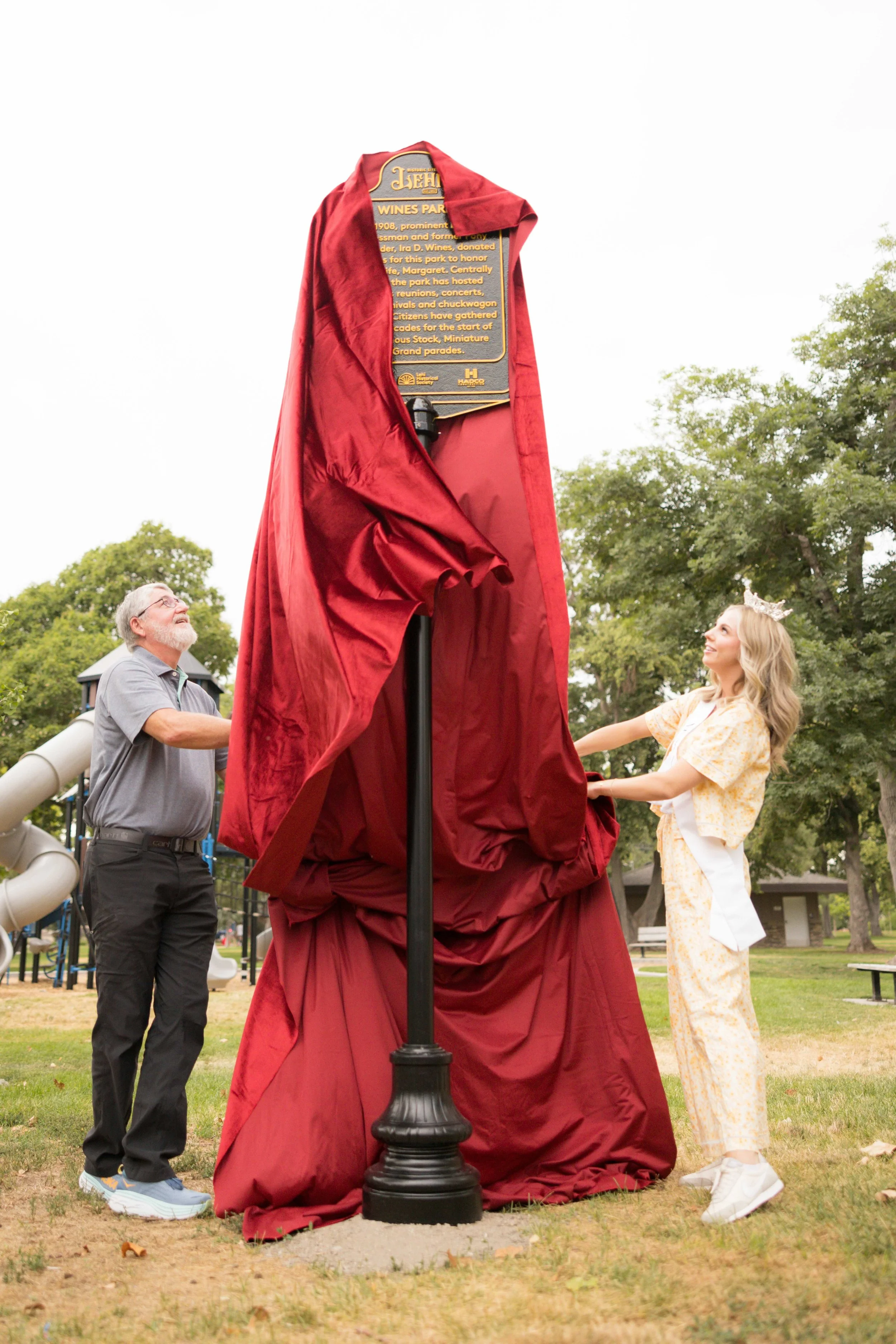
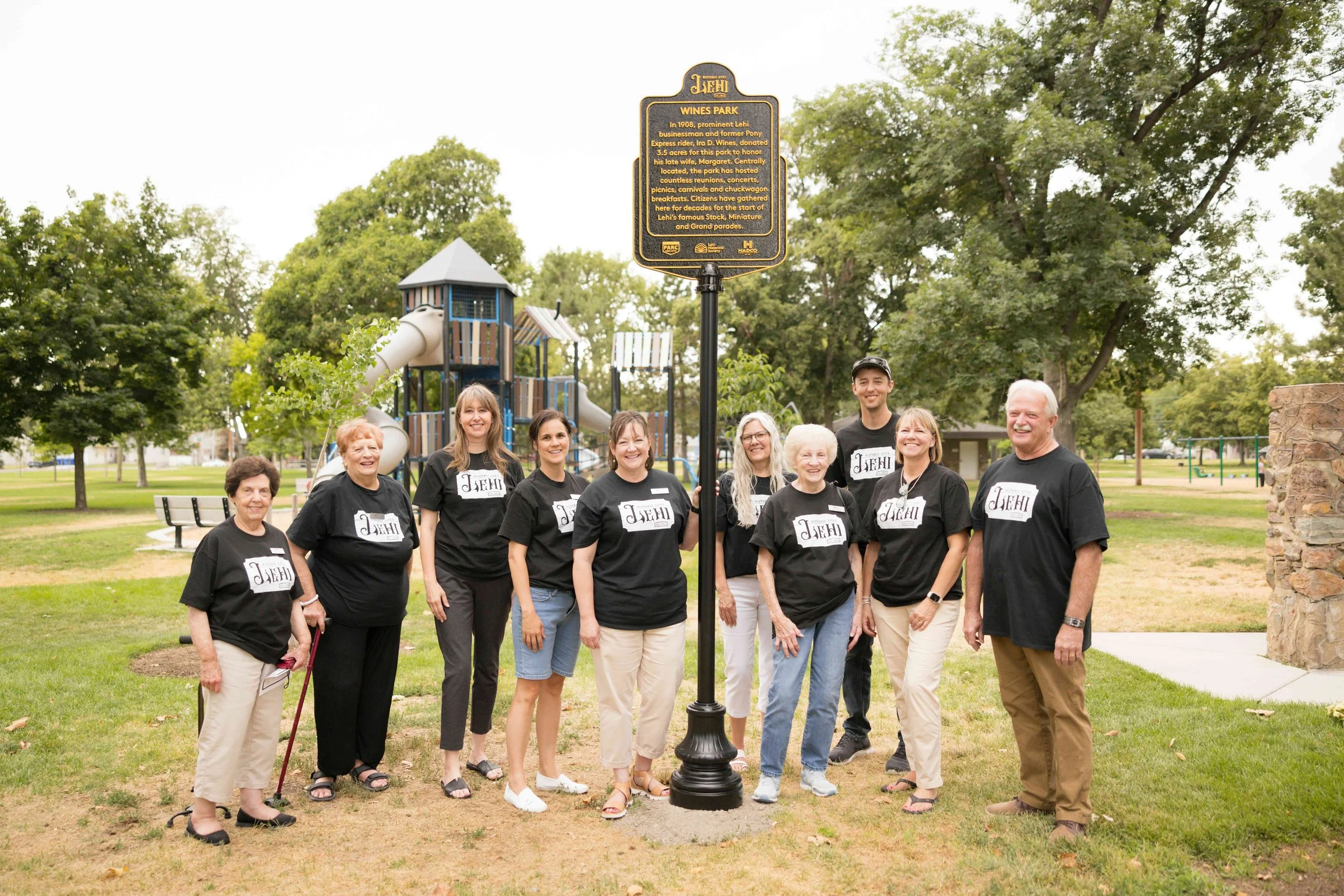
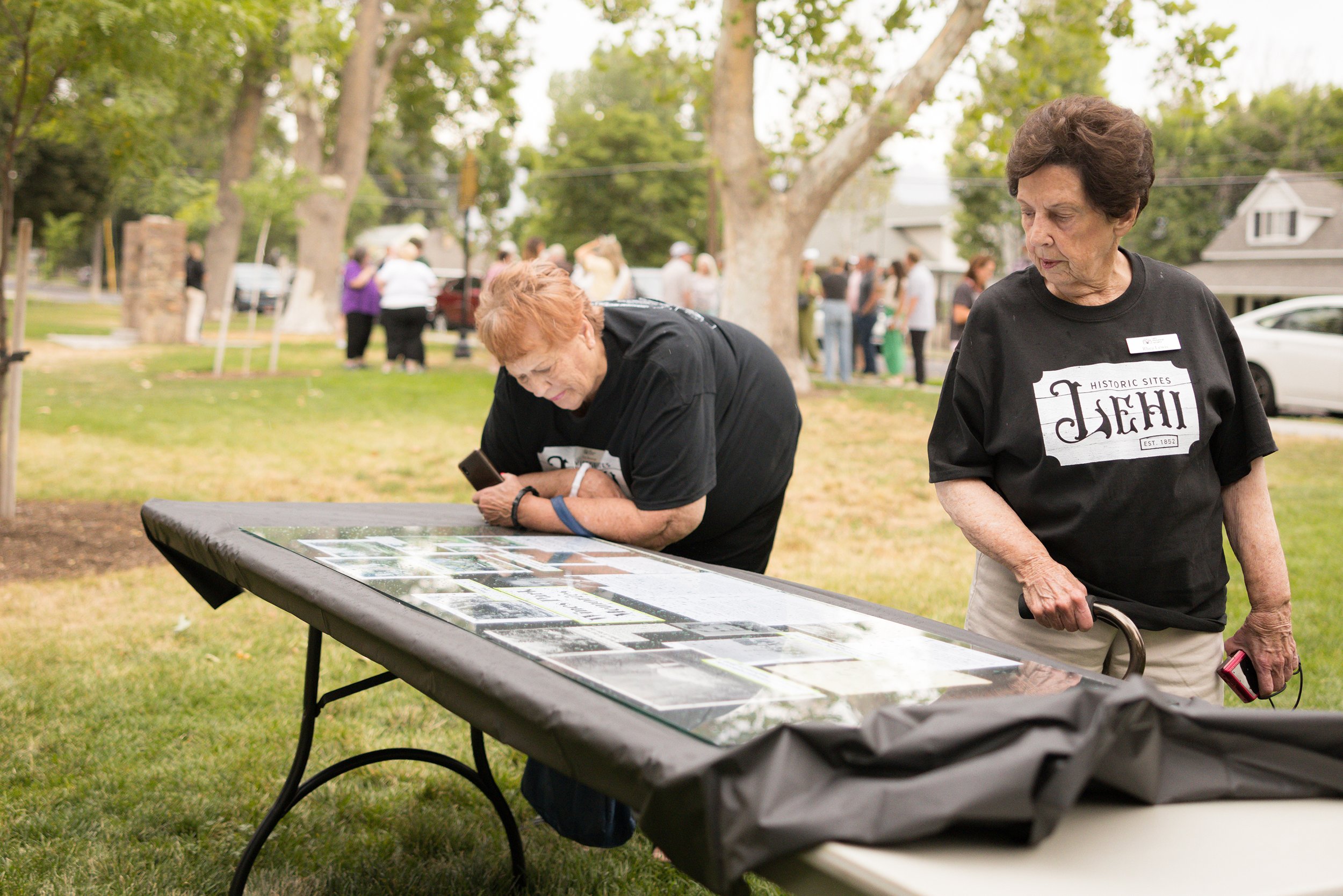
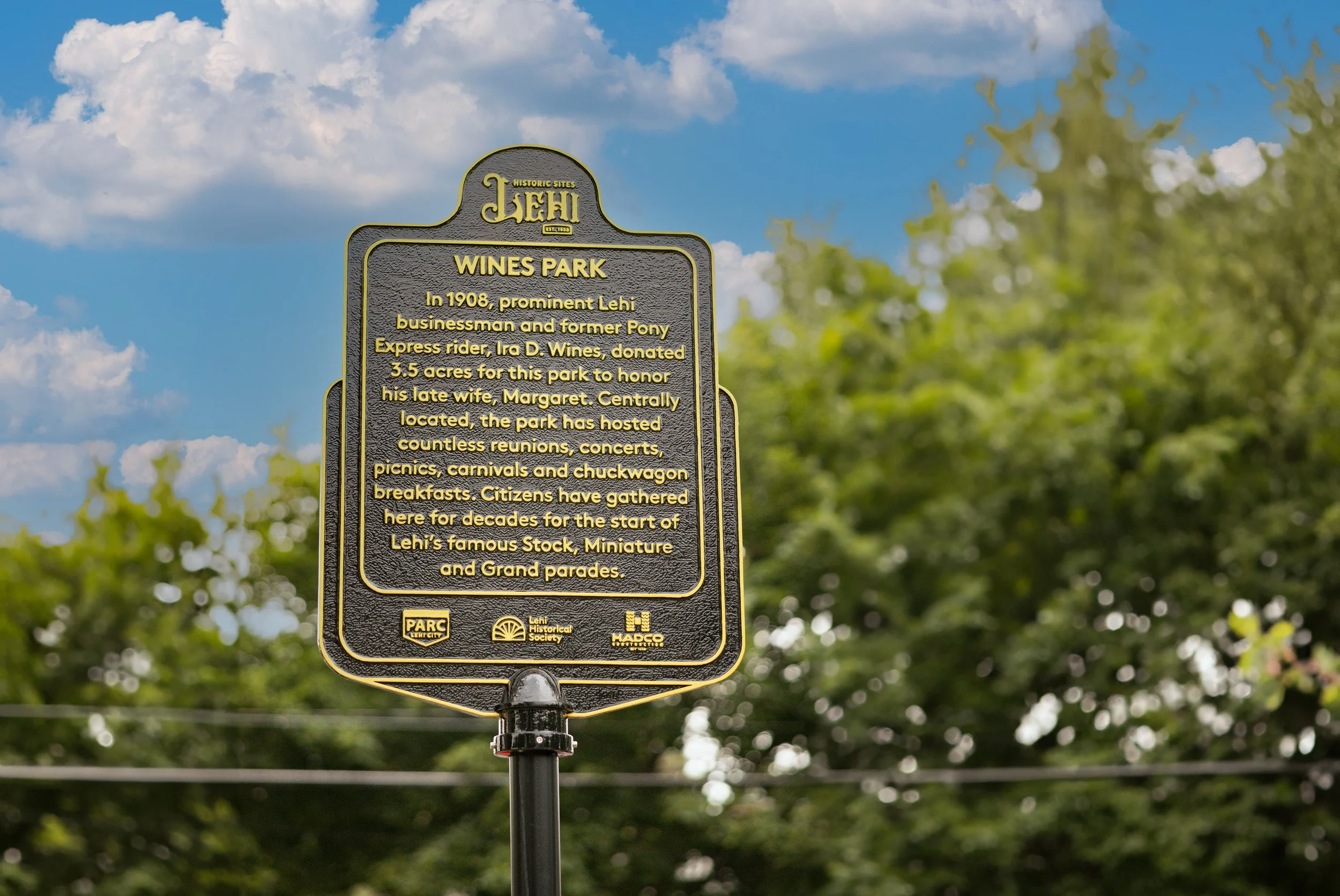
Margaret Wines Park Historical Marker Unveiling
July 18, 2024
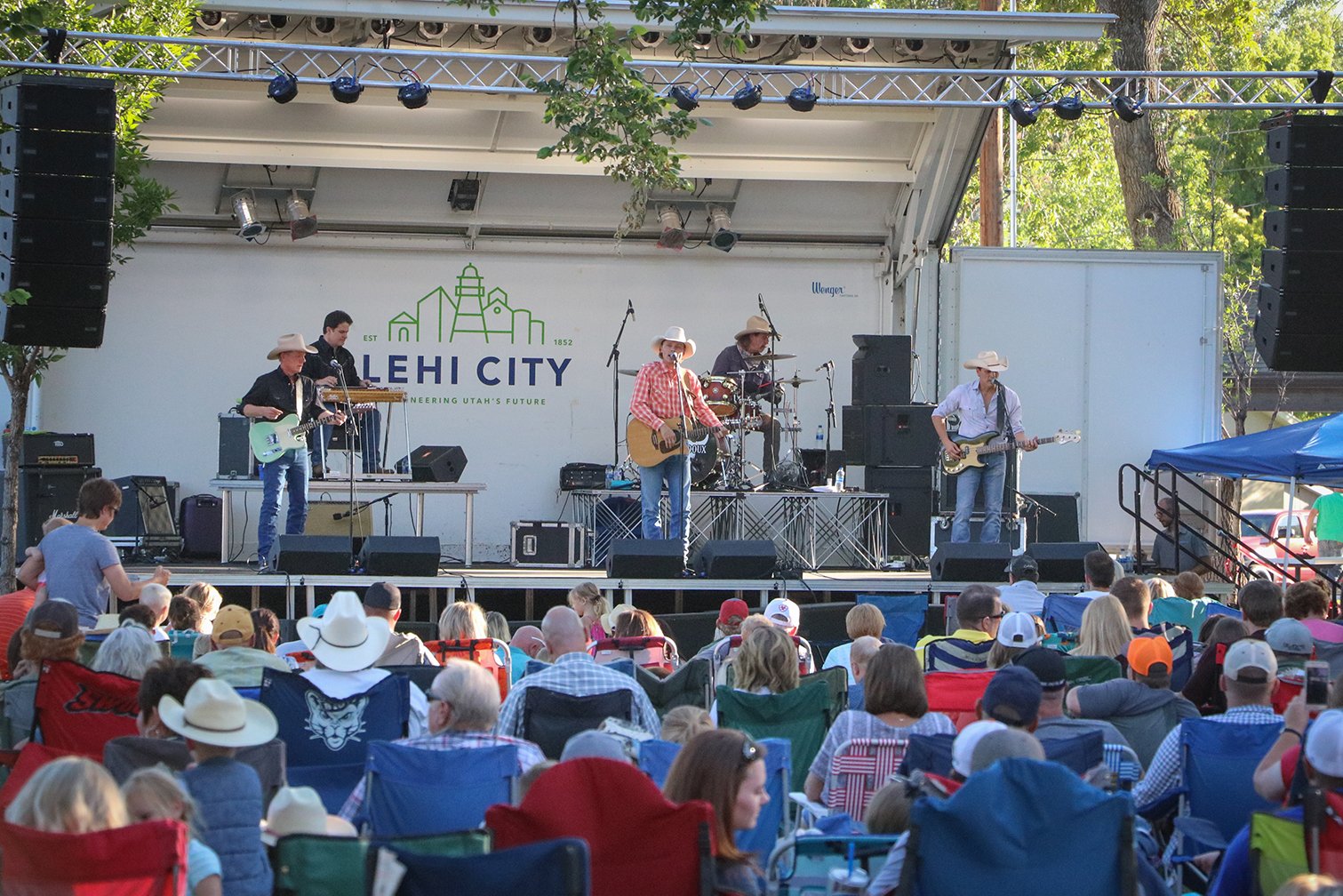
Fifty people gathered to honor Margaret Wines Park, Lehi’s oldest existing park and center of many Lehi celebrations. The park was created in 1908, when Ira D. Wines gifted the land to the city if it would maintain it as a park in honor of his late wife, Margaret. The park is Lehi’s oldest existing park and the center of many of Lehi’s celebrations.
City Councilwoman Michelle Stallings paid tribute to the many local groups and clubs that have funded trees, playground equipment, rose bushes, fireplaces, tables, concrete platforms and drinking fountains. “Even though this park began as a gift by one man,” she said, “it became a gift by many over the years.”
The marker is the second of the Lehi Historical Marker Program.
-
![]()
Unveiling of the Wines Park marker
-
![]()
Historical Society
-
![]()
Wines Park Historical unveiling event
-
![]()
Wines Park Historical Marker
100 East 600 North Lehi, Utah 84043
MARKER LOCATION