
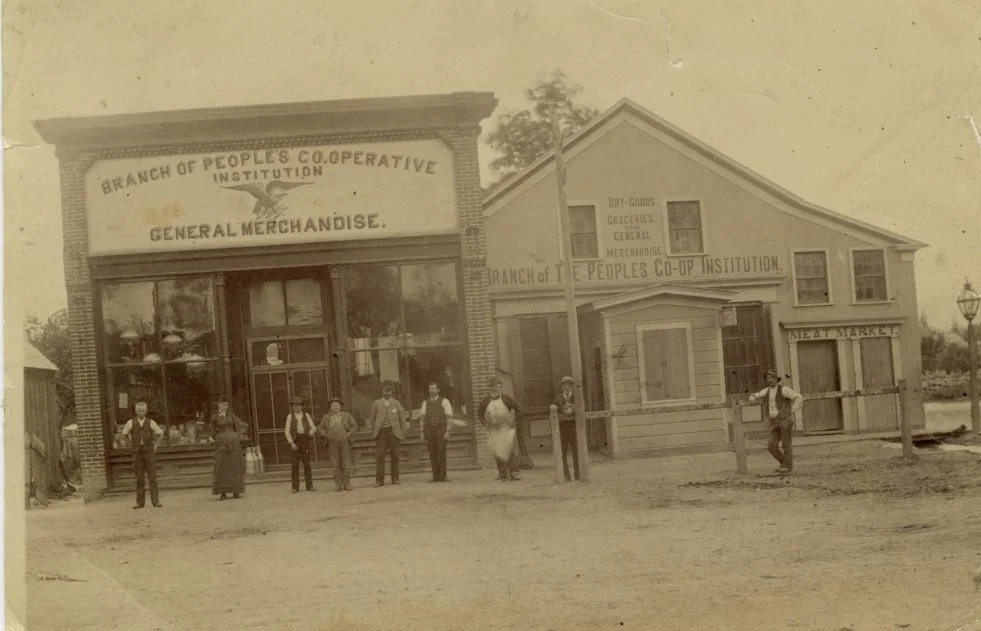
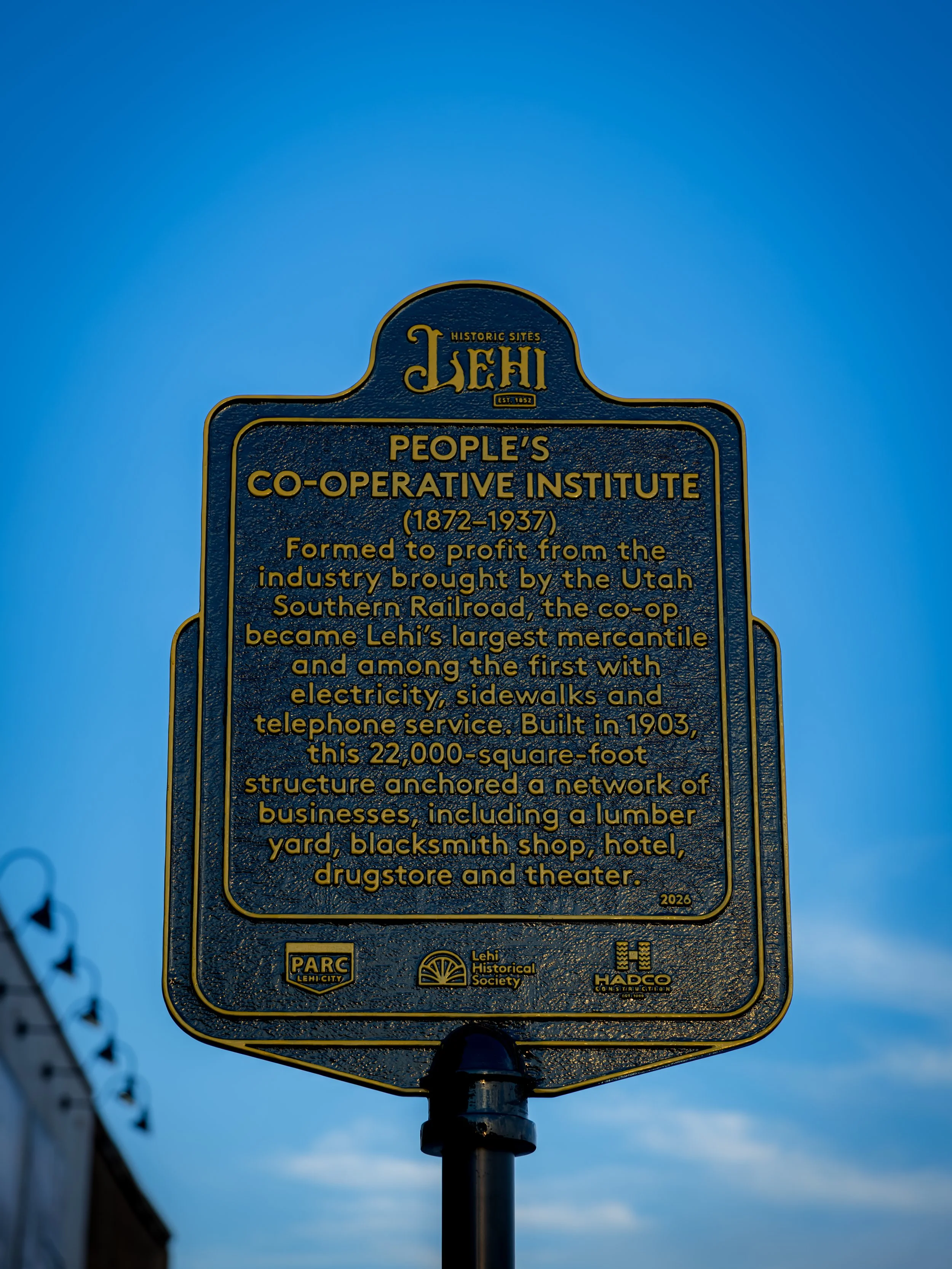
People’s Co-operative Institution
1872–1937
151 East State Street, Lehi, UT
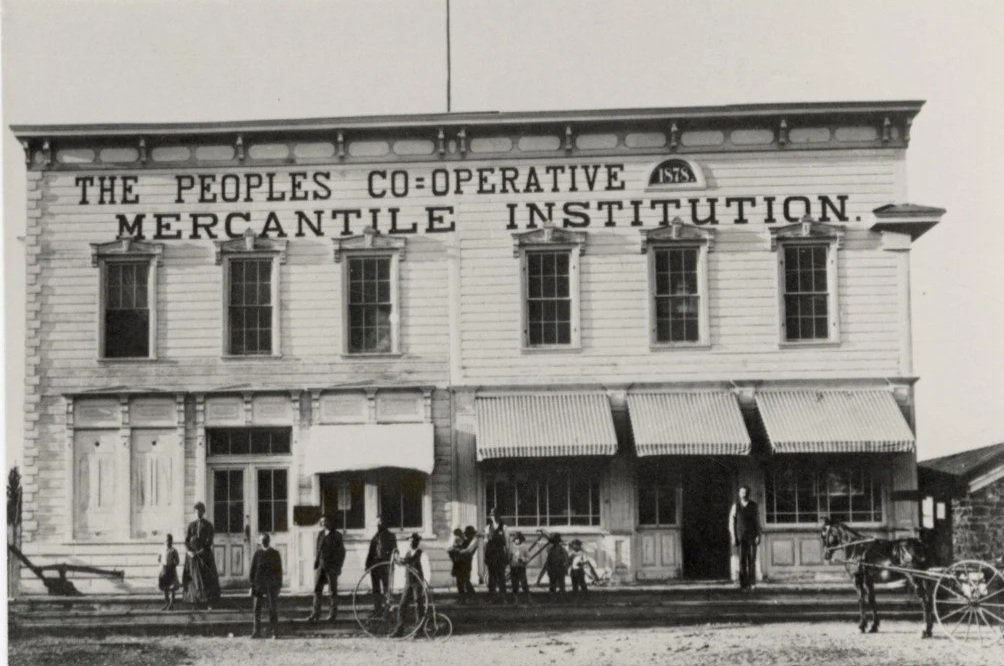
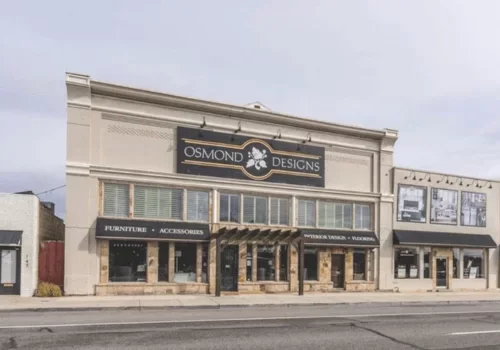
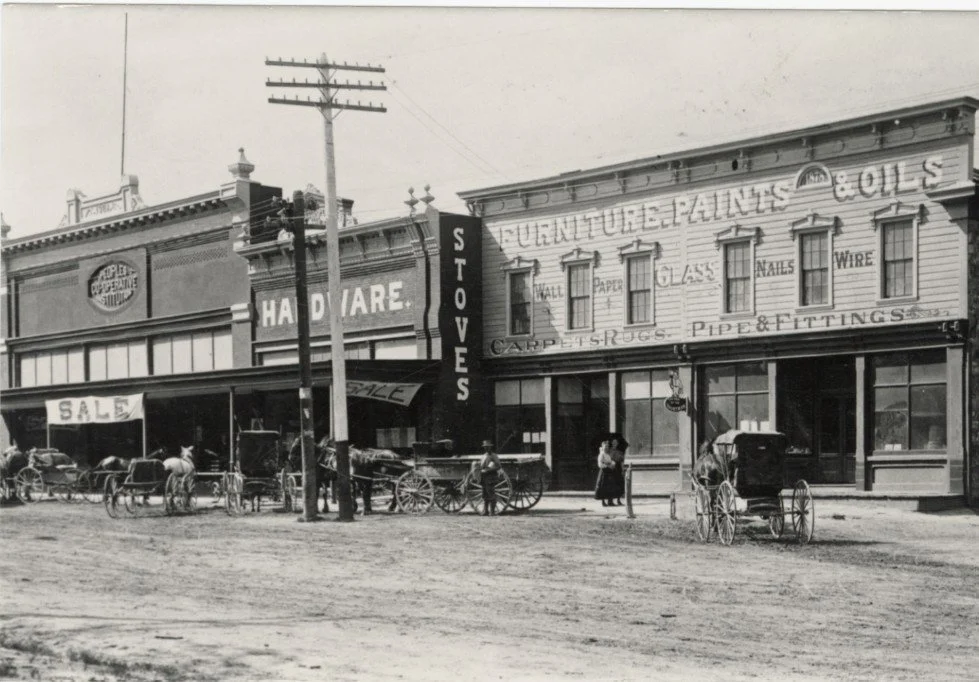
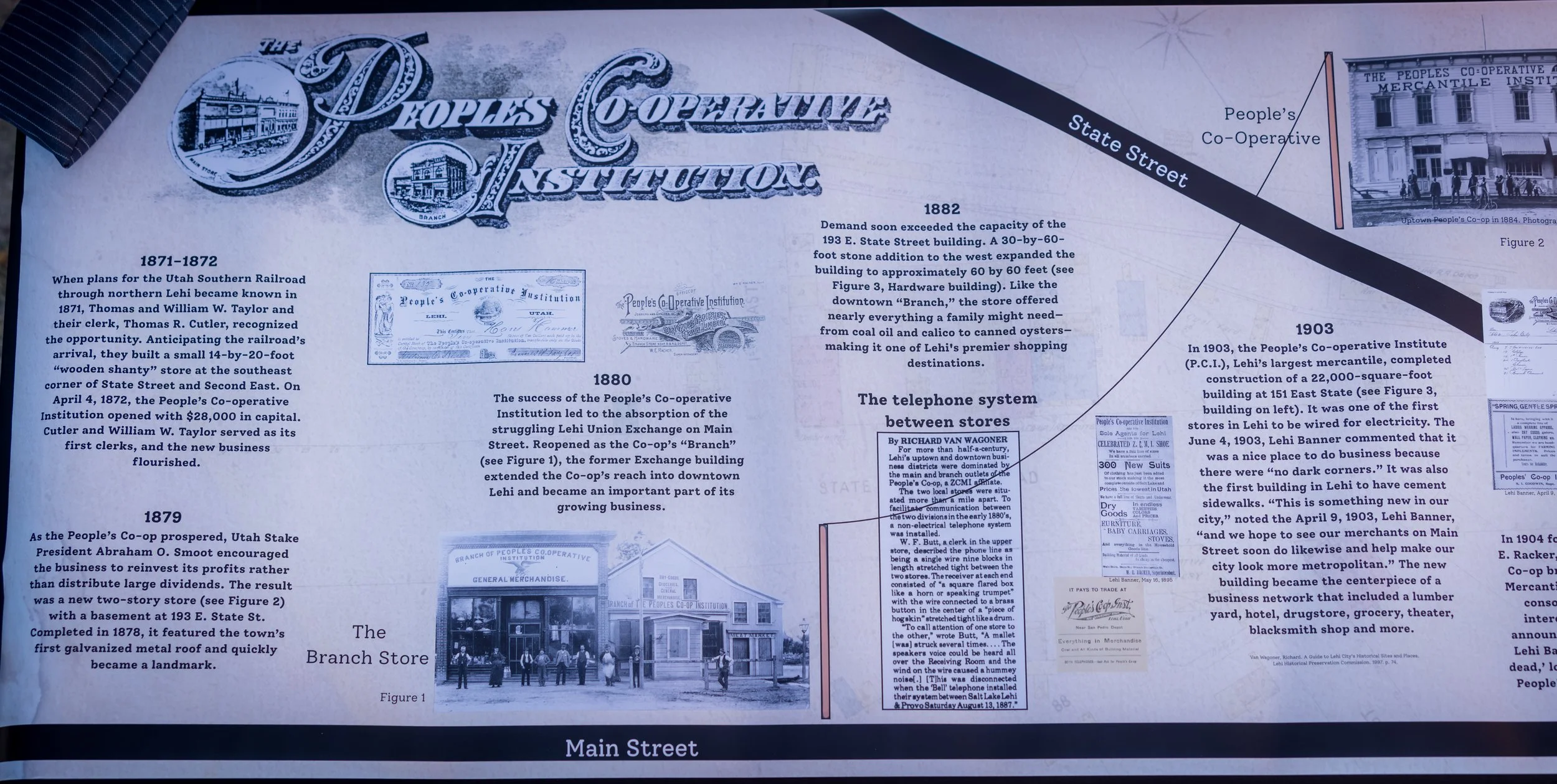
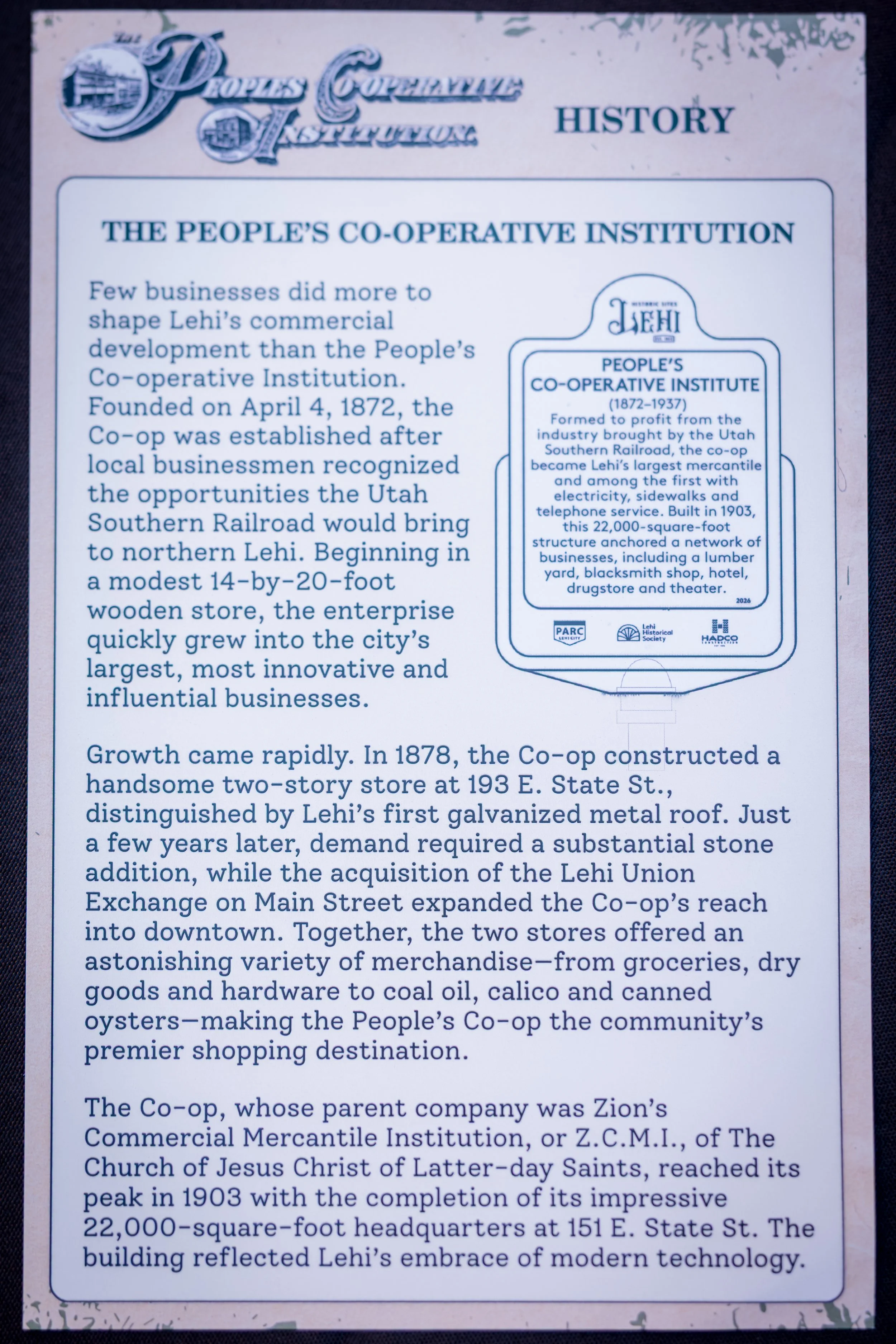
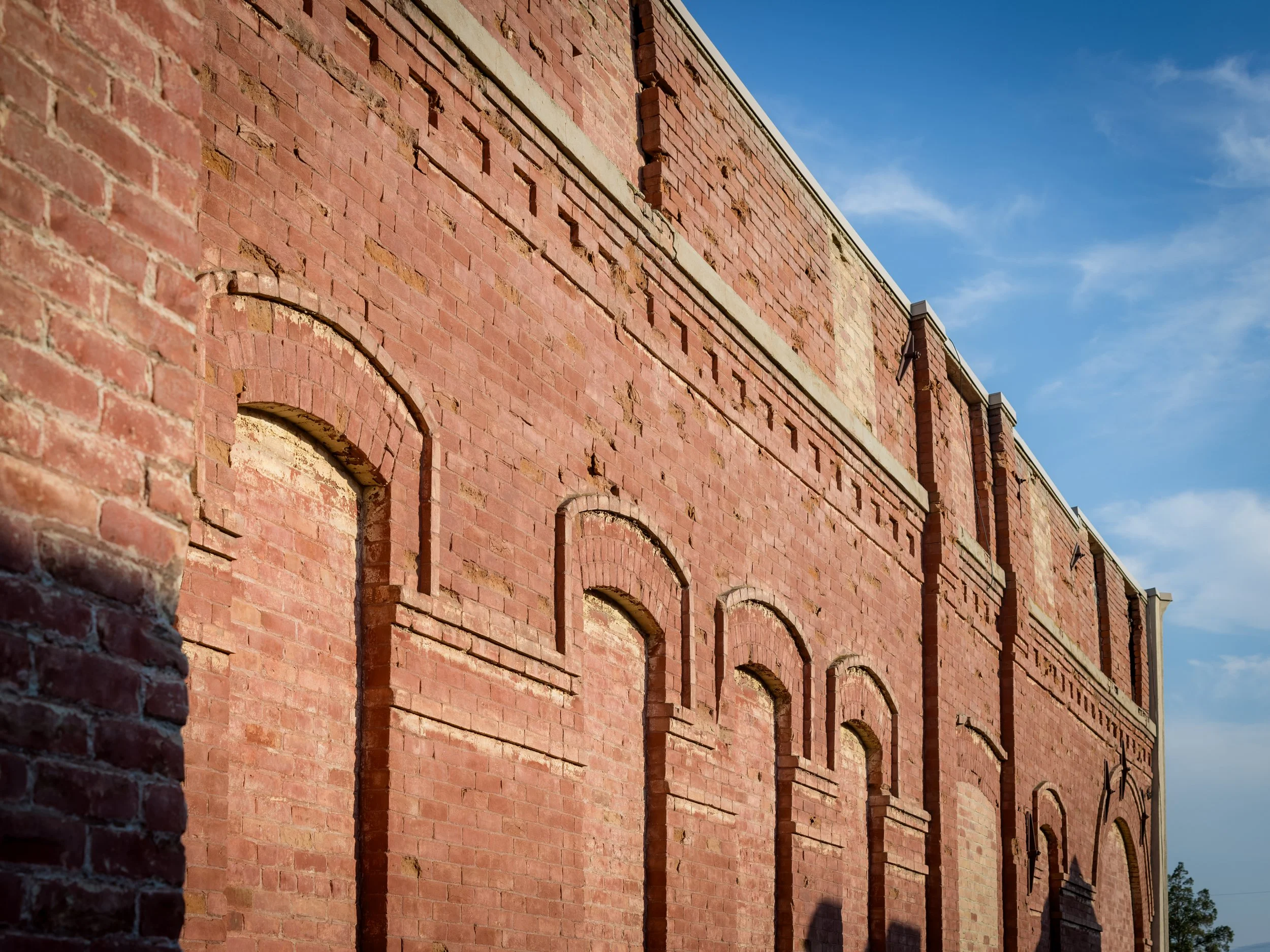
Originally opened by town icon Thomas R. Cutler, the business would go through three buildings before finding its permanent home on 151 East State Street. The People’s Co-Op was the first building in Lehi to gain electricity, a telephone, a pneumatic tube system, and concrete sidewalks.
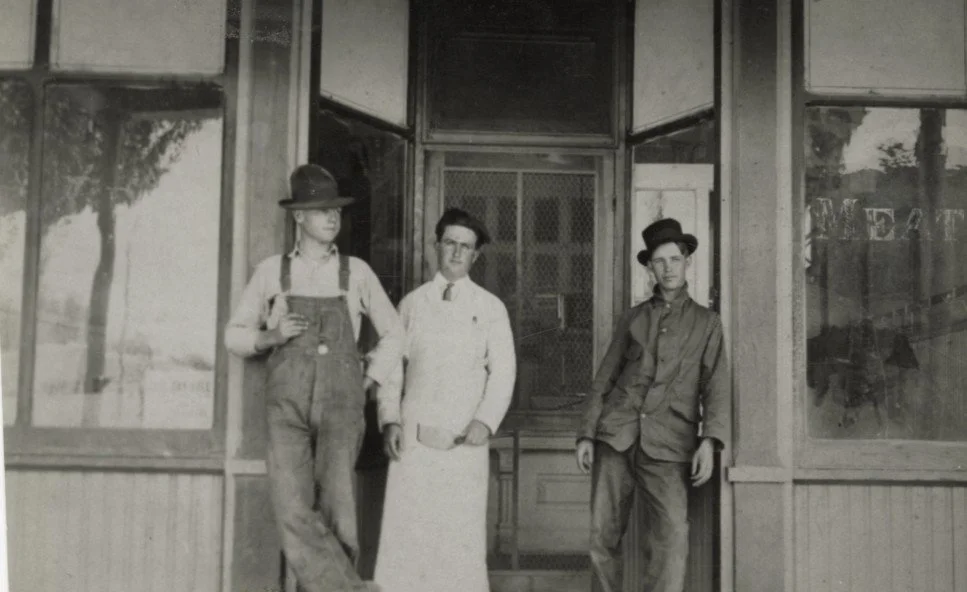
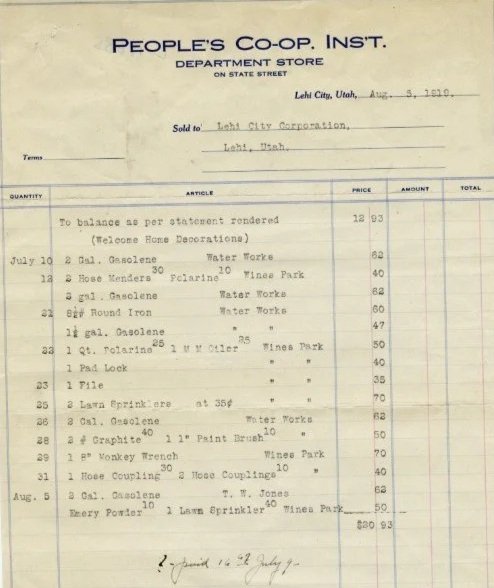
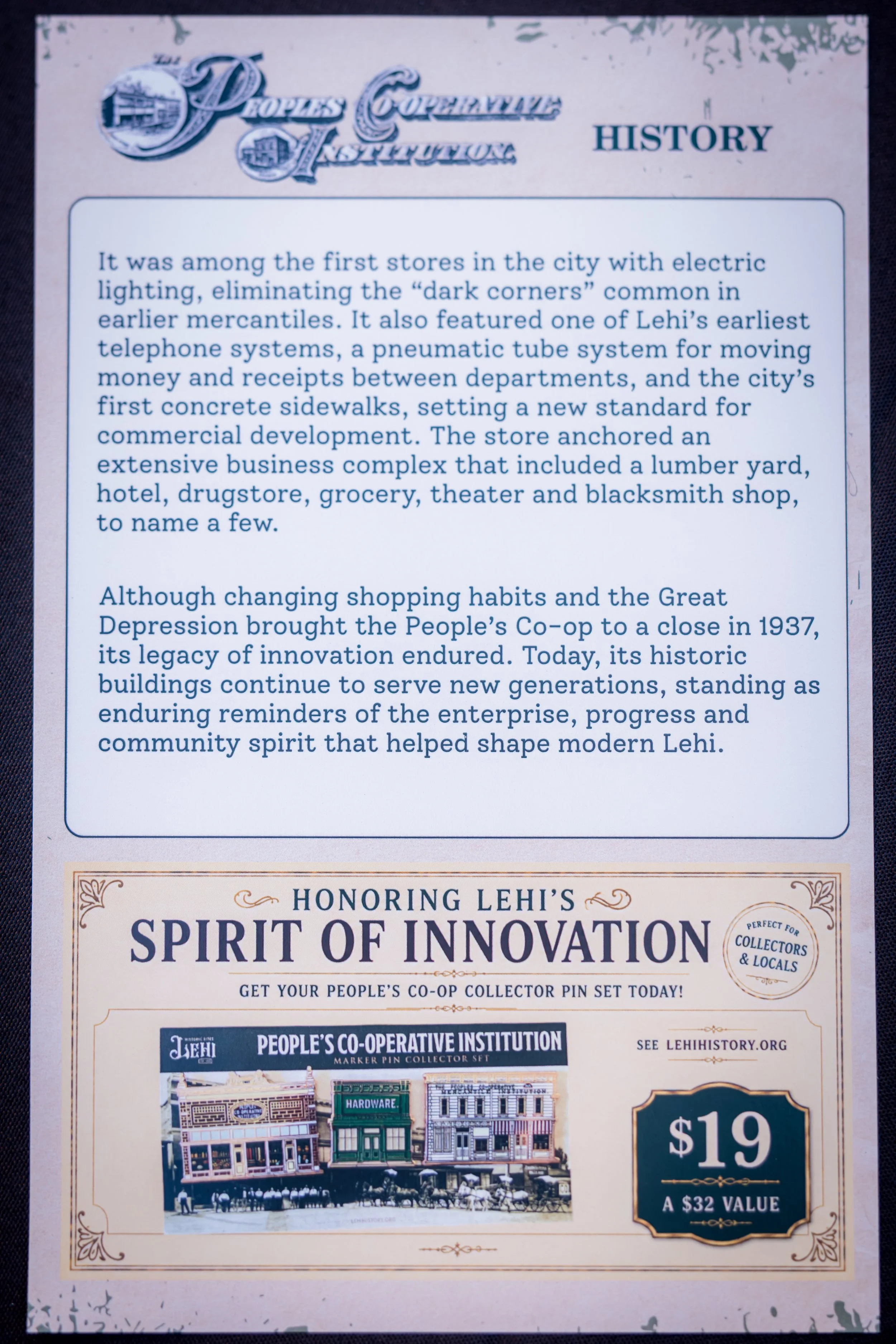
It was one of the first buildings in Lehi to receive electricity, an Alexander Graham Bell telephone system, a pneumatic tube system for moving money and receipts between departments, and concrete sidewalks.
Although changing shopping habits and the Great Depression brought the People’s Co-op to a close in 1937, its legacy of innovation endured. Today, its historic buildings continue to serve new generations, standing as enduring reminders of the enterprise, progress and community spirit that helped shape modern Lehi.
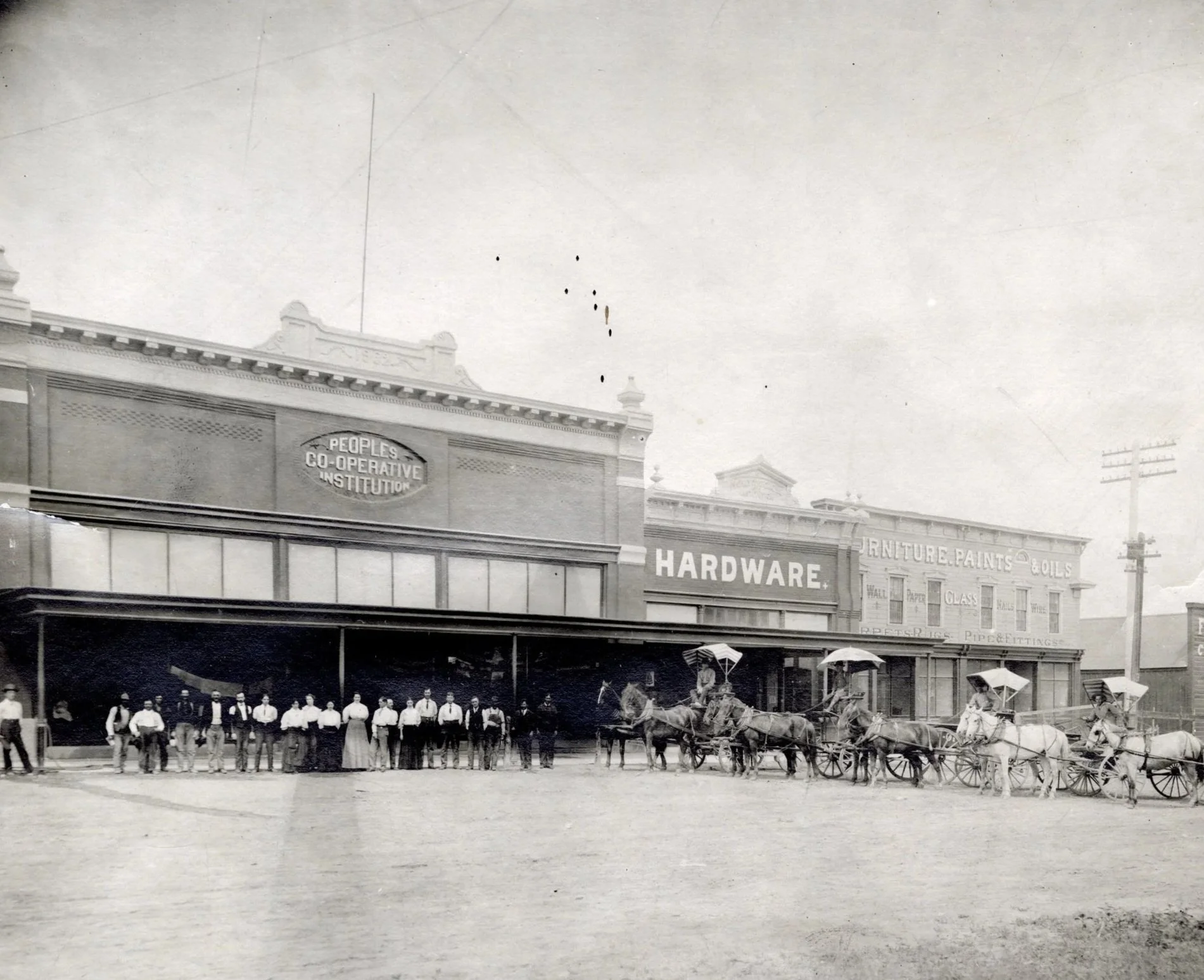
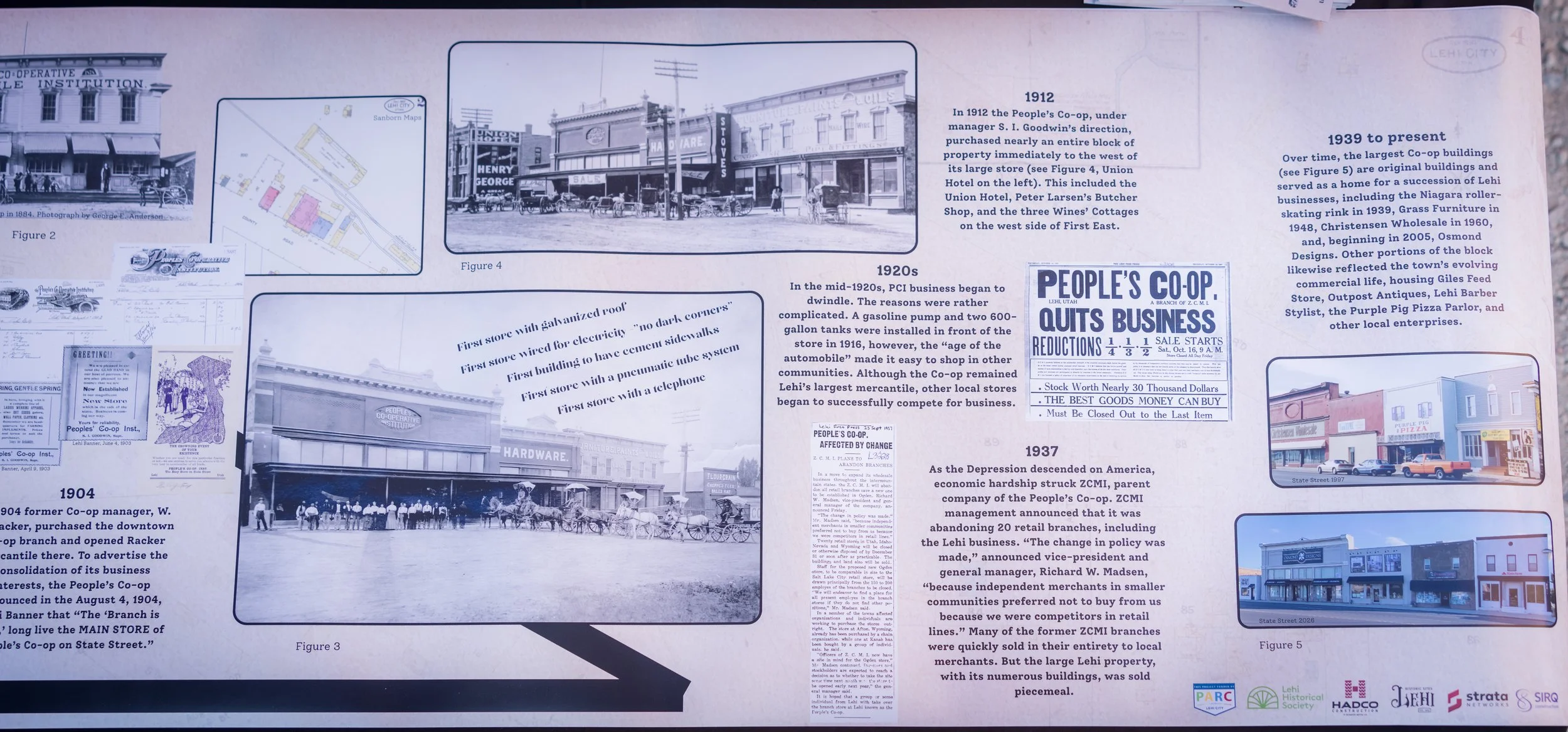
The largest Co-op building at 151 East State became a roller-skating rink in February of 1939. “The Niagara,” with a new hardwood floor, advertised “Come to the Niagara and watch the falls.” In the fall of 1940, the place was the Lehi Roller Skating Rink, operated by the Smuin brothers. In November of 1944, James Comer purchased the building for a farm machinery display room. He was killed in an automobile accident before the business got started, however, and his widow Frances re-leased it to the Smuin brothers for a skating rink.
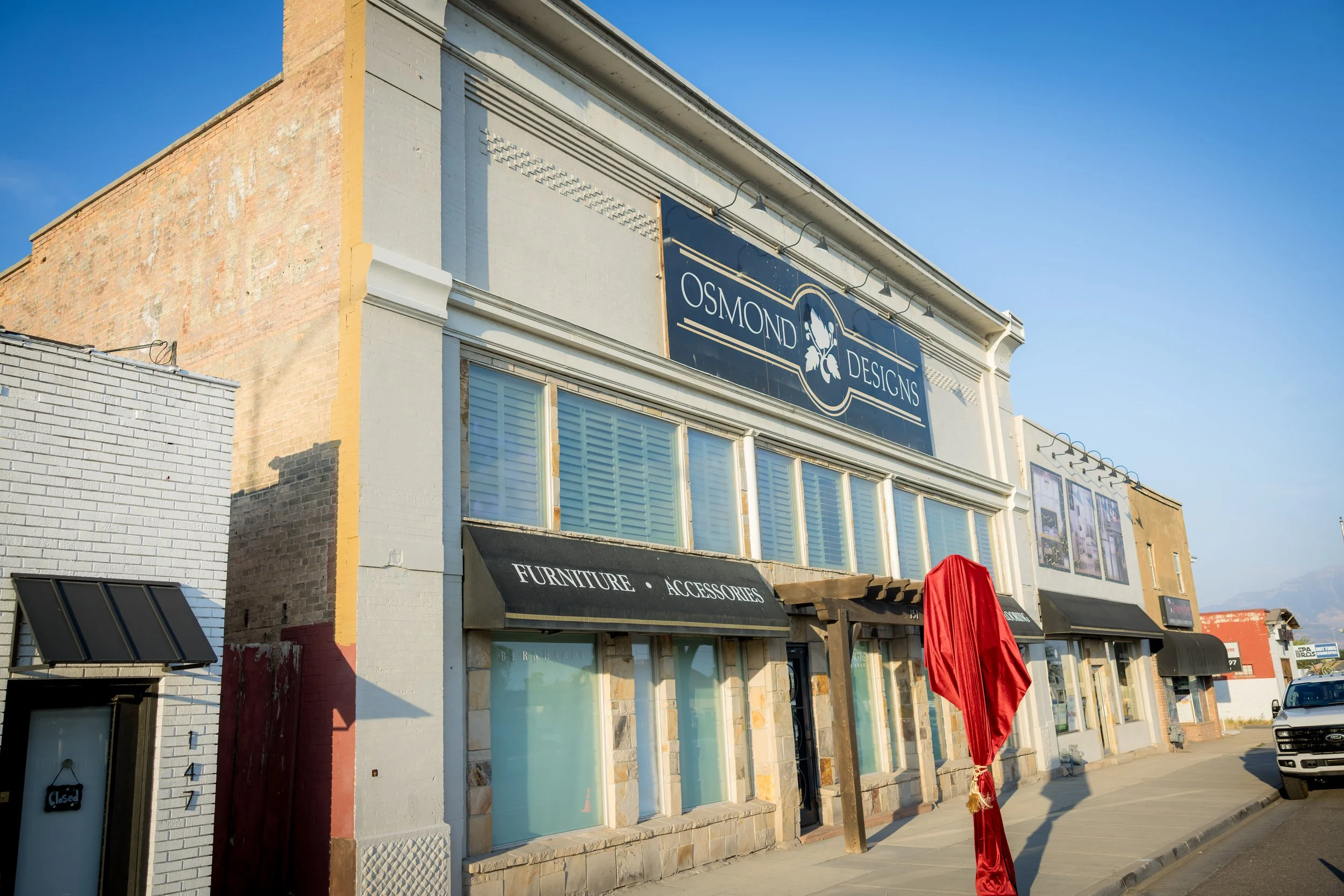
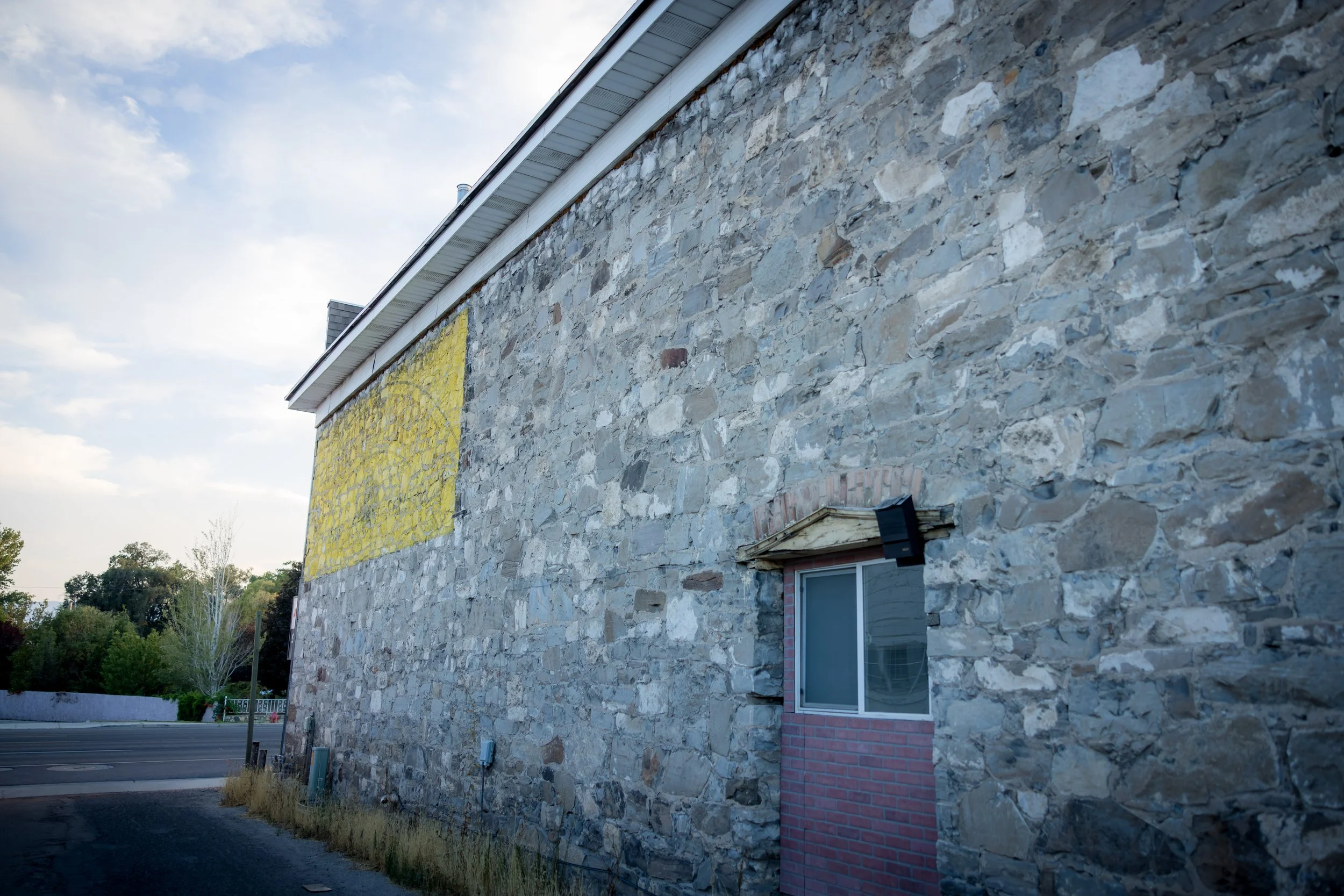
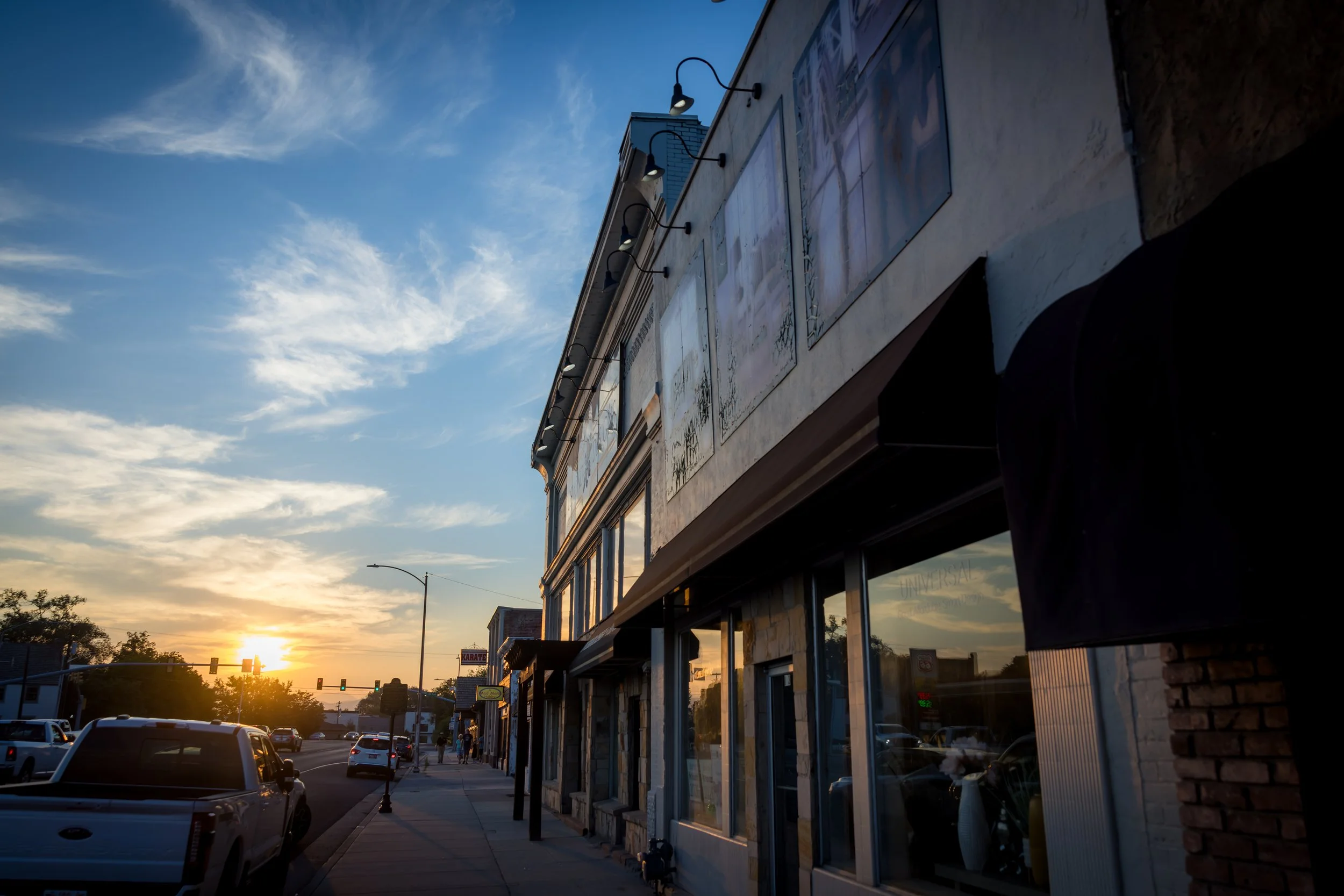
In July of 1948, Harry Grass leased the place and established Grass Furniture, which featured household furnishings, carpeting, drapery, and the slogan, “Oh, Go to Grass.” In 1955, a wholesale war surplus store was opened. In 1960, Christensen Department Stores purchased the building and operated a wholesale warehouse for their chain of stores and also for 65 other establishments throughout the western states. On Mar. 4, 2005, Osmond Designs opened for business in the historic building on State Street and remains there today.
A Store of Our Own
Few businesses did more to shape Lehi’s commercial development than the People’s Co-operative Institution. The history of cooperative stores in Utah is closely tied to the history of The Church of Jesus Christ of Latter-day Saints. In 1869, after seeing the success of small co-ops throughout the state, and specifically the Lehi Union Exchange, Brigham Young, prophet and president of the Church, encouraged cooperative stores throughout the state. These were stores where stockholders could trade produce for goods. This was beneficial to members of the Church as they had faced price discrimination from non-LDS store owners.
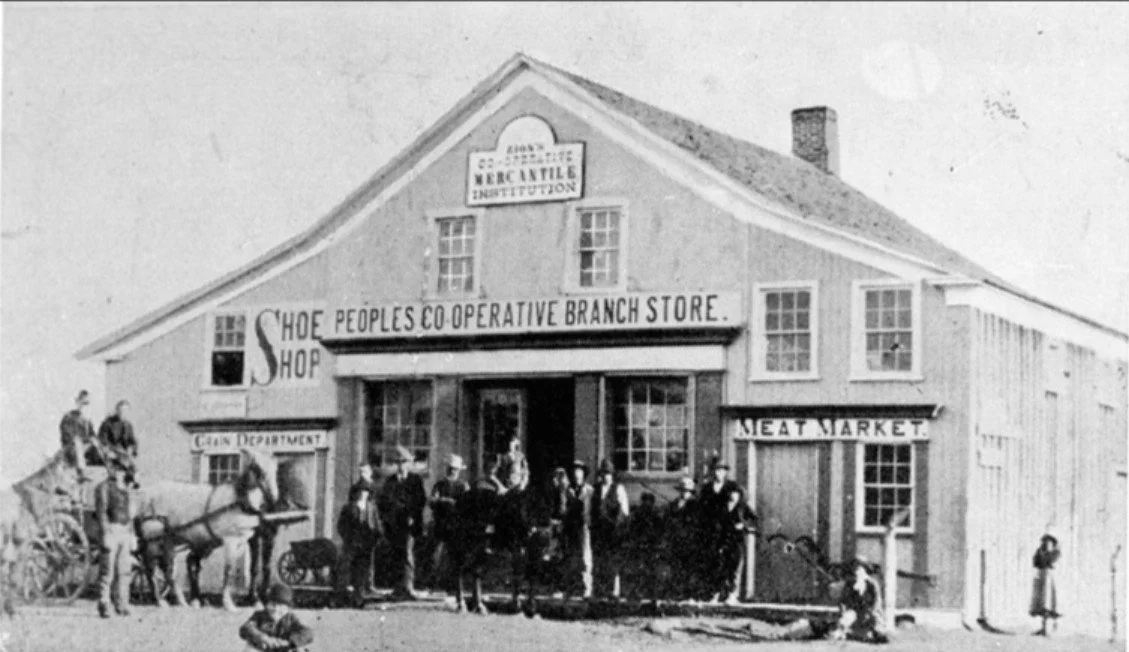
That same year, the Church opened Zion's Co-operative Mercantile Institution (ZCMI) in Salt Lake City and began to expand across the state. The Lehi Union Exchange became a branch of the new organization, even though it predated the institution. The Lehi Union Exchange was so successful it put most businesses out of business until the People’s Cooperative Institution, or the People’s Co-op, opened its doors in 1871 when local businessmen recognized the opportunities the Utah Southern Railroad would bring to northern Lehi and its planned terminus at 225 E. State St., the site of the historic Utah Southern Railroad Depot.
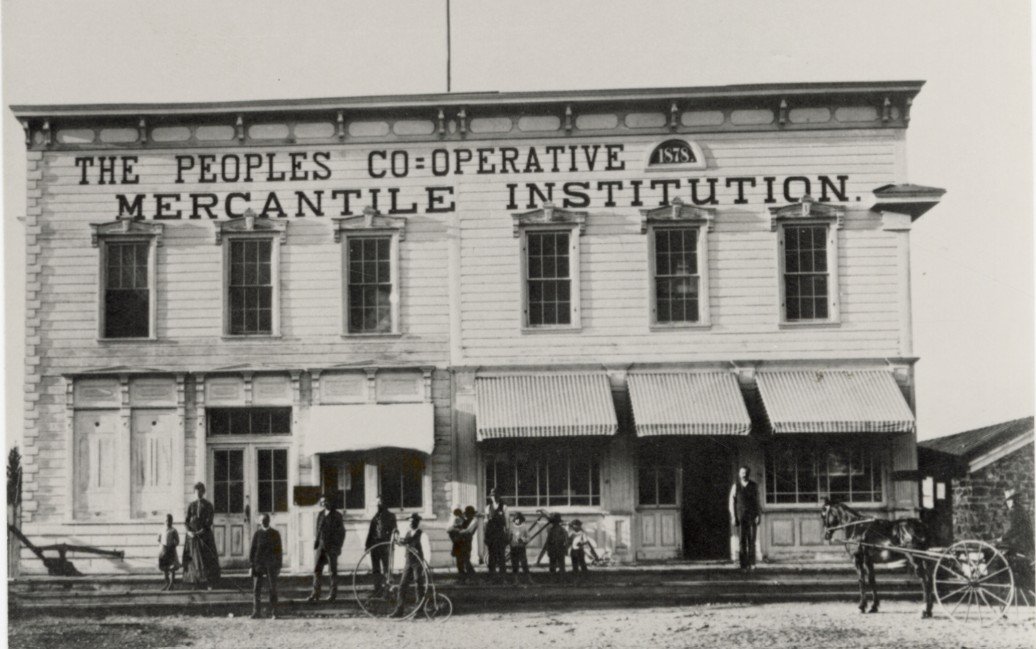
Growth came rapidly. In 1878, the Co-op constructed a handsome two-story store at 193 E. State St. (now an insurance agency and Dragon’s Keep), distinguished by Lehi’s first galvanized metal roof. Just a few years later, demand required a substantial stone addition (east end of Osmond Designs building), while the acquisition of the Lehi Union Exchange on Main Street expanded the Co-op’s reach into downtown. Together, the two stores offered an astonishing variety of merchandise—from groceries, dry goods and hardware to coal oil, calico and canned oysters.
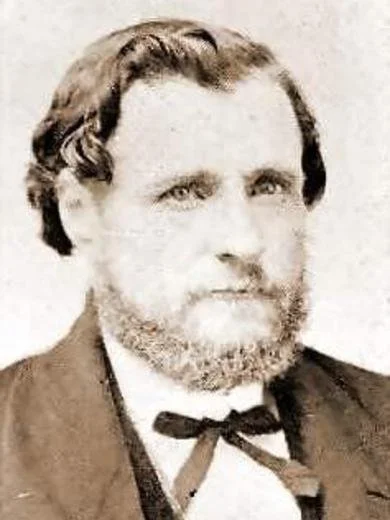
Thomas R. Cutler, William E. Racker, and Samuel I. Goodwin all headed the store in its first years of operation, and it soon became a massive success. It purchased the Bain’s wagon business, Howard Sebree’s farm machinery business, and operated its own lumber yard.
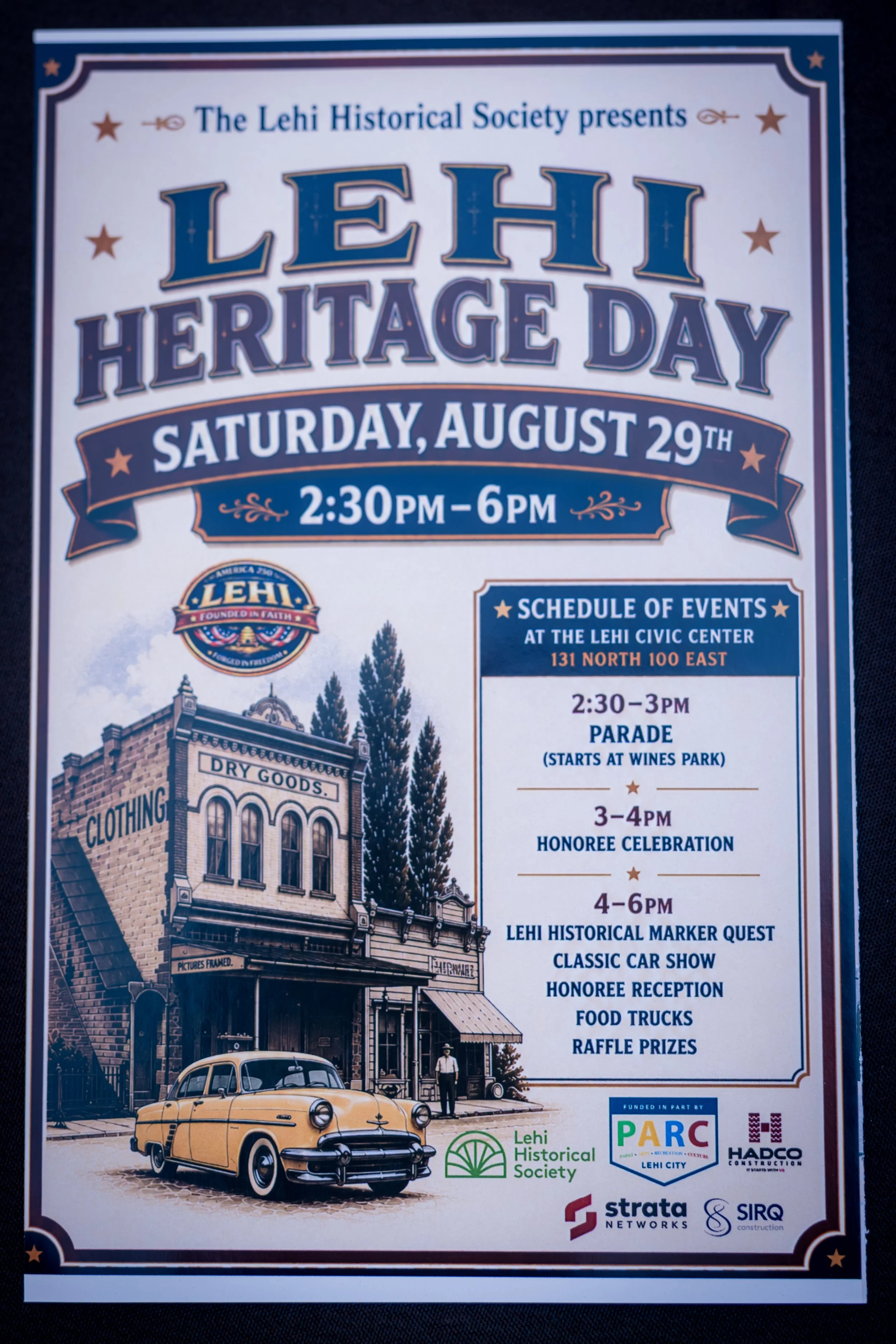
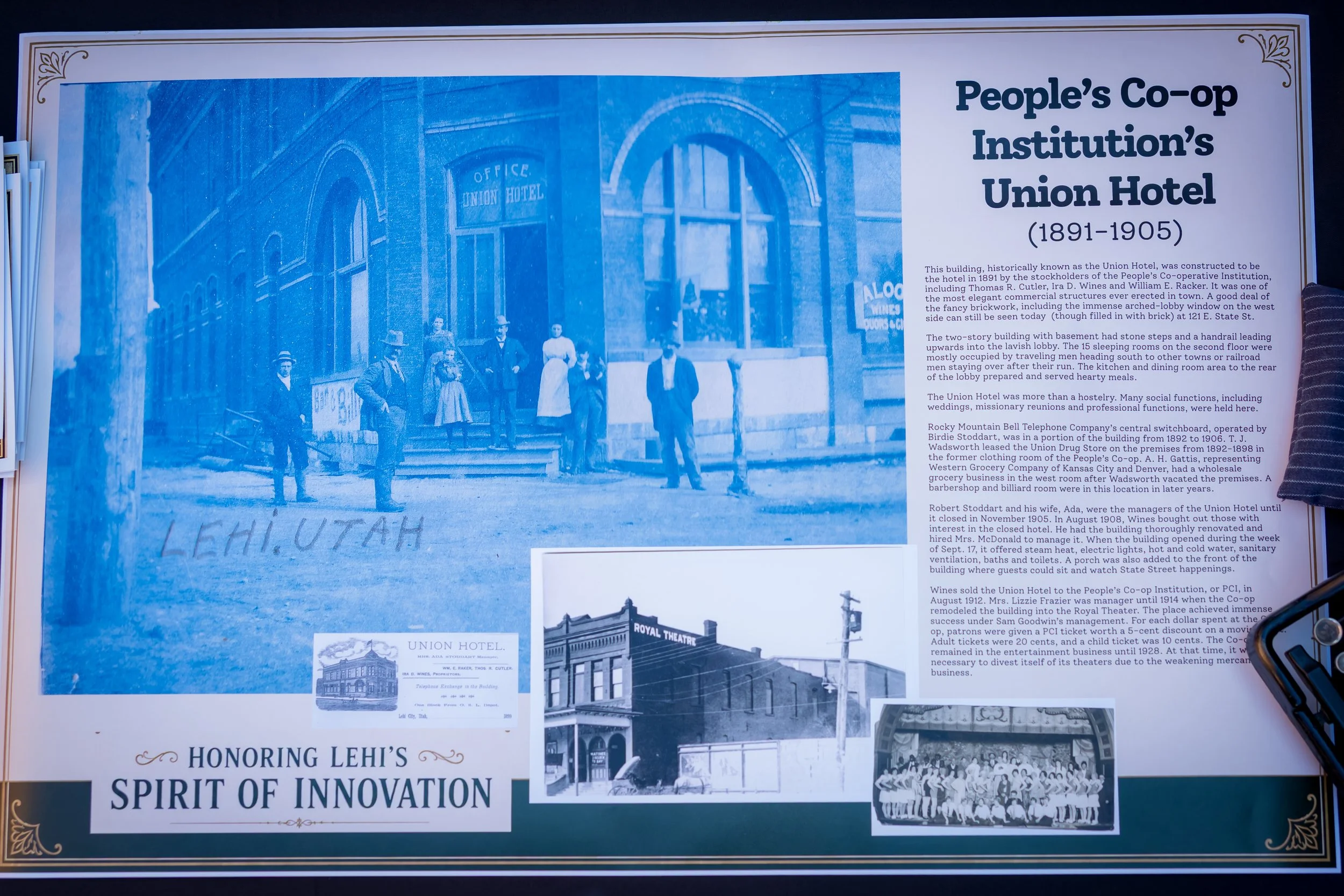
In 1903, the business became so profitable that it expanded with a 22,000-square-foot building at 151 E. State St., or the west end of today’s Osmond Designs building. The new headquarters anchored a network of businesses, including a blacksmith shop, drugstore, lumberyard, hotel and theater. However, the People’s Co-op isn’t just significant because of its commercial success, it is significant because it represents many of Lehi’s “firsts.”
Explore the People’s Co-op Milestone Moments
-
![Photo of Israel Evans, date unknown. Courtesy LDS Church Archives]()
1850: Israel Evans has a plan
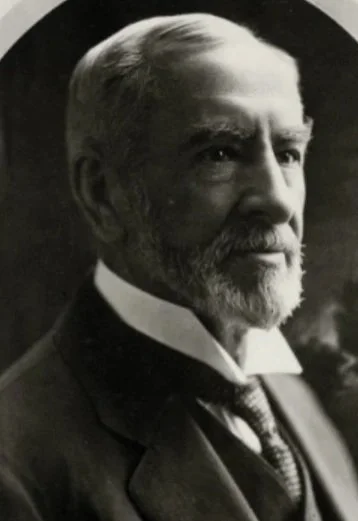
Israel Evans emigrated to Lehi in 1850 making him and his wife, Matilda Thomas Evans, some of the first citizens of Lehi. In 1853, Evans was sent on a mission to the United Kingdom where he observed English cooperative stores and thought the same style of business could benefit his town.
-
![Photo of Peoples Co-op, date unknown. Courtesy of Utah State Historical Society]()
1868: Grand Opening
In 1868, the Lehi Union Exchange opened its doors making it the first cooperative store to open in Utah. The little store found its home on Third West and First South Street, but it would soon expand because of its historic success. For example, in its first year of operation the store was so successful that it caused some of Lehi’s founding businesses, like the T & W Taylor mercantile store, to close or be purchased.
-
![]()
1868-1880: Competition on the Rise
In 1868, the Zion's Co-operative Mercantile Institution (ZCMI) in Salt Lake City opened its doors and began to expand across the state. The Union Exchange became a branch of the new organization, even though it had technically predated it. However, the success of Lehi’s first Co-Op did not last due to two reasons, the excessive credit system and the establishment of the People’s Cooperative Institution, or the People’s Co-Op, in 1871 on 189 W Main Street. In fact, in 1880, the Union Exchange was sold to People’s Co-Op and became both a branch store of the ZCMI and its younger competitor. The advantage that the People’s Co-Op had over the Union Exchange was that it was located closer to the new Utah Southern Railroad station on 225 East State Street.
-
![Courtesy of Multimedia Archives, Special Collections, J. Willard Marriott Library, University of Utah]()
1893-1903: Left in Good Hands
In 1893, Thomas R. Cutler, who had been manager of the store since 1871, stepped down and his assistant manager William E. Racker took charge of the store. Unbelievably, Racker made the institution even more profitable and oversaw the construction of the new People’s Co-Op building on 151 East State Street until 1903 when he was called on a mission to Denmark and had to leave the business to his own assistant manager Samuel I. Goodwin. The new building on 151 East State Street is where the People’s Co-Op would stay for the rest of its life. The old People’s Co-Op located on 189 W Main Street would become the Racker Mercantile named for manager and owner William E. Racker. The new building at 151 East State Street was much bigger than the old building, and its grounds were made up of the main Co-Op, a lumberyard, coal yard, feed store, livery stable, harness shop, hotel, drugstore, and blacksmith shop.
-
![Rocky Mountain Bell Telephone Company - First Switchboard and Operator courtesy of Utah State Historical Society]()
1904-1916: Age of Innovation
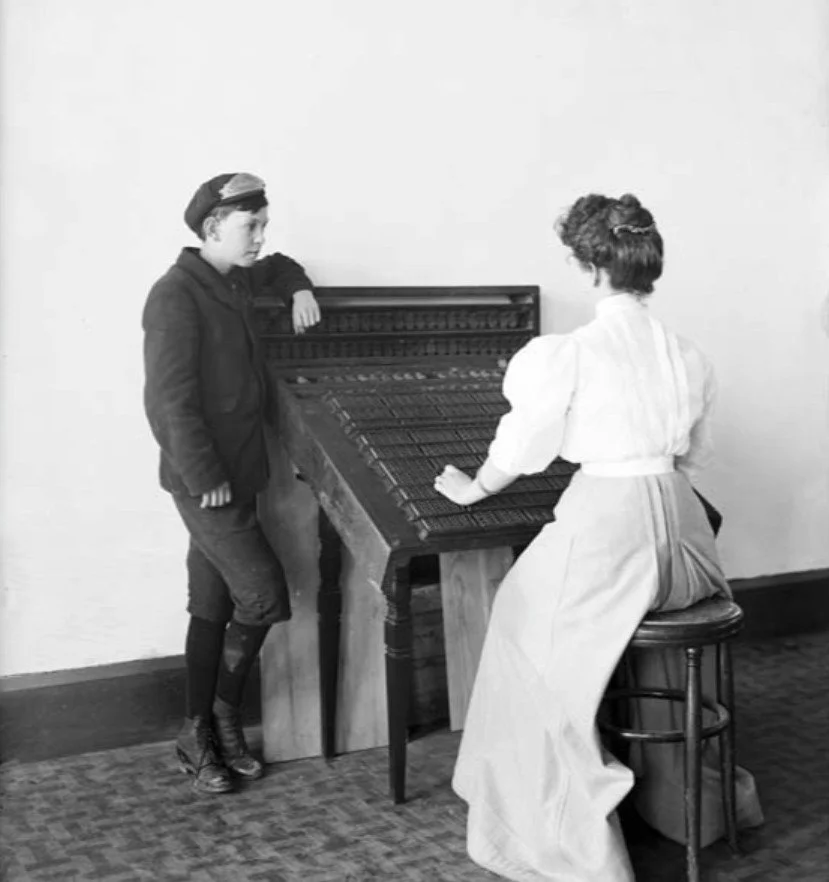
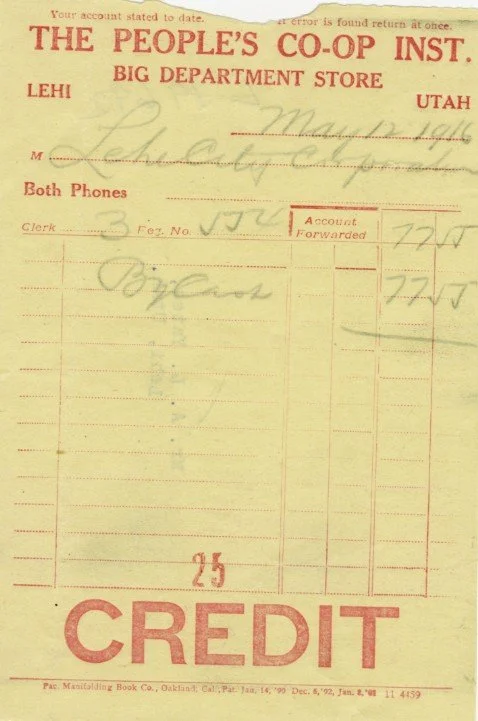
It was one of the first buildings in Lehi to receive electricity, an Alexander Graham Bell telephone system, a pneumatic tube system, and concert sidewalks. The Co-Op’s Bell telephone system is especially significant because it was one of the first systems in Utah. The People’s Co-Op was not immune to fluctuating markets and new technological advancements that would eventually render it obsolete. In 1916, two gas pumps were installed in front of the Co-Op, and despite the store’s attempt to adapt to the cars/automobiles, it would ultimately spell the end of the business. Cars made it easier for people to travel to other towns for better priced or more exotic items. The Great Depression was another factor that led to the closure of the Co-Op because people were much less likely to spend any money on unnecessary items. Additionally, the Co-Op’s parent company, ZCMI, was also struggling for the same reasons in Salt Lake City.
-
![Lehi Free Press 9-23-37. Digitized by J. Willard Marriott Library, University of Utah]()
1937: The End of an Era
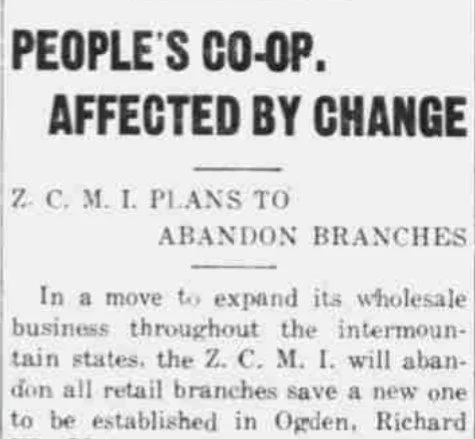
Both ZCMI and the People’s Co-Op closed its doors in 1937 after not being able to make a profit across the state of Utah or in Lehi specifically. While some cooperative stores would come back to Utah after the Great Depression ended with World War II, the People’s Co-Op would never re-open.
-
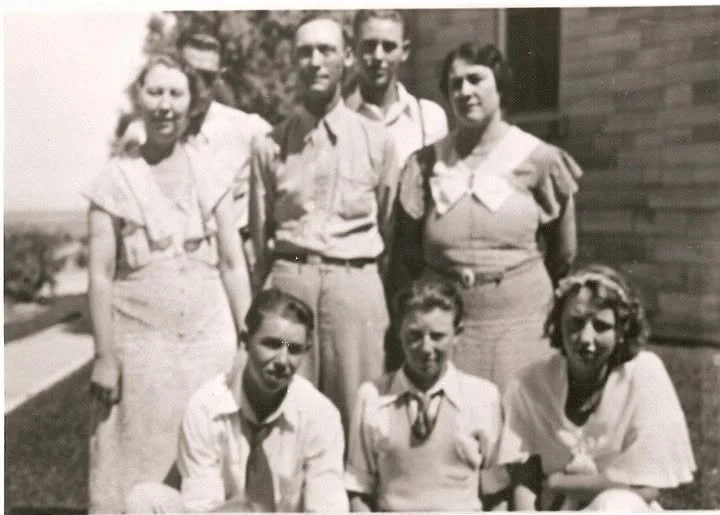
![Henry Thomas, Howard Thomas and Aubry Thomas Wilson (front row). Mary (Mame) Smuin Thomas, Jay Smuin and Mary O'Roake (middle row). Boyd Smuin and Jack Smuin are on the back row. Courtesy LHS]()
1939: A New Life
151 East State became a roller-skating rink in February of 1939. "The Niagara," with a new hardwood floor, advertised "Come to the Niagara and watch the falls." In the fall of 1940, the place was the Lehi Roller Skating Rink, operated by the Smuin brothers. In November of 1944 James Comer purchased the building for a farm machinery display room. He was killed in an automobile accident before the business got started, however, and his widow Frances re-leased it to the Smuin brothers for a skating rink.
-
![]()
As It Stands Now
In July of 1948 Harry Grass leased the place and established Grass Furniture, which featured household furnishings, carpeting, drapery, and the slogan, "Oh, Go to Grass." In 1955, a wholesale war surplus store was opened. In 1960, Christensen Department Stores purchased the building and operated a wholesale warehouse for their chain of stores and also for 65 other establishments throughout the western states. On Mar. 4, 2005, Osmond Designs opened for business in the historic building on State Street and remains there today.
Marker Location
151 East State Street, Lehi, UT
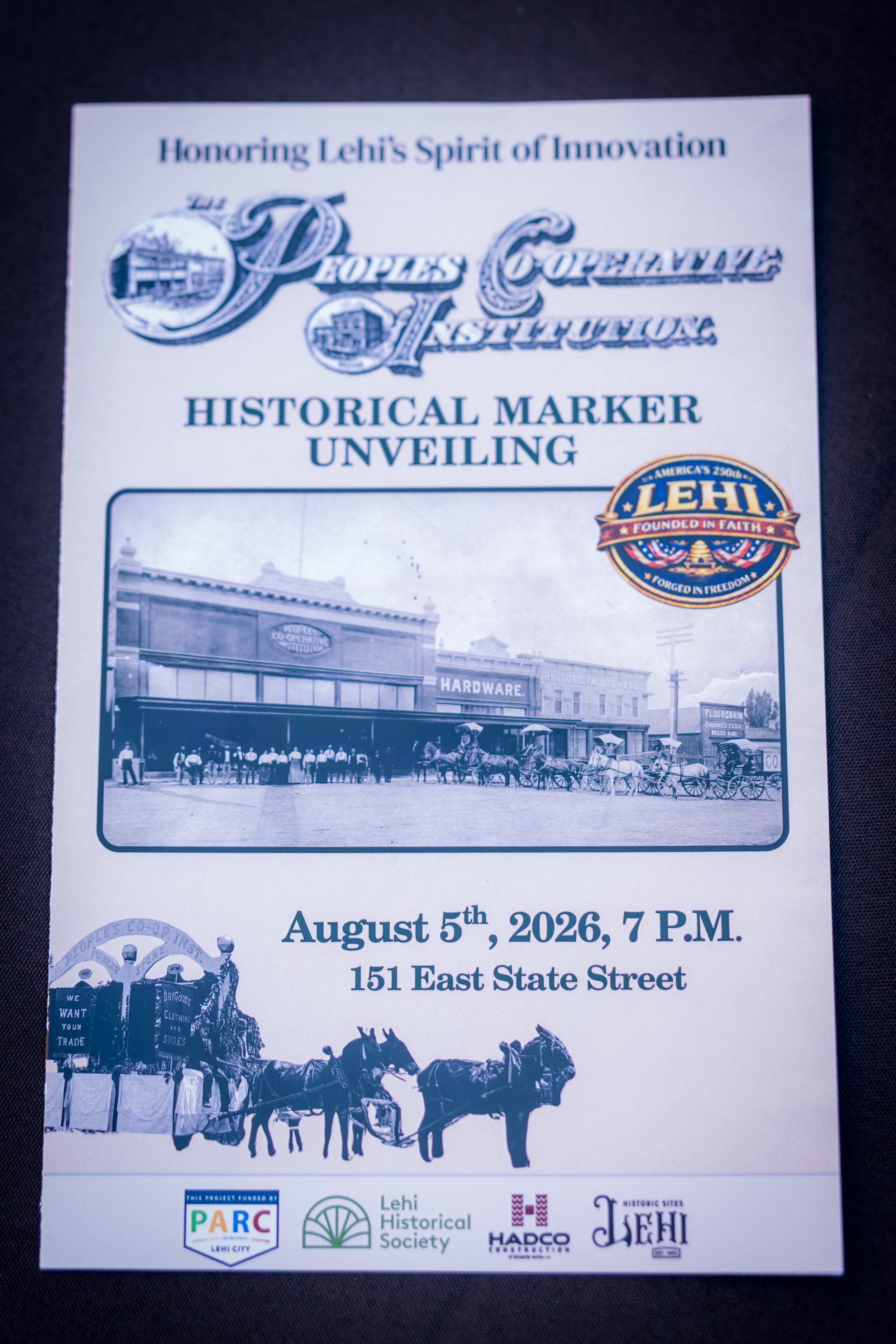
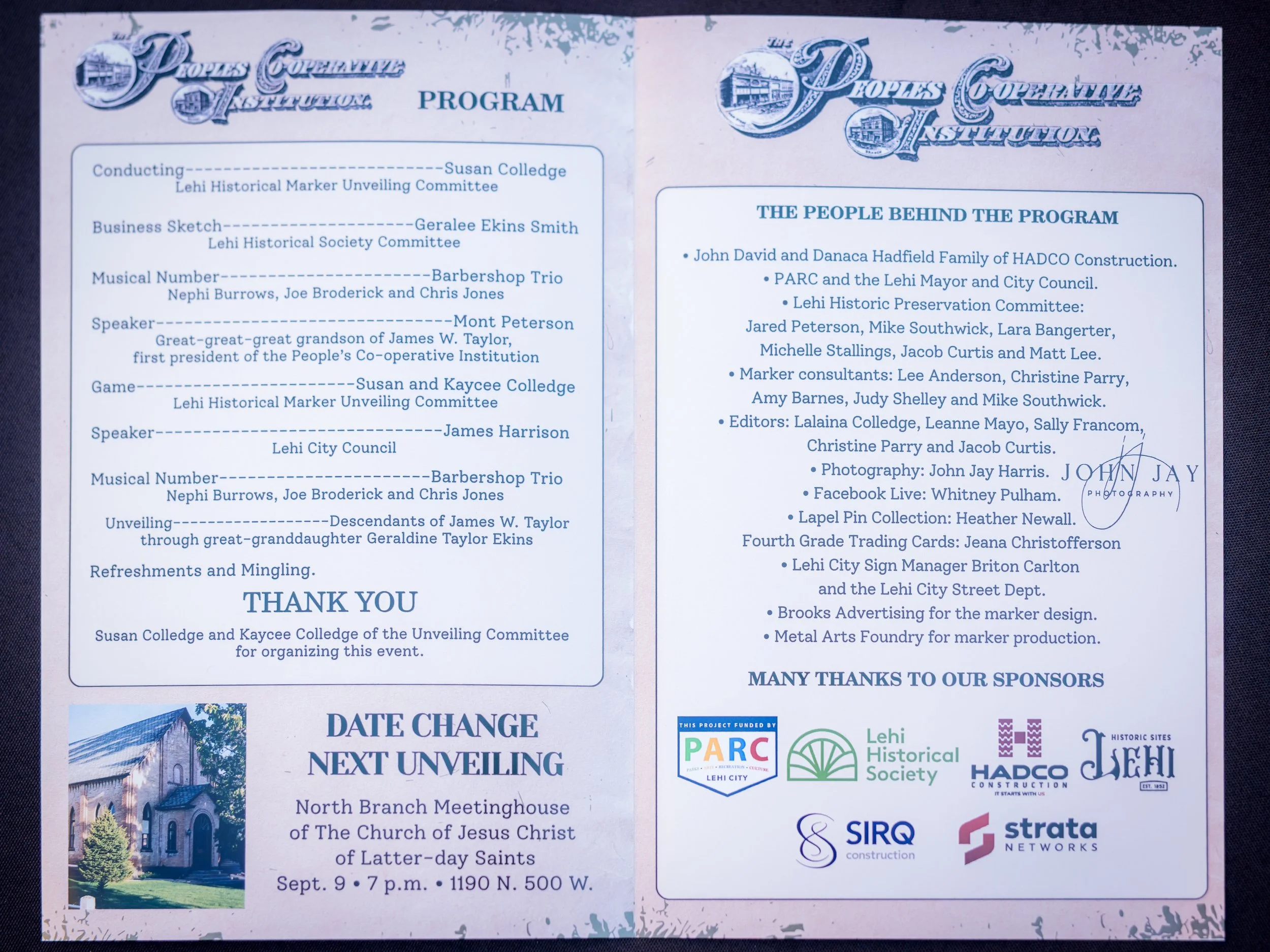
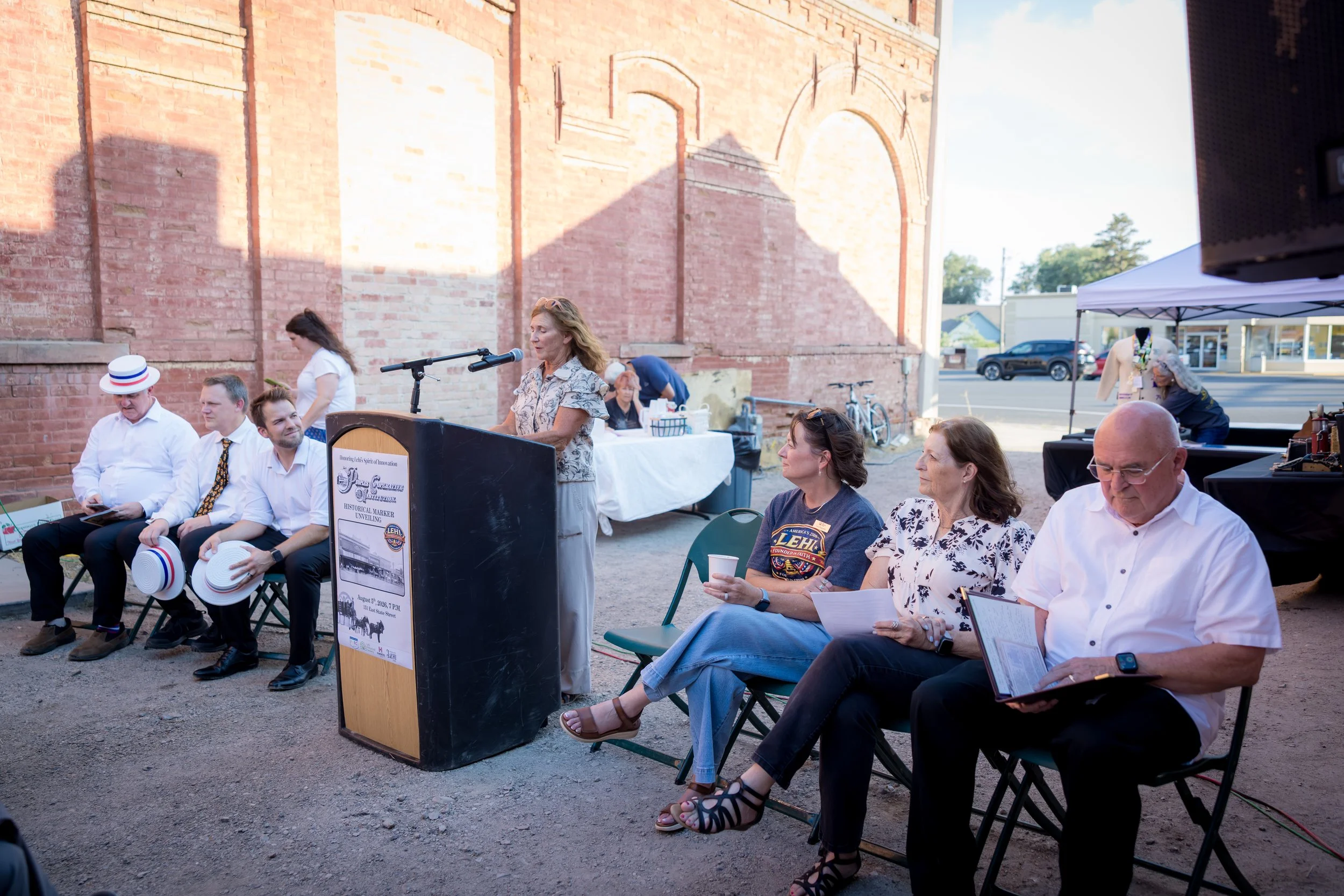
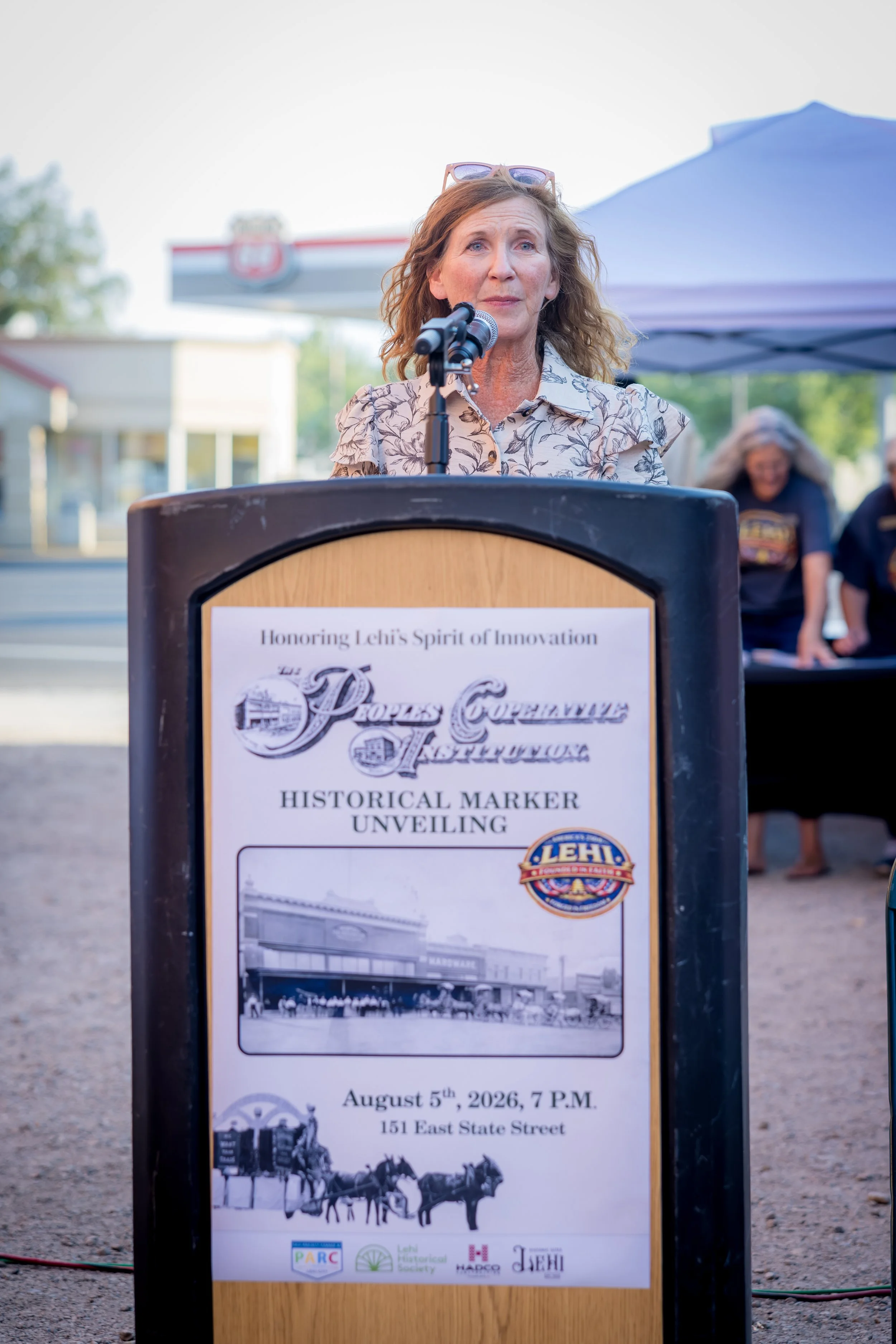
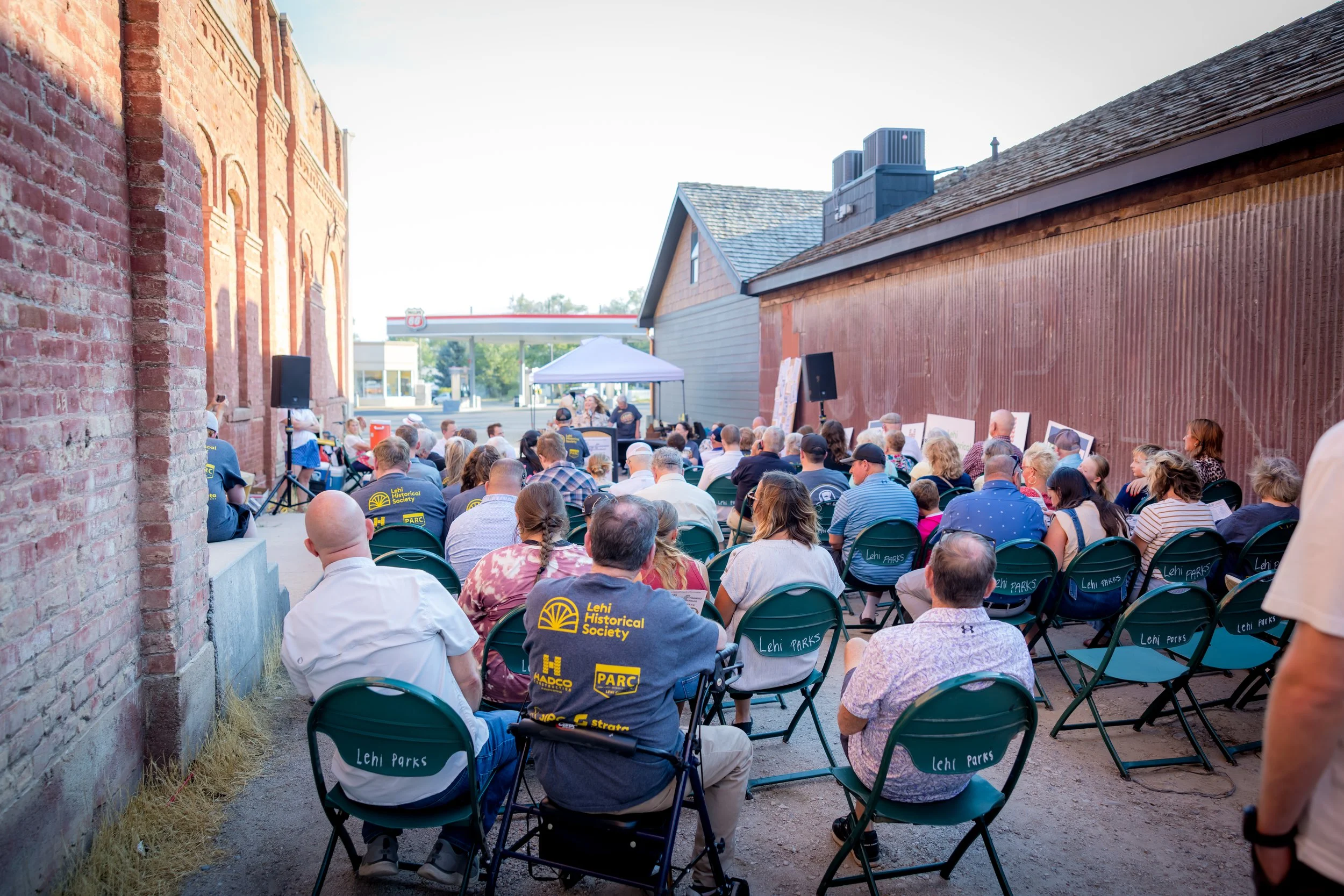
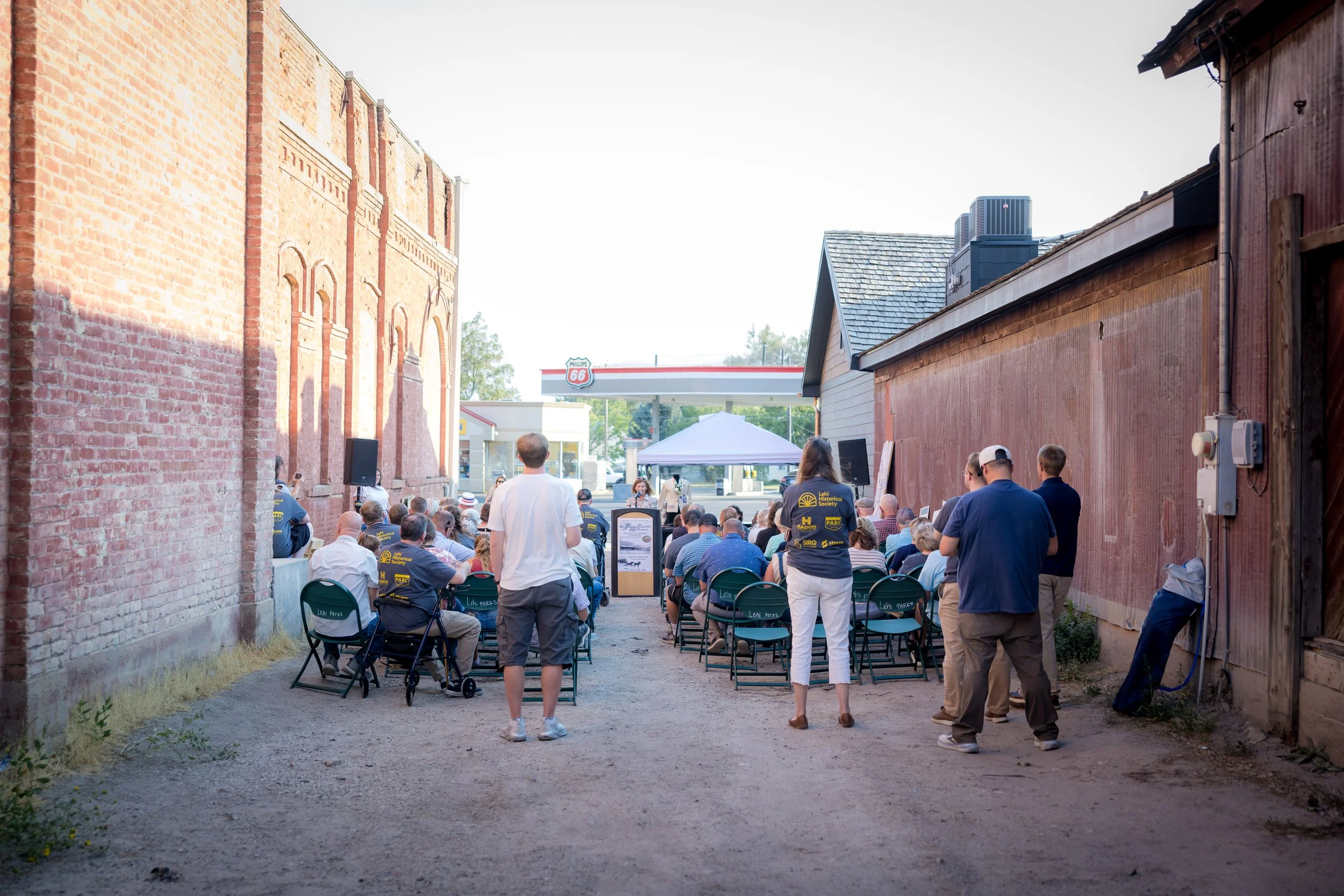
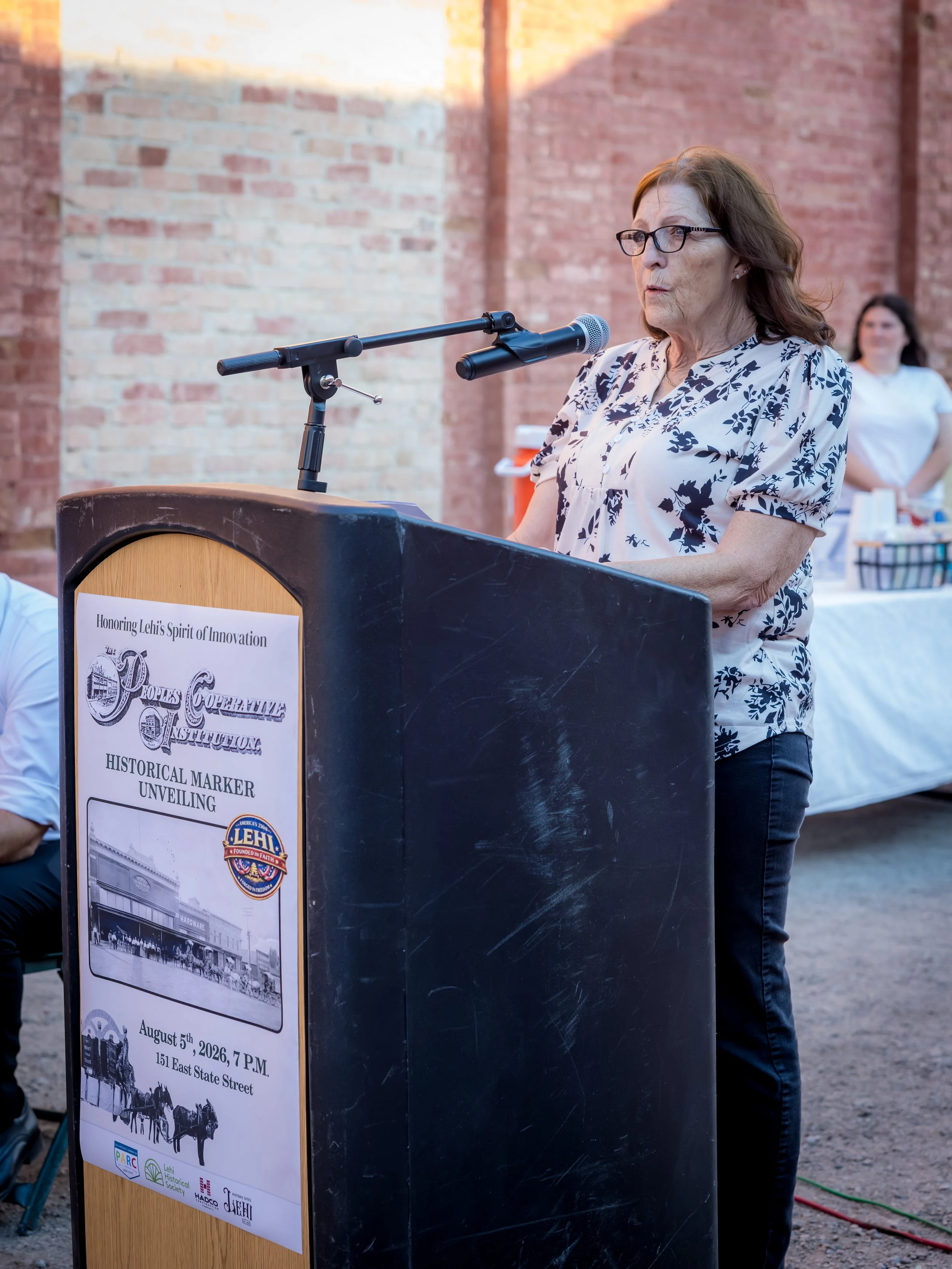
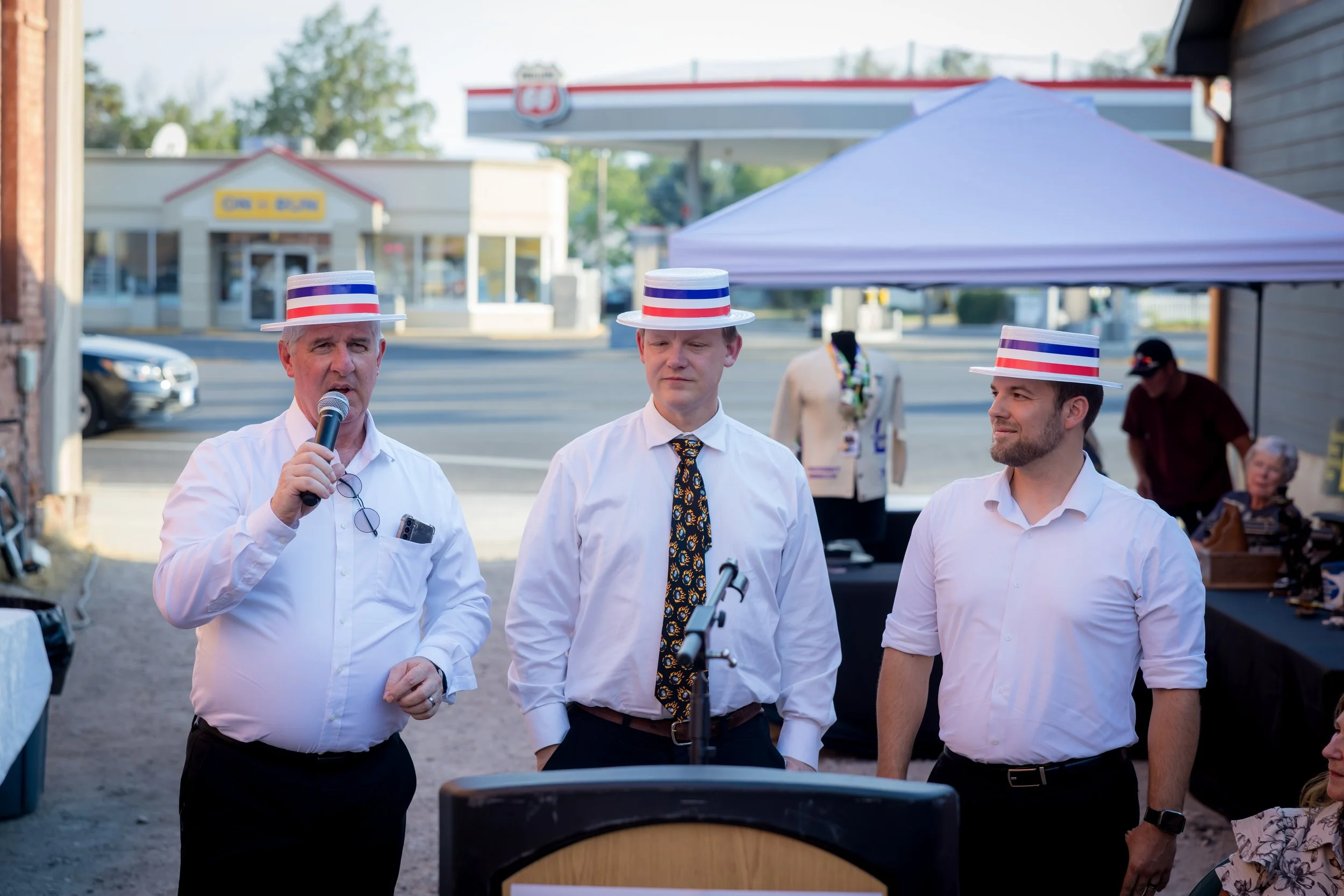
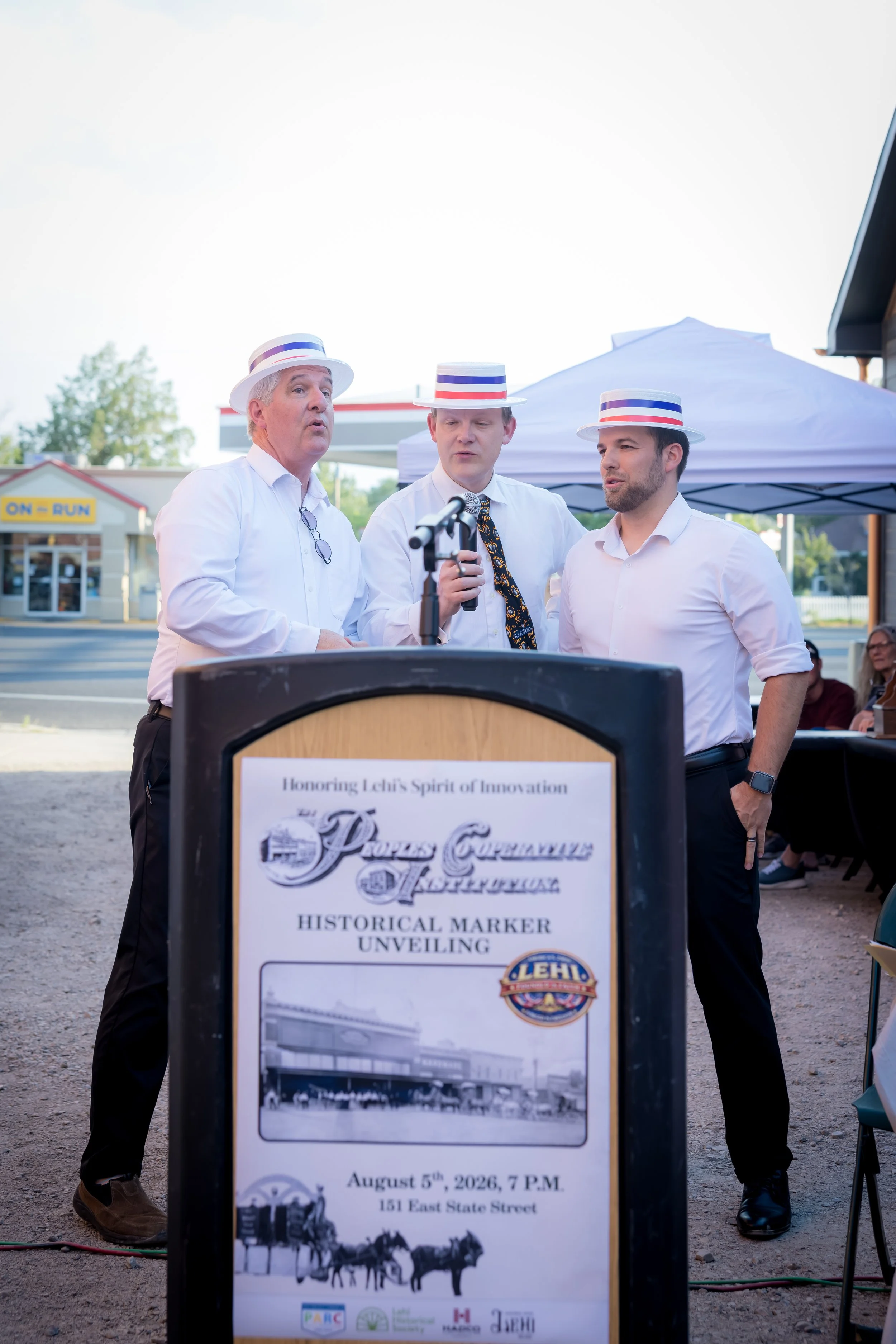
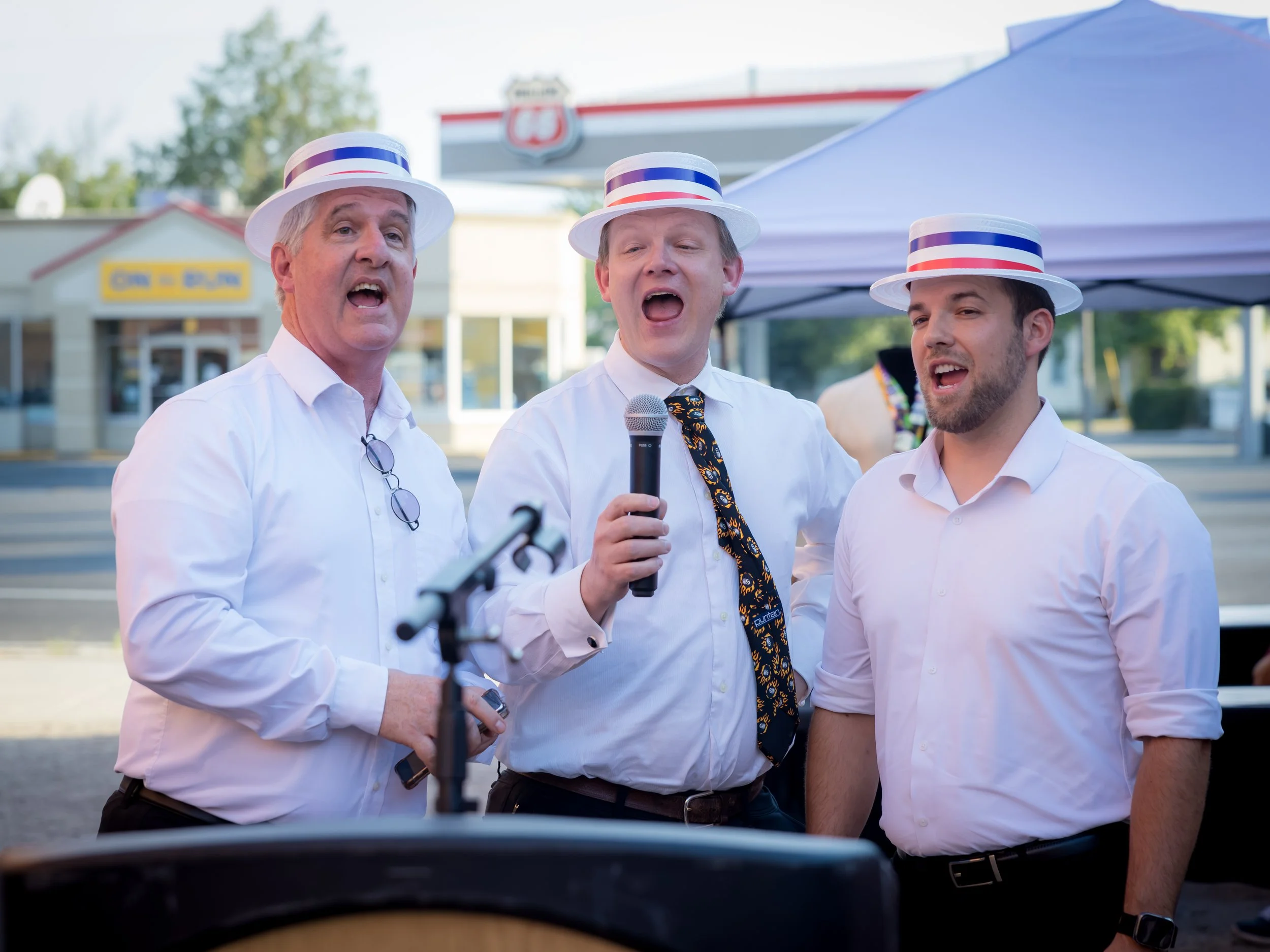
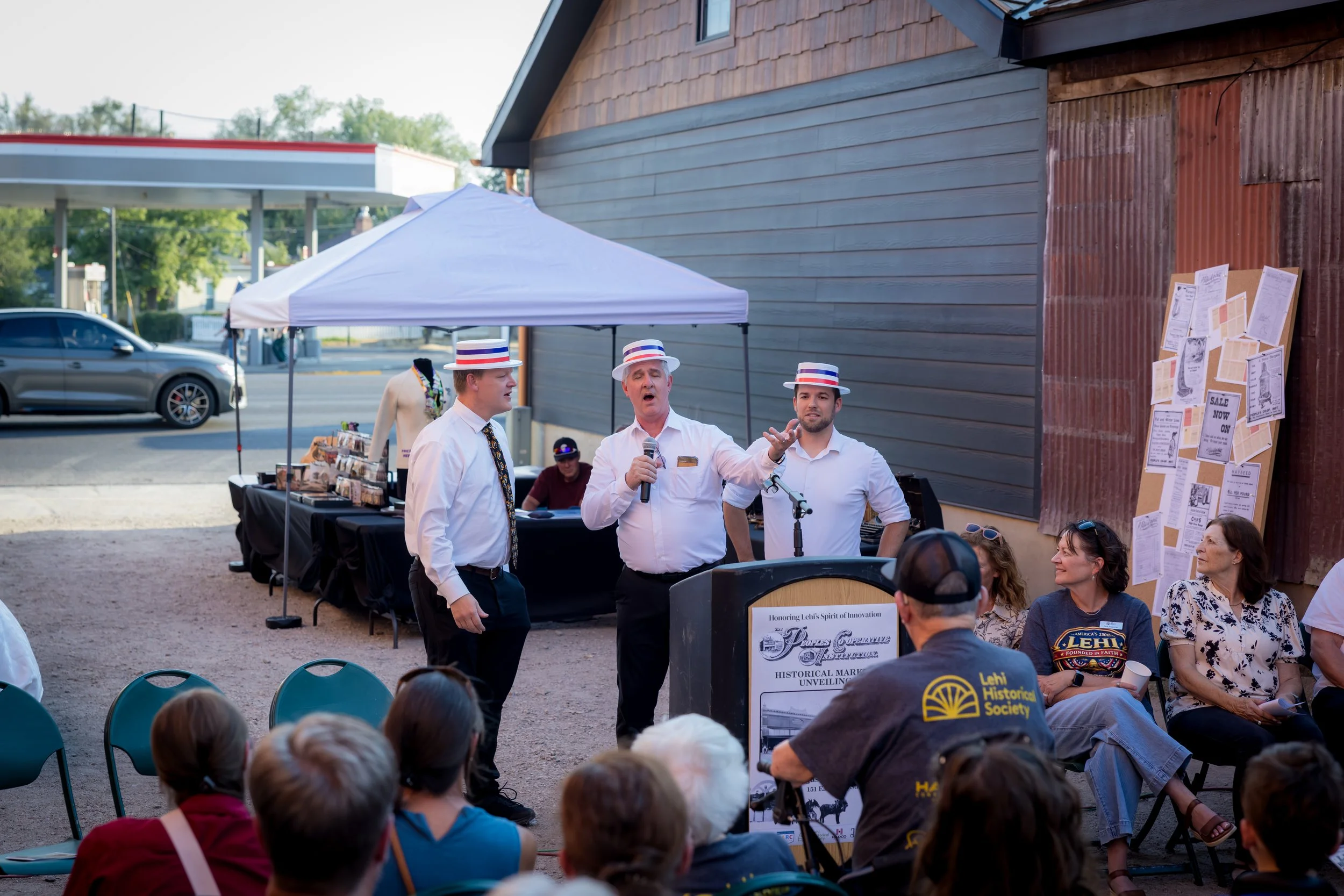
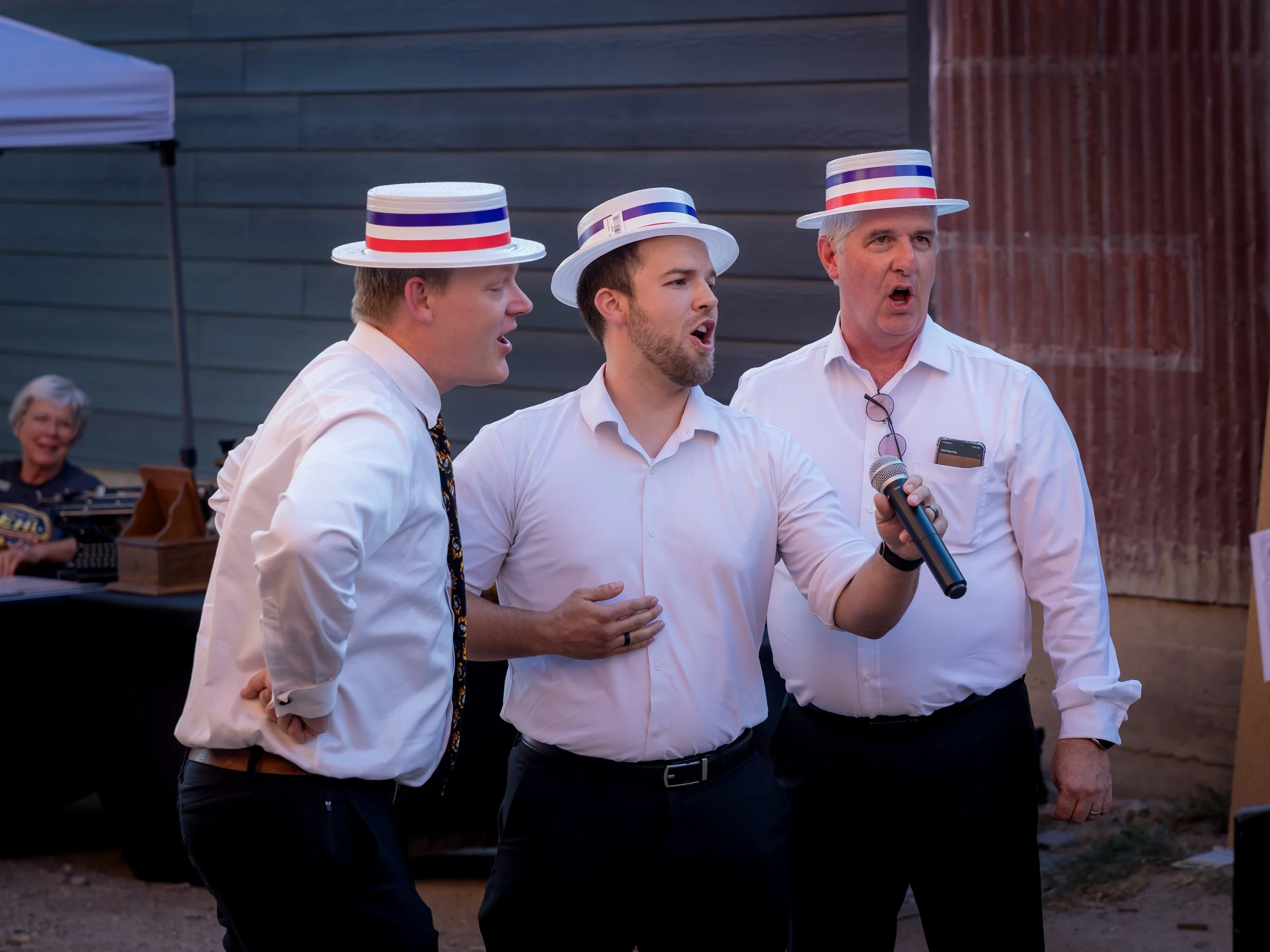
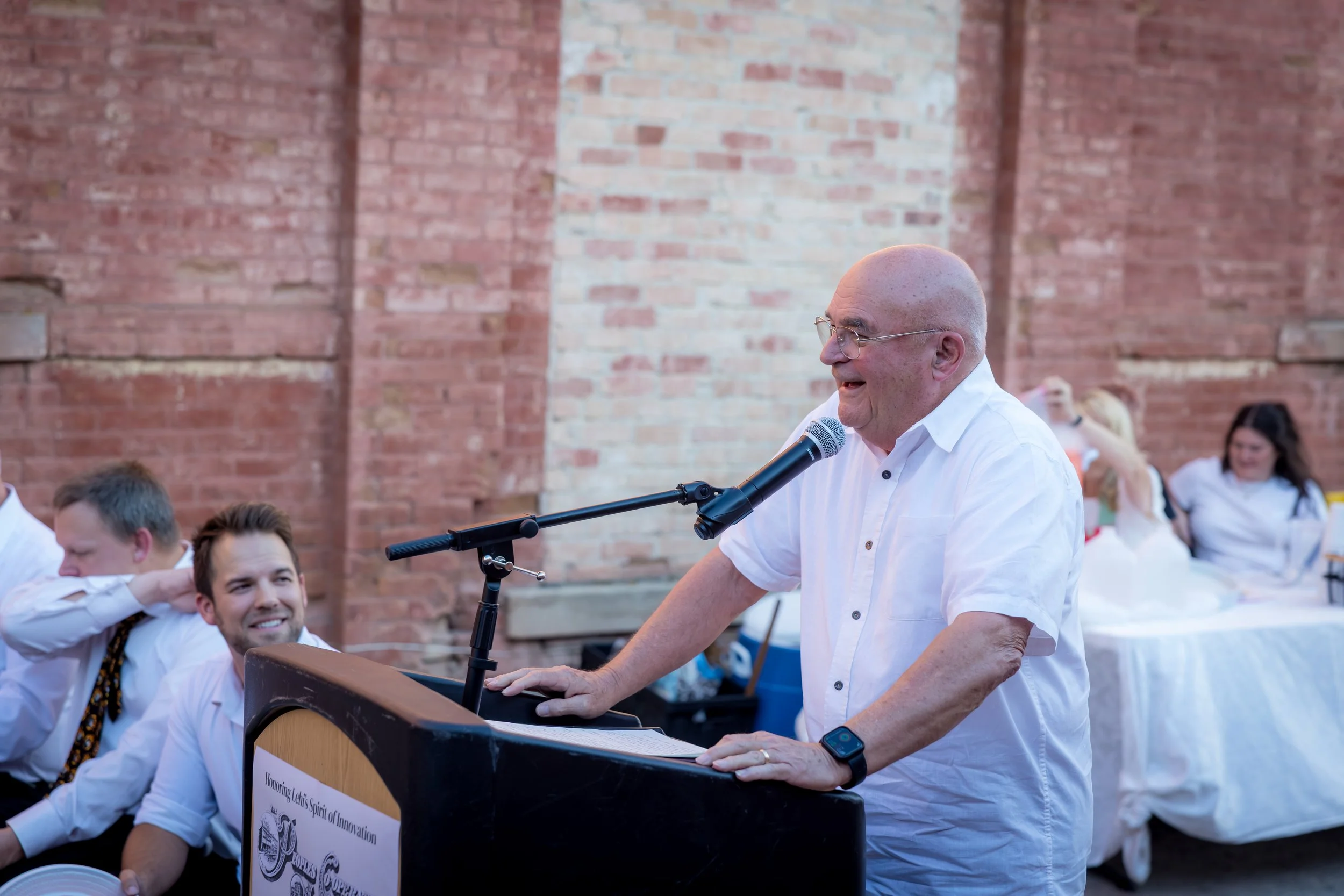
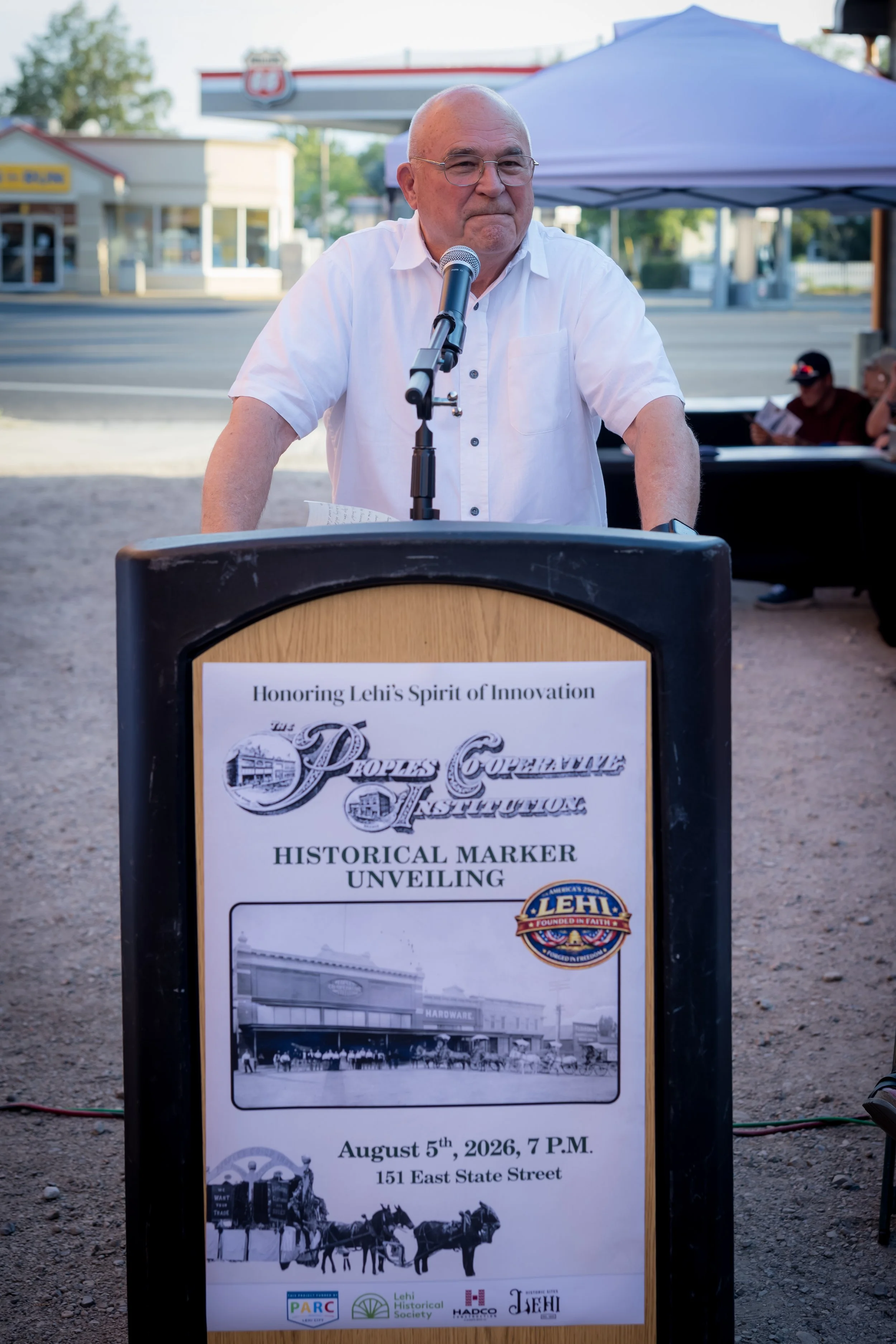
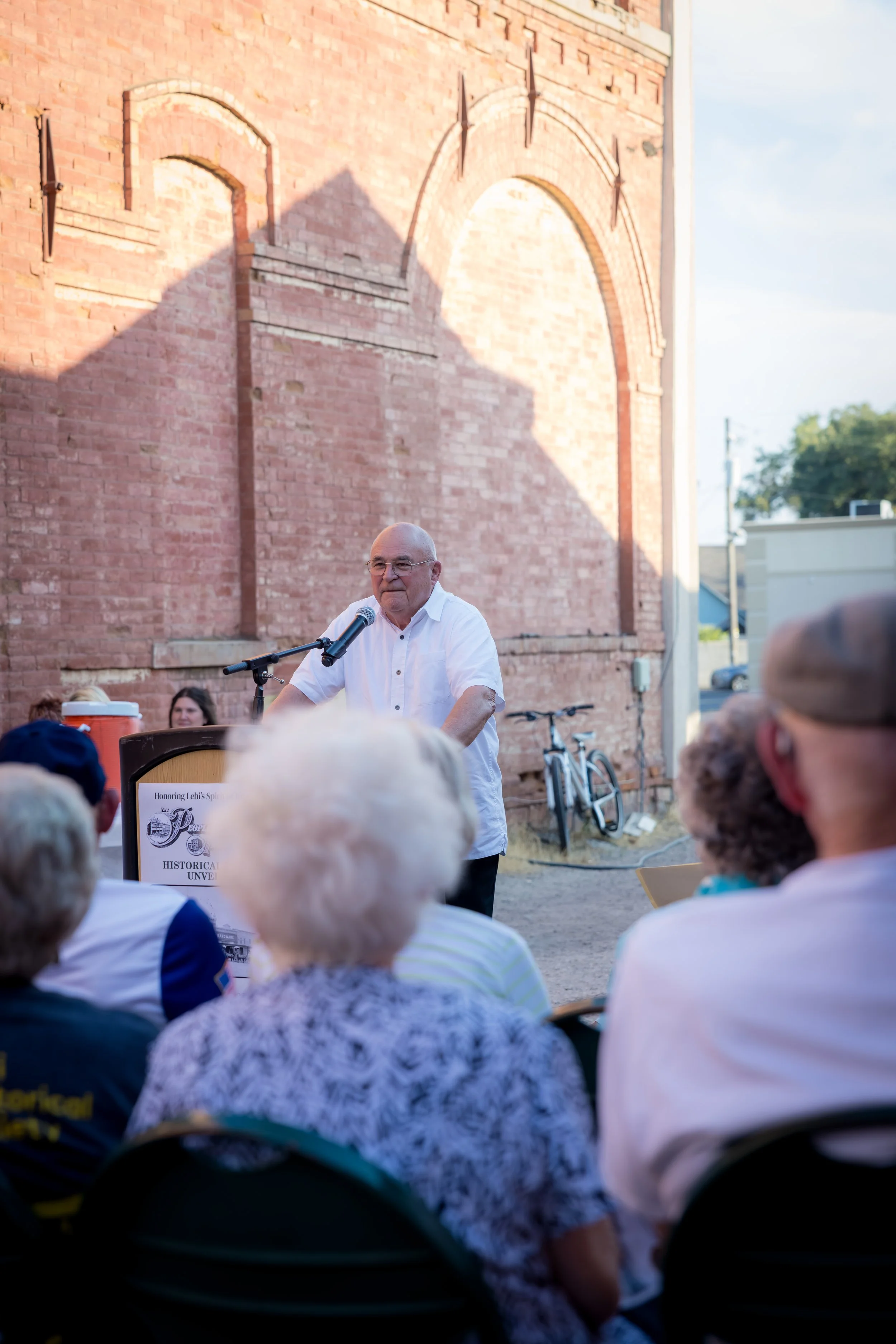
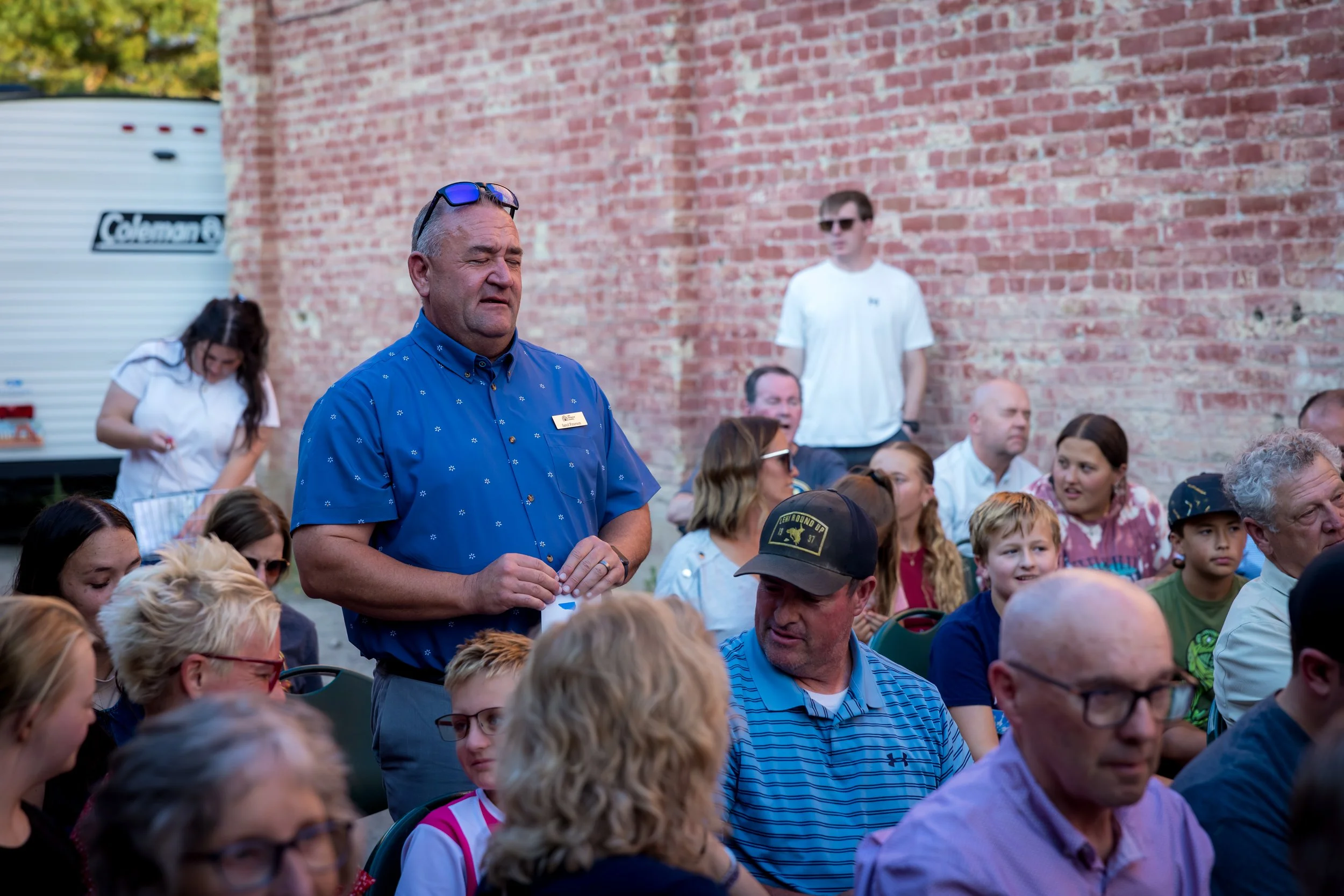
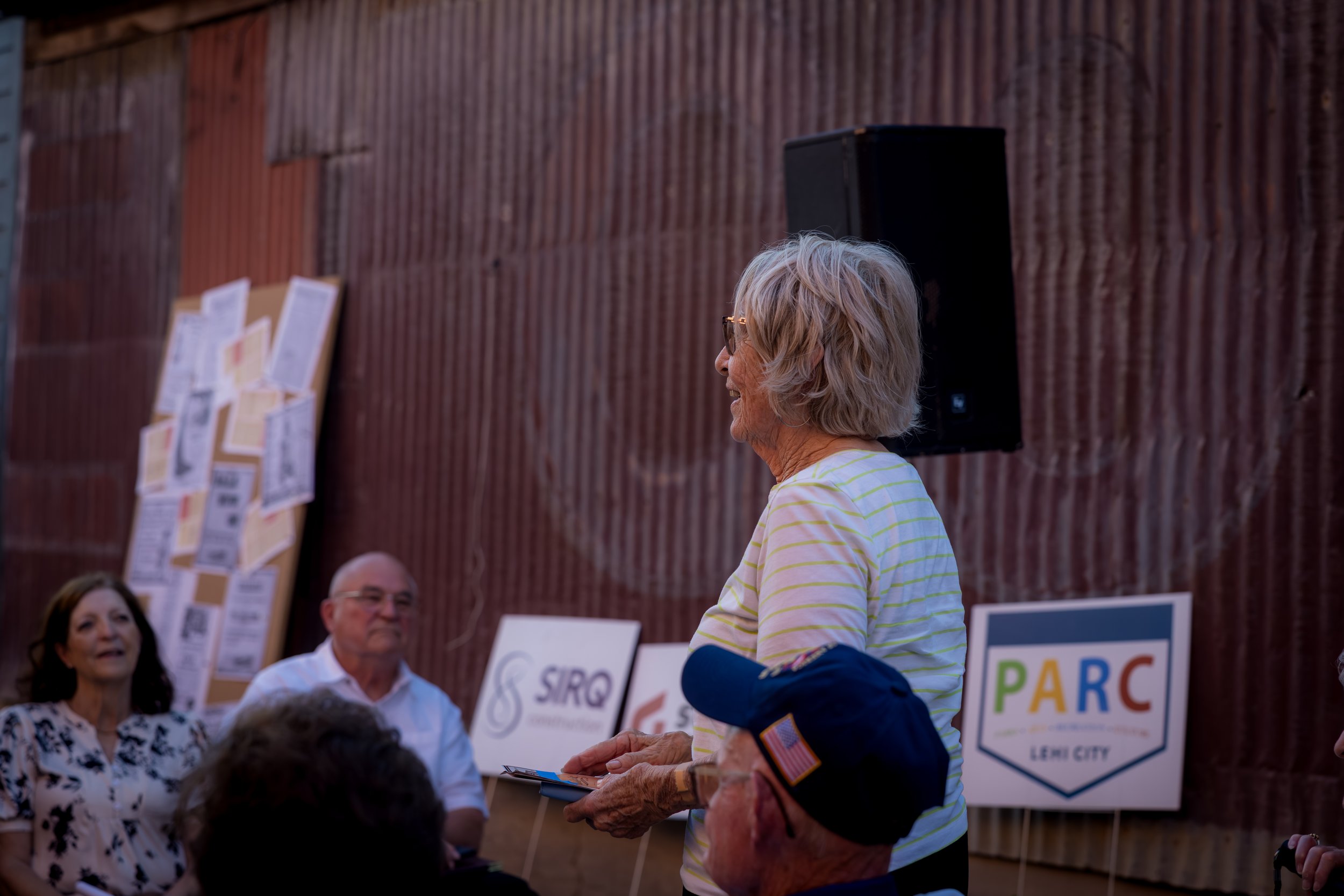
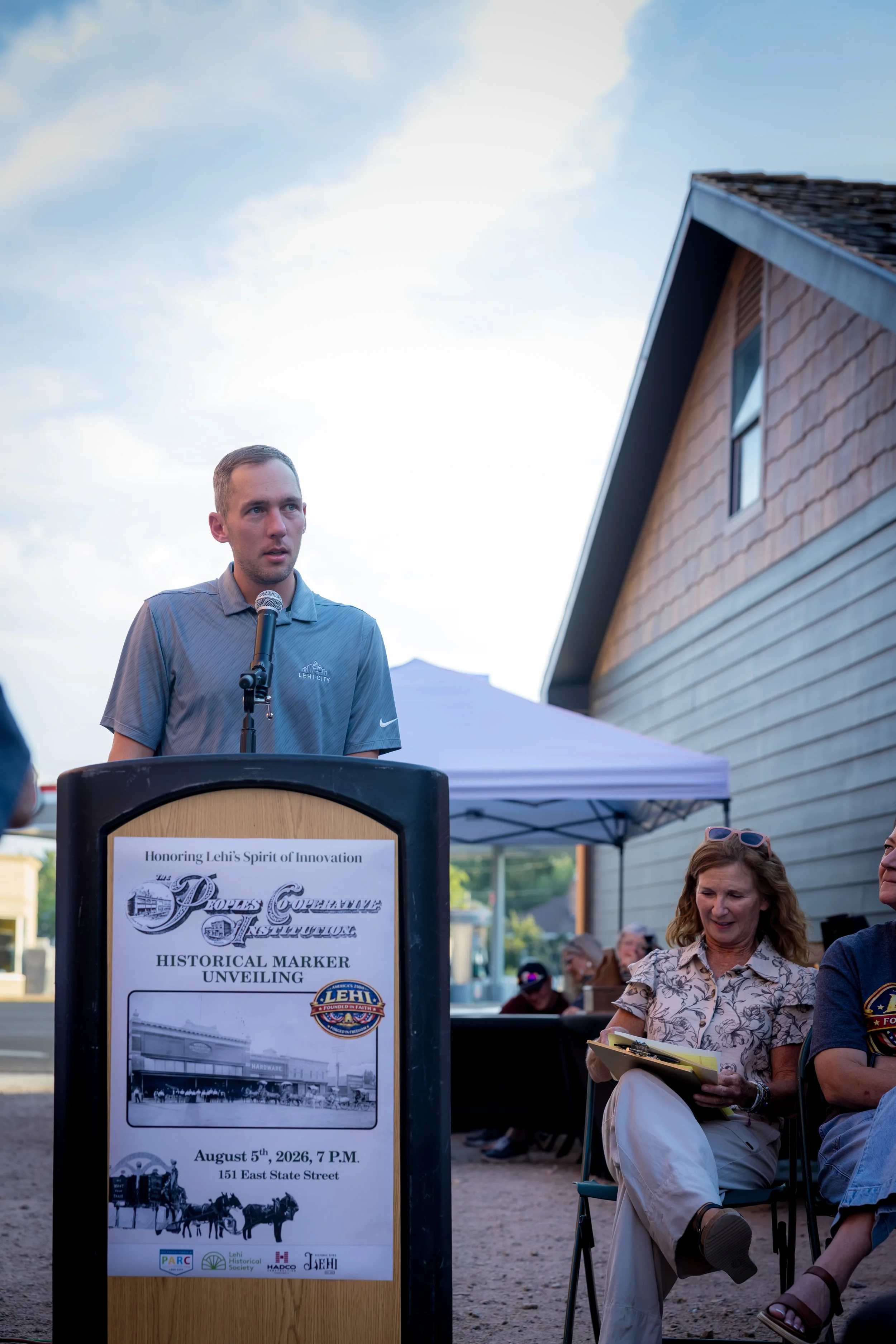
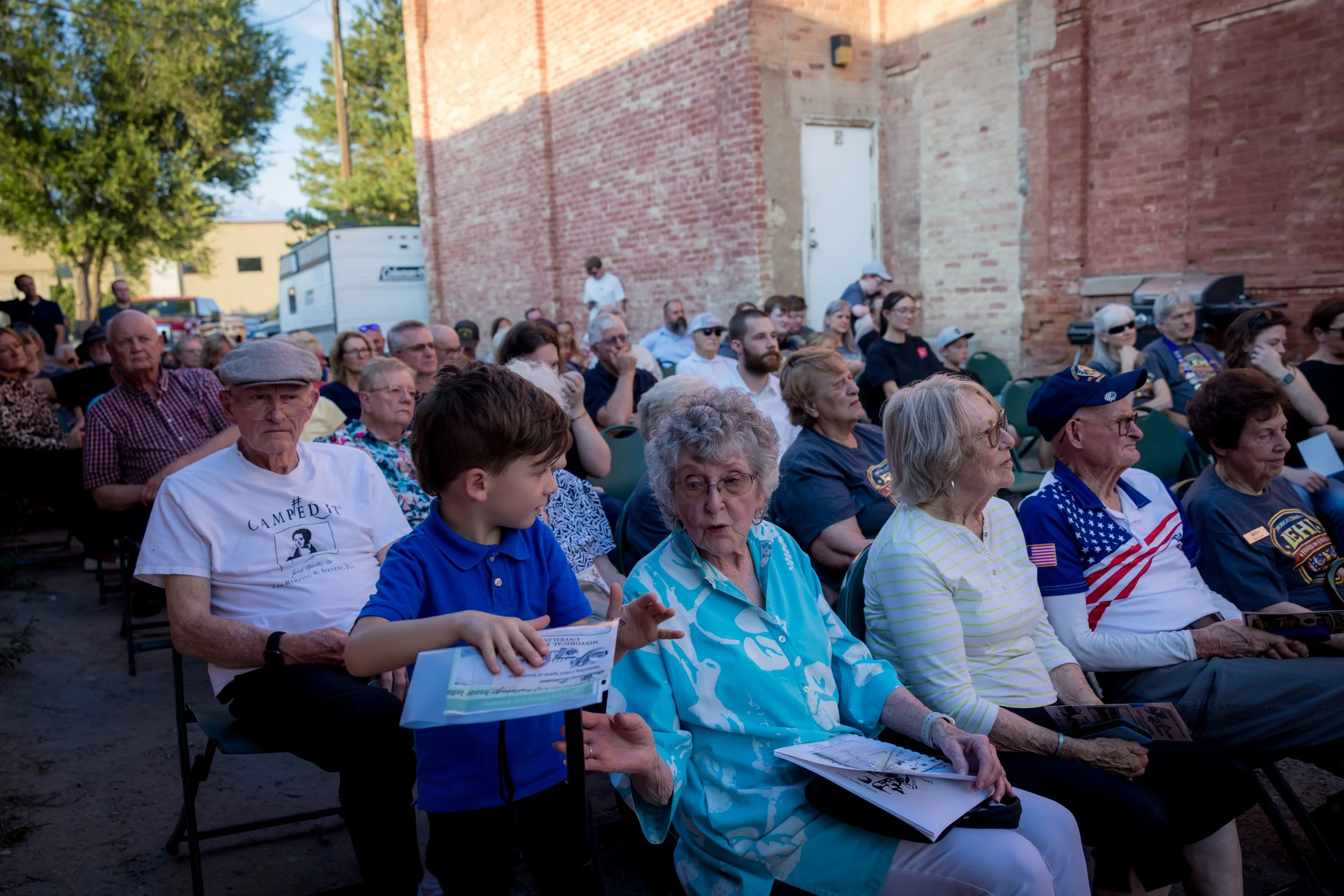
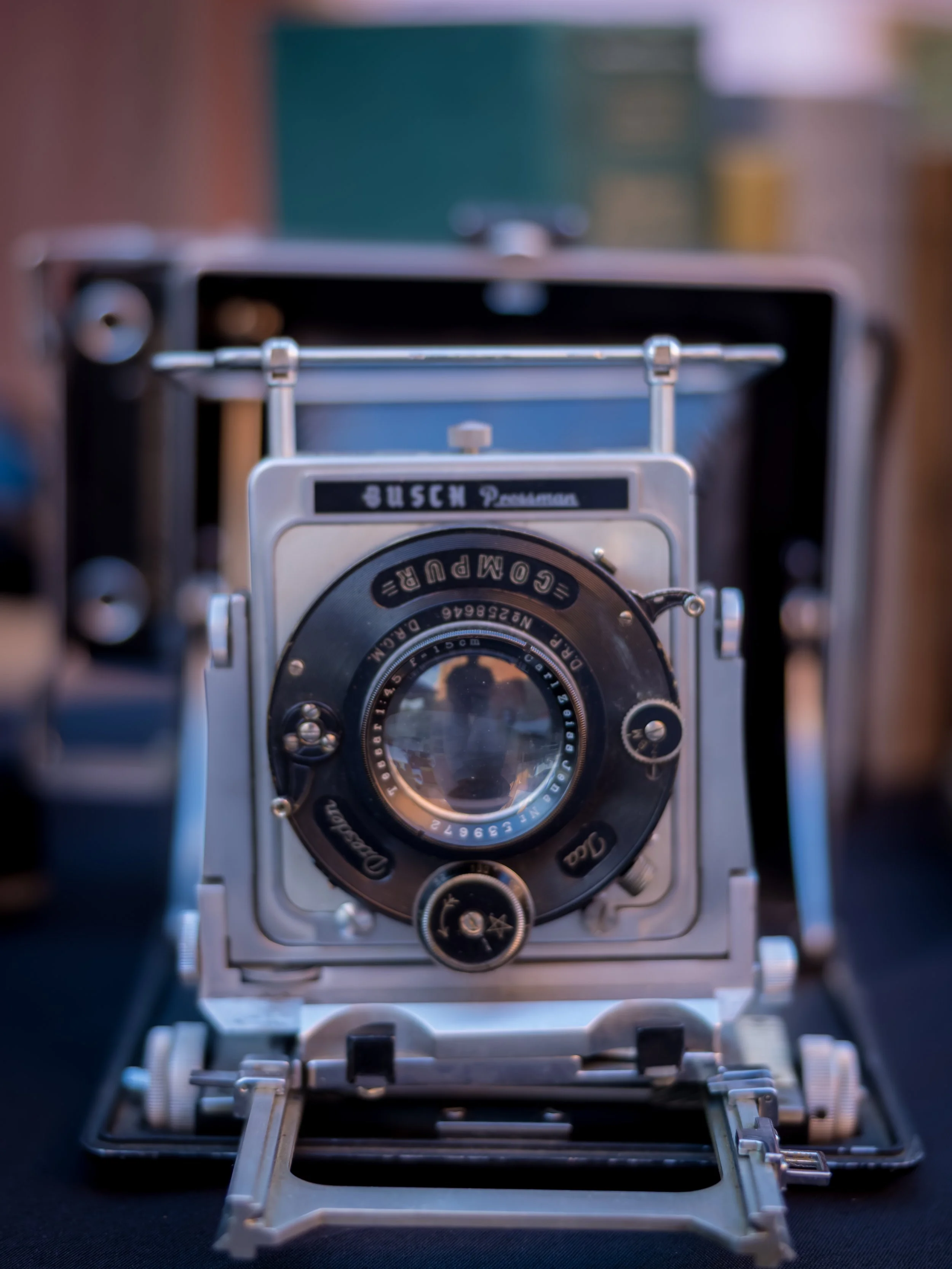
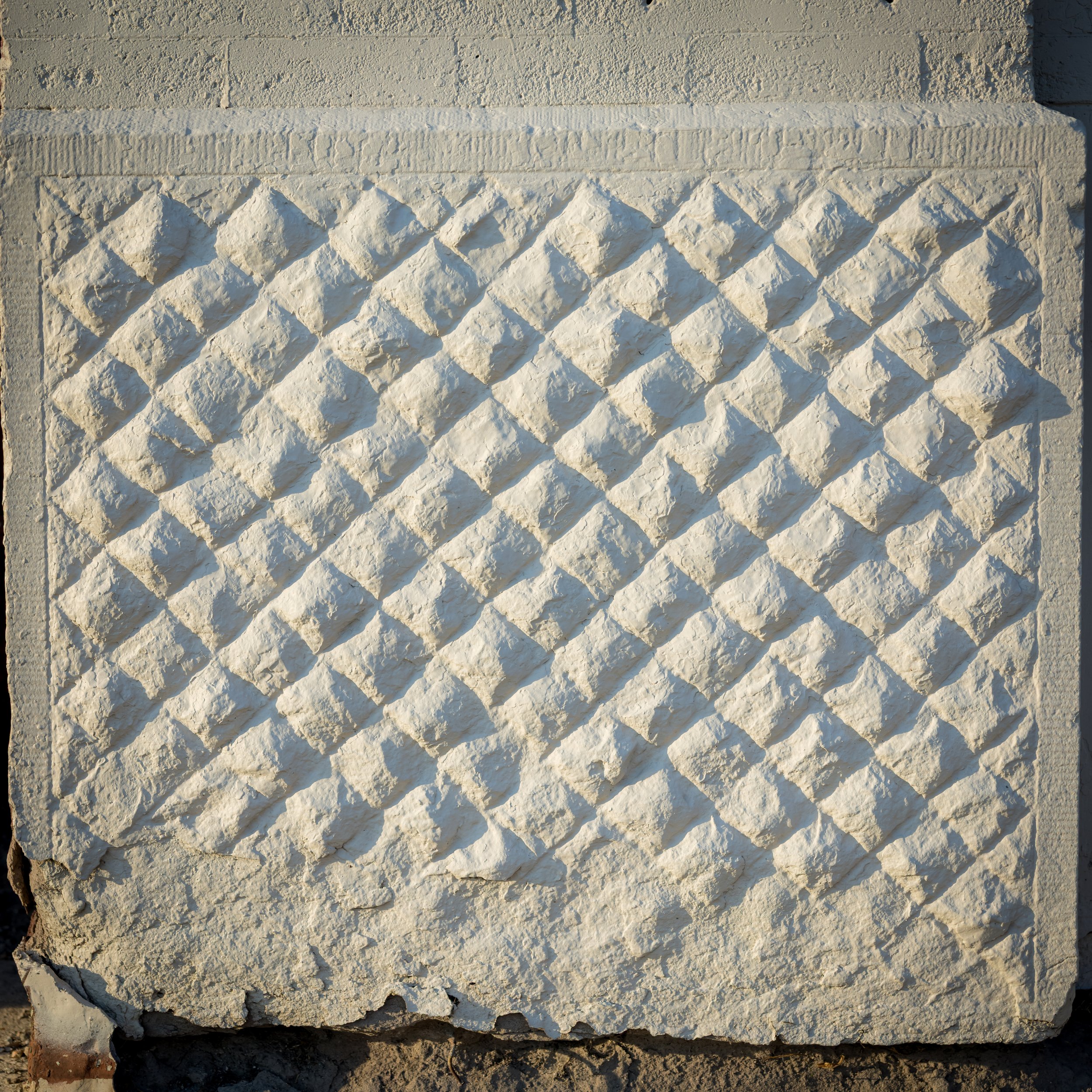
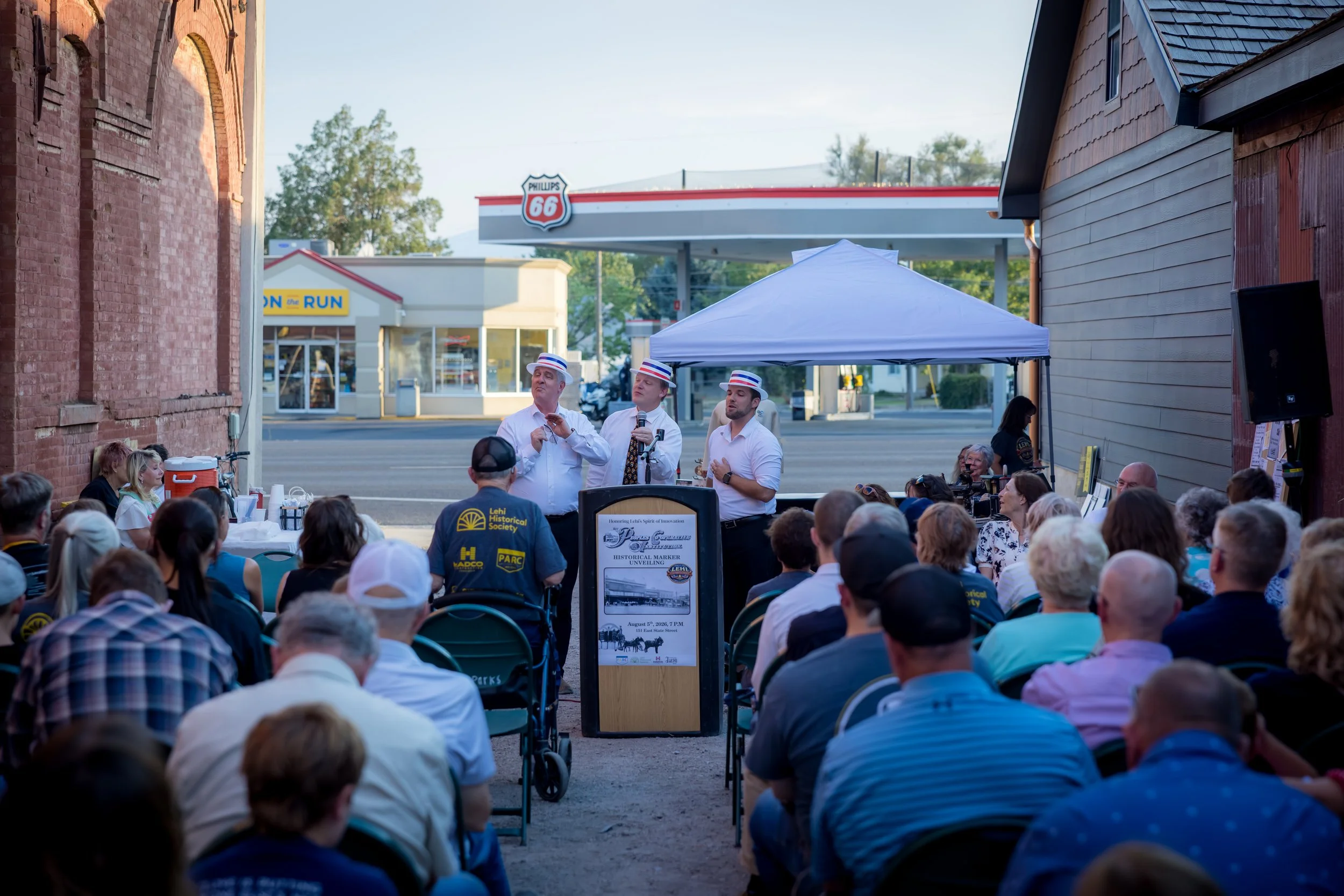
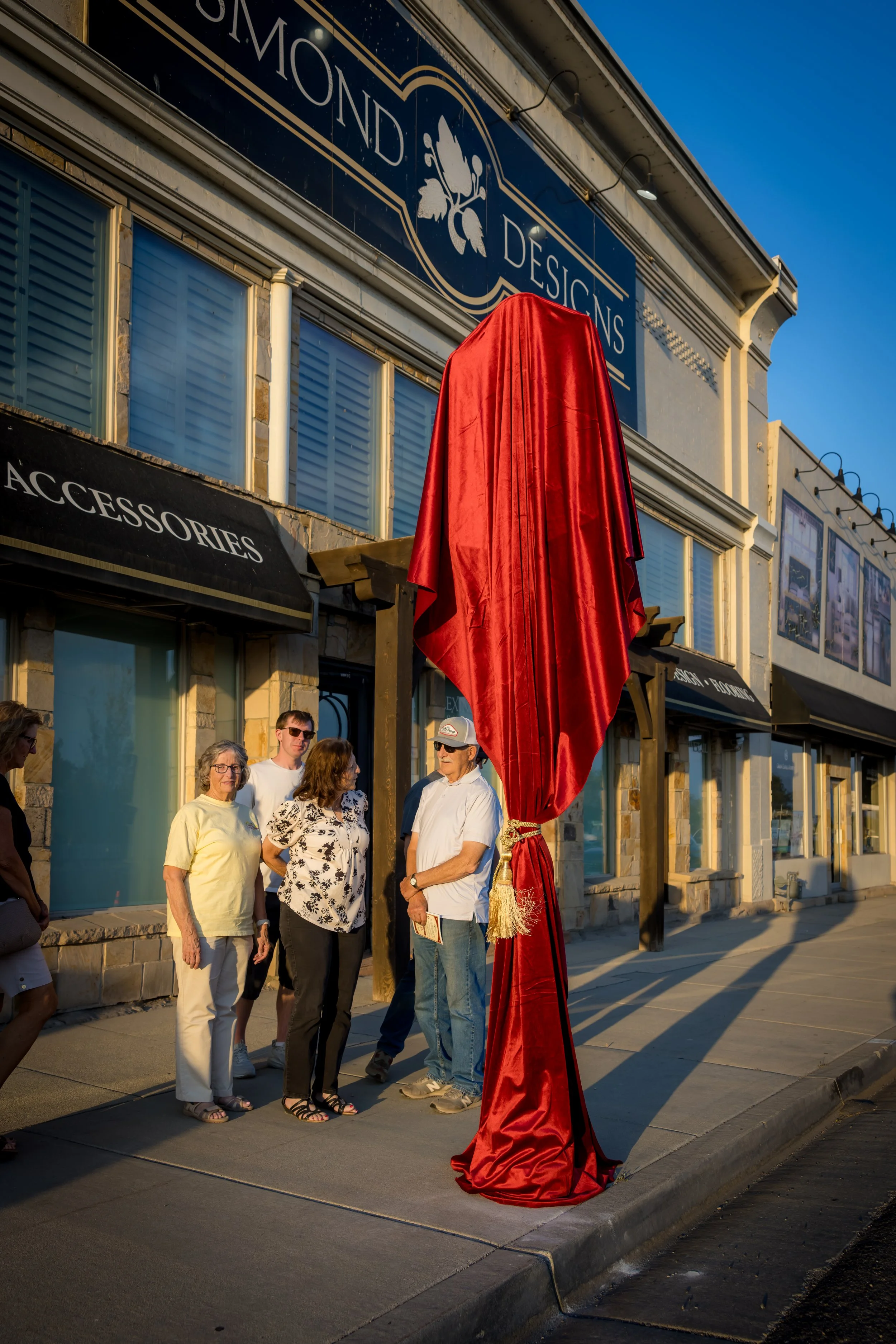
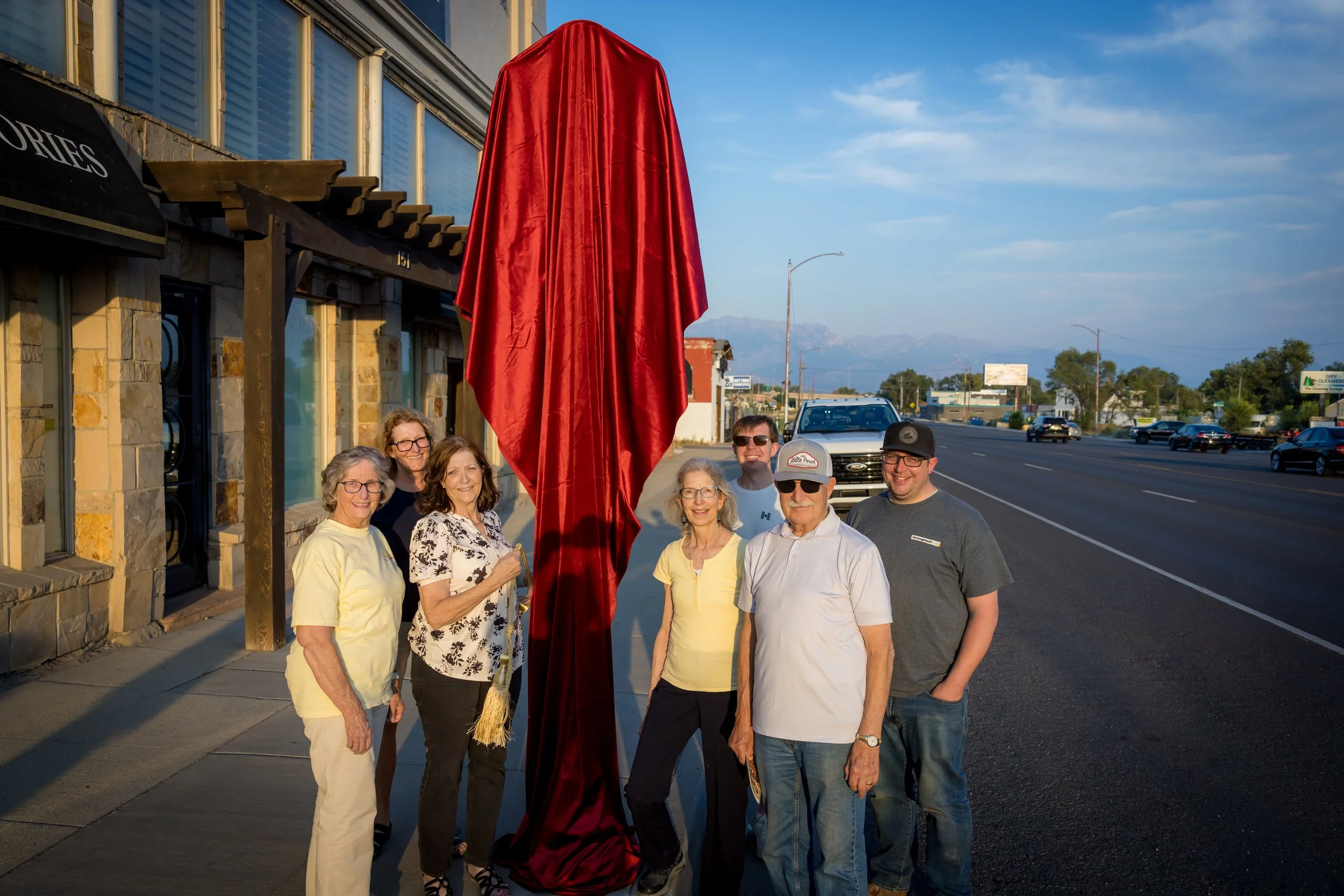
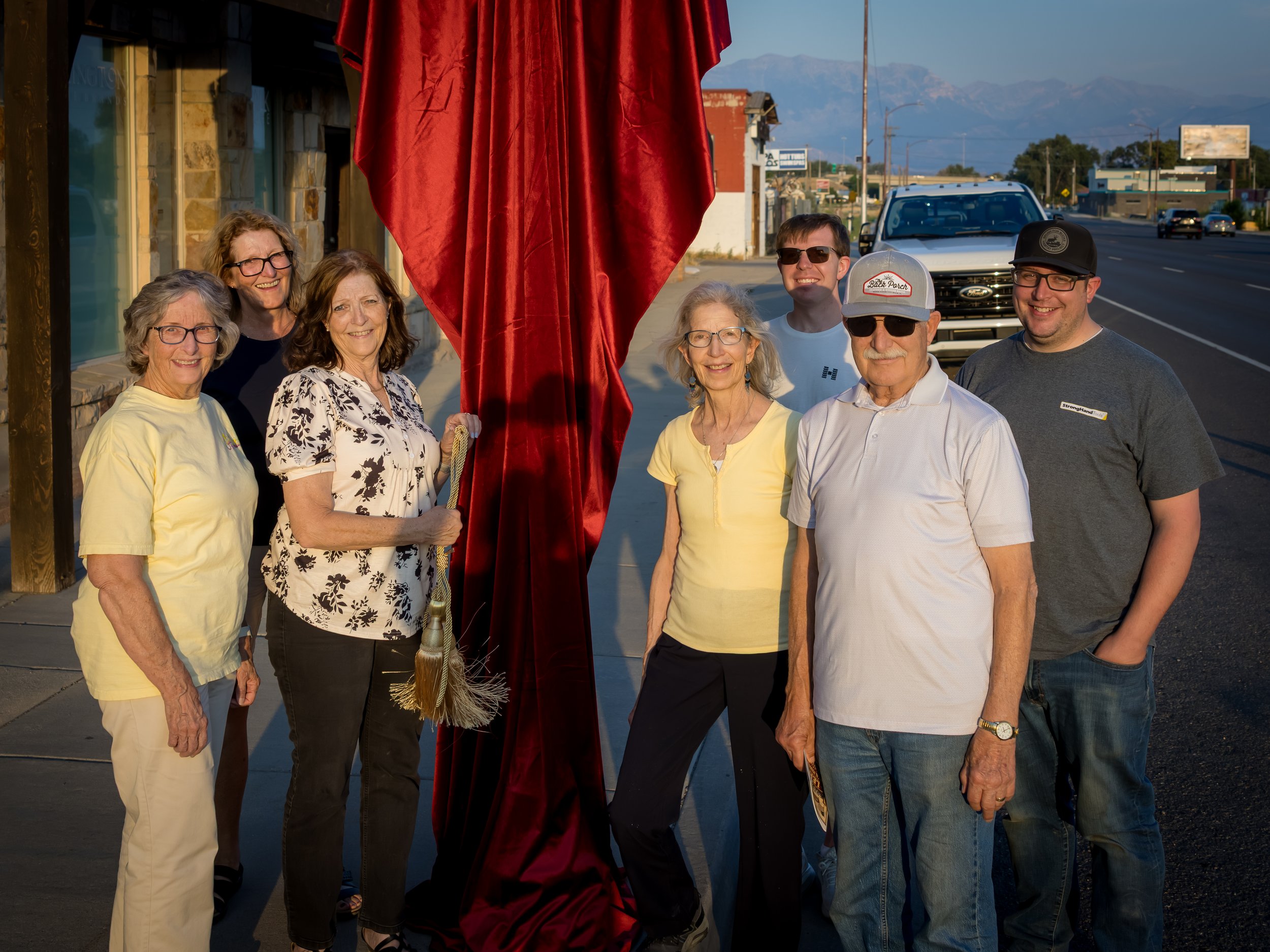
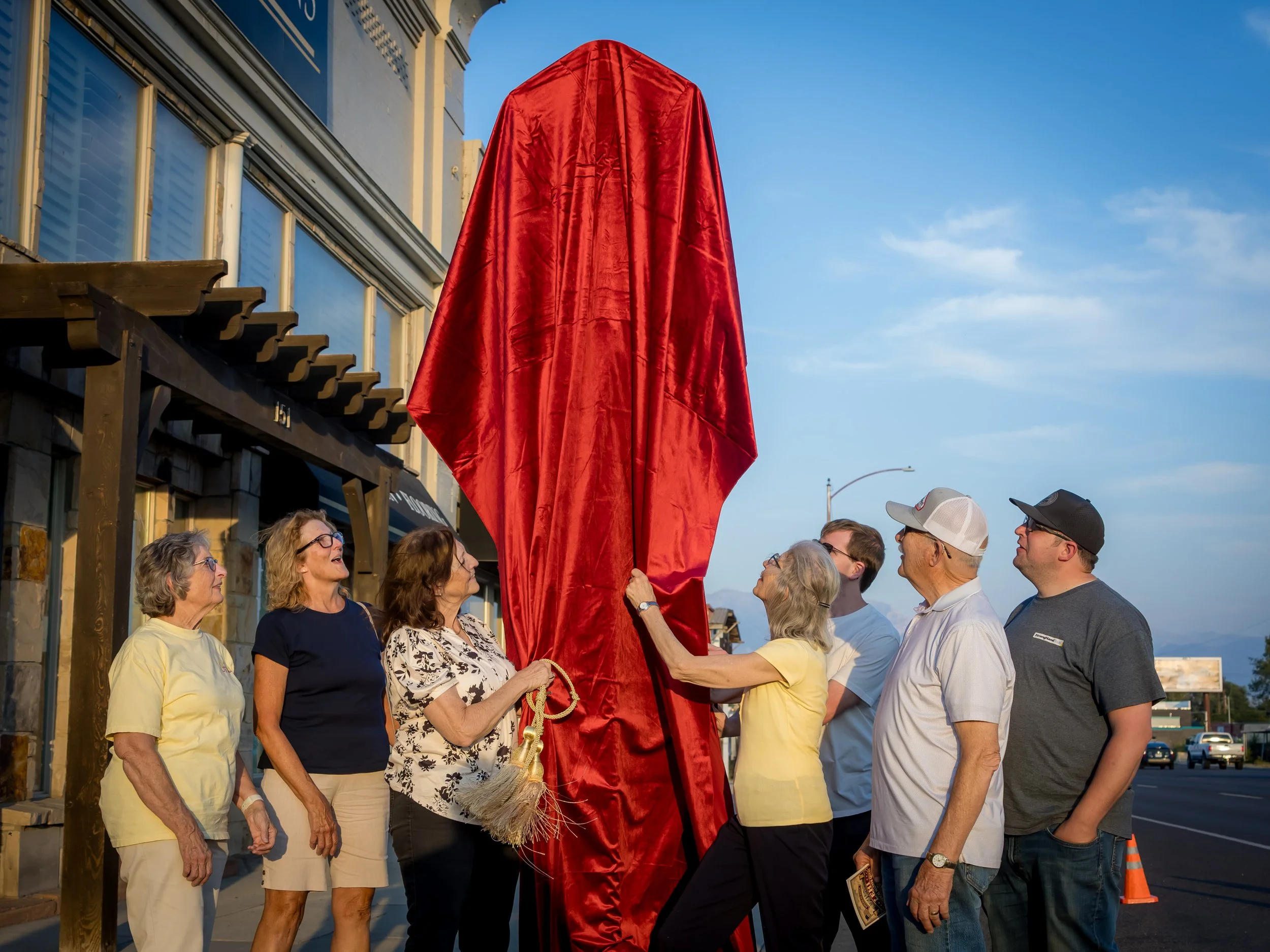
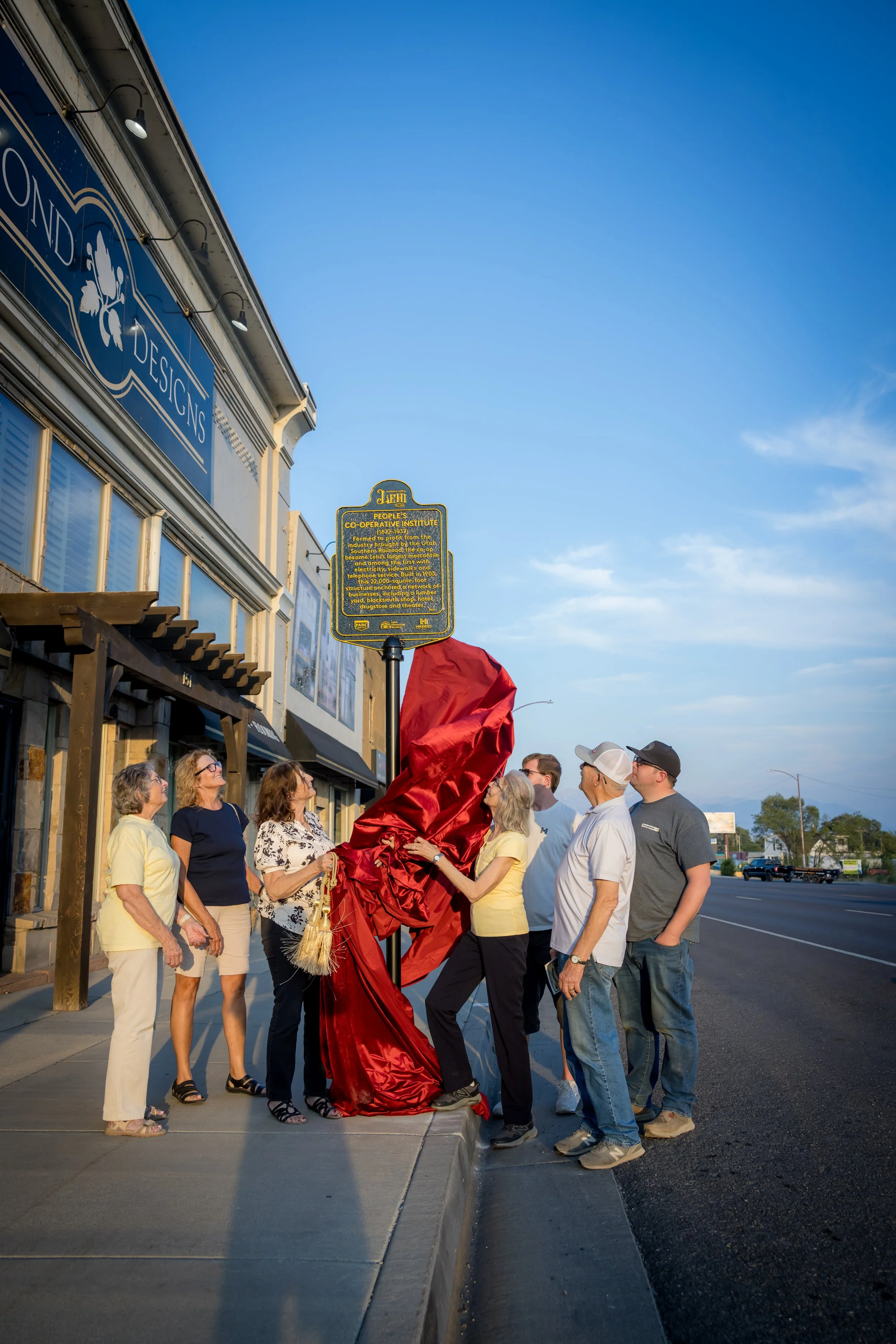
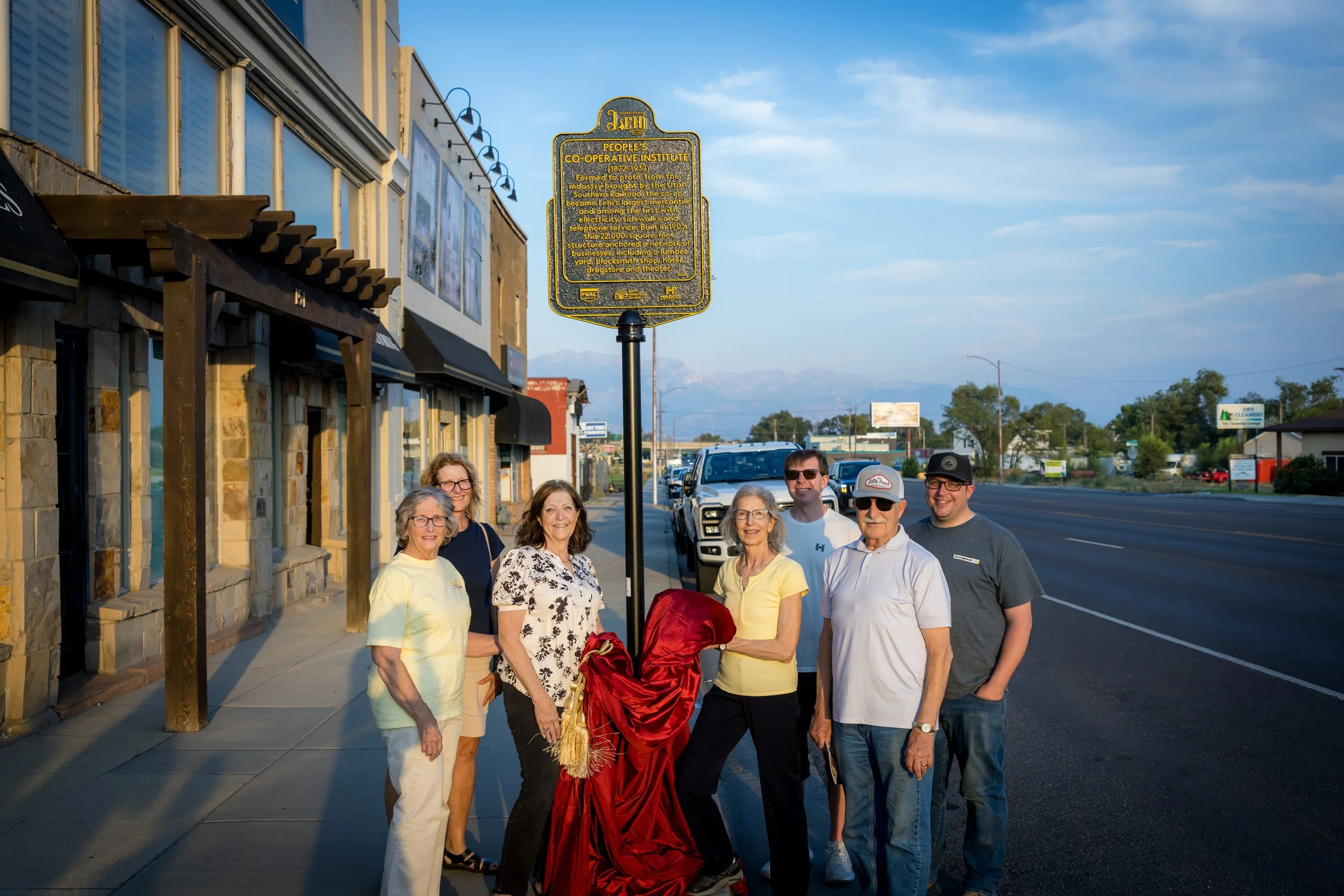
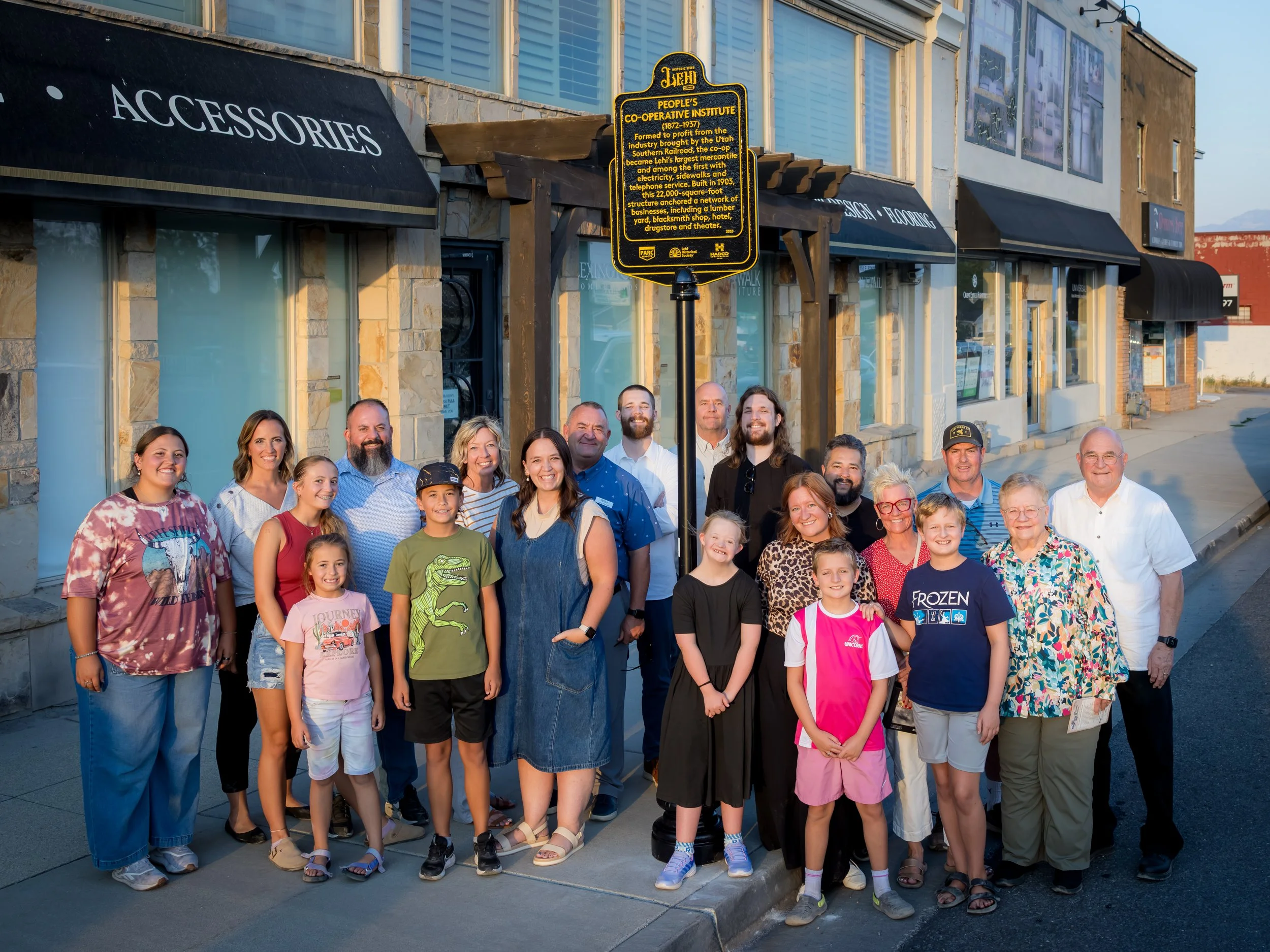
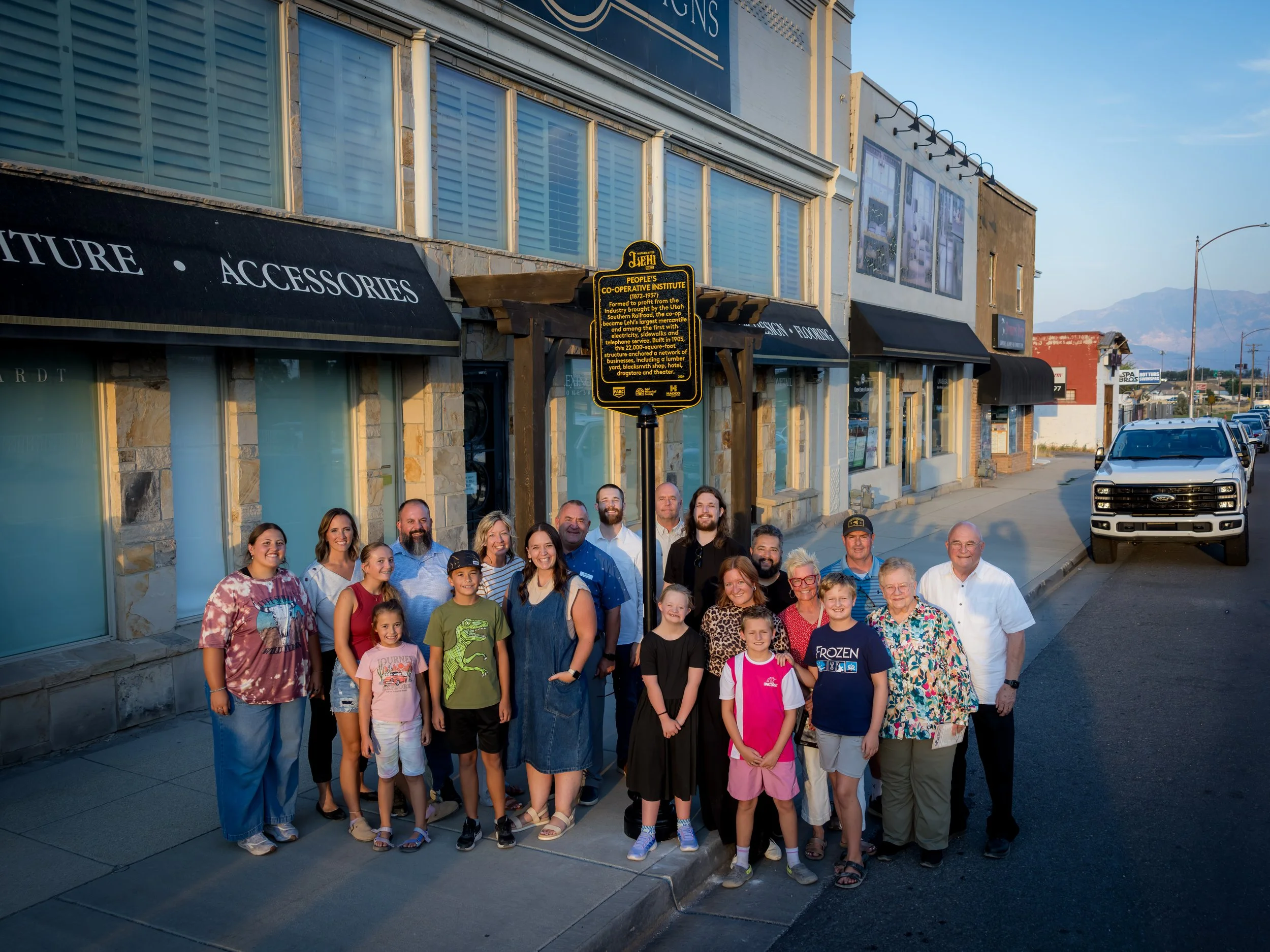
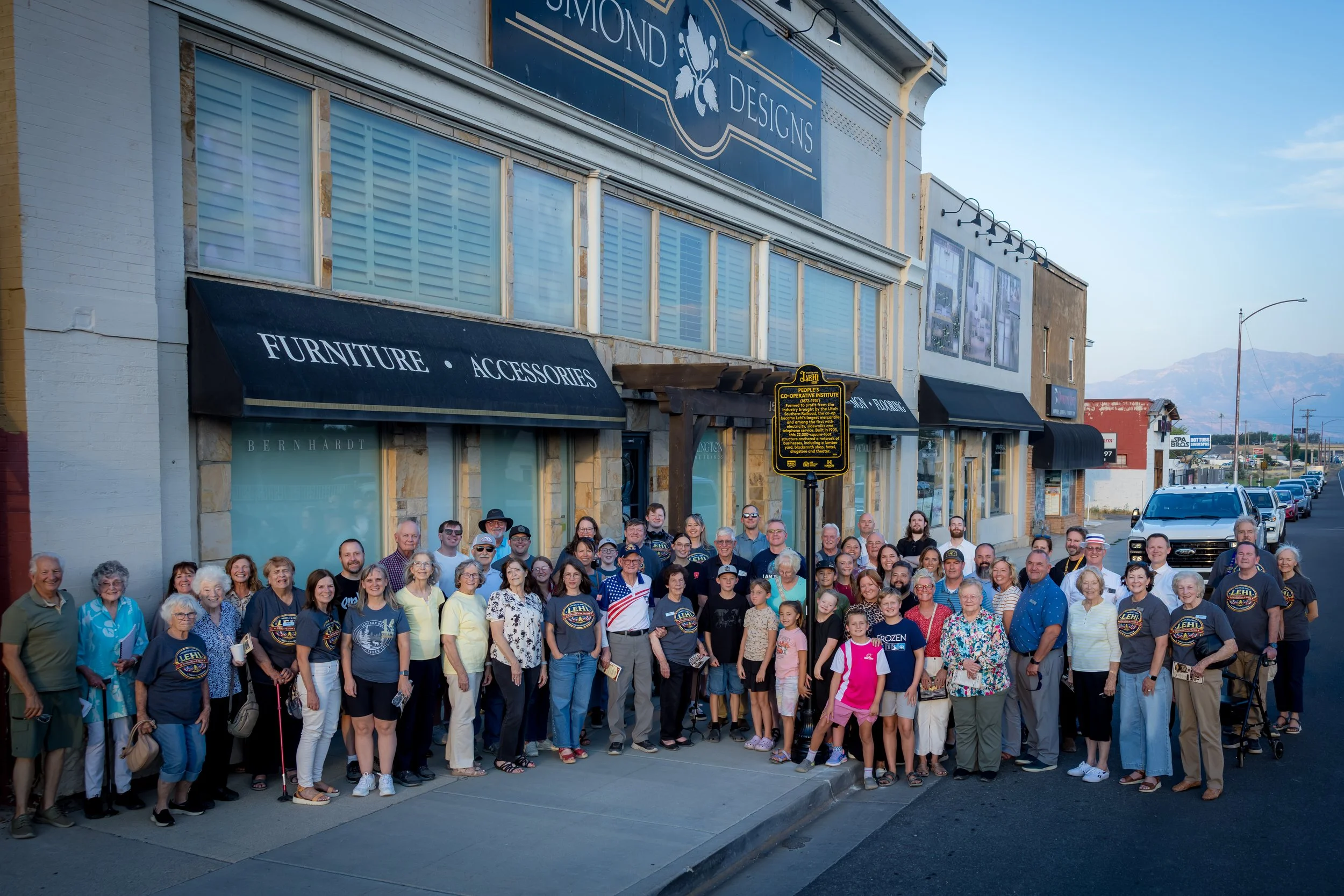
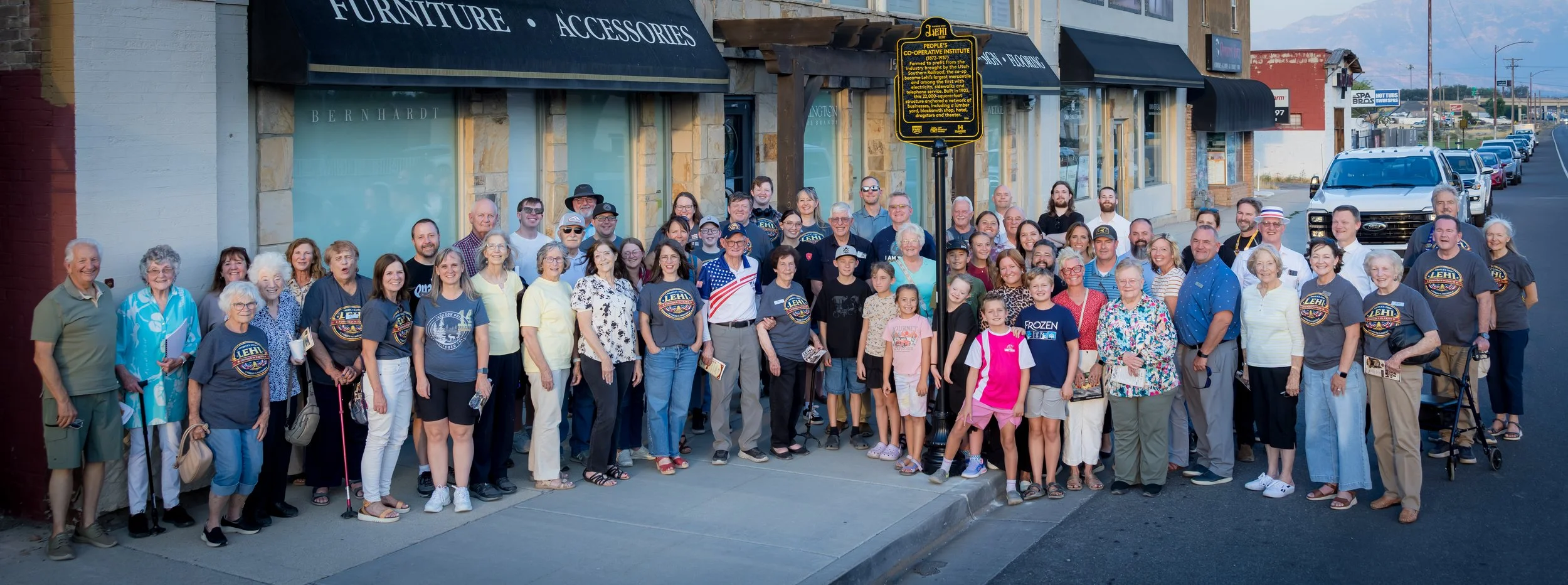
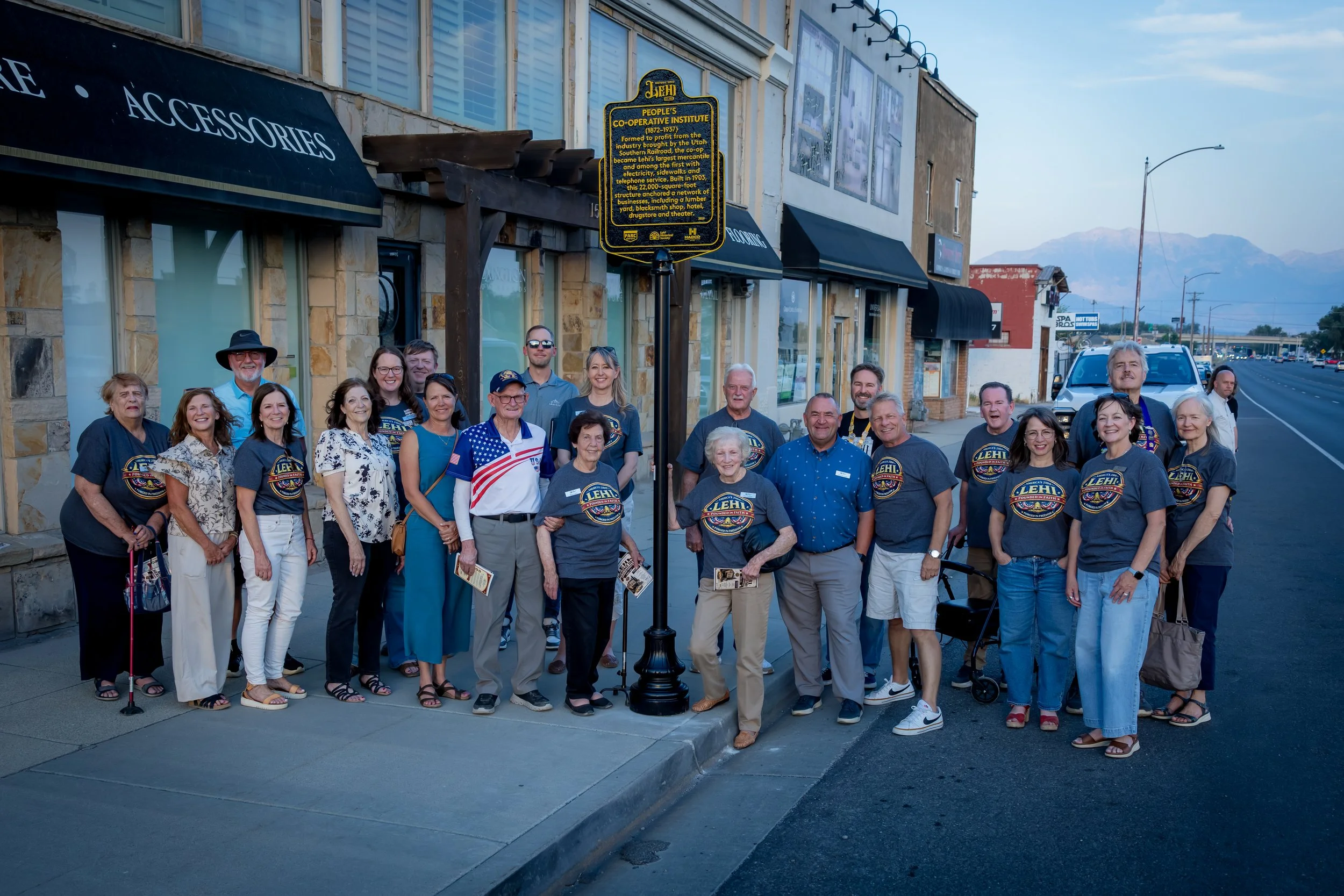
Marker Unveiling
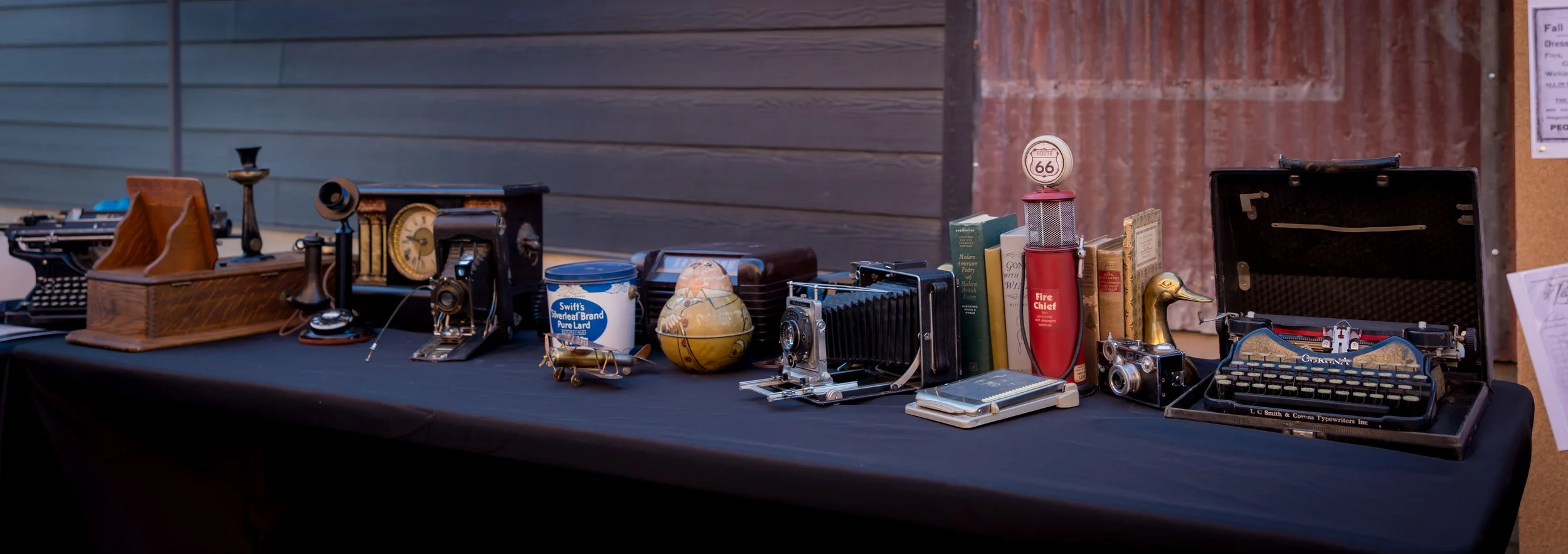
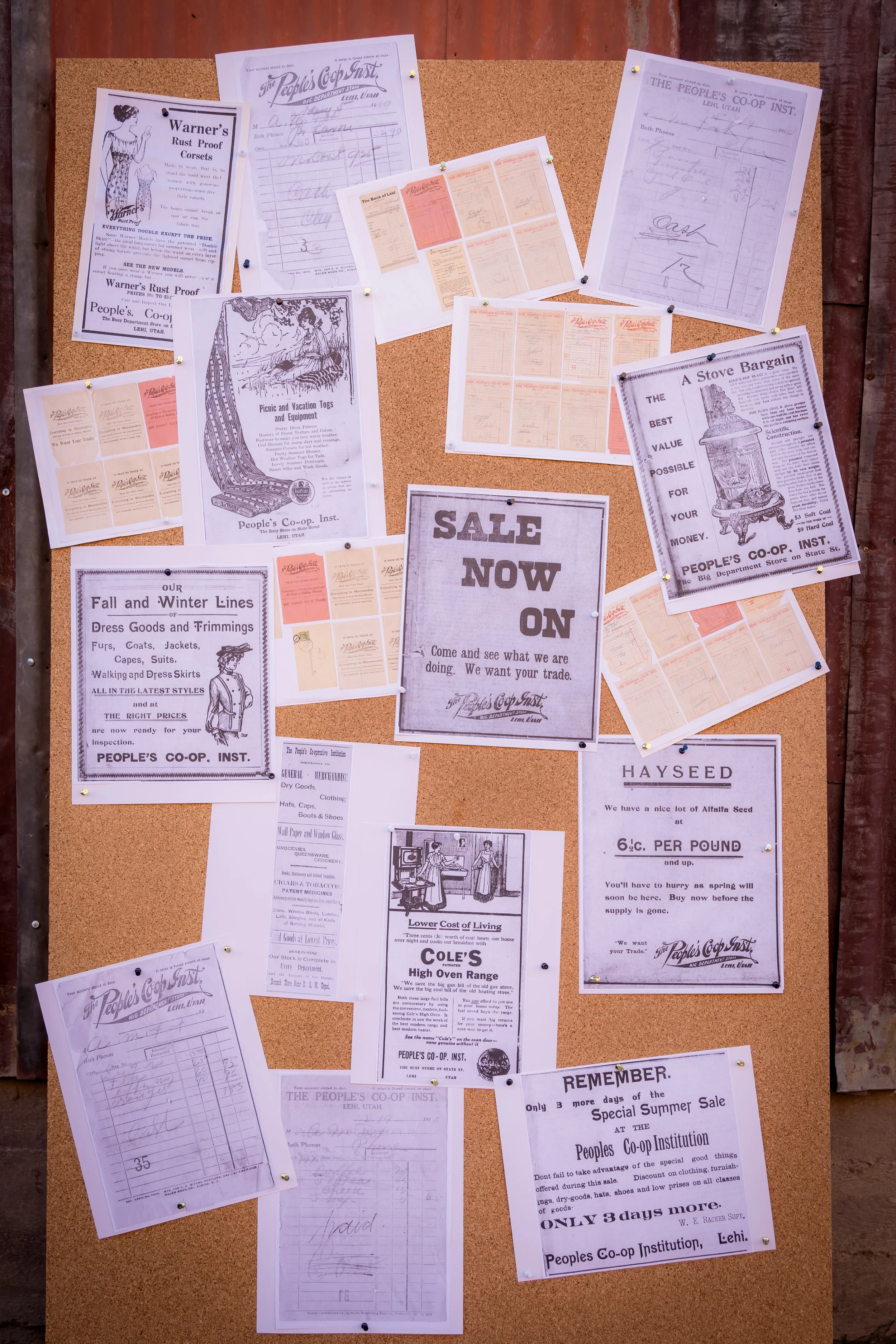
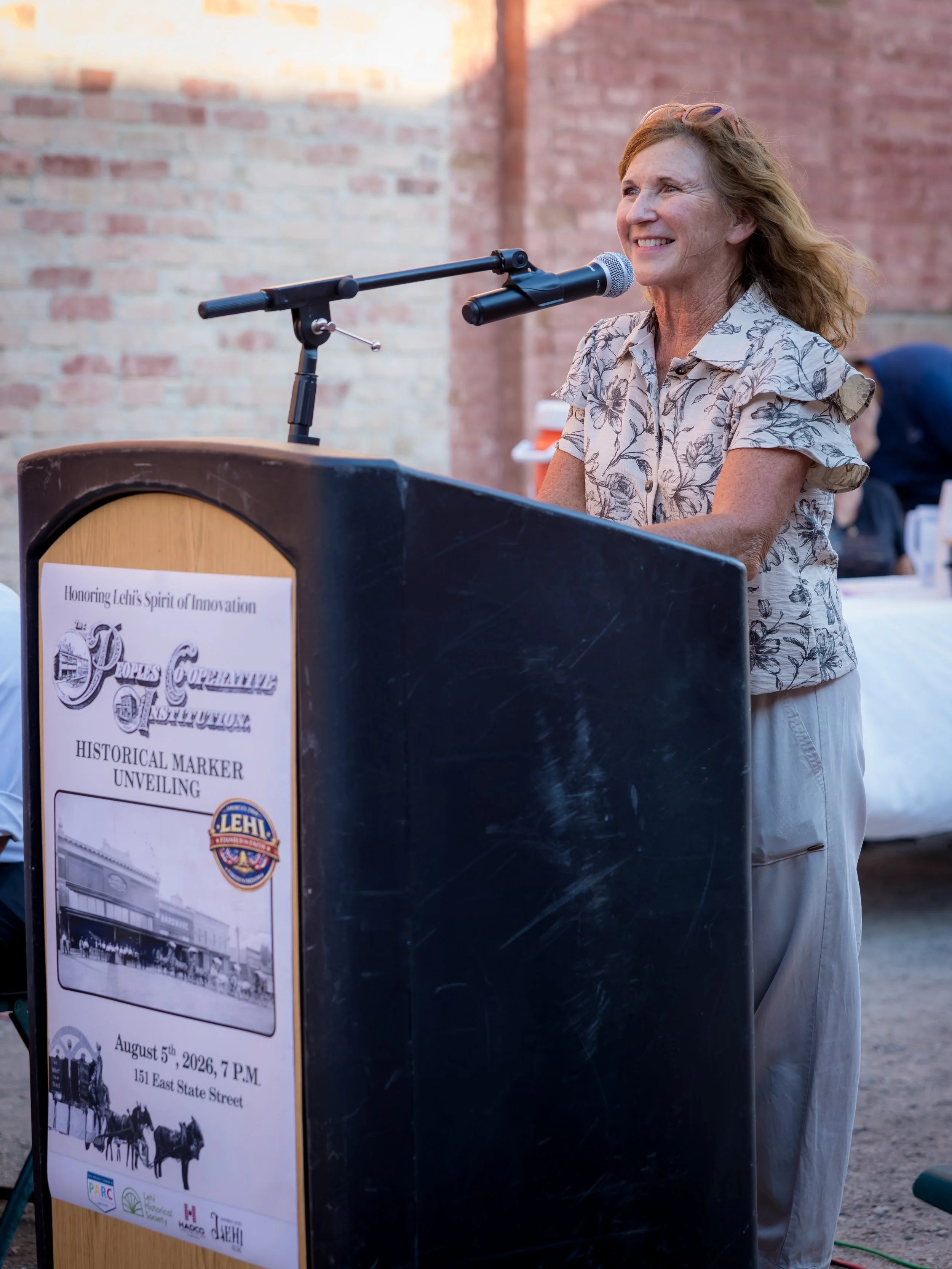



Learn More
Investigate our online archive for more information on the People’s Co-op.

Content Contributors
Lee Anderson, Lehi Historical Society
Chelsee Rigby, University of Utah
Taylor Natt, University of Utah
Kasia May, University of Utah
Support our Mission
Purchase collector marker pins to show your Lehi spirit! Your purchase will support the Lehi Historical Marker Program and the Lehi Historical Society. There are currently 15 pins available in our gift shop
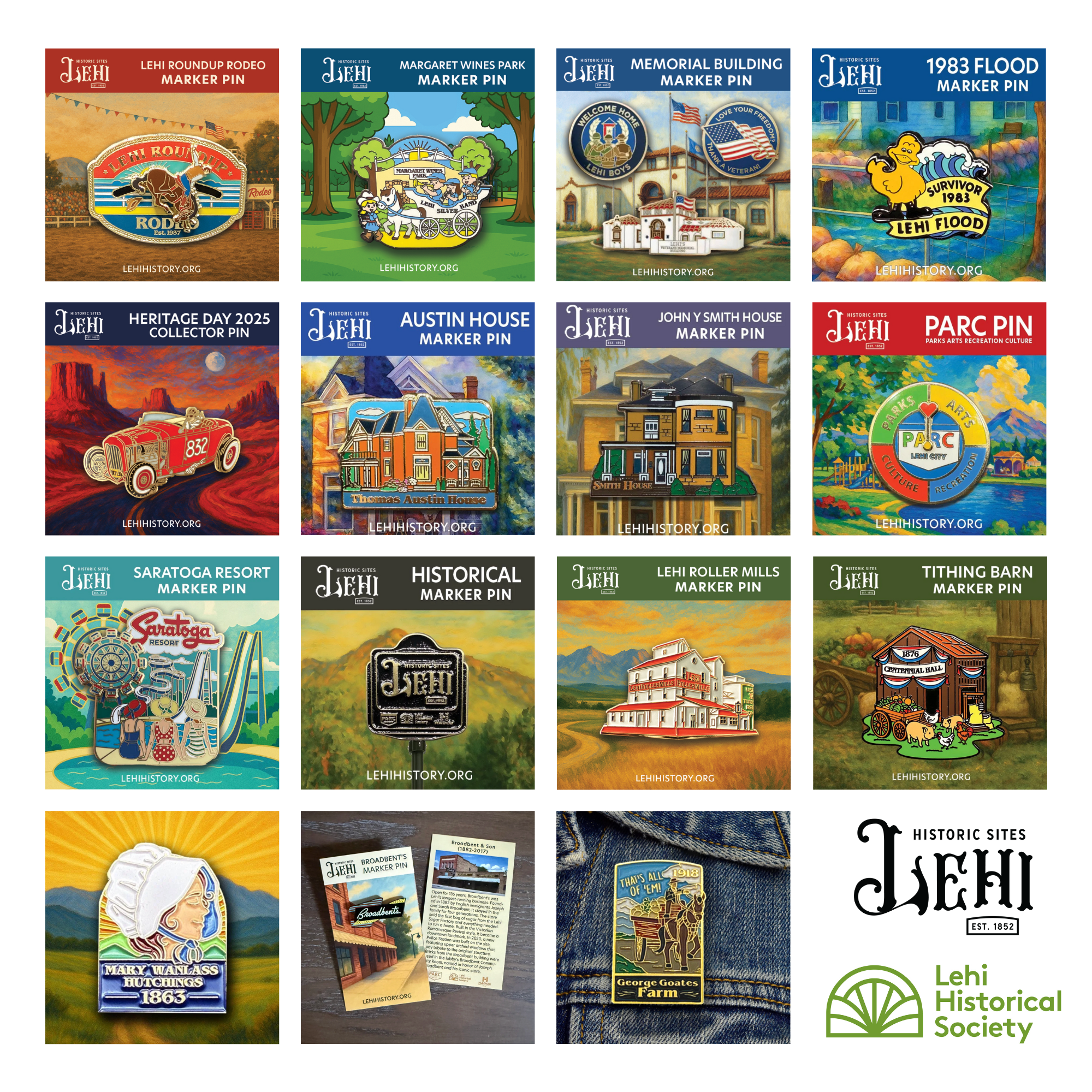
Celebrate Lehi’s history with our complete 15-pin collection. This special bundle includes one of each enamel pin from the Historical Marker Collection.
Pins included in the full set:
• Lehi Roundup Rodeo Marker Pin
• Margaret Wines Park Marker Pin
• Memorial Building Marker Pin
• 1983 Flood Marker Pin
• Heritage Day 2025 Collector Pin
• Austin House Marker Pin
• John Y Smith House Marker Pin
• PARC Pin
• Saratoga Resort Marker Pin
• Historical Marker Pin
• Lehi Roller Mills Marker Pin
• Tithing Barn Marker Pin
• Mary Wanlass Hutchings 1863 Pin
• Broadbent’s Marker Pin
• George Goates Farm Marker Pin
Each pin reflects a real story from Lehi’s past. Landmarks, founders, the rodeo, community legends, floods, and the places that shaped our city. This full set brings together every marker design in one place. It is perfect for collectors, teachers, longtime Lehi families, newcomers wanting to learn the stories behind our city, or anyone looking for a meaningful gift that supports local history.
Take home the complete collection and own 15 pieces of Lehi’s story.
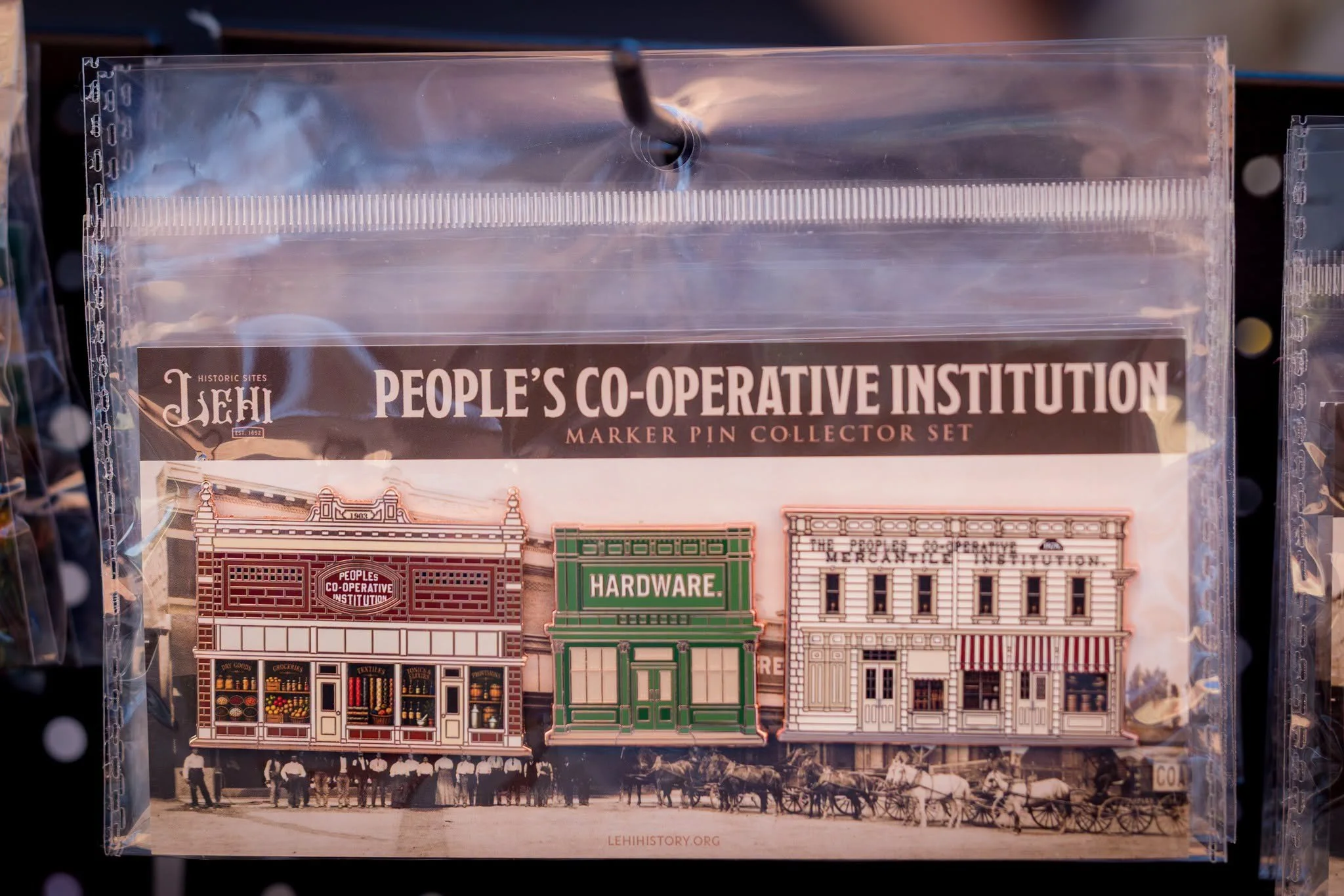
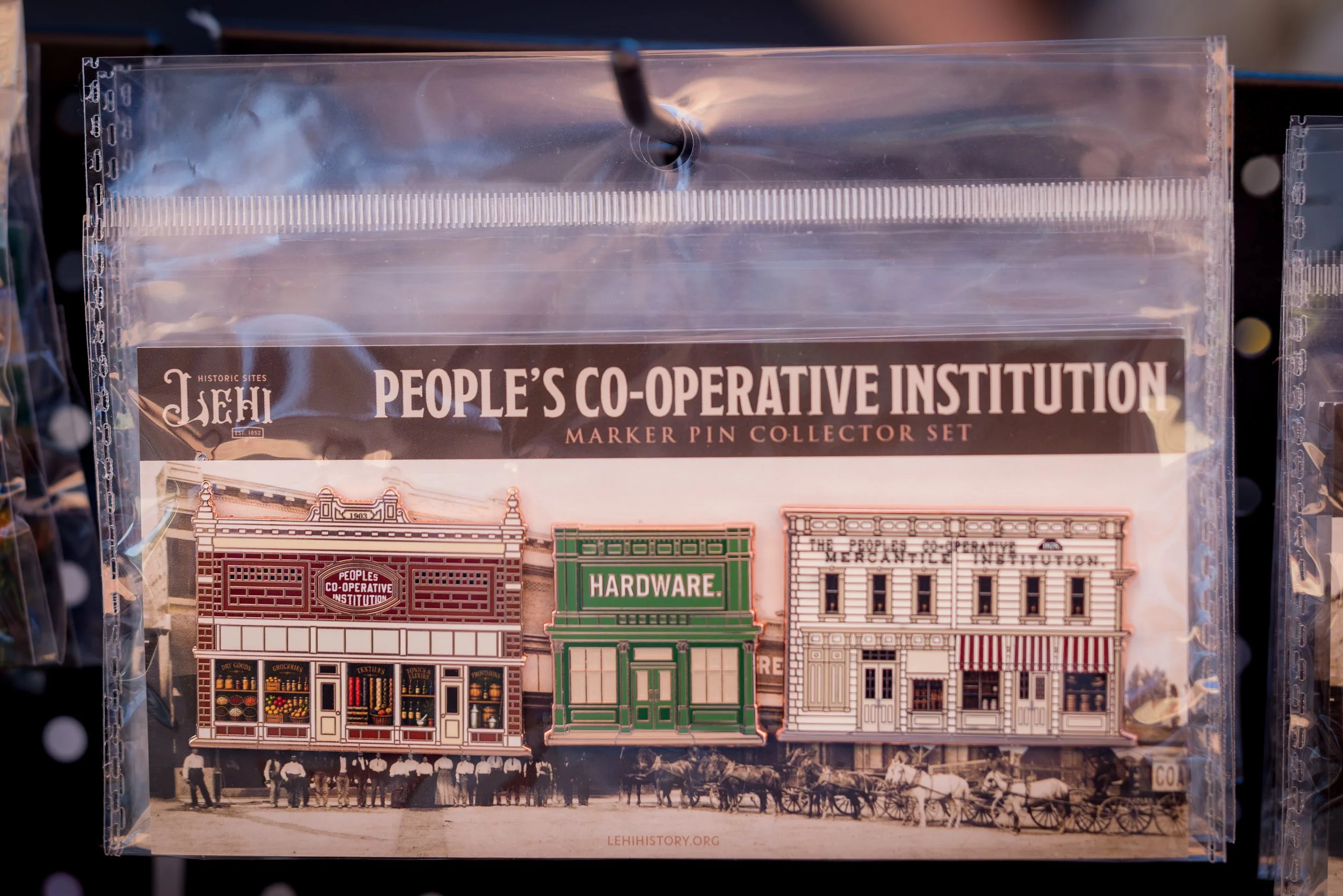
Crafted in hard enamel with polished rose gold finish, the People’s Co-operative Institution three-pin collection features two 2-inch pins and one 1.25-inch pin with intricate UV painted details, rich pearlescent enamel accents, and exceptional craftsmanship that brings these historic Lehi landmarks to life. Designed and produced by Lehi City Council member, Heather Newall. Set is a $32 value.

Celebrate one of Utah’s most iconic landmarks with this beautifully crafted Historical Marker collector pin. Featuring the historic Lehi Roller Mills in striking detail, this enamel pin captures the distinctive architecture and nostalgic charm of the century-old mill, known for its role in Footloose and its deep roots in Lehi’s agricultural heritage.
Premium soft enamel with gold-toned metal
Accurate architectural rendering of the Roller Mills
Measures 2 in wide
Double-post backing with secure rubber covers for added stability
Perfect for collectors, history lovers, and proud Lehi locals
A timeless keepsake honoring the heart of Lehi’s past.